
October 10, 2024: The Rugged Coast
After exploring Sparta and Monemvasia, it was time to keep moving. Today was my longest drive and most offbeat destination of the road trip. The Mani Peninsula is a rugged area at the extreme southern end of the Peloponnese. It has a unique culture and cuisine. Many Greece travel guides consider the Mani to be the most authentic part of Greece.
I reached the Mani after a two-hour drive from Monemvasia. The mountains here were surprisingly tall and steep. The tallest mountain in the region is 2,405 meters (7,800 feet) tall. Until recently the only way to reach most of the Mani villages was by boat.
After reaching Aeropoli, the capital, I headed south down the two-lane loop road dramatically perched over the sea. The drive reminded me of a quieter, more dramatic version of the Tijuana-Ensenada drive in Baja California.
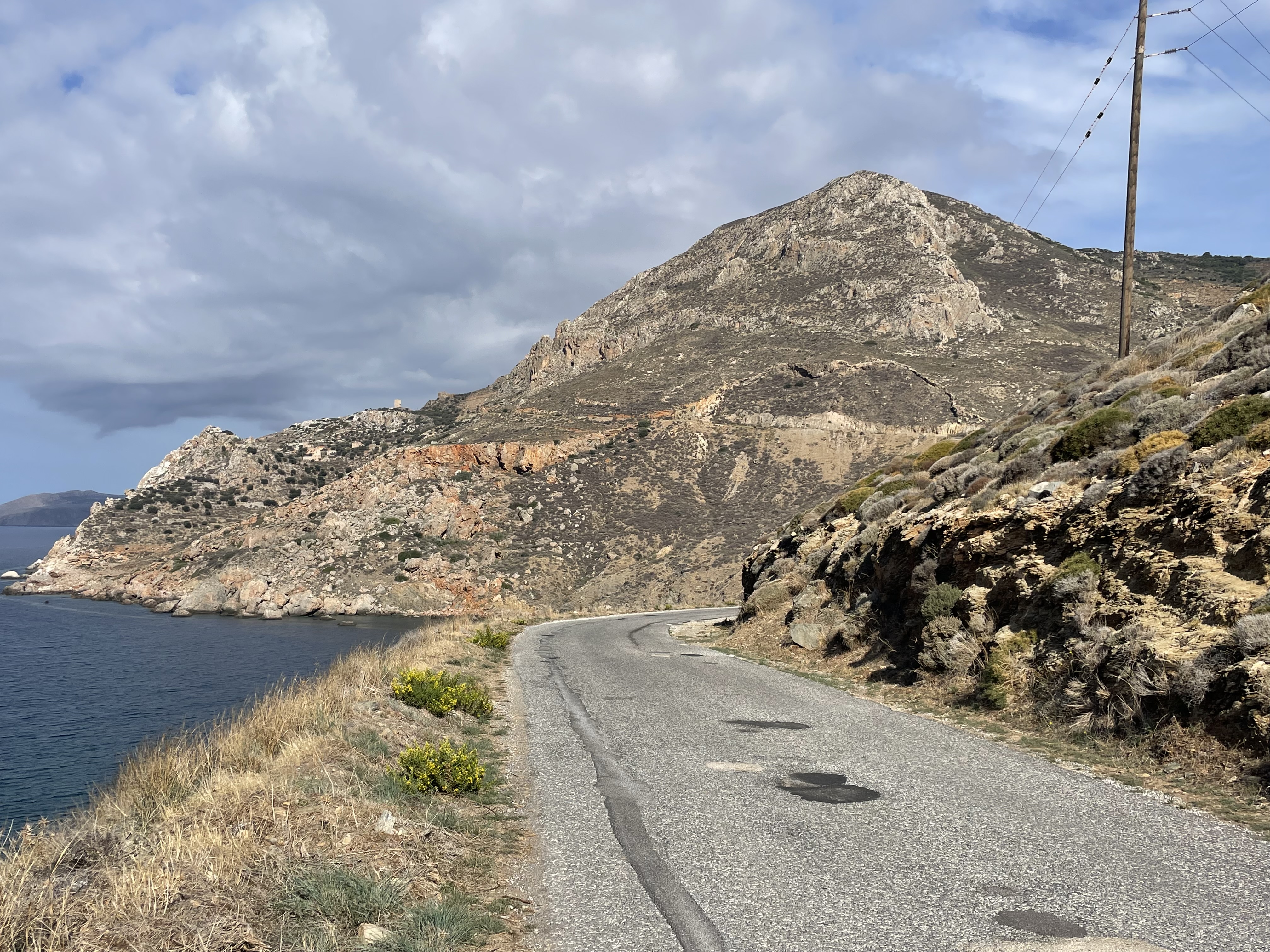
Occasionally, I passed by small villages. Mani towns are notable for their unique tower homes, of which there are 800 along the peninsula. These 3-5 story single room-per-story towers were built for protection; due to the rugged terrain, each family was responsible for its own defense.
The most impressive village is Vatheia, which has 78 residents and numerous tower homes.
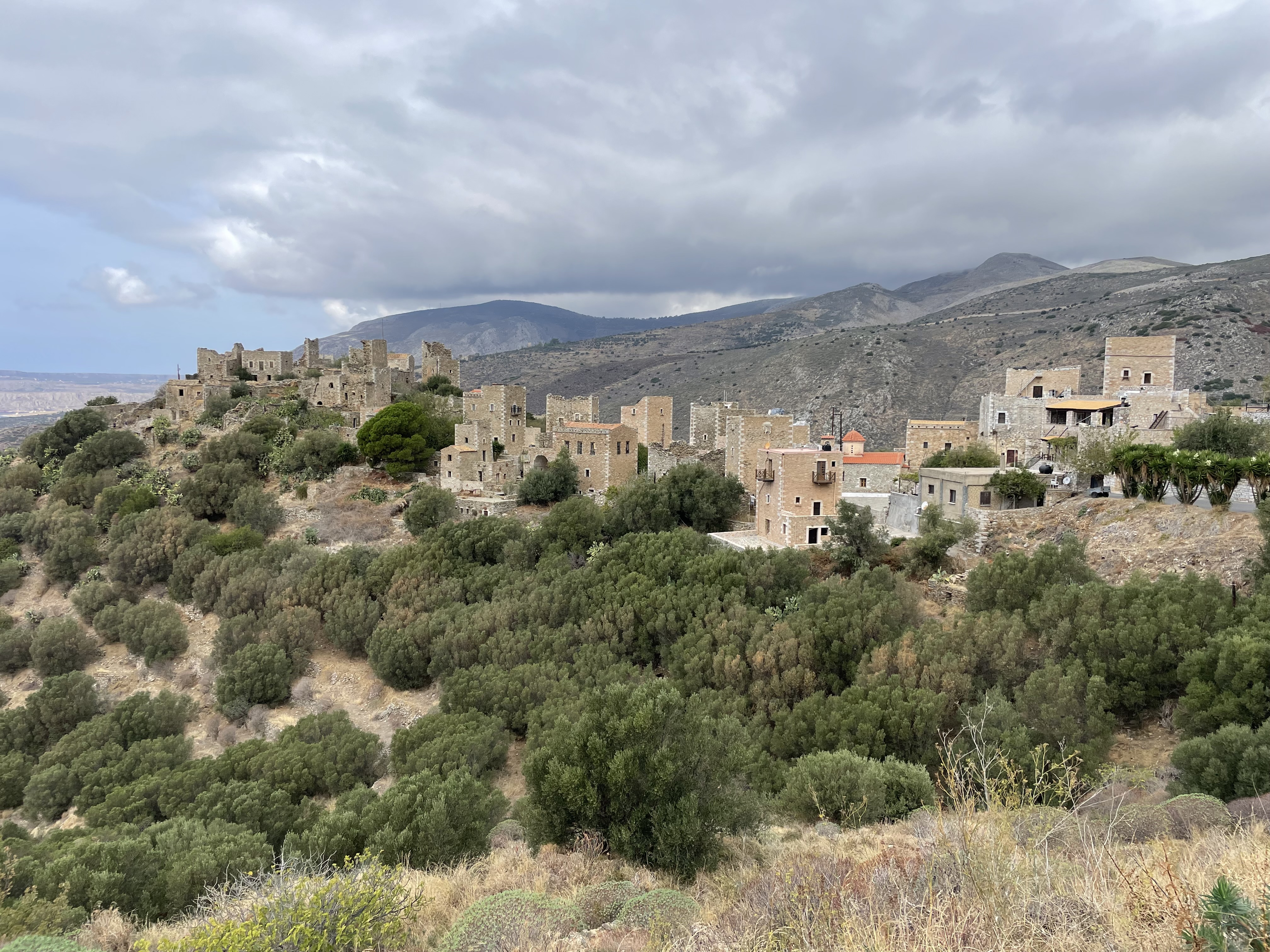
The village is perched on a hilltop with exceptional views of the coastline.
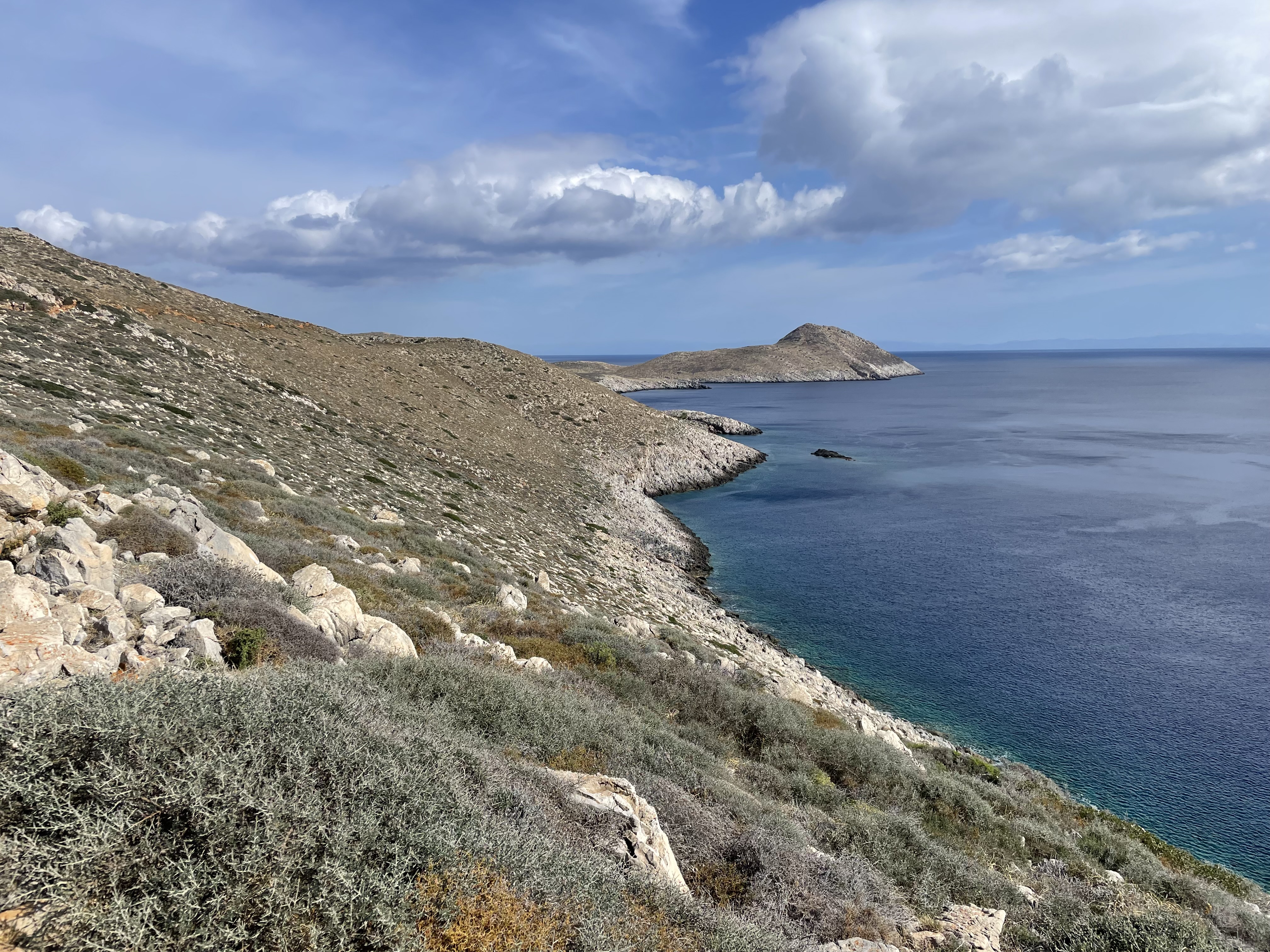
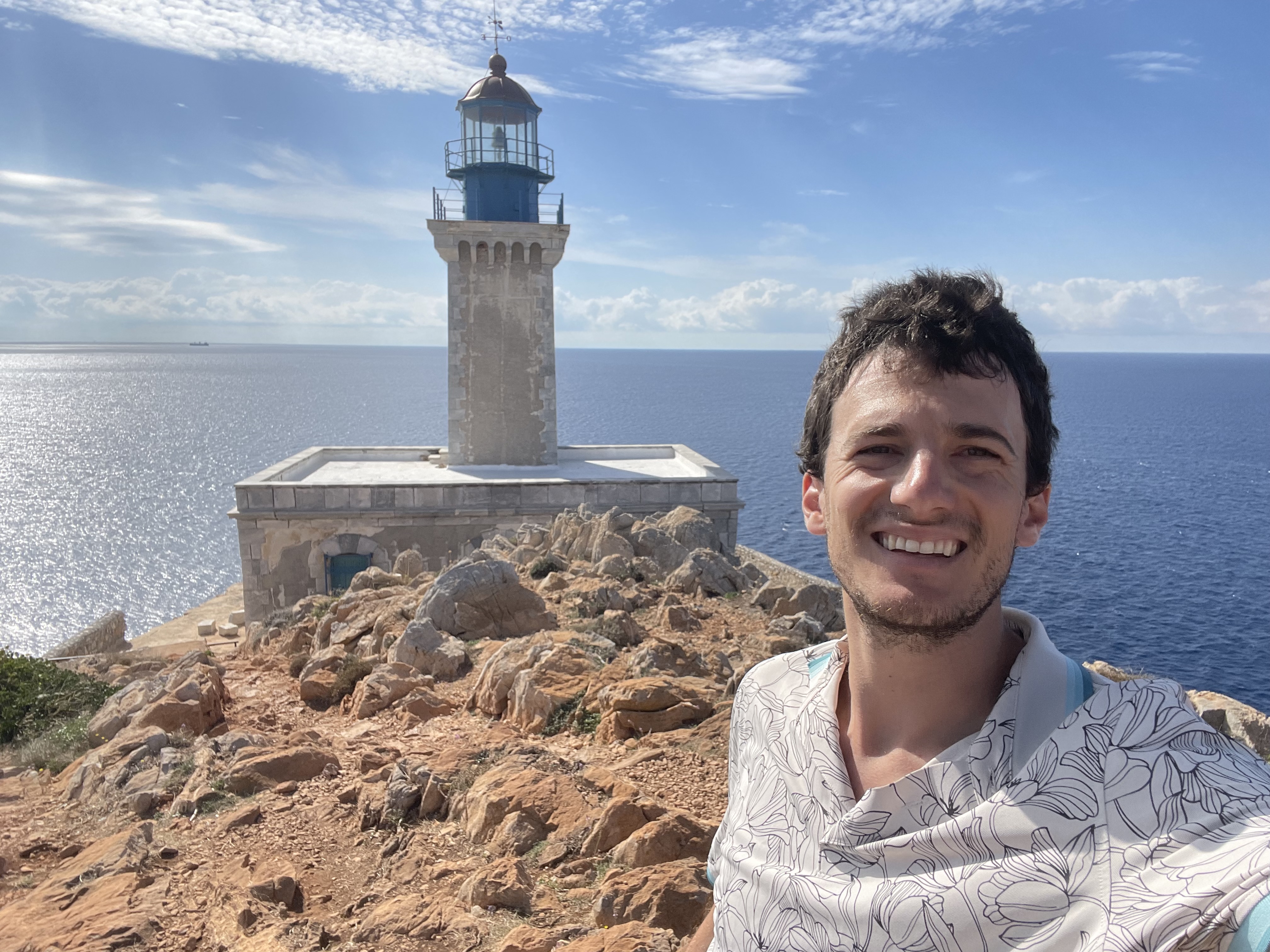
20 minutes south, I reached the “village” of Kokkinogeia, which is just a single taverna. This is the southernmost village in Mainland Greece. From here, I hiked 30 minutes along a rugged trail to reach Cape Tainaron, the southernmost point in Mainland Greece, the southernmost point in the Balkan Peninsula and the southernmost point in Mainland Europe outside of Spain (Tarifa, Spain has the actual southernmost point). Superlatives aside, the scenery is beautiful. While there is no official sign, there is a large working lighthouse off limits to the public.
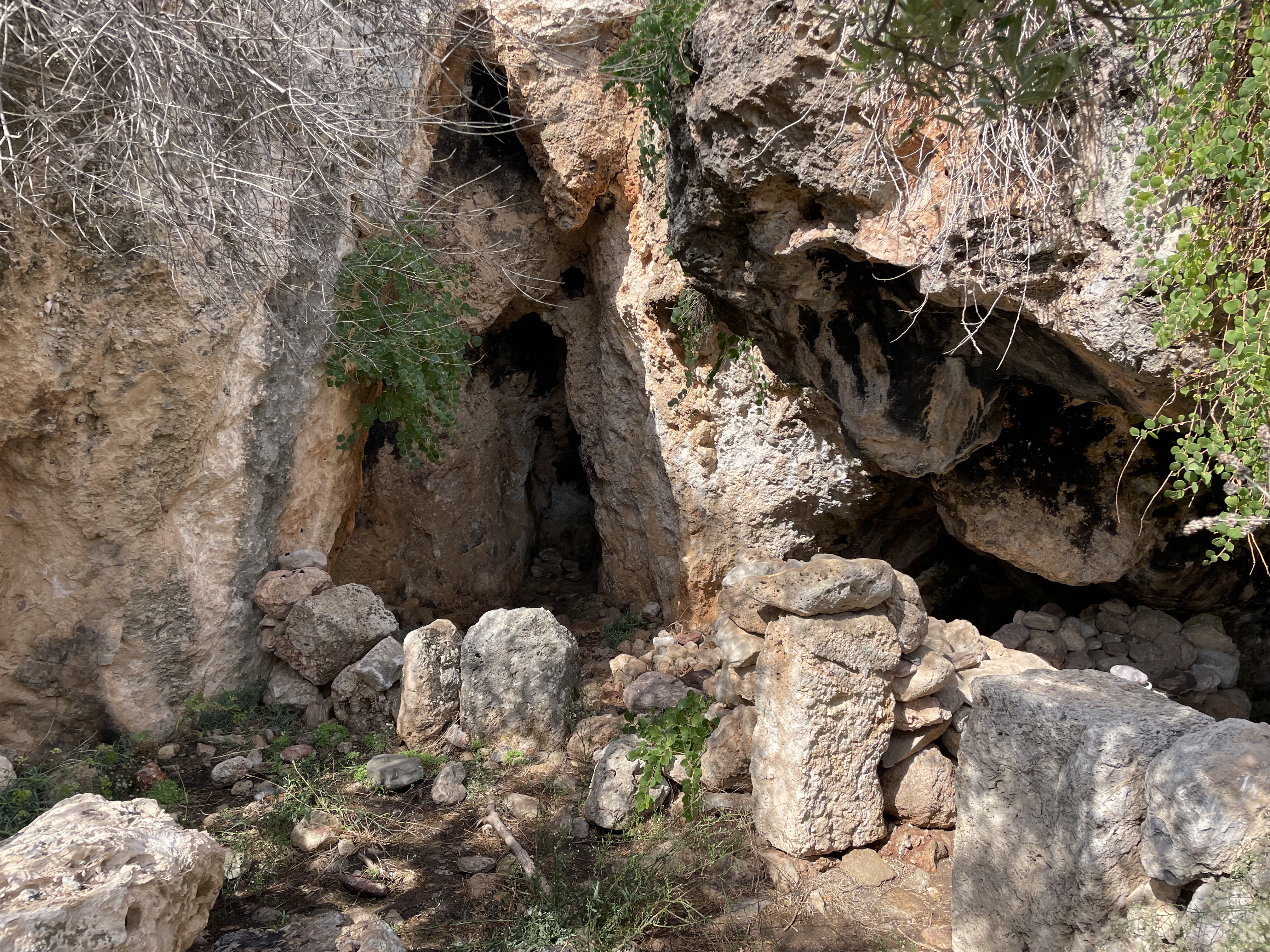
Back near the parking lot, I stopped near a tiny cave near the water, hidden behind the bush. The cave was guarded by two entrance stones and had a tiny pond infested with flies. The air was dead still. According to Greek mythology, this was one of the entrances to Hades, the underworld. The entrance was used by Hercules when he dragged Cerberus to the overworld for his Twelfth Labor as well as by Orpheus on his doomed attempt to rescue Eurydice. Regardless of whether the myths are true, people once believed the stories, making this place significant.
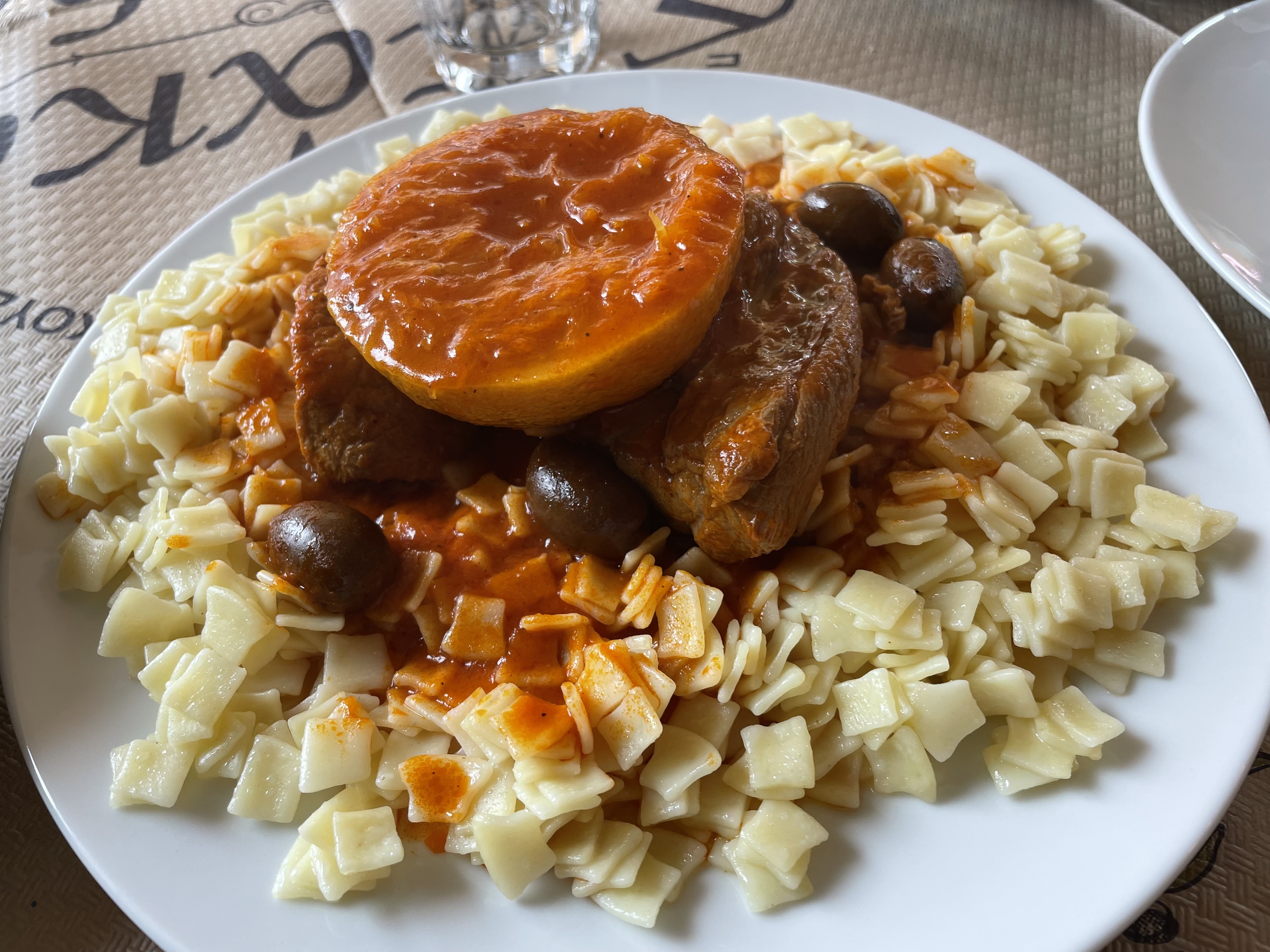
I then drove north back to Aeropoli where I stopped for lunch. The Mani is known for a few unique foods. I ordered pork cooked with oranges. This was by far the most unique dish I ate in Greece.
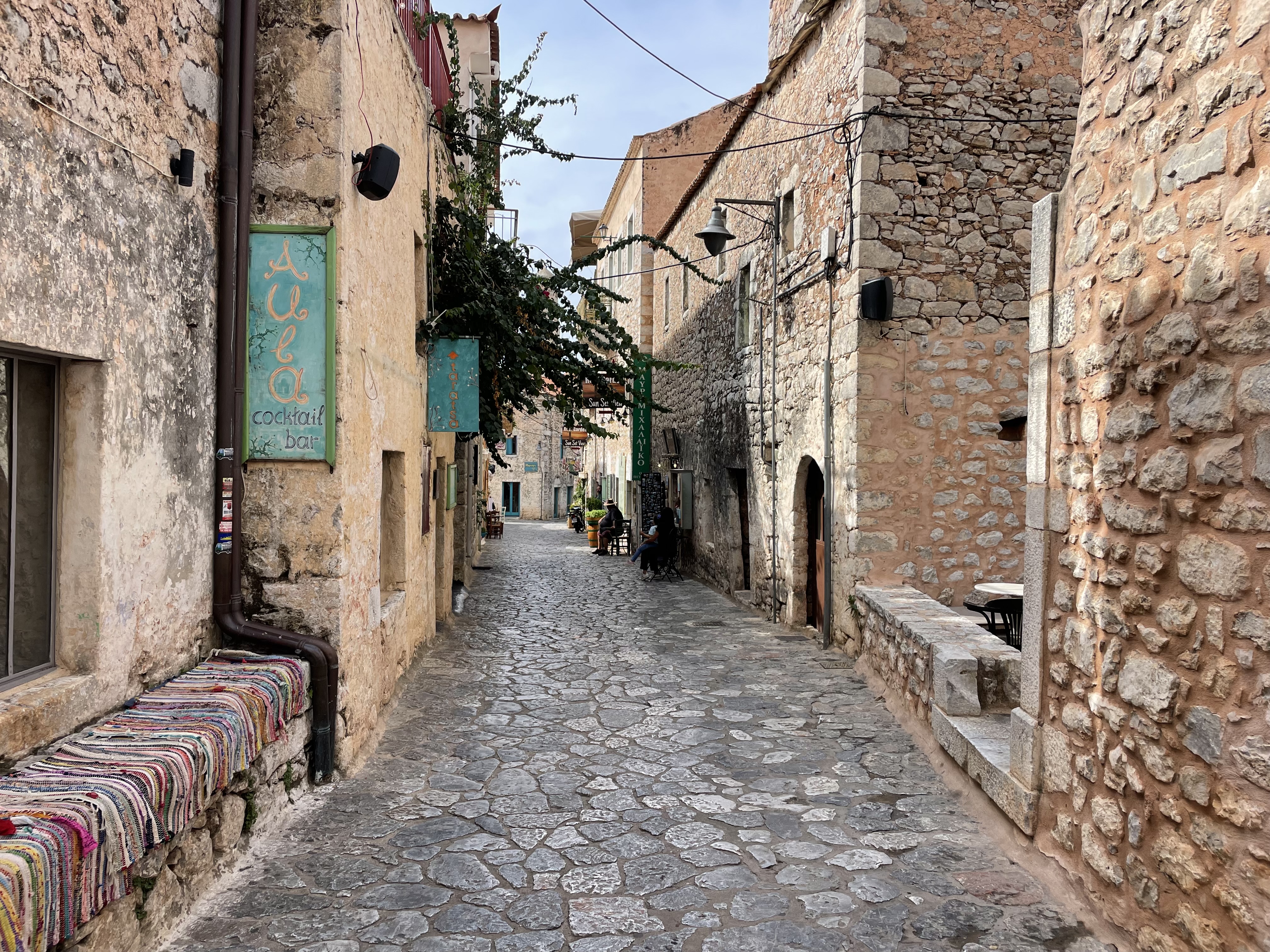
Aeropoli is the capital of the Mani. It is appropriately named for Ares, the god of war, because it was the first town to rebel in what became the Greek War of Independence. The independence flag which contains the Spartan phrase “Return with your shield or on it” was flying all around the town. The town has a gorgeous old town with winding alleys and cafes. I spent a good 20 minutes strolling around.
I then drove north for another hour to reach the town of Kardamyli. My guidebook spoke highly about the hiking here. So, I went for a hike. The trail started at tower house museum.
Then, I hiked up the side of a small canyon to reach a church. I then skirted around the edge of the canyon before heading back down to Karadmyli town. The hike took about 2 hours. It was nice, but not EPIC like the guidebook said.
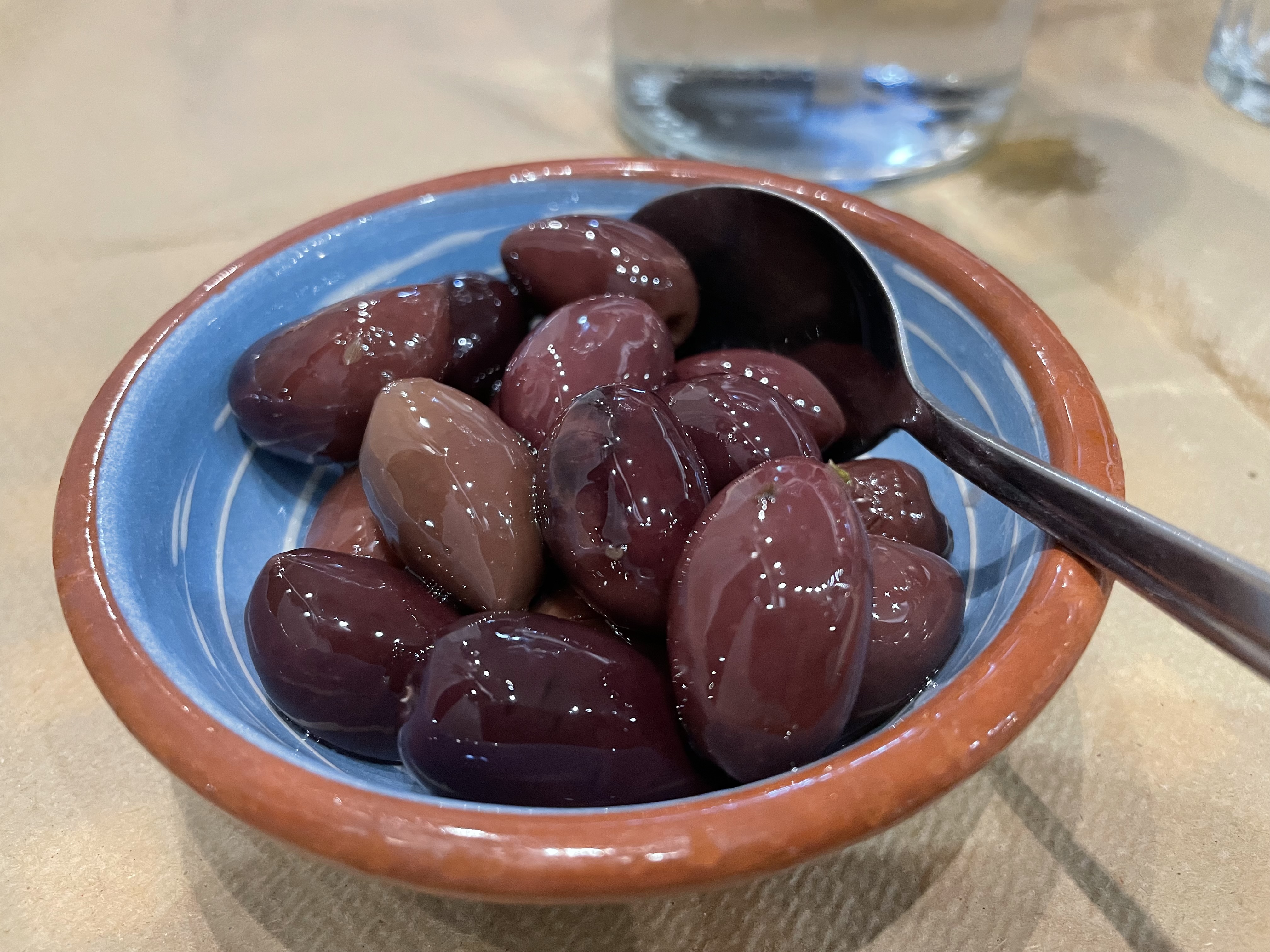
I then continued north for another hour to Kalamata- the capital of the Messini region. Kalamata is the namesake of the kalamata olive.
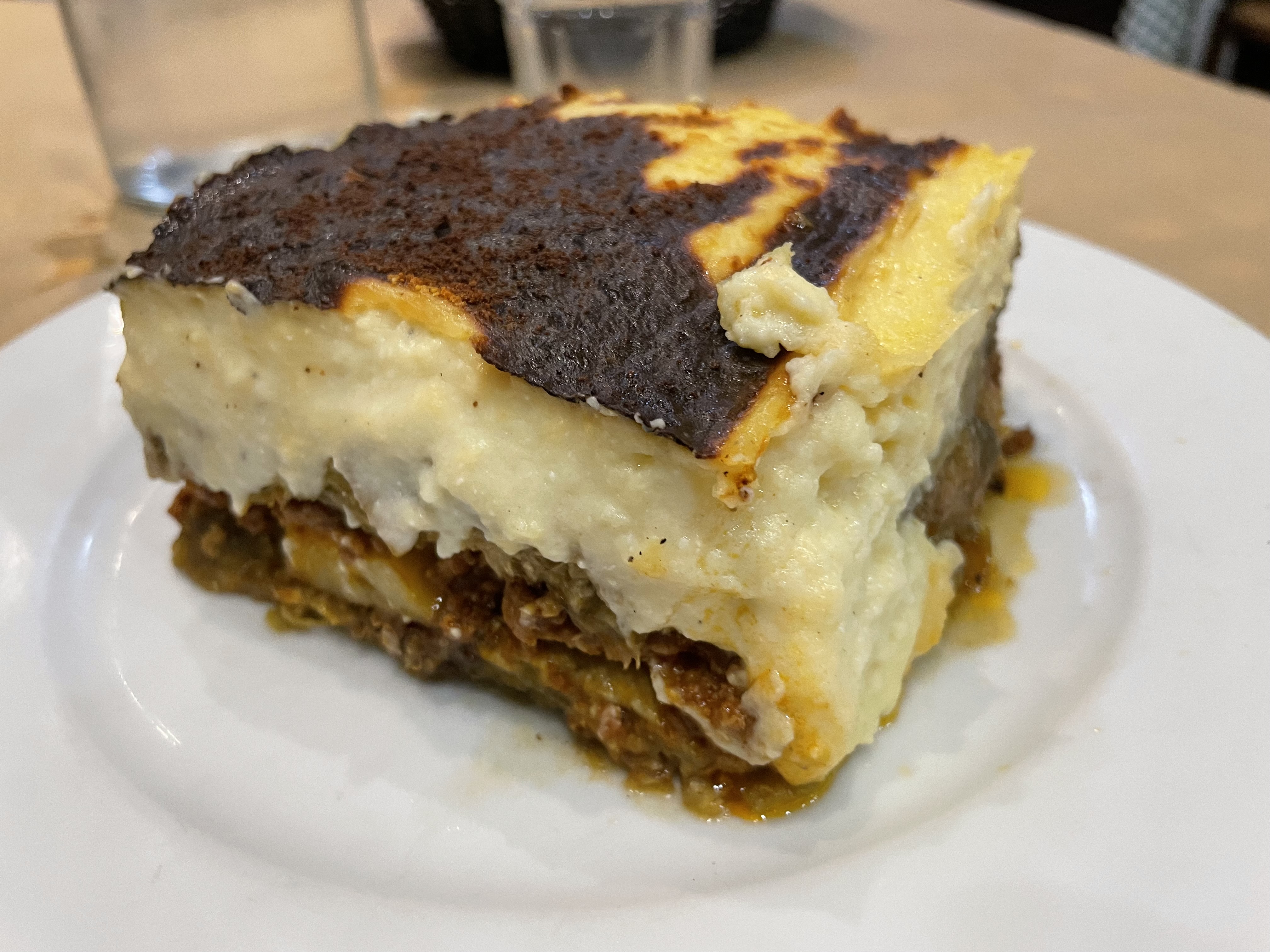
I checked into a hotel (which has been running for over 20 years!) and then wandered the old town. The center was lively. I ate at a 100-year-old restaurant and then got beer at a craft beer bar serving only Greek beers.
I would have loved to spend a couple nights here but instead I went to bed early to rest up for another long day on the road.
Leave a Reply