
Why the Baccalieu Trail:
I was looking to go to Canada for a long weekend in early September and found a good deal to St. John’s, Newfoundland. In addition to St. John’s, I wanted to visit the French territory of St. Pierre and Miquelon. The ferry to St. Pierre is in the remote town of Fortune, four hours from St. John’s. When looking for places to go in between St. John’s and Fortune, I learned about the Baccalieu Trail and the many beautiful towns in the area. This would be my pit stop.
September 12, 2024: To Dildo and Beyond
After landing at St. John’s 90 minutes late at 00:40, I picked up my rental car and drove to my prebooked campsite at Butter Pot Provincial Park. This was the final weekend of the year that the campsites are open.
The night was warm, and it was almost 2:00 so I decided to sleep under the stars on my sleeping pad.
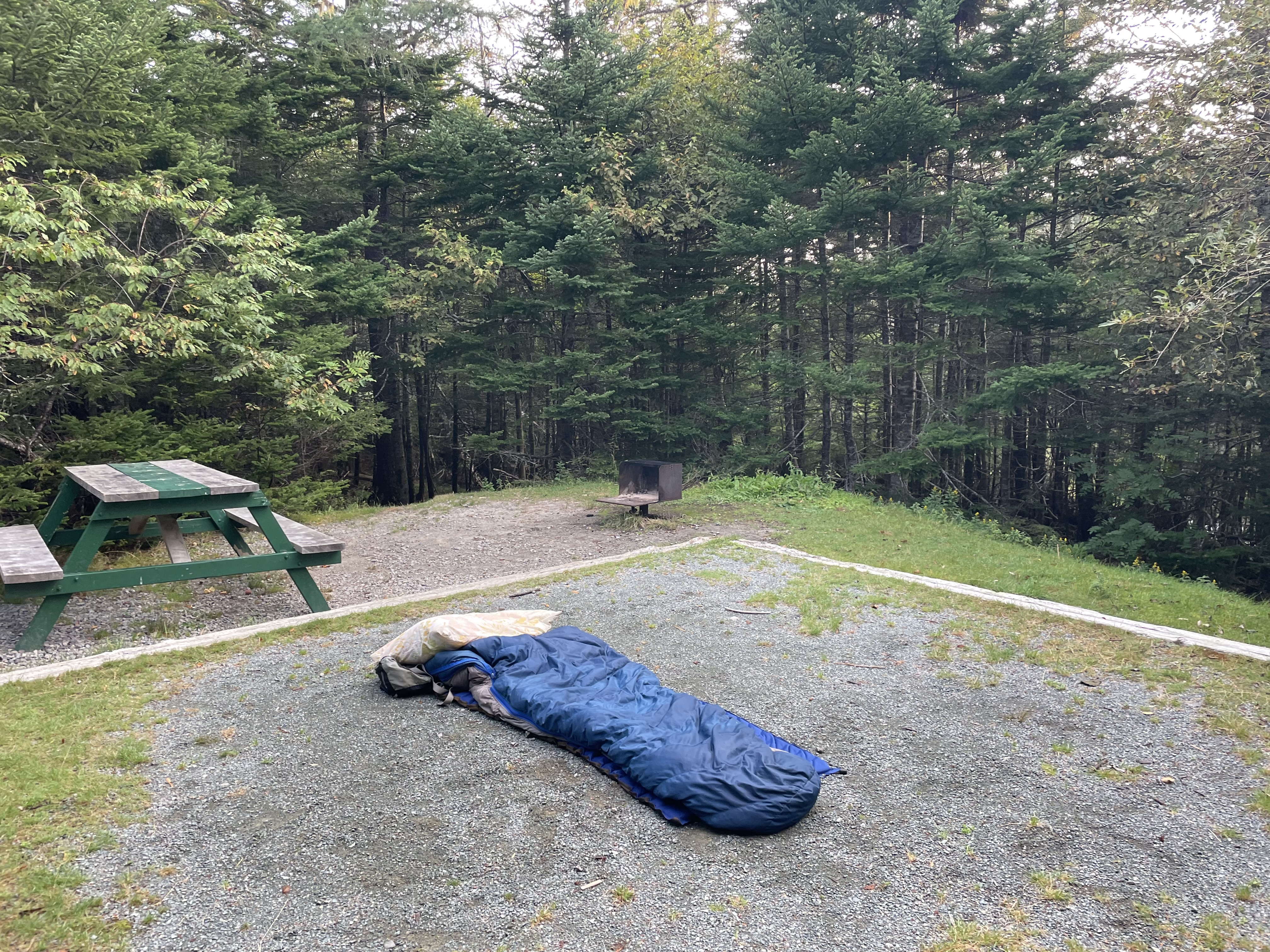
The next morning, I rallied at 8:00 and headed out.
My first stop was the town of Brigus which is described as an English village plopped in Newfoundland. Having never been to rural England, I cannot comment but the town was very pretty!
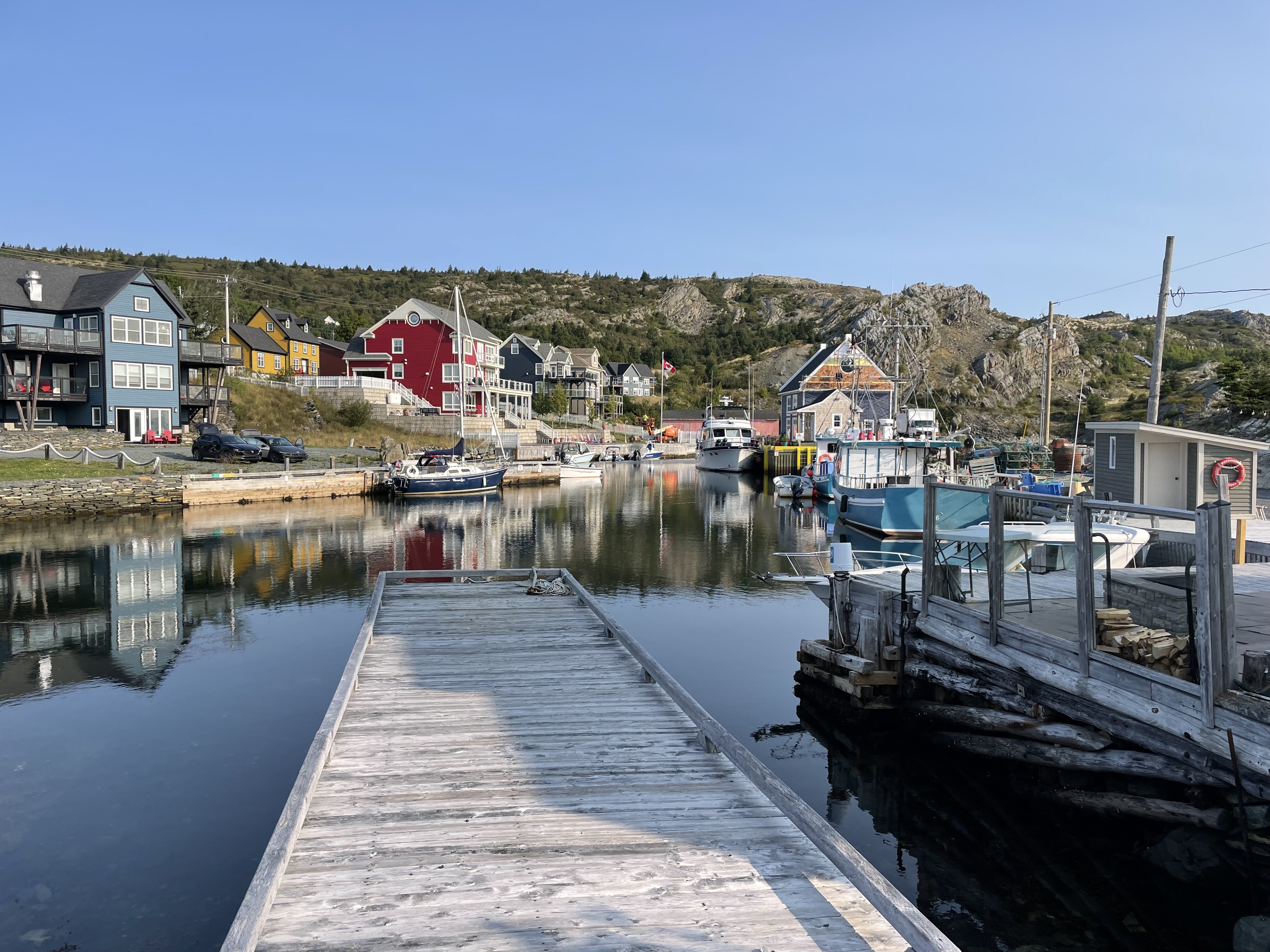
Like virtually every other town in the region, it was founded in the 1600’s as a fishing village. Most of the fishing would actually occur in the summer off the coast of Labrador but the communities would return south to Newfoundland for the winters.
Brigus is well known for being the home of many sea captains including Bob Bartlett who cleared the ice so that Robert Peary could reach the North Pole by dogsled in 1909. Bartlett’s house is a National Historic Site of Canada; however, it was closed for the winter (summers are short here!).
My favorite part of Brigus were the public grassy paths that wound between the houses.
A couple miles from Brigus, in the next cove, is Cupids. Cupids is the oldest permanent British settlement in Canada. While Newfoundland was first discovered for the British by John Cabot in 1497 and officially declared a colony in 1583 by Humphrey Gilbert, it remained a seasonal fishing hub.
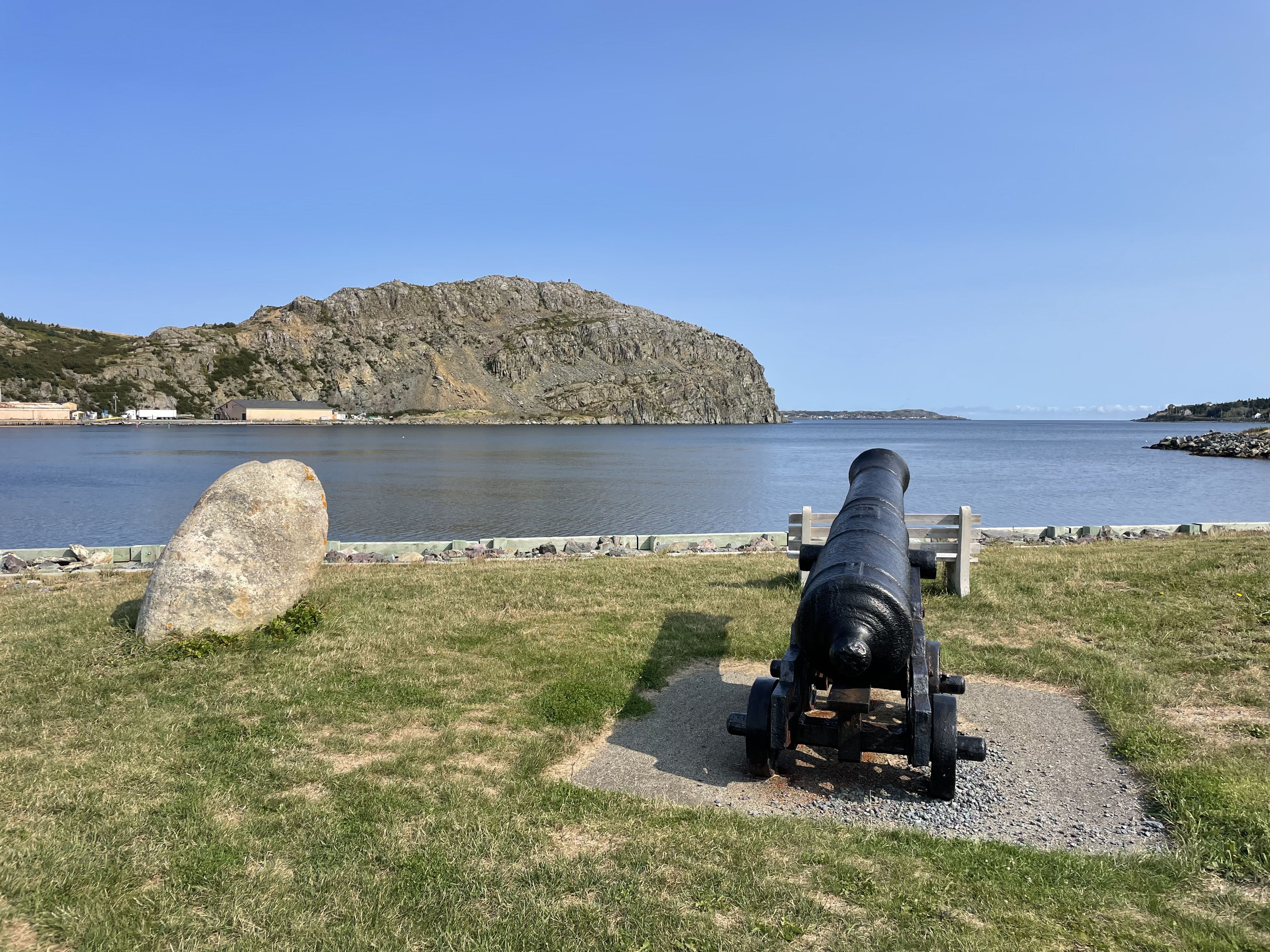
The status quo was shifted when Samuel Champlain and the French settled Quebec City in 1608. Britain needed a permanent settlement in Newfoundland to keep its claims. Cupids (then known as Cuper’s Cove) was selected as the preferred site later that year on an exploratory expedition. The town was formally settled in 1610 by John Guy. Even though the British only used Newfoundland for fishing until this point, the colonists at Cuper’s Cove were forbidden to interfere with the fishing trade (they could fish but only for their own sustenance). Instead, they set up an agricultural and livestock plantation. In 1617, the second governor of the town, John Mason, got fed up with disputes with the seasonal fisherman so he left and founded New Hampshire. The town of Cupids has managed to survive all the way to the present day but quickly faded into irrelevance after 1617.
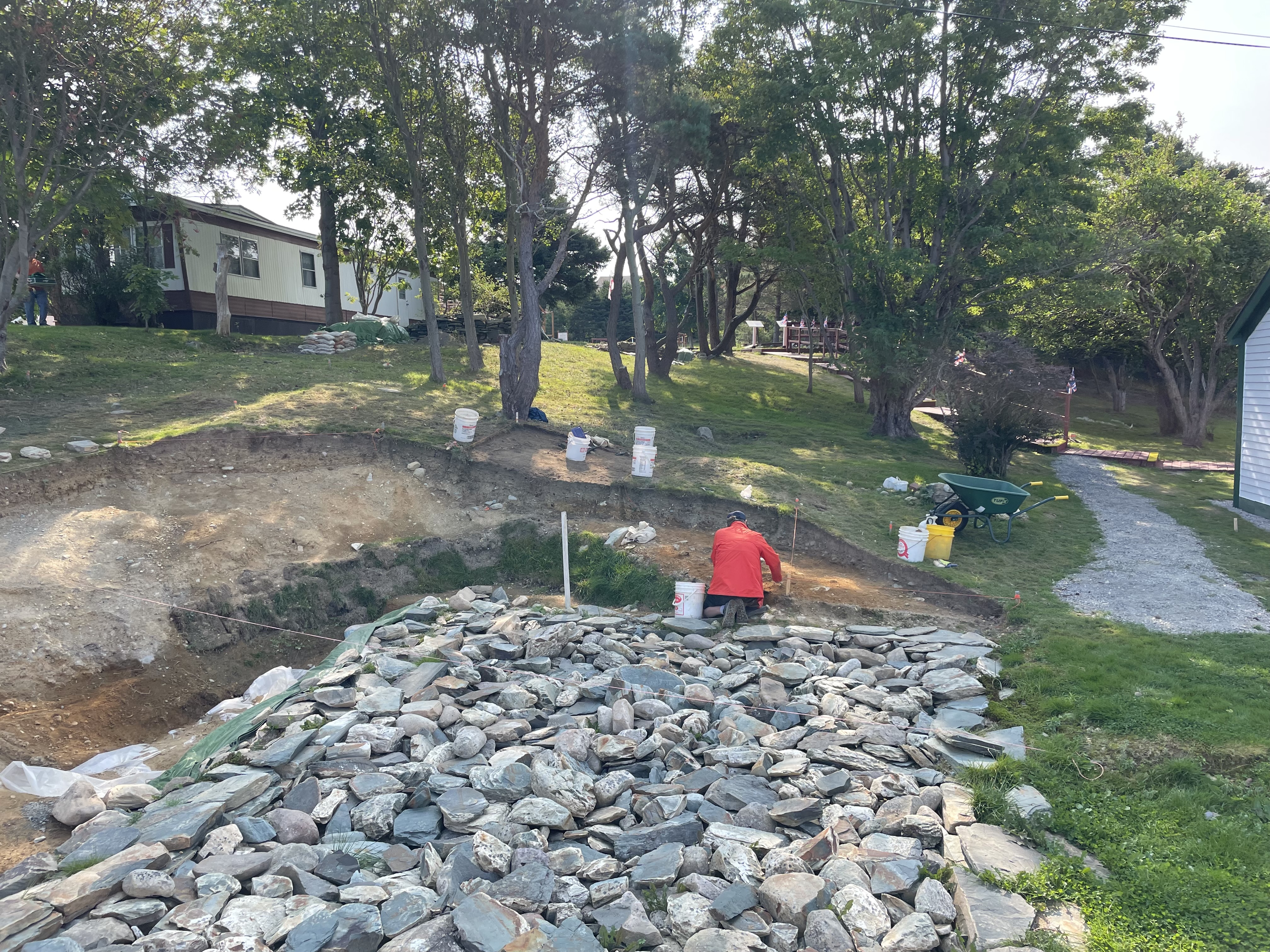
The town has two main attractions: the historical museum and the archaeological site. The archaeological site contains the ruins of the buildings from the 1610 townsite. It was lost to time but rediscovered in 1995 by archaeologists using the diaries of the early colonists. The site is still being excavated and the archaeologists working on the site give 45-minute tours every day. The tour was very in-depth but the most shocking thing to me was the strange accent of the tour guide. It sounded Irish. I later learned that this is the unique Newfoundland accent.
Down the street from the archaeological site is an impressive small-town museum containing all the artifacts from the dig as well as exhibits explaining the town’s history.
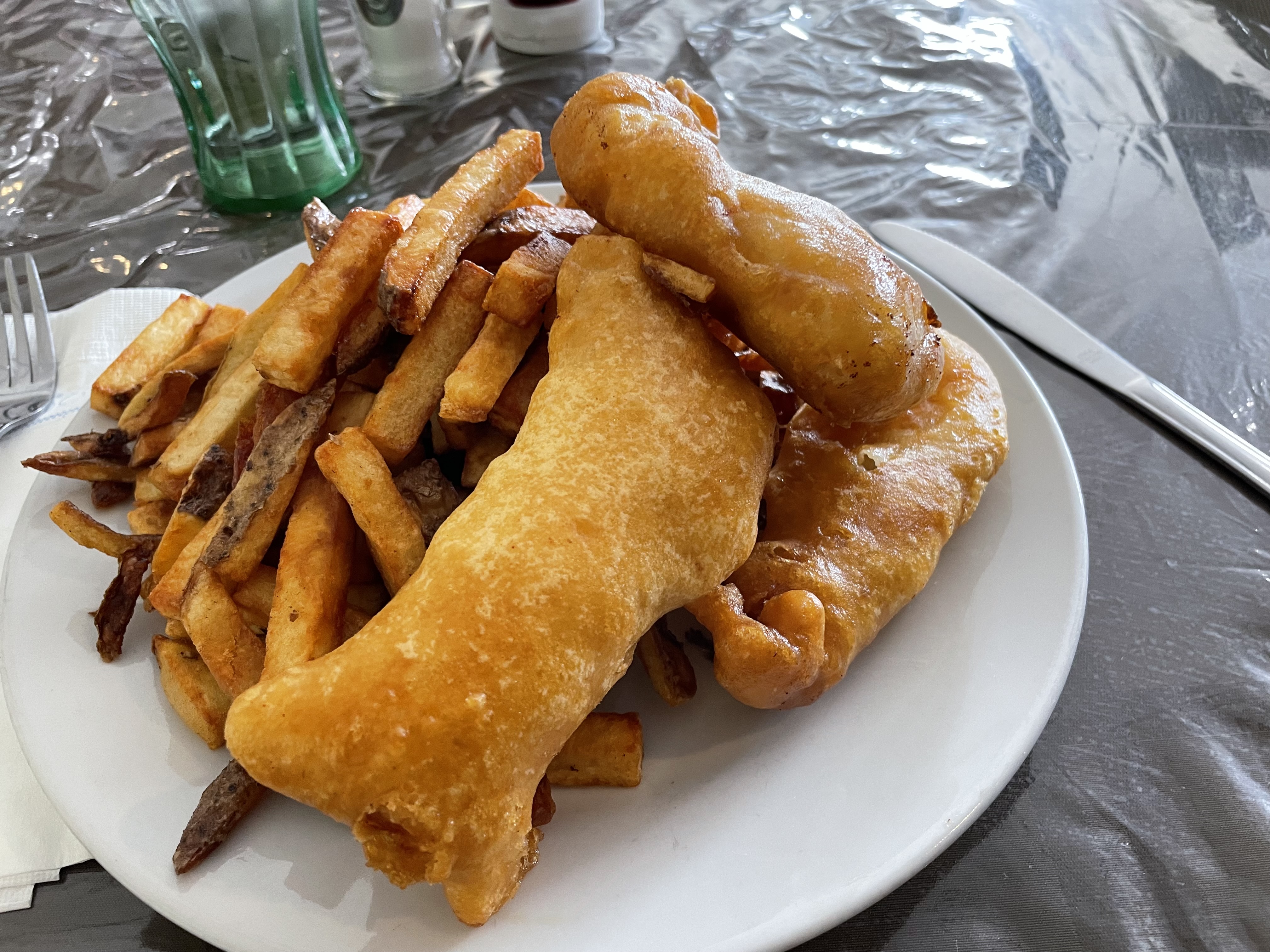
Just up the road from Cupids is Bay Roberts where I got fish and chips for lunch.
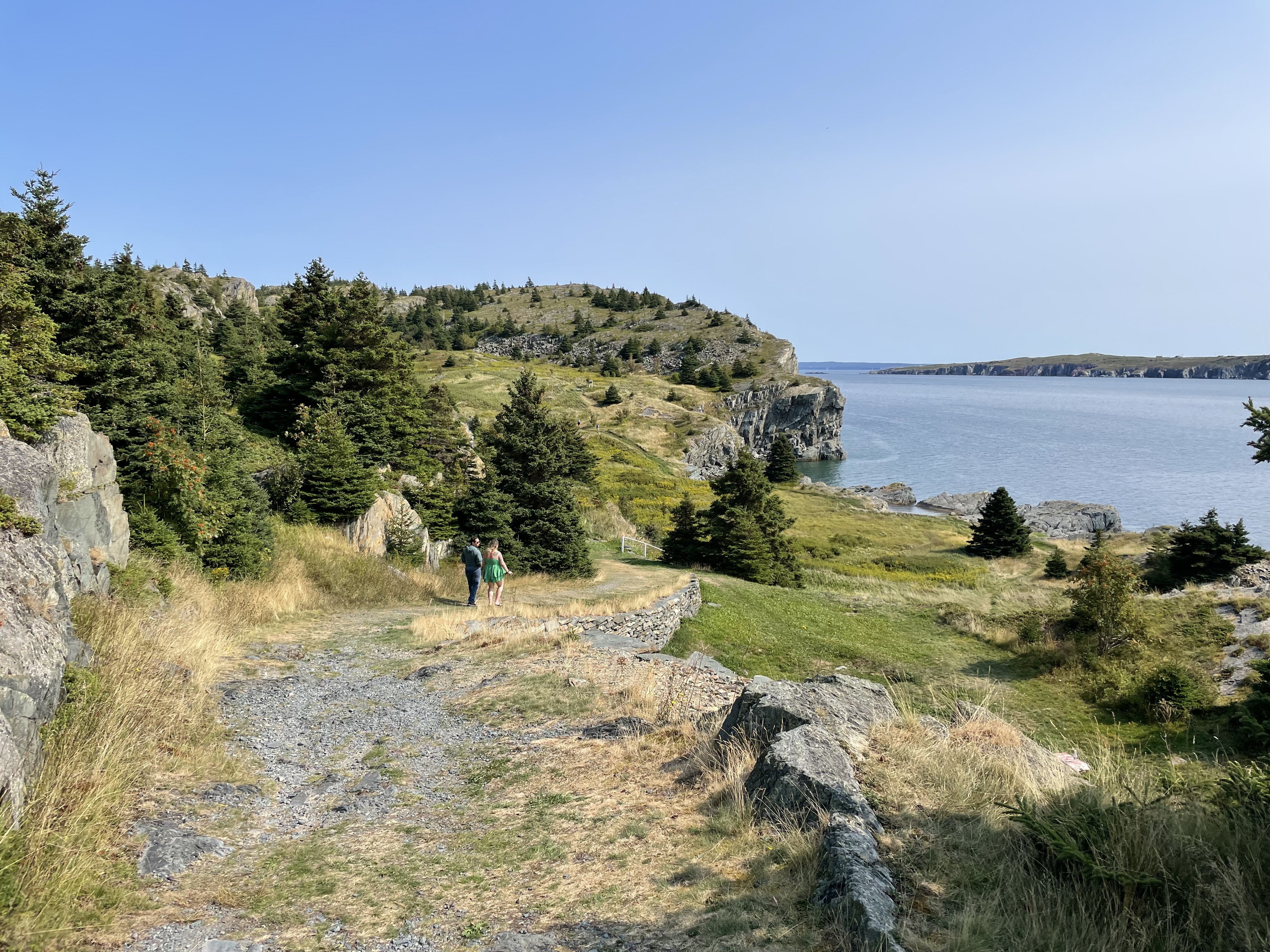
Then, I headed 10 minutes east to do the Mad Rock hike, one of the more popular in the region. The loop trail took me to the end of a peninsula with impressive coastal scenery.
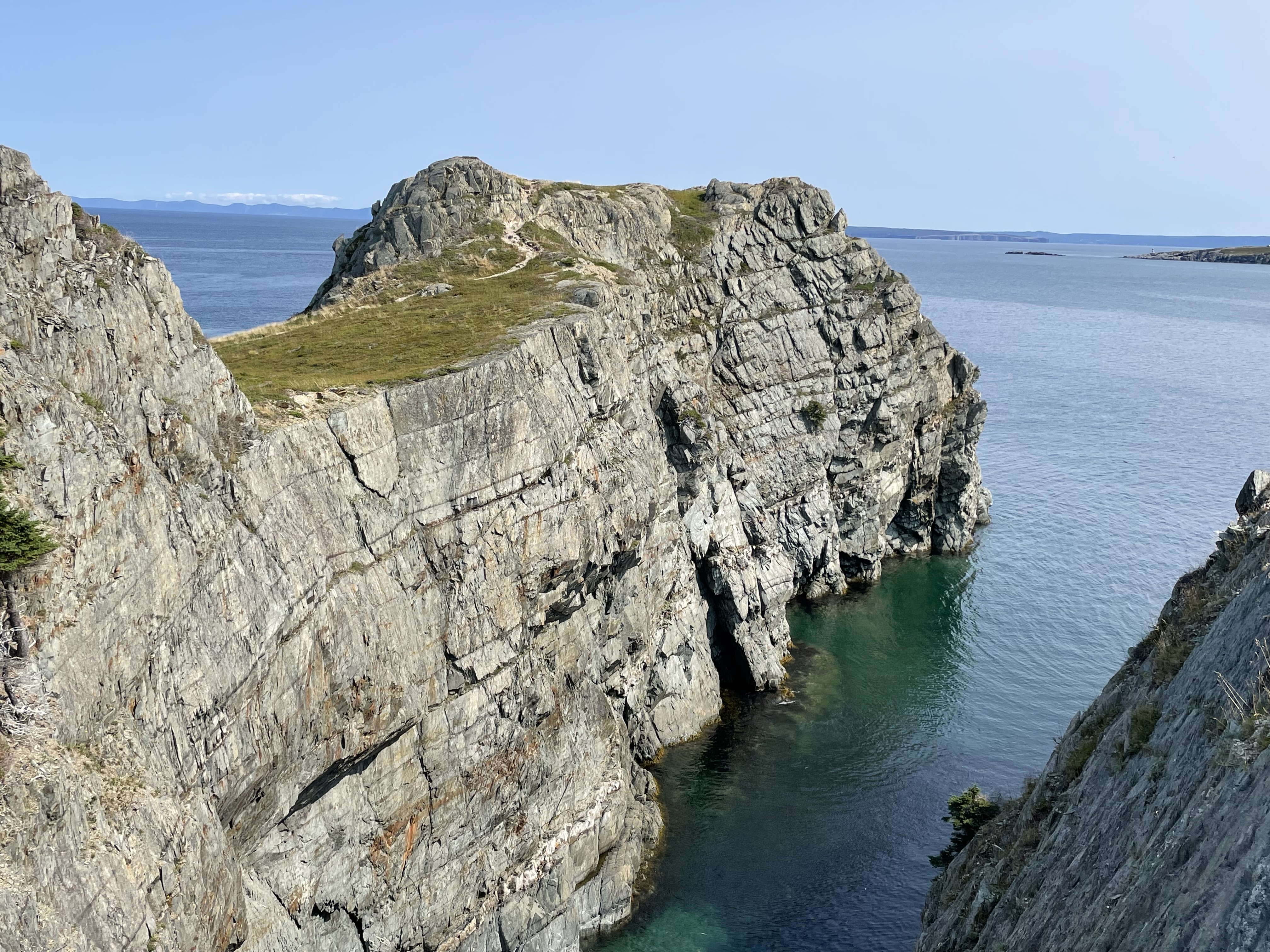
The sea cliffs at the end were unexpectedly huge!
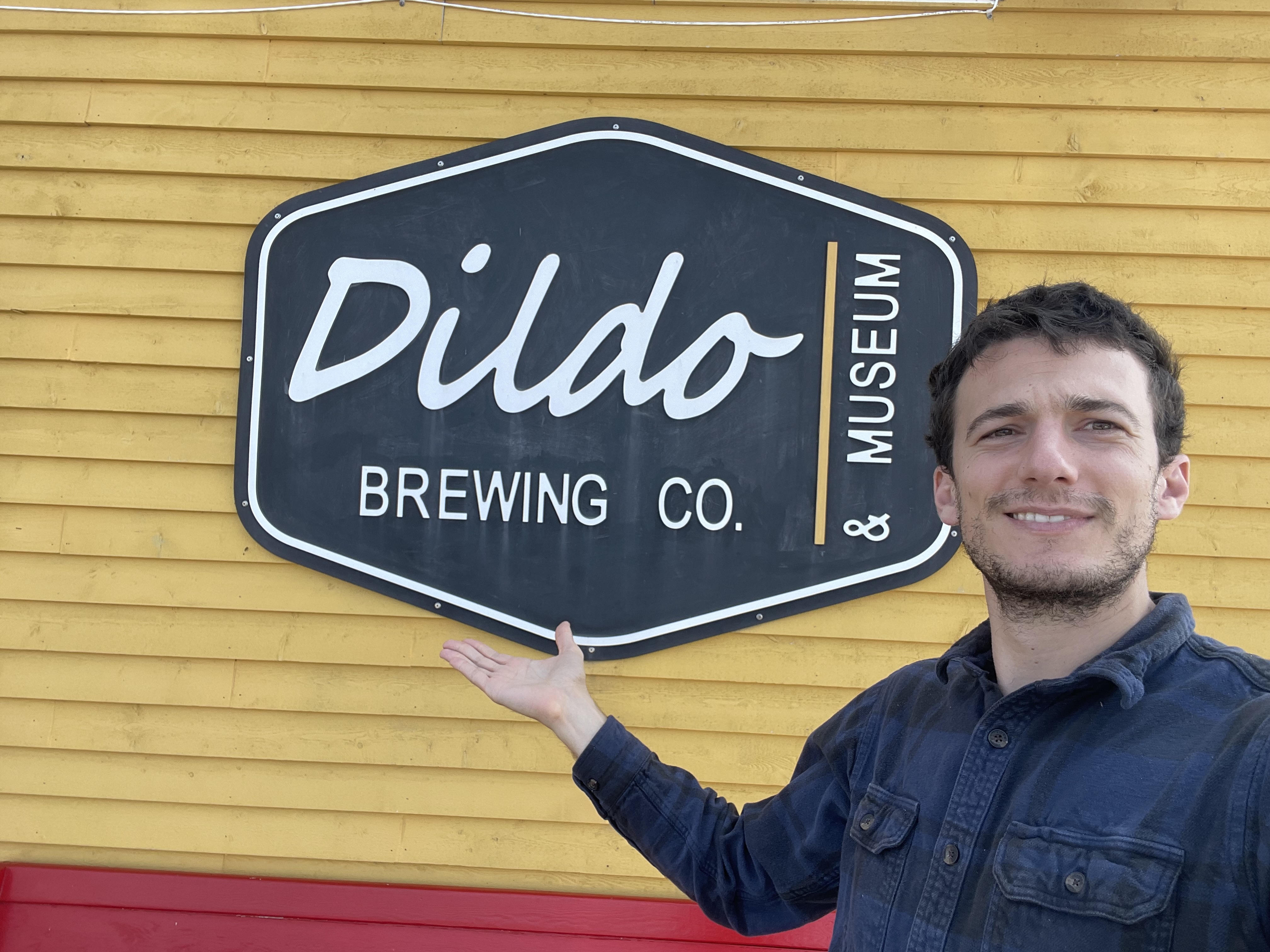
My final stop on the Baccalieu Trail is the town of Dildo. Yes, Dildo.
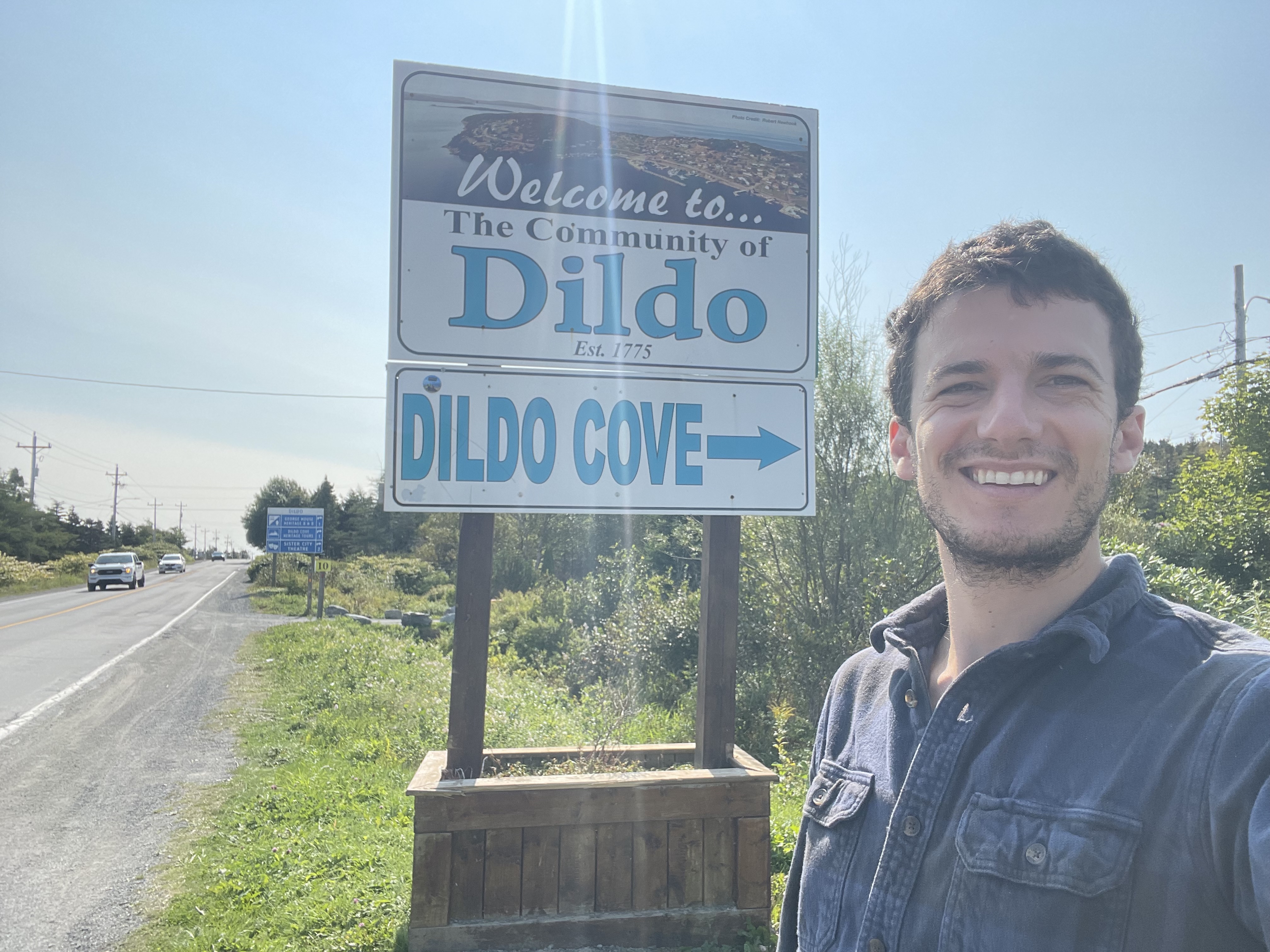
The origin of the name is unknown, but it has been the name of the town since the early 1700’s. The town is most definitely in on the joke. In 2019, Jimmy Fallon became the honorary mayor of Dildo.
The picturesque seaside village’s most famous attraction is the Dildo Brewery. It is not only a tourist attraction but also a gathering spot for the Dildo community. The beer was okay and the tap room was freezing cold, but I loved the space, the views and the novelty of drinking in Dildo.
It was now 15:00 and I had a long drive down the lonely Burin Peninsula ahead. An hour in, I stopped at the personal classic car collection of man named Vernon. Vernon has over 60 cars in his garage/museum. Almost all of the cars are super rare – I don’t want to know the value of the collection. It is considered Canada’s top classic car collection.
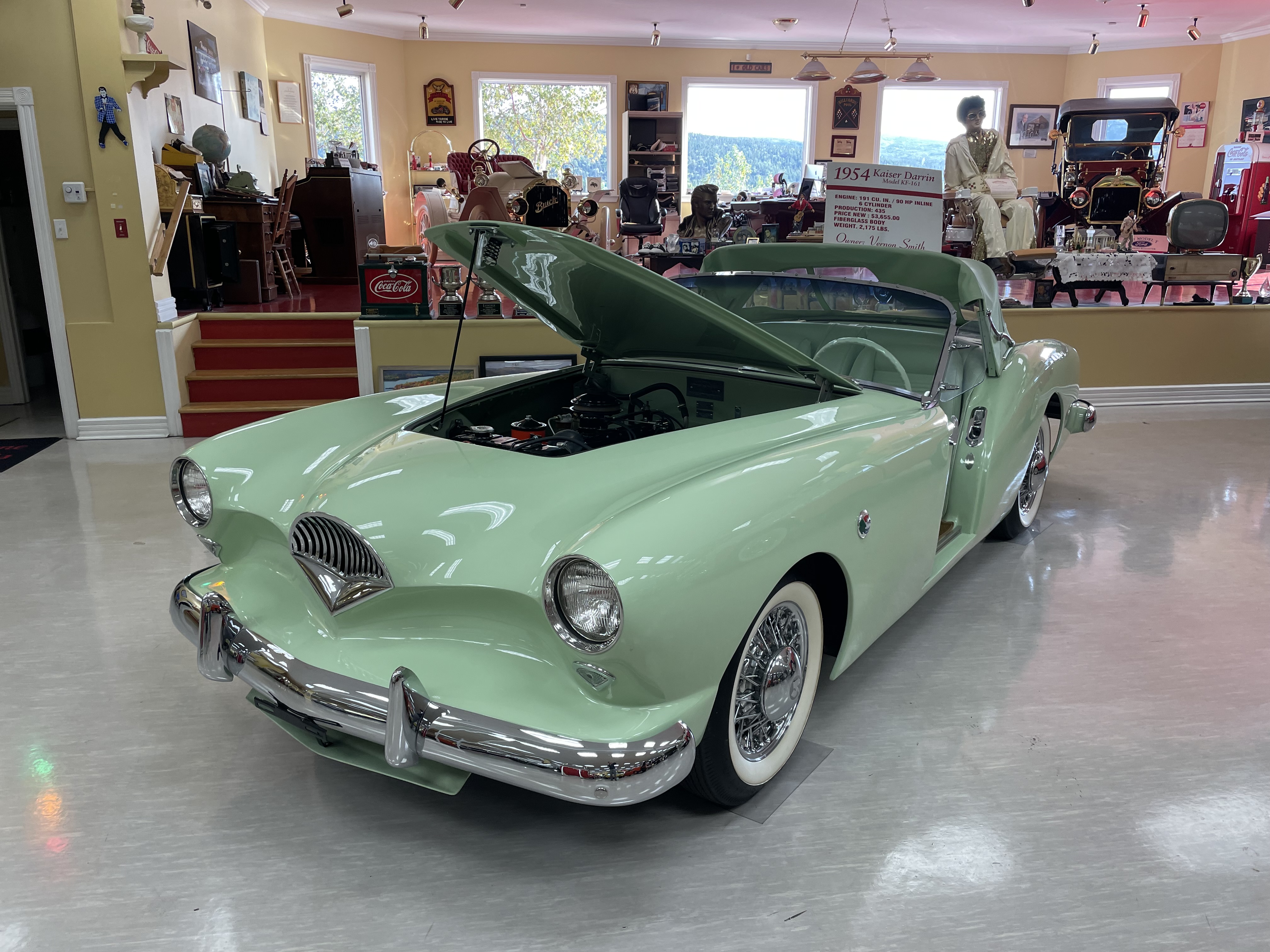
While Vernon wasn’t there to show me around (he was at a car show), another man walked me around the museum poining out the history of many of the cars.
After 30 minutes at the museum, I continued down the Burin Peninsula. For the next 100 kilometers, I saw exactly zero towns or house. Eventually, I reached Marytown, the commercial center of the peninsula. There, I stocked up on cash and got dinner. Then, I headed another 30 minutes south to my campsite at Frenchman’s Cove Provincial Park.
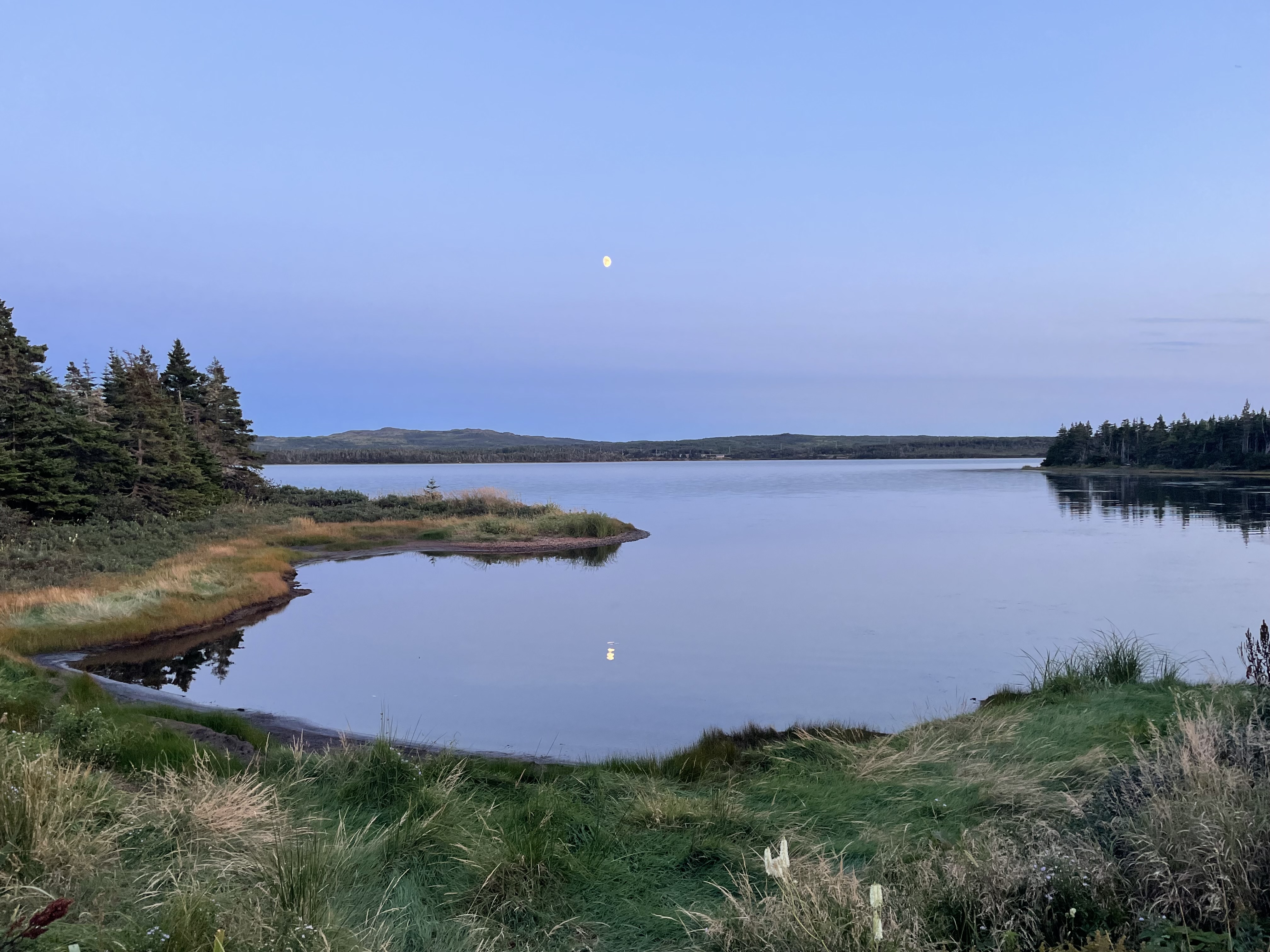
I set up my tent as the sun was setting and went to bed early to rest up for my big day in France.
Leave a Reply