
Why Amsterdam:
I found a cheap Christmas flight to the Netherlands, a country I had strangely not yet visited. As the capital, largest city and home to many of my business school friends, Amsterdam was a logical choice to visit for the first half of my trip. I was lucky enough to be able to stay in the apartment of my friends Bruno and Maren who were unfortunately out of the country.
December 25, 2024: A Quiet Christmas Welcome
My KLM flight from Los Angeles landed at Schiphol Airport at 9. After quickly clearing immigration, I caught a train and then a tram to reach the Oud-West neighborhood where Bruno and Maren live. Per their arrangement, I went to their gorgeous gym to pick up the keys. I then headed up the steepest staircase on earth into the apartment. Once inside, I took a 2-hour nap since I could not sleep on the flight.

At around 12:30, I rallied and headed out to explore!

Amsterdam (and the Netherlands as a whole) has mastered both public transportation and cycling infrastructure. Every street seems to have a protected bike lane and space for a tram or bus. Walking around is pleasant, but you always must be careful of the cyclists.
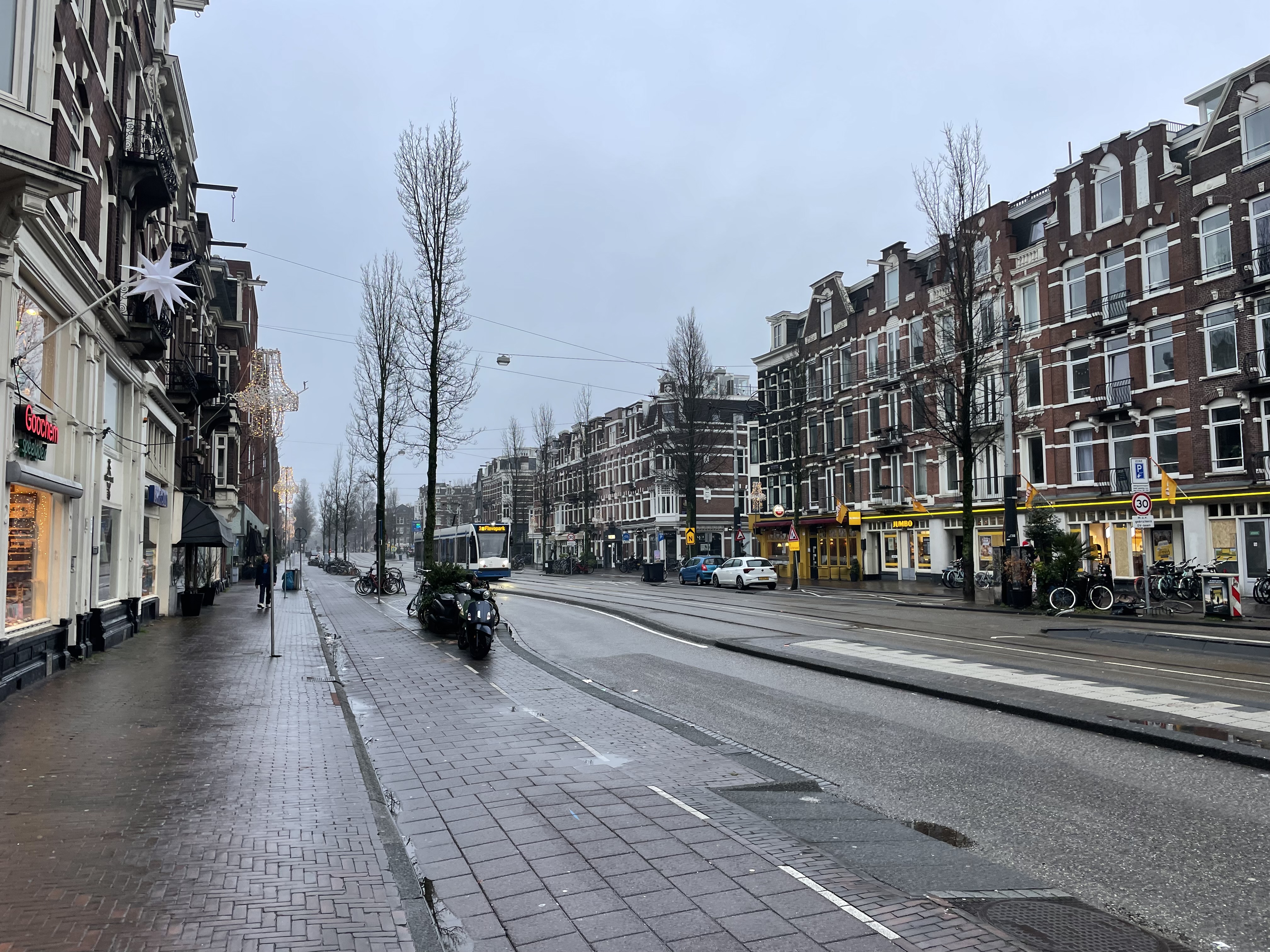
Amsterdam also has canals, 165 of them to be exact. I figured it would be more like Venice, California where the canals are a small afterthought but no they are everywhere. The canals were built in the 17th century. The main canals (which form a UNESCO World Heritage Site) form a semicircle through the historic core of the city. Since it was the winter, there were few boats on the canals save for the tourist cruises, but I am sure the waterways are busy in the summer.
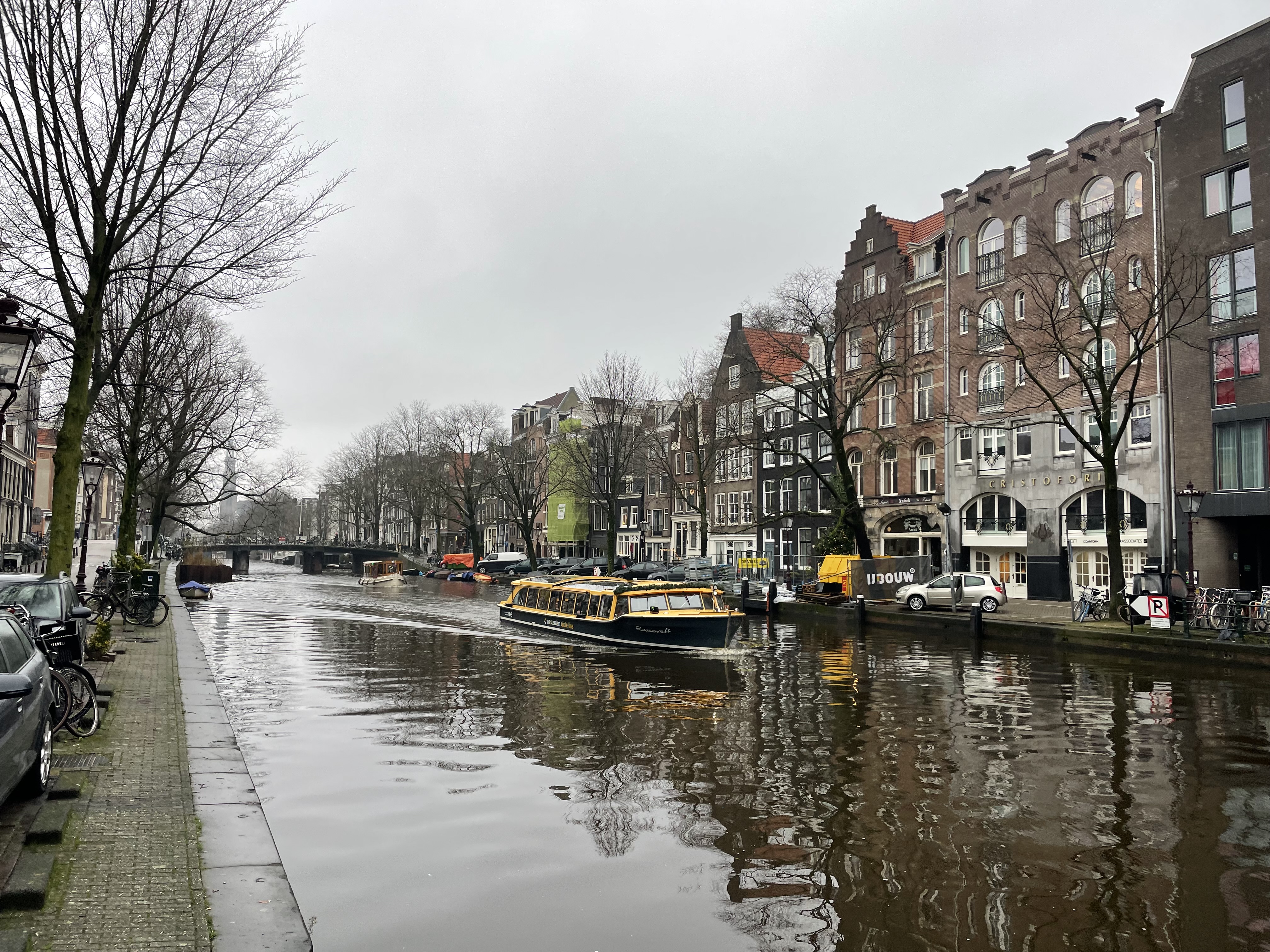
Speaking of the weather, it was slightly above freezing with cloudy skies.
After spotting a line outside a famous Dutch-style fry shop, I decided to queue and try some. The fries were topped with a mayo-like sauce and parmesan.

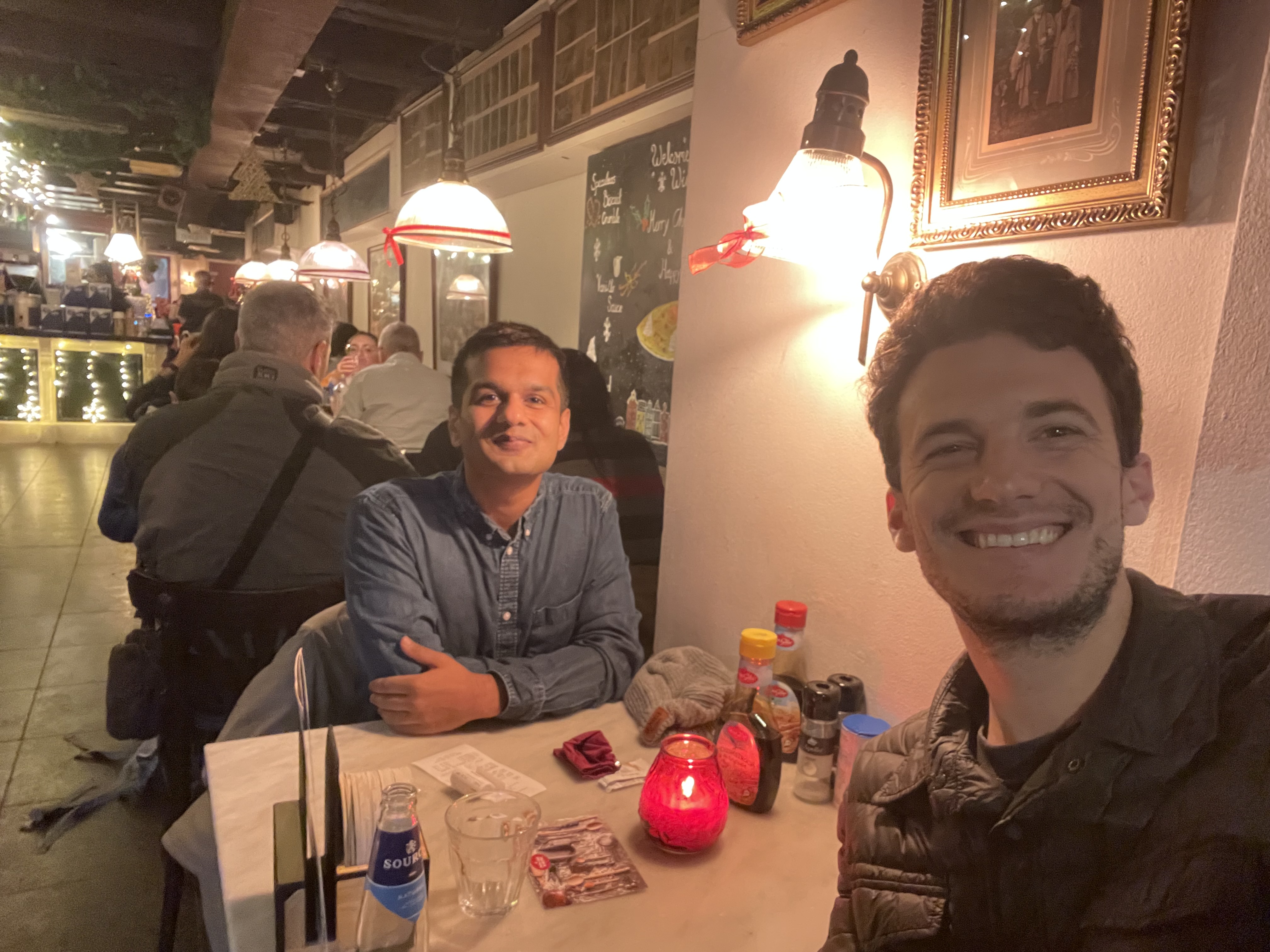
I then met up with my business school friend Adarsh. Adarsh was living in the Amsterdam for six months as part of a rotational program with a large pharma company. We ate Dutch pancakes, which are thinner than American pancakes and often stuffed with toppings such as apples.
Afterwards, I headed to one of Amsterdam’s most famous attractions, the Anne Frank House. This is where Anne Frank, her family, and four others hid from the Nazis during World War II. The tickets are very hard to obtain – I had to reserve my timeslot more than a month in advance and even then only a couple slots were available.

After entering the complex, which was originally the workplace of Anne’s father Otto, I went through a series of rooms where I learned about Amsterdam during war and the persecutory laws governing Jews who at the time made up 10% of the city. Eventually, we walked behind the original bookshelf door to reach the Secret Annex. The 450 square foot (42 square meter) apartment had two rooms plus a bathroom. The Secret Annex was left untouched from 1944, and the audio tour was suspended. While the rooms are barren, there are still signs that the Frank family used to live here: the pencil lines showing the height of Anne and her sister Margot and magazine clippings of Dutch and German celebrities.
The family lived in the Secret Annex for 761 days (about 2 years) until they were raided and captured by the Nazis on August 4, 1944. Apart from Otto, everybody died in concentration camps. Otto would go on to publish Anne’s personal diary in 1947. The Diary of A Young Girl is one of the most popular books every published.
A block from the Anne Frank House was the Pulitzer Hotel where my childhood friend Ben and his girlfriend Lauren happened to be staying. We caught up in their room before getting the concierge to book us a dinner reservation. Reservations are needed for most good restaurants, but the task was made more difficult due to nearly everywhere being closed for Christmas. They also had a spectacular hotel bar.
Before heading to dinner, I stopped to visit my business school friend Phillip. Phillip is Dutch and moved back to the Netherlands after business school. He also has a super cute 1.5-year-old red headed son with his longterm partner Julia. I really enjoyed catching up and meeting his family.

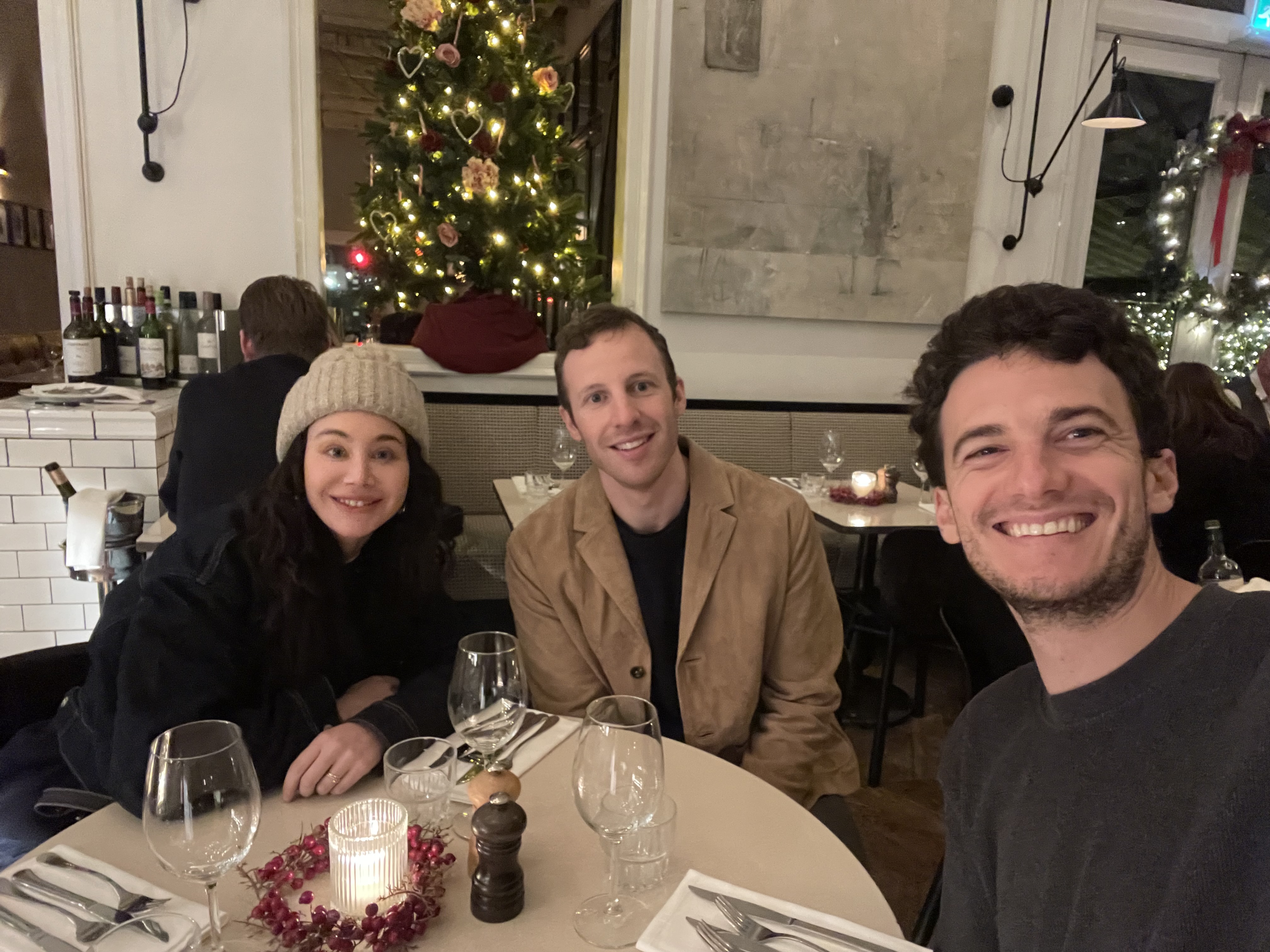
Finally, it was time for dinner. Ben, Lauren and I went to another small hotel a 10-minute walk away in the Jordaan district. The food was delicious, and our waitress was a blonde girl who must have been 6’5” plus she wore heels.
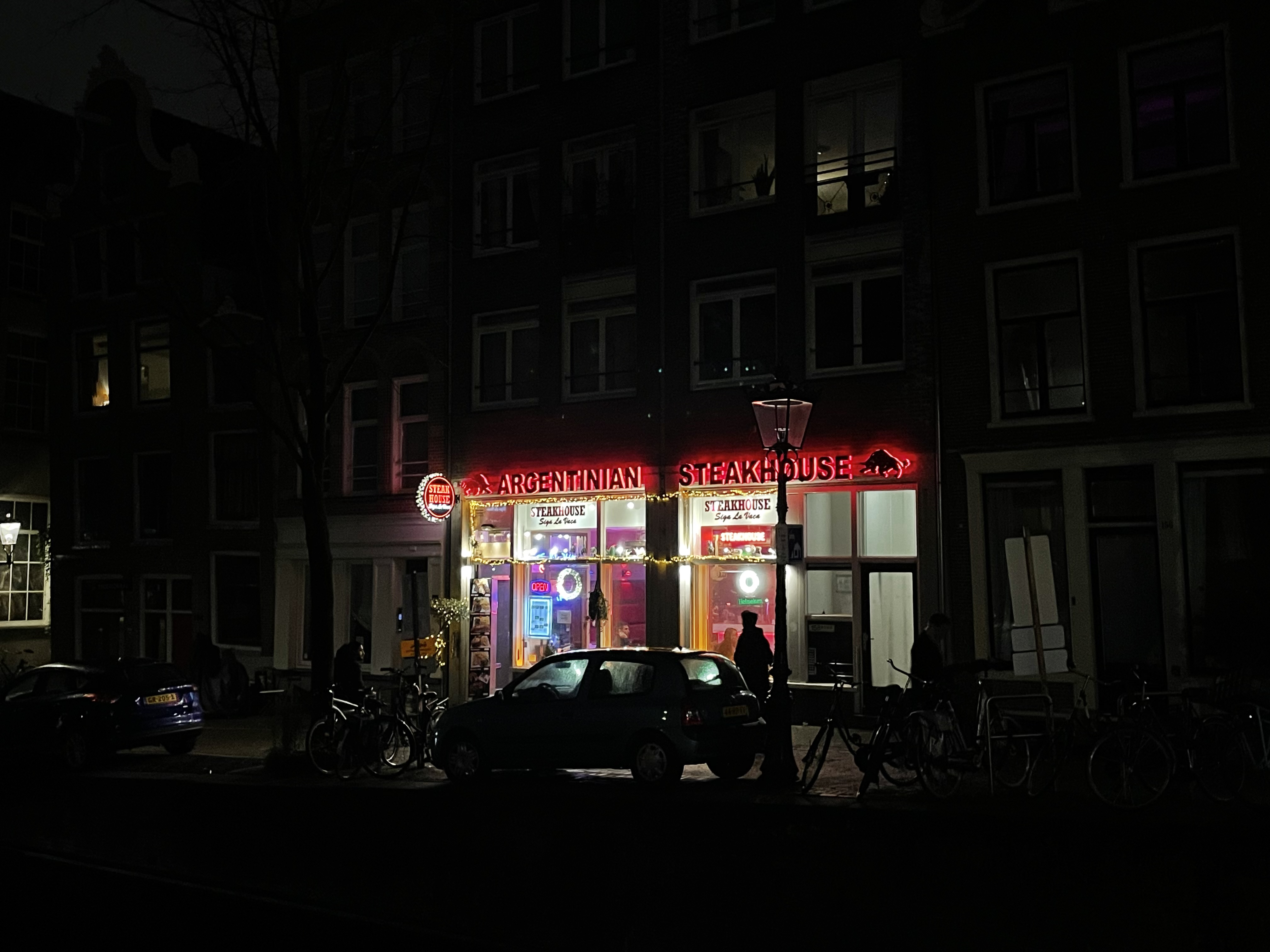
After dinner, we strolled around the city center. For some reason there are dozens of cheap Argentinian steakhouses. Yes, the Netherlands is multicultural and yes, their Queen is Argentine, but that still doesn’t account for the sheer number of them. I later learned that they are mostly owned by Egyptians and are rumored to be used for money laundering.
December 26, 2024: Christmas Part 2
In the Netherlands, Christmas is a 2-day holiday. While nearly everything was closed on the 25th, a few more things opened on the 26th.
Ben, Lauren, and I planned to use this day to visit the Museum District. Our first stop was the Van Gogh Museum, the most visited museum in the Netherlands. The Van Gogh Museum was founded by Vincent Van Gogh’s nephew Vincent Wilhem Van Gogh who inherited a private collection of his uncle’s paintings. The museum is now run by a state-sponsored foundation.
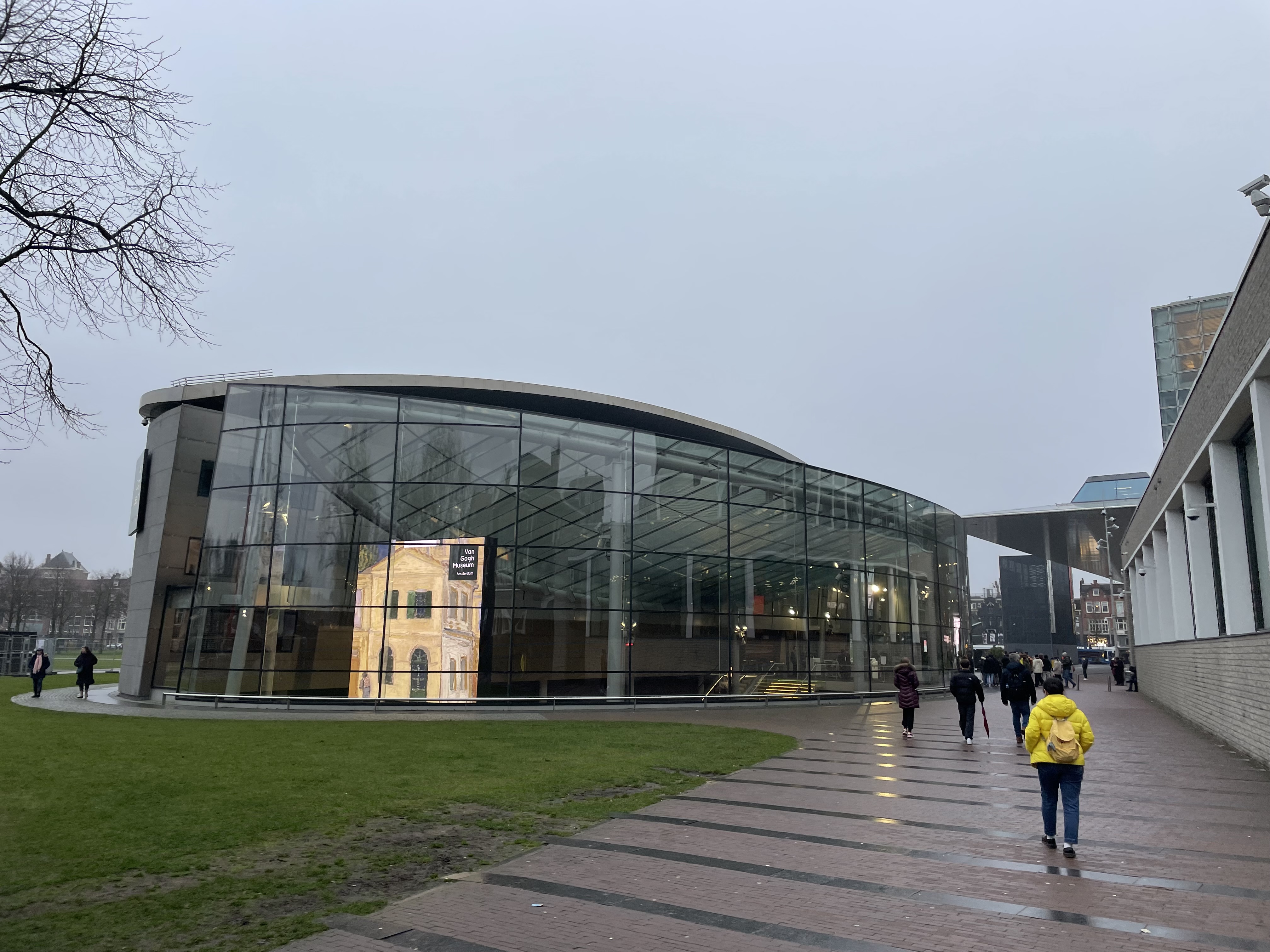
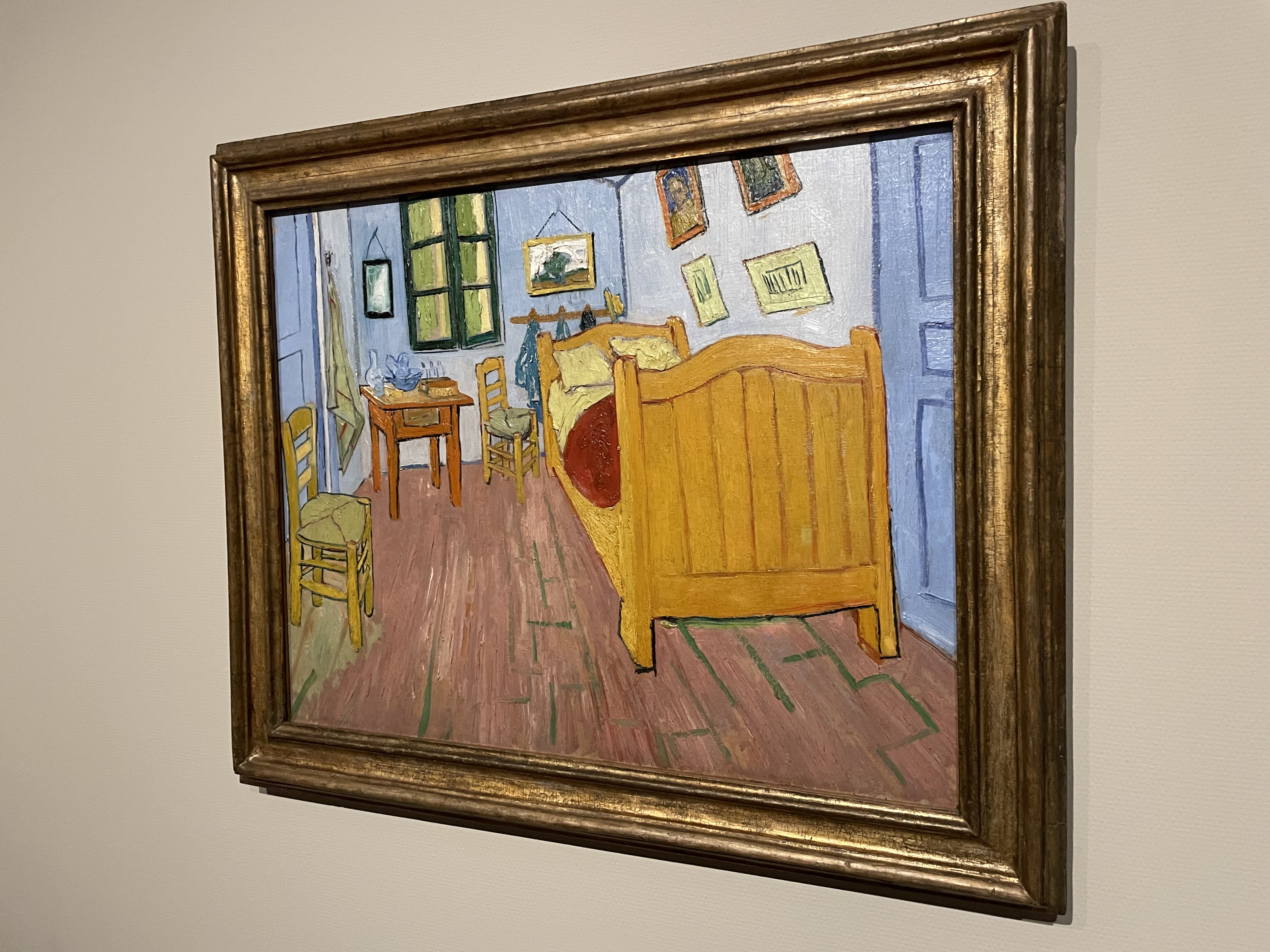
The museum contains just over ¼ of all Van Gogh’s artistic works including paintings and drawings plus many letters. This includes a many notable pieces such as The Potato Eaters, Bedroom In Arles, and Irises. The collection is truly unmatched. I was also shocked to learn that Van Gogh is pronounced more like “Van Gahh” and not “Van Go”.
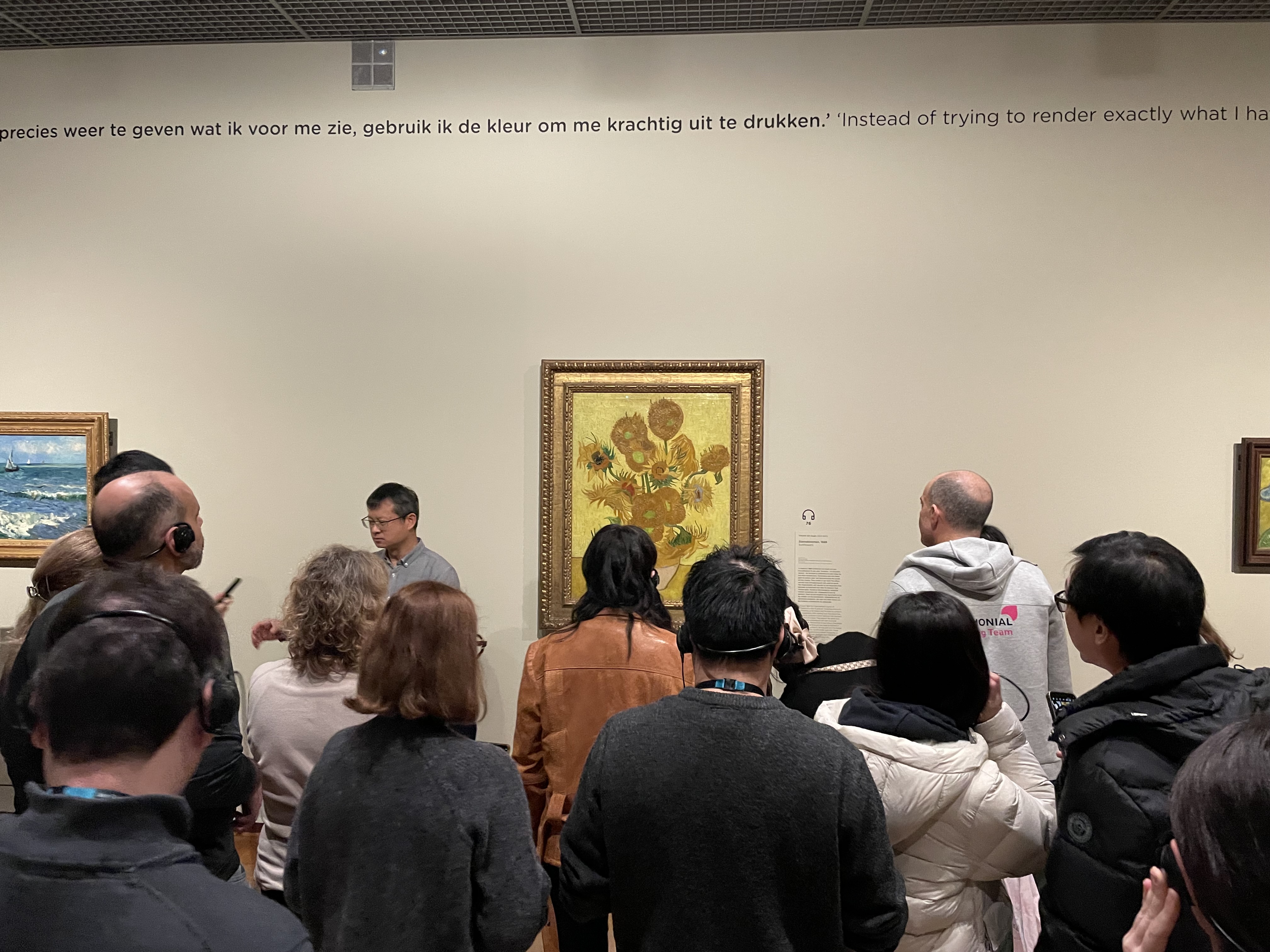
The museum’s collection is unmatched and is well-presented, but it is too popular to enjoy the art. Reservations must be made weeks in advance and once inside, most paintings have a crowd around them. I’m happy that so many people enjoy Van Gogh’s art – especially since he was not popular when he was alive – but something has to give here. My suggestion is to extend the hours until 21:00 or 23:00 and slightly decrease the capacity.
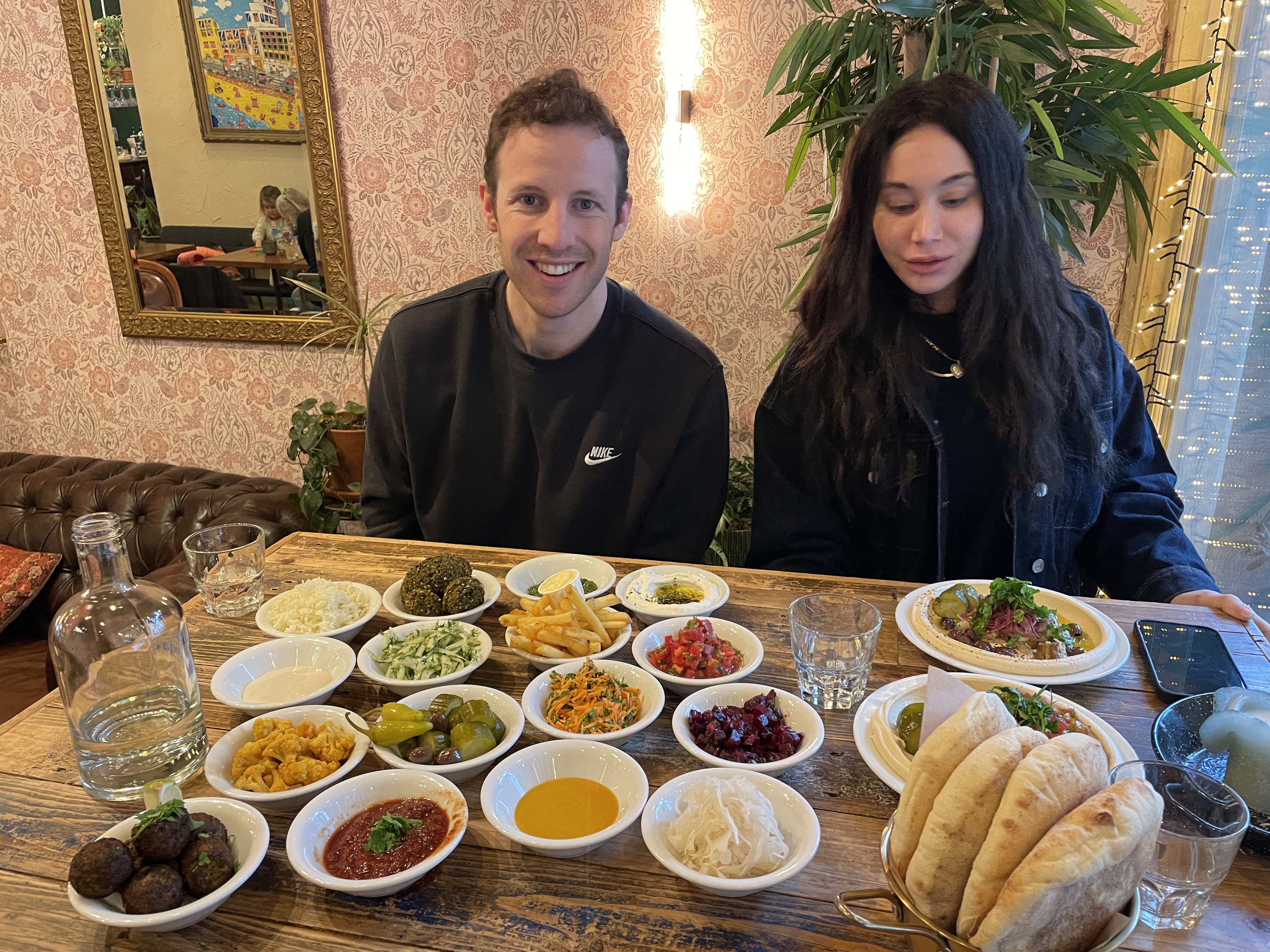
For lunch, we ate at an Israeli restaurant called Esh – Jews don’t celebrate Christmas. Based on their recommendation, we order “The Esh Experience” which is essentially a 20-dish mezze. It was an absurd amount of food but was delicious. I would rank this as one of my favorite Levantine meals ever.
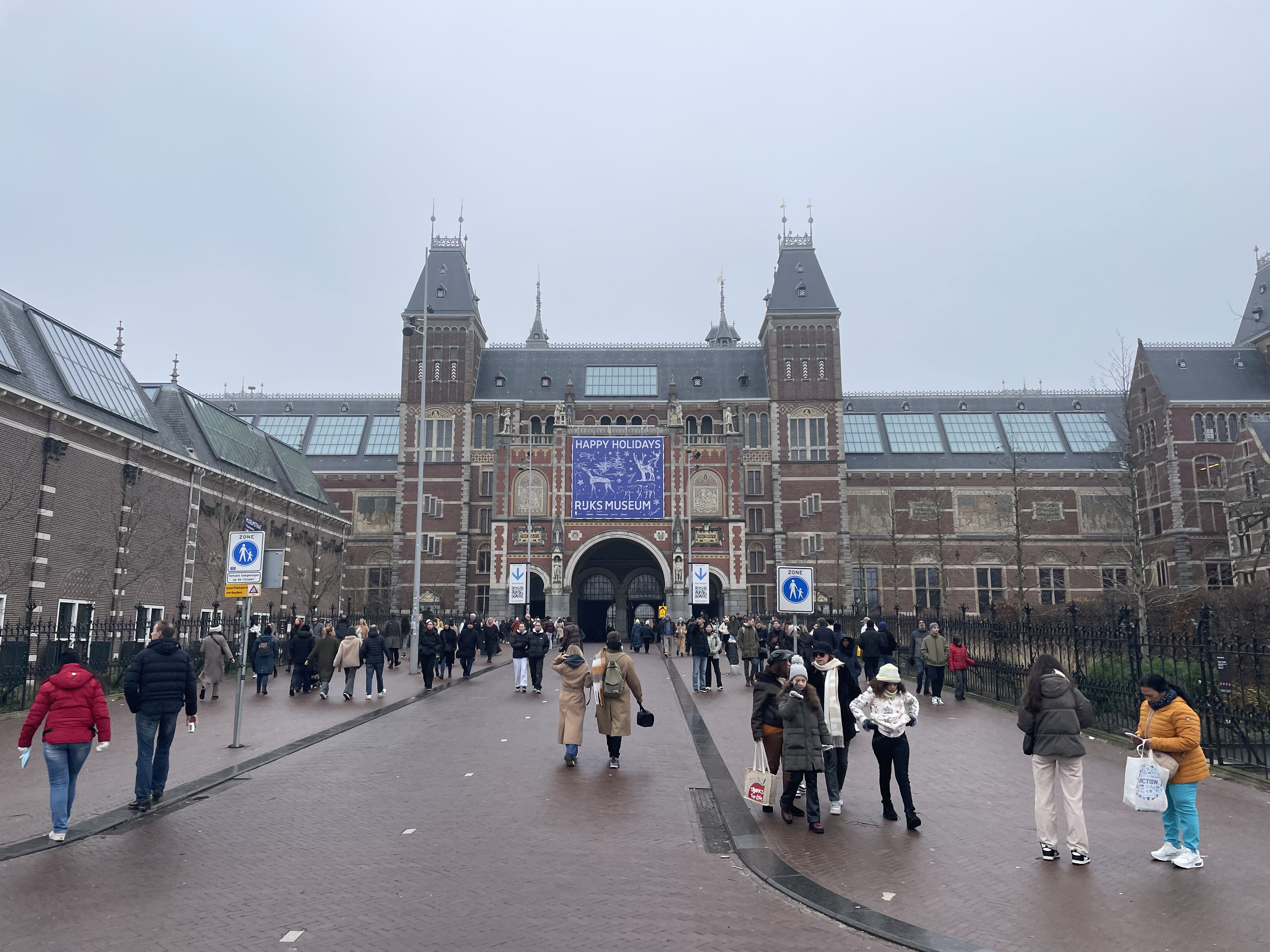
Next, we visited the Rijksmuseum, the country’s largest and most important art museum. The Rijksmuseum is essentially the Dutch Louvre. The museum first opened in 1798 but the current building dates to 1885. It looks like a palace.
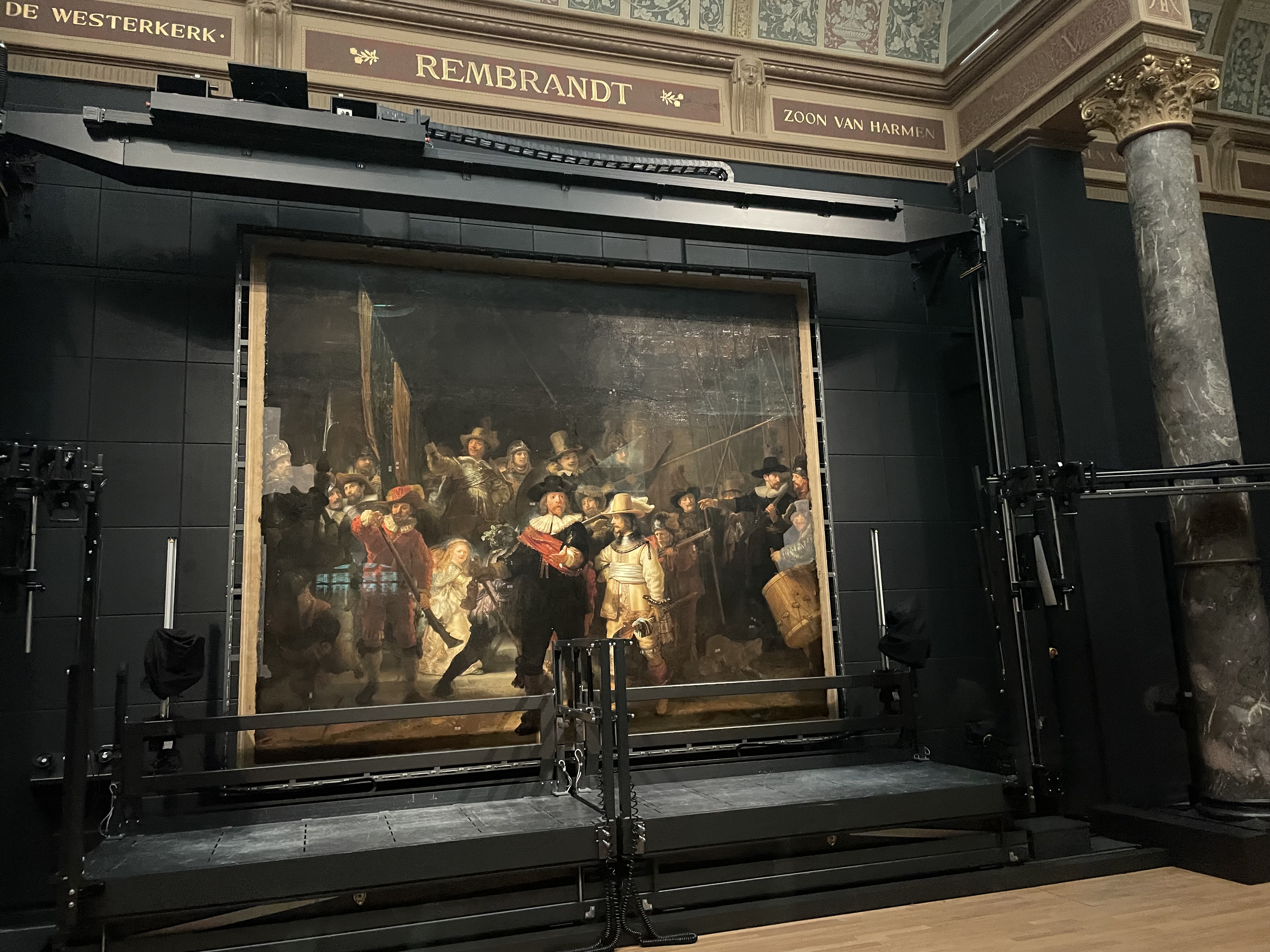
99% of the art displayed in the Rijksmuseum is Dutch. Every Dutch master is there: Rembrandt, Vermeer, Hals. For some reason, they also have a small hall of Asian art.
The museum’s most important pieces are displayed in a large central hall on the top floor. Rembrandt’s The Night Watch sits in the position of honor at the end. Speaking of The Night Watch, it is currently undergoing a renovation – giving the public a unique chance to see how an iconic painting can be refurbished.
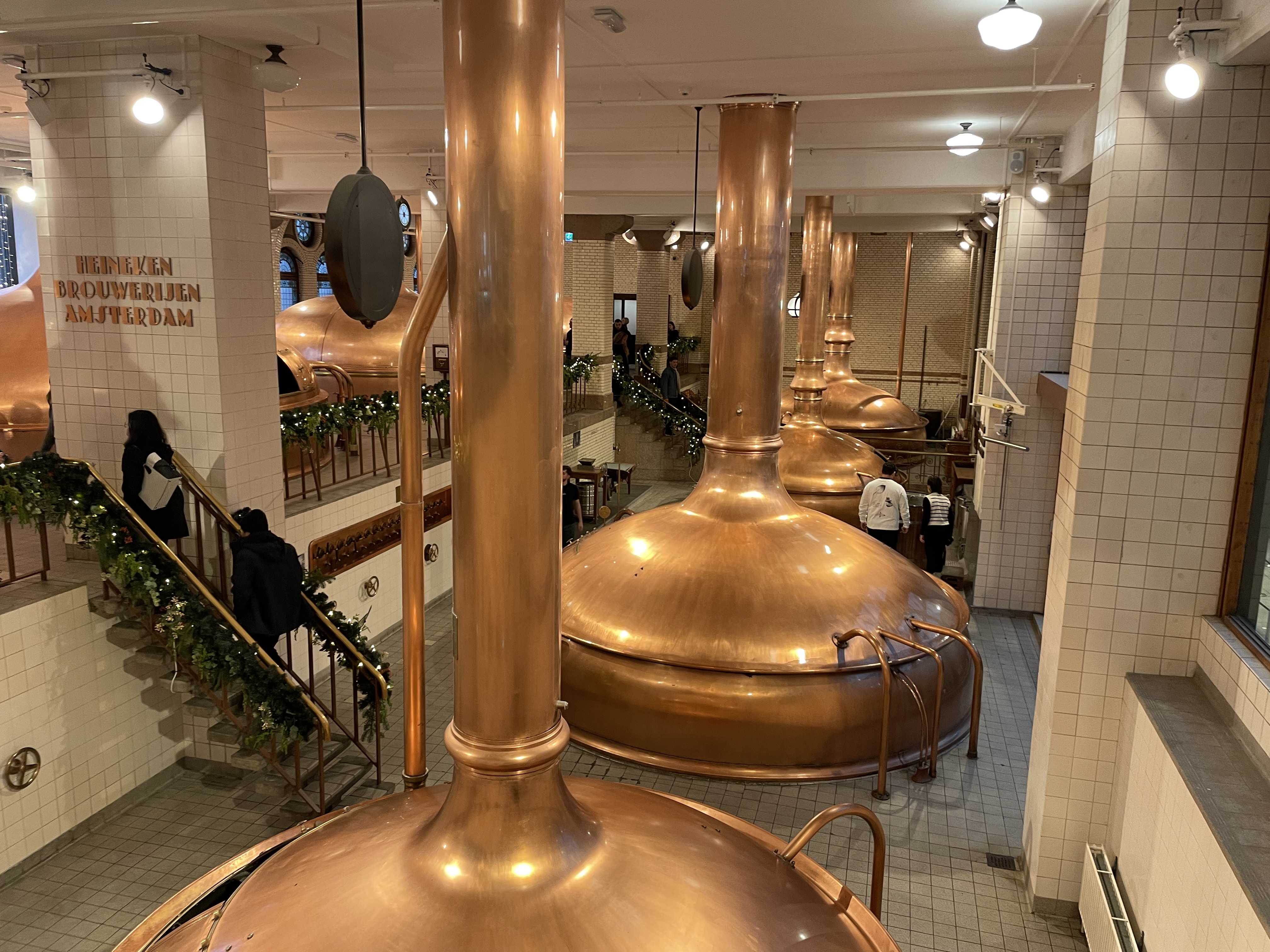
Ben, Lauren and I spent 2 hours wandering the museum at which point we were overloaded on art. They went home but I continued to the Heineken Brewery. Well, the former Heineken brewery – they moved to a newer facility in 1988. The old brewery is now called the Heineken Experience and offers tours.
The Experience starts with an overview of the brewing process. Then you get to see the old brewing tanks. Next, there is info on the Heineken family and corporate history. All these are things you would cover on a normal brewery tour.
Then things took a turn: the next part of the tour was an experimental area where you are a Heineken beer going through the brewing process. They used video boards and a shaking platform to visualize being brewed, moving through the assembly line and being poured into a bottle.
After that, we were given a beer to drink. The staff member gave all these ridiculous descriptions of Heineken including fruity. After a few more activation areas about their sponsorship of Formula One and various football clubs, it was time to drink 2 more Heinekens (they also were pouring their nonalcoholic version as well as Silver which is a lower-alcohol version). I can’t say Heineken is my favorite beer and this definitely wasn’t my favorite tour, but it is a major Amsterdam attraction and was open on December 26th. At €25 for entry, it’s pricey for what you get.

We got Indian food for dinner (again not many options open) and then headed into the infamous Red Light District (an area with legal prostitution). Amsterdam actually has three red light districts, but the most famous is De Wallen. De Wallen occupies the oldest part of the city and includes the canals and alleyways around the main church! The boundaries of De Wallen are very well defined. Just meters away from the action are normal streets with normal businesses and normal apartments. I was told that Dutch people are largely desensitized to the district windows and think of the it as a normal part of city life.
Prostitutes are visible from the street in glass windows. Behind these windows are tiny rooms with beds that girls rent by the day. If a man (could theoretically be anyone with its always men) is interested, he will walk up to the window and negotiate. If they agree on terms, he will be allowed in, the curtain will close, and the business will be conducted. Rates apparently start at €50 for a 15-minute pump and go session but can go up depending on both the acts done and the amount of time. Most of the windows are lit with a red light (hence the name of the district) but some of the lights are blue indicating that the prostitute is transgender. The girls seem to come from everywhere, but majority appear to be either Eastern European or Latin American. Prostitution in the Netherlands is legal and regulated. They pay taxes, are part of a union and have plenty of police protection. Photography of the girls is illegal for their privacy – if you take a photo, the girls have panic buttons that summon police who will hunt you down. Photographs of the district from a distance are legal.
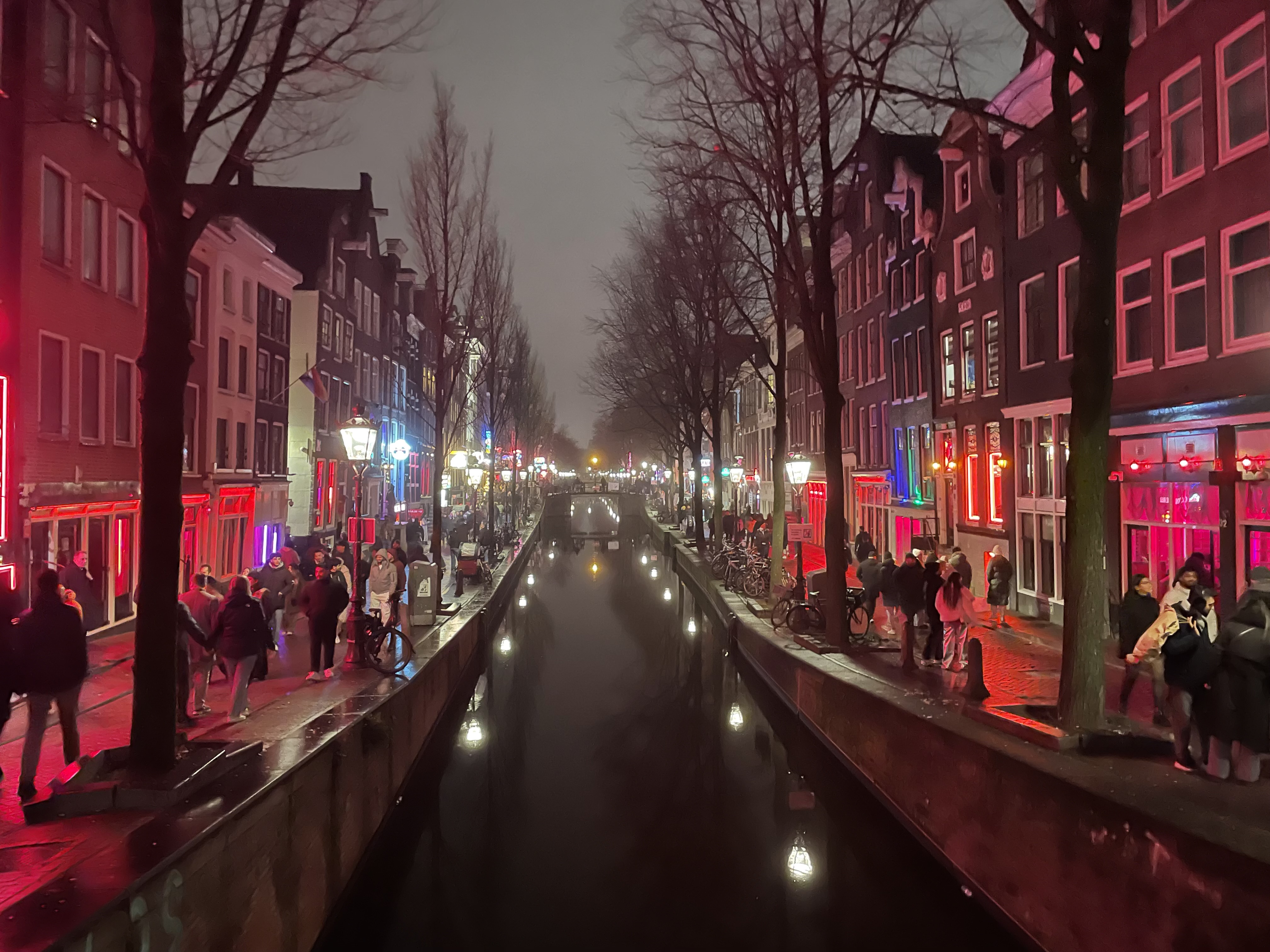
Being in the center of the city, the Red Light District is CROWDED. Not sure if it was because it was Christmas but most of the crowd was Middle Eastern men and East Asians men/couples (both non-Christian groups).
Besides windows, there are other attractions in De Wallen. This includes bars, peep shows (where you can pay to get a glimpse of a girl through a booth) and sex theaters where you can watch live sex. Based on the recommendations of friends, we went to the erotic theater, Casa Rosso. It cost €65 for entry which is funnily enough more than the price to be with a window girl. Inside was a theater with capacity for about 150 people and somehow we got seats in the very front row. The crowd was a diverse group of tourists from all over the world – we sat next to a coed middle aged group of six from India. I won’t go into too much detail, but we saw four female solo acts and two couples acts over the course of an hour. Between each act, the Indian man seated to my left shook my hand. Definitely an experience I will never forget.
December 27, 2024: Jodenbuurt
Today was my final day in Amsterdam. Having seen the center, west and south parts of the city center, it was time to go east. The area just east of the center is known as the Jodenbuurt, the Jewish Quarter. Before World War II, most of the city’s Jews lived.
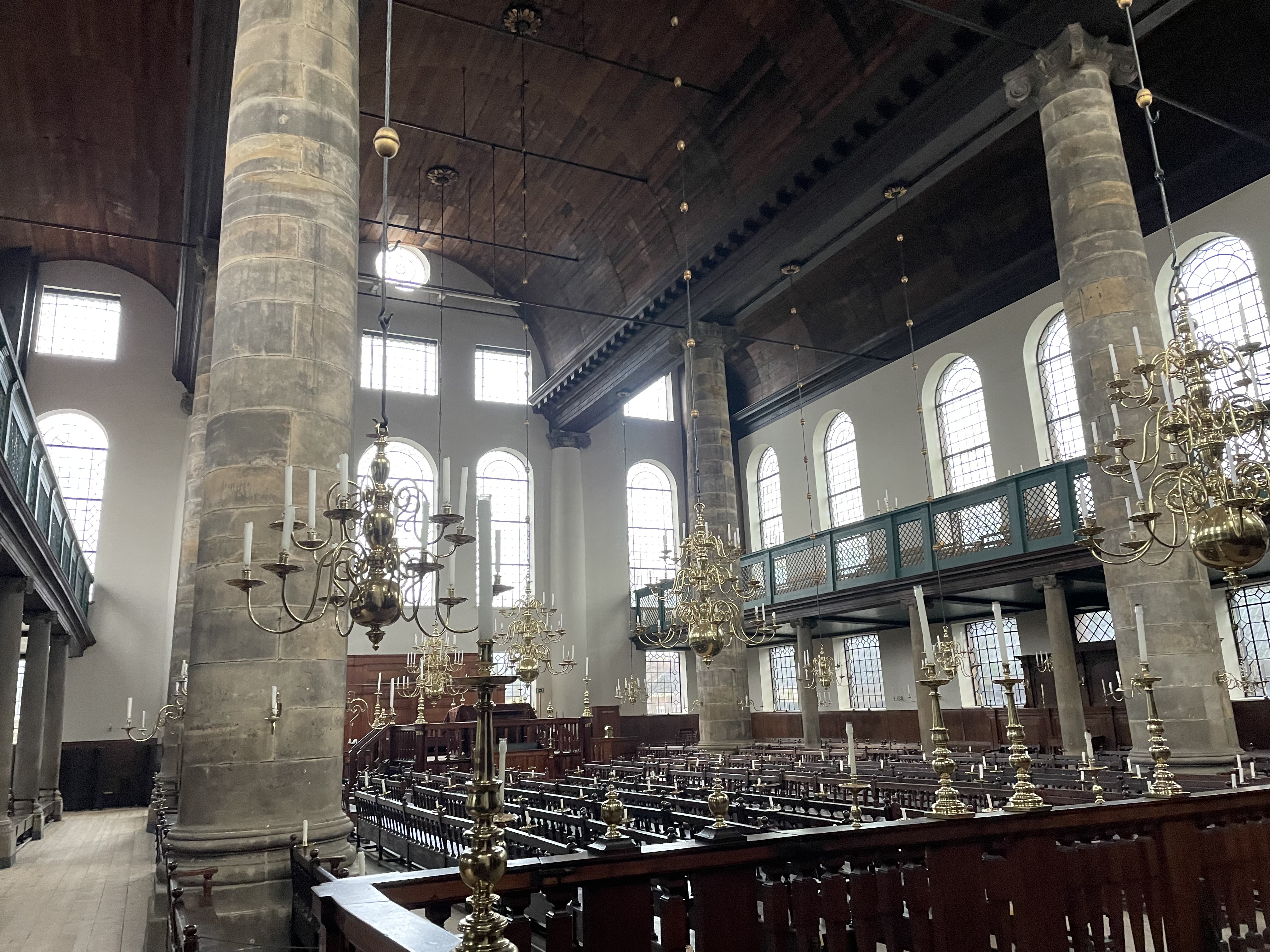
There are two main Jewish attractions here: the Portuguese Synagogue and the Jewish Museum. Both are are accessible on the same expensive (€25) ticket.
I started with the Portuguese Synagogue which housed the Sephardic population. Sephardic Jews have traditions originating in Iberia, North Africa and the Middle East. Sephardim came to Amsterdam after their expulsion from Portugal in 1493 (which followed their expulsion from Spain in 1492). In the Netherlands, they were able to establish themselves and become successful, integrated members of society. Many Sephardic Dutch Jews became traders and established the first Jewish communities in the Americas including Suriname, Recife (Brazil), Curacao, and New Amsterdam which would eventually be called New York City.
The synagogue, built in 1675, was once the largest synagogue in the world. The interior is made of wood including the floor. There is no heat, rather hundreds of candles are simultaneously lit at night which apparently creates a magical environment. Despite being such an obvious symbol of Judaism, the synagogue somehow survived World War II untouched. There is still a Sephardic community in Amsterdam, and they continue to use the synagogue.
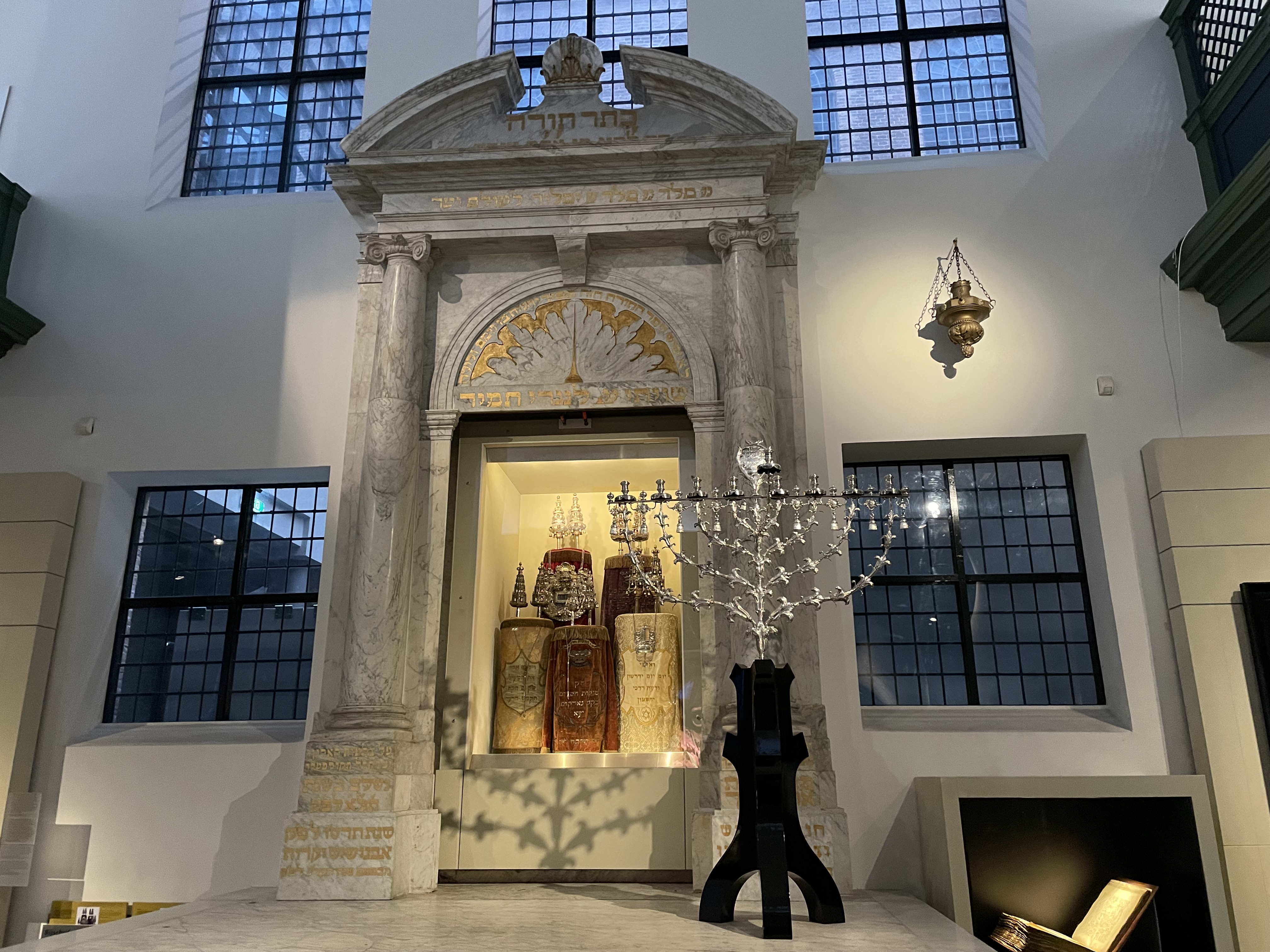
The synagogue also has an impressive collection of Judaica known as the “treasury” in a separate building on the complex.
Across the street is the Jewish Museum, which contains the former Great Synagogue of Amsterdam. This was the home of the Ashkenazi Jews who have traditions originating from Europe. Ashkenazim came to the Netherlands from Central and Eastern Europe in the late 1600’s. The Great Synagogue is now fully a museum on Jewish history in the Netherlands from the 1400’s up until today. Their sections on the Dutch Golden Age are especially interesting, but the Holocaust and onward section seems a bit lacking.
They also had a special exhibit on Sex and Judaism which touched on a wide variety of subjects such as how often one is supposed to have sex, queer identity in Judaism, and some funny anecdotes.
After these museums, I met up with my business school friend Emilie. Before going to business school, she founded and ran a company called Mystery City Games which runs 2-hour scavenger hunts around Amsterdam.
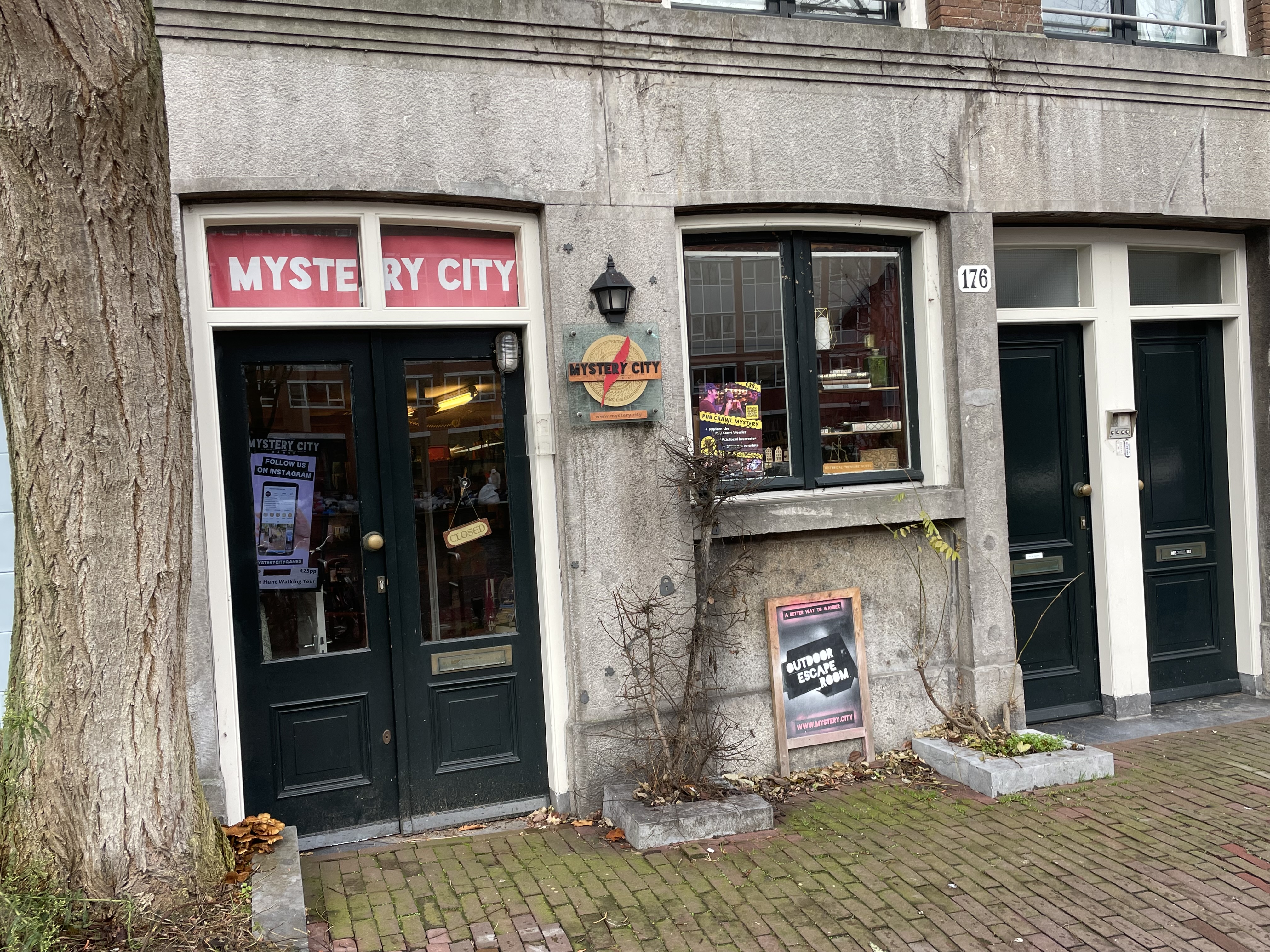
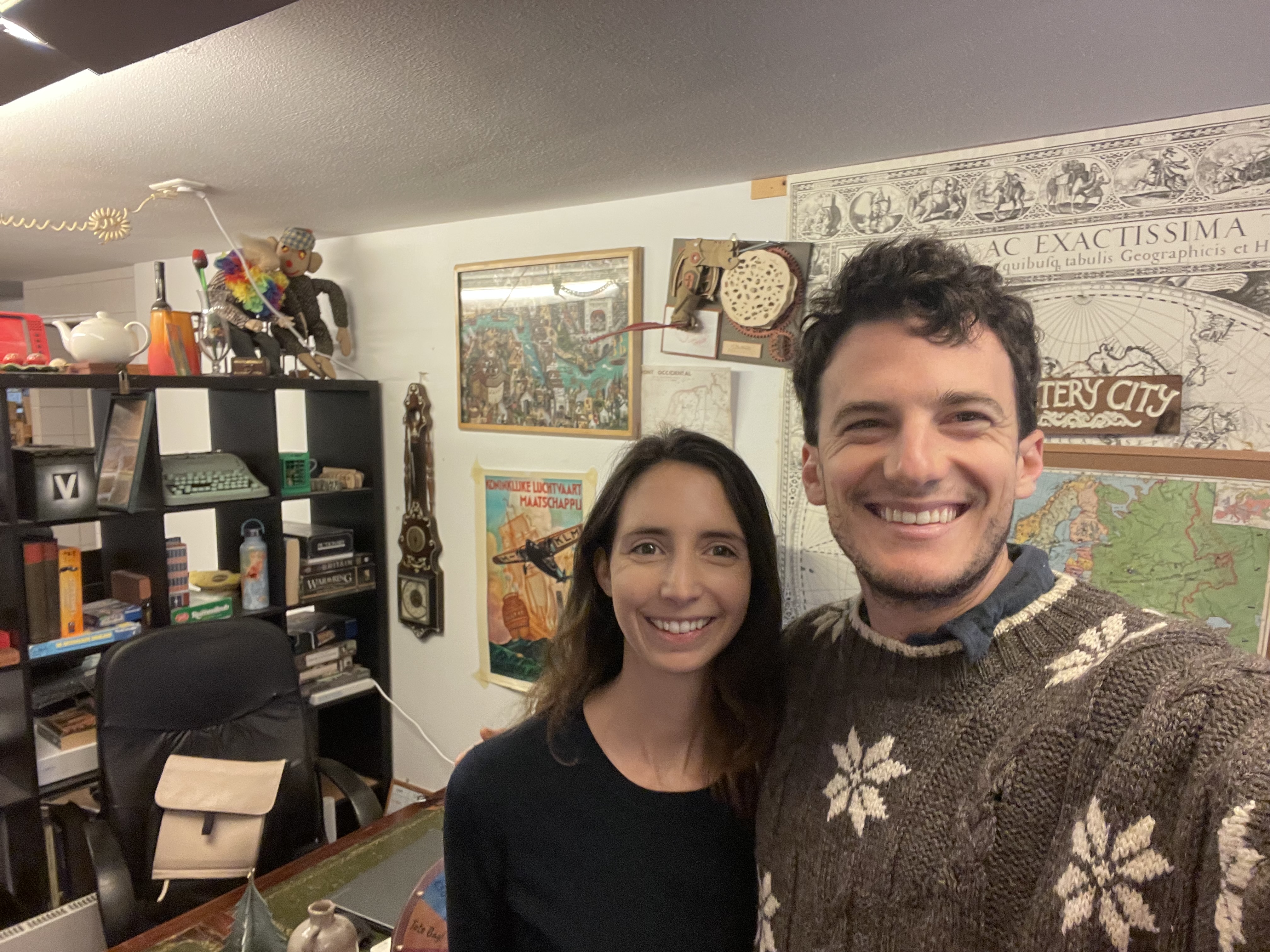
Today the business operates in 10 European cities. I really enjoyed visiting her office and seeing how the games work. I would have loved to play a game, but they are best played as a group, and I was rolling solo today. Next time!
For the remainder of the day, Emilie recommended I visit the World War II Resistance Museum which was also nearby. The museum beautifully tells the story of the Netherlands during World War II and the actions taken to combat the Nazis. Germany took over the Netherlands in just 5 days which included bombing Rotterdam to the ground. They then implemented increasingly draconian policies against the country’s large Jewish population. These policies ultimately resulted in the deportation and murder of 70% of the country’s Jews. While most Dutch people supported or tolerated the Nazis’ efforts, a large percentage of the country actively resisted their motives. The Resistance hid Jewish families like the Franks, sabotaged Nazi infrastructure, broadcasted war updates and coordinated with the Dutch government in exile. The stories of those that fought are inspiring. This was my favorite museum in Amsterdam.
Another interesting tidbit covered by the museum was the fate of the Dutch colonies during the war. Indonesia was captured by the Japanese while Suriname and the Caribbean islands were occupied by the US on behalf of the Dutch government in exile.
For my final dinner, I met up with another MBA friend Gabe. Gabe is American but moved to Amsterdam after business school. Gabe has done more exploring of Amsterdam than anybody I know- he has an incredible google map of all the places he has been. After dinner, we went to a bar and then walked back to Bruno and Maren’s apartment.
I then went to bed to rest up for the next part of my trip in Rotterdam!
Final Thoughts:
Amsterdam is one of the most visited cities on earth for good reason. It is beautiful, the cityscape is unique, there is a lot to see, and the Dutch are a very tolerant people.
Like most big cities, you need multiple days to see it. I had three days and wouldn’t change anything about my itinerary, but I really wish I had a fourth day to see the Nord area as well as the Maritime Museum.
Dutch food is not the best – Dutch people will be the first to tell you. However, there are many excellent snack stalls and restaurants of many cuisines to try. Just skip the Argentine steakhouse.
While visiting during Christmas had its downsides – closed restaurants and attractions – there was still enough open to fill the day.
One thing I really appreciated about the Dutch people is that they are super direct. If you ask someone a question, they will tell you exactly how they feel without emotion. This works in your favor when asking for recommendations as a tourist or when asking for feedback at work but apparently makes it extremely difficult to make friends or date.
Amsterdam is also a center of the incredible Dutch rail system. You can take day trips to anywhere in the country from Amsterdam. Most of the main tourist cities are less than an hour away. In fact, you could probably have a 2-week trip only sleeping in Amsterdam because there are so many day trip options.
Because I have so many friends in Amsterdam, I will most certainly be back at some point in the future.
Leave a Reply