
Why Rotterdam:
I wanted to see more of the Netherlands than just Amsterdam. Rotterdam, the country’s second biggest city is an easy train ride from Amsterdam. Additionally, I had numerous friends in the city.
December 28, 2024: The Center
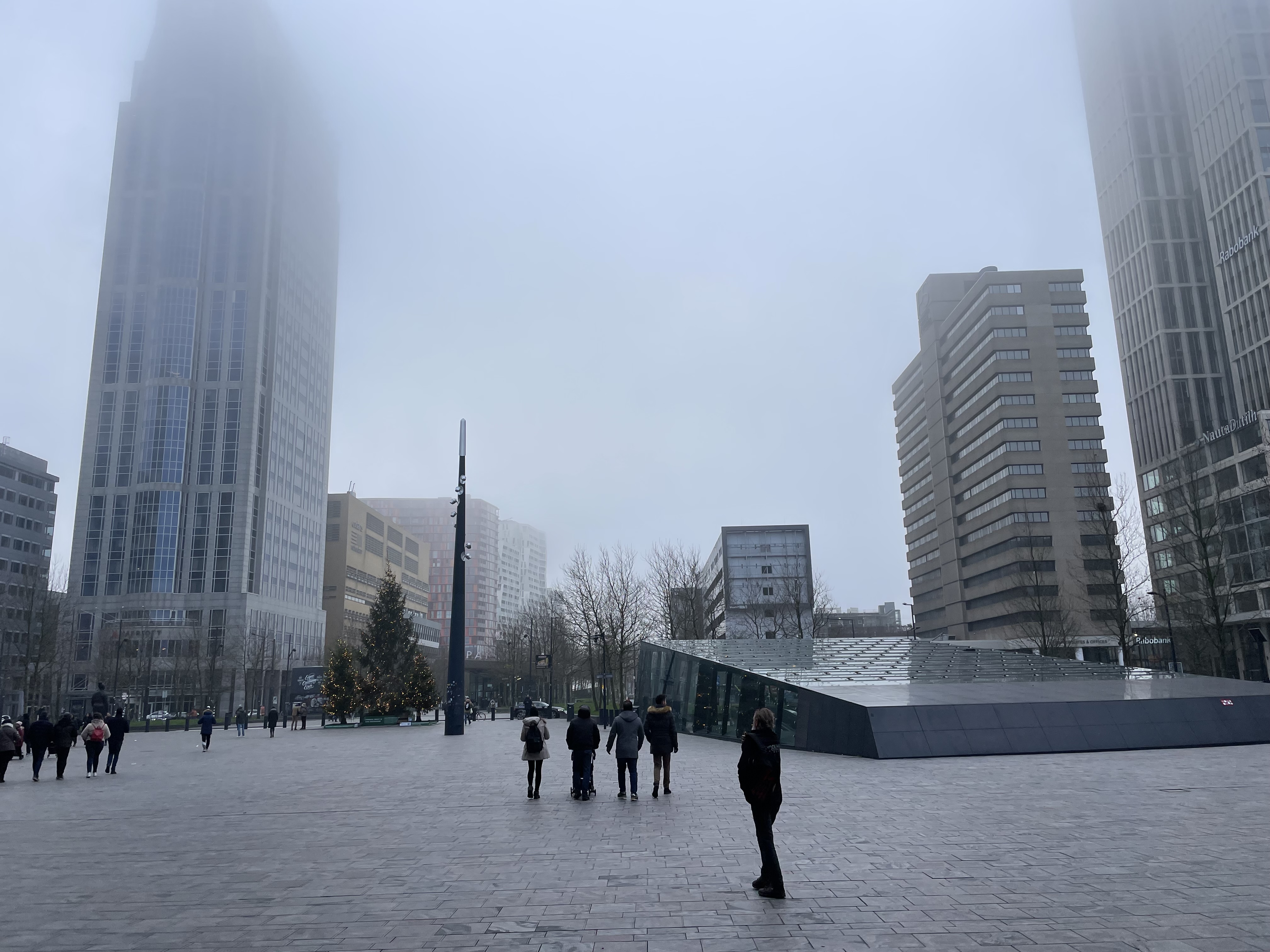
My train from Amsterdam-Zuid took 35 minutes to reach the center of Rotterdam. I have yet to see the sun in the Netherlands.
Immediately I knew that this city is different. Why is Rotterdam different you may ask? Well, at the start of World War II, Nazi Germany attacked the Netherlands for five days. As part of this campaign, the Luftwaffe bombed Rotterdam to the ground, destroying nearly the entire city. So, after the war, the Dutch rebuilt the city modern. Instead of canals and wooden 17th century houses, there are sleek steel edifices. It feels more like modern China than Europe.
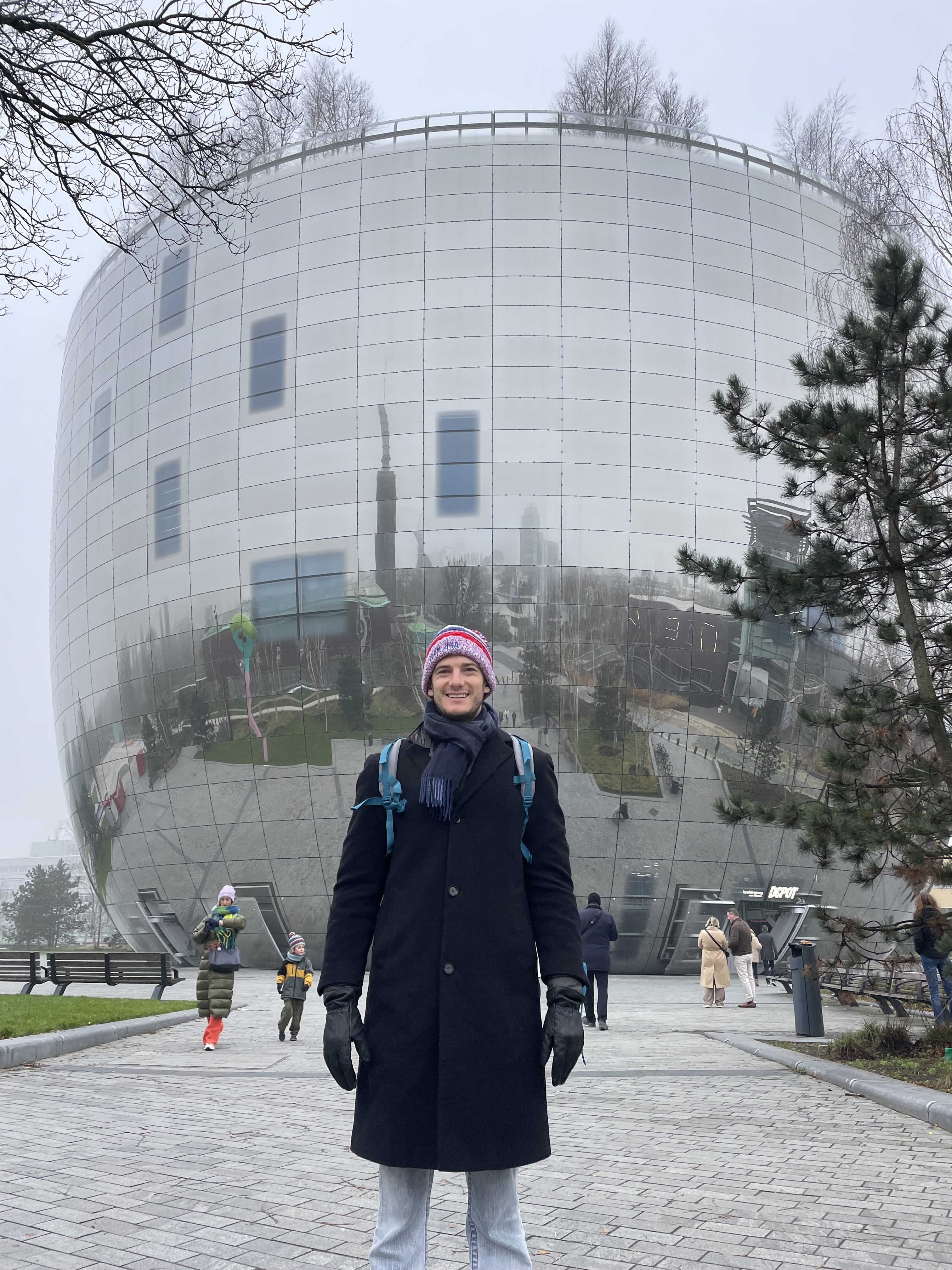
My first stop was the Boijmans Van Beuningen Depot, a storage facility for the city’s main art museum, the Boijmans Van Beuningen Museum. Why am I visiting the storage facility? Well, the museum has a collection of over 150,000 paintings and very few could be shown in the actual museum. Due to flooding and asbestos, the main museum has been closed since 2019 and will reponed in 2030 – yes, a 12-year closure. To allow the art to become accessible during this time, the museum created the world’s first publicly accessible art storage facility. The landmark depot opened in 2021.
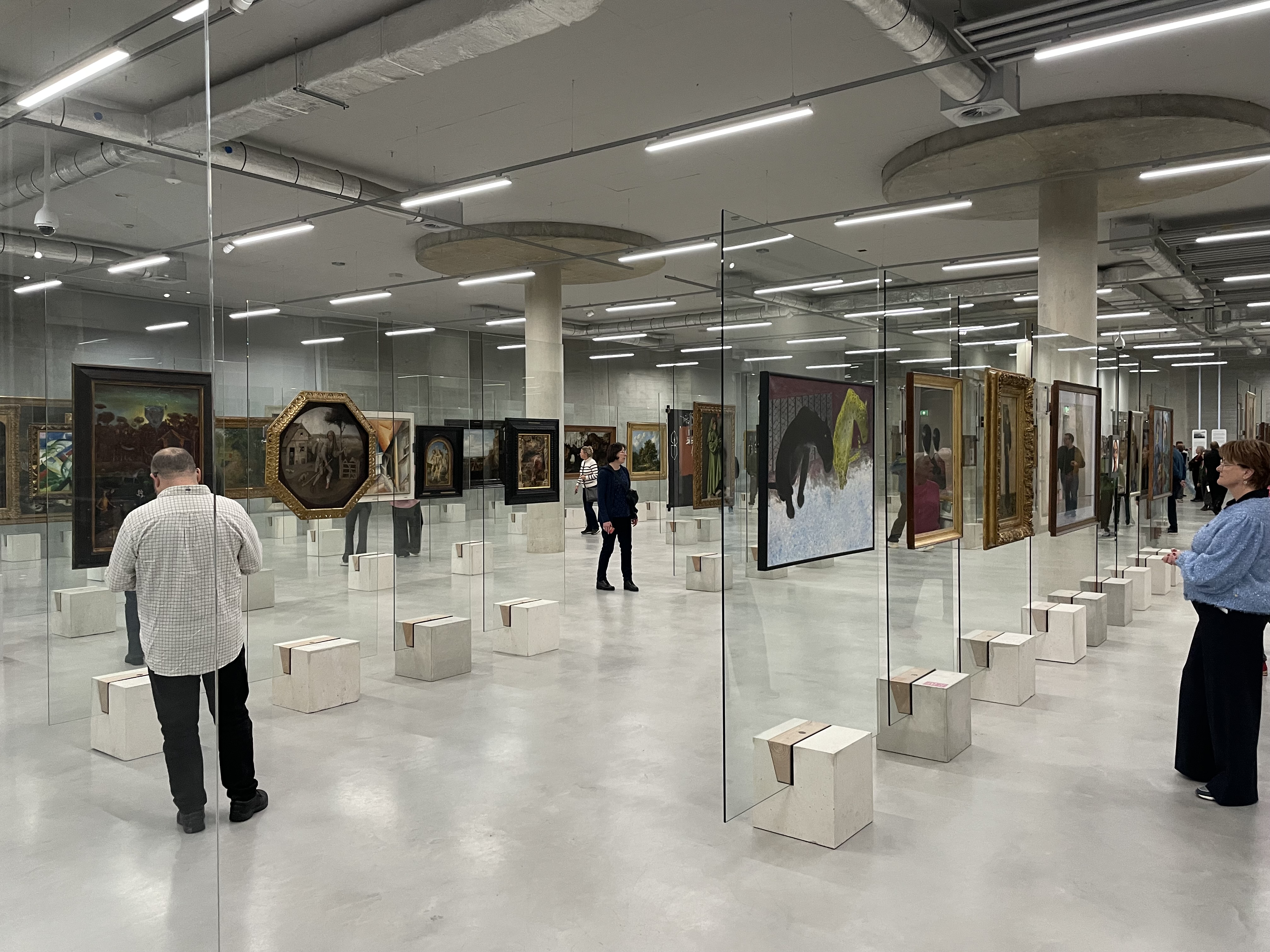
Although the depot has an incredible collection of famous paintings, the focus of the exhibits is on art preservation and restoration. On the top floor, they have 100 of the museum’s most famous pieces (as determined by an online fan poll) displayed on glass stands. You can see both the front and back of the paintings. The collection was insane: Rembrandt, Picasso, Miro, Hals, Bosch, Van Gogh, Monet, Dali, Reubens, they have it all.
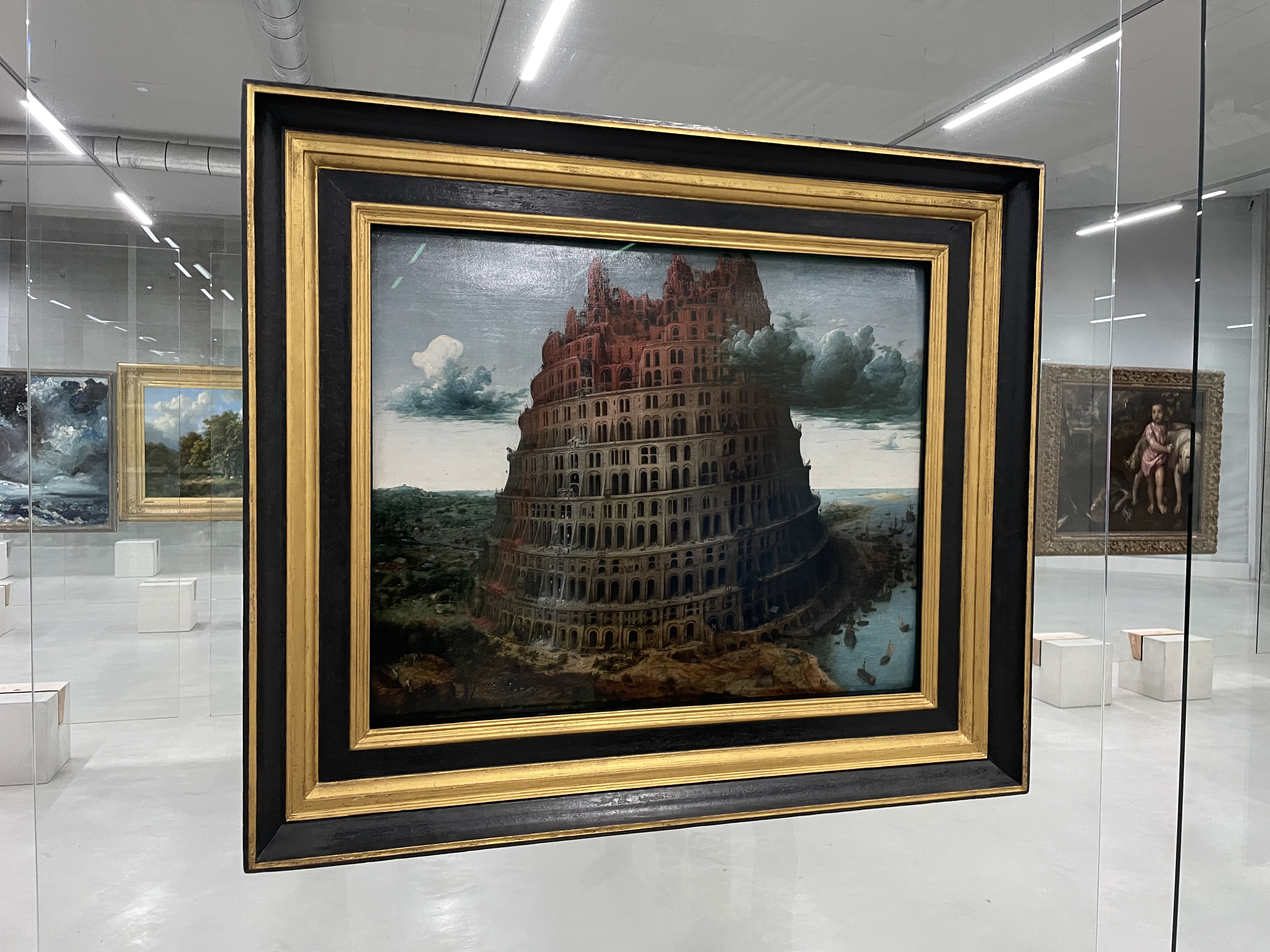
The most famous painting in the collection is most likely The “Little” Tower of Babel by Bruegel. I have never seen art in a settling like this.
Next, I walked into the center. Rotterdam is known for unusual architecture but chief among them is the Cube Houses. This yellow houses, built in 1972, are actually residences.
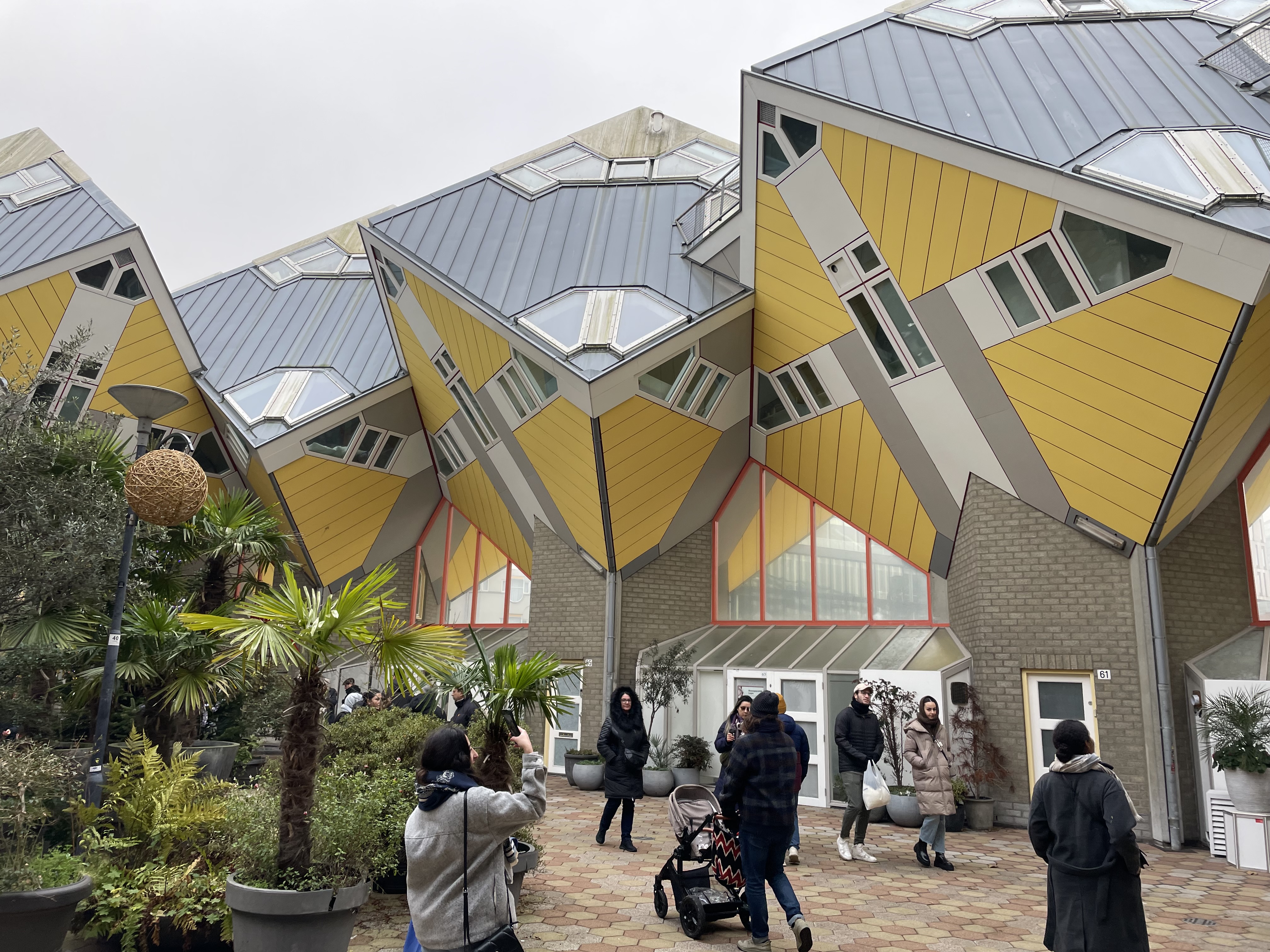
In total there are 40 cube houses. A few of them comprise a hostel. One of the cube houses is open to the public as a museum. After climbing up the stairs and around the house, I can say with certainty that it’s a terrible design. There are no walls to hang items, and the ceilings are too short for me (and likely most Dutch people since they are the tallest in the world). Cool but impractical.
A couple minutes from the Cube Houses is the Markthal, the first food hall in the Netherlands. The modern building opened in 2014 and is a real stunner. Above the food hall is 228 apartments (I have no idea how they fit). Outside there were street performers including a man trying to convert people to Islam and a Filipino choir. Compared to Amsterdam, Rotterdam felt considerably more racially diverse – probably due to being a port city.
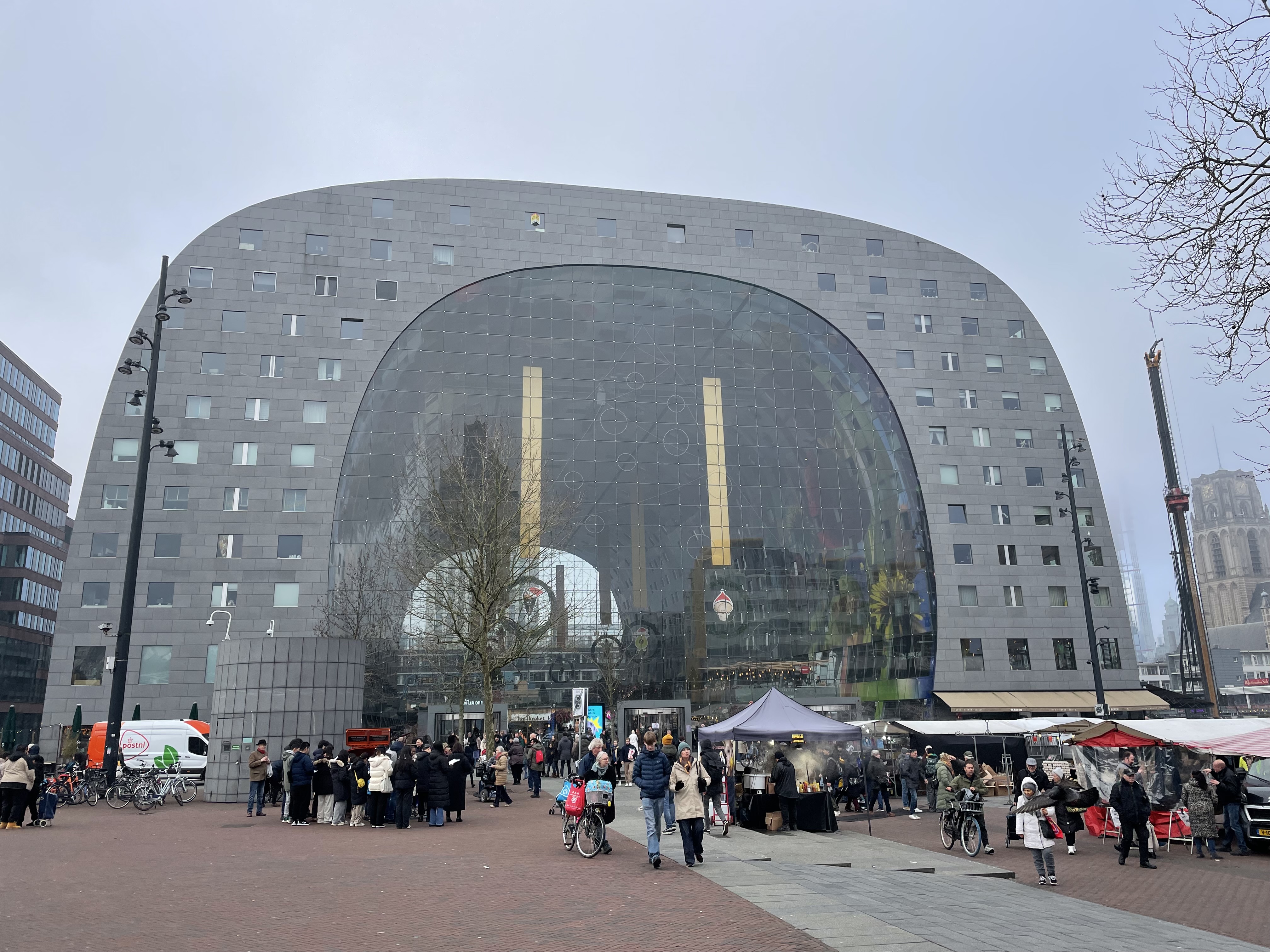
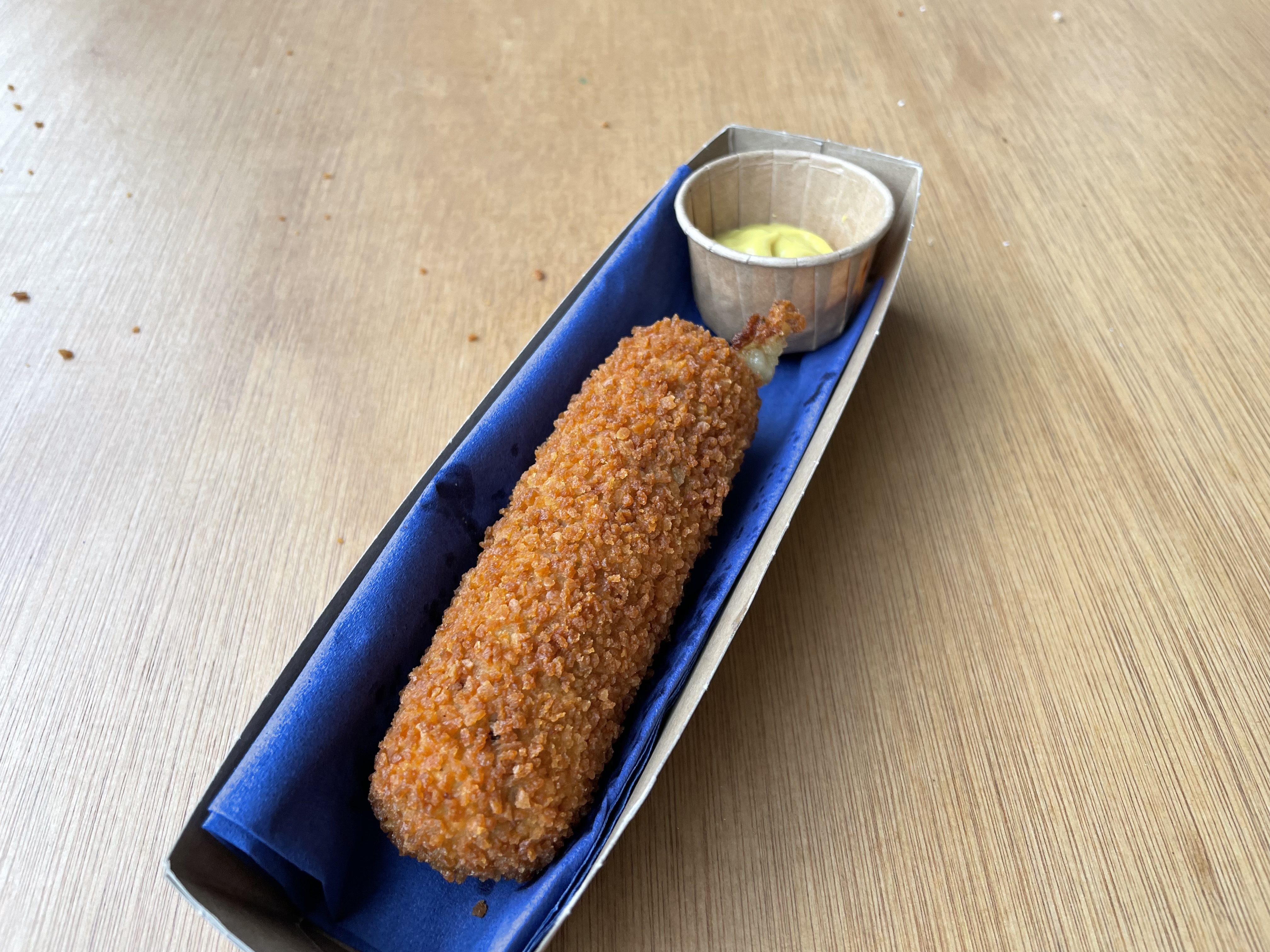
Just like the Netherlands, the offerings at Markthal are quite diverse. Since I did not get to try Dutch food in Amsterdam due to the Christmas holiday, I went for the Dutch options here. My first stop was for a croquette.
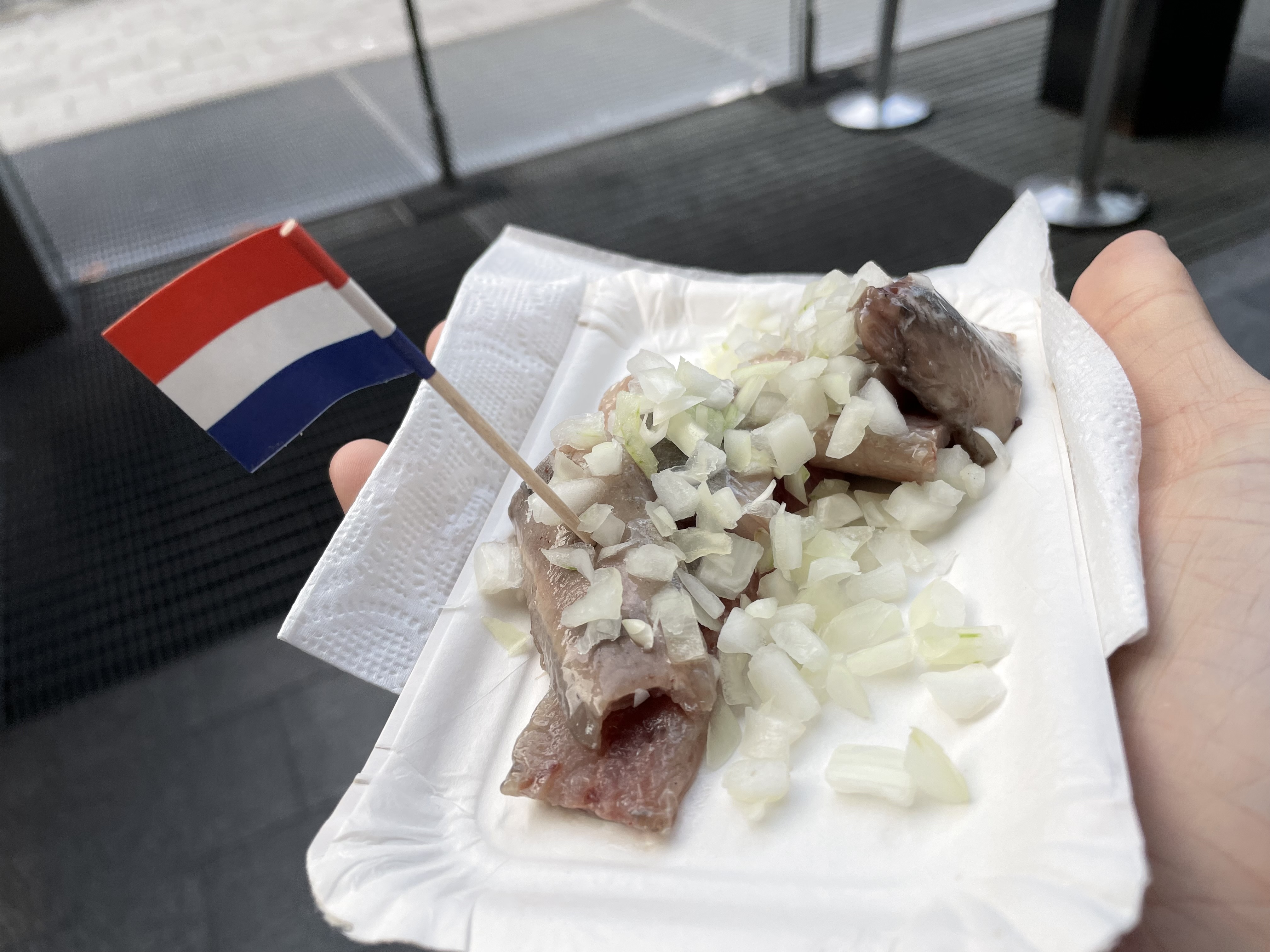
Next, I tried soused herring. The herring is raw but is marinated in a vinegar-based brine and served with chopped onions. It wasn’t terrible but it wasn’t great either – I’ve been told it’s an acquired taste.
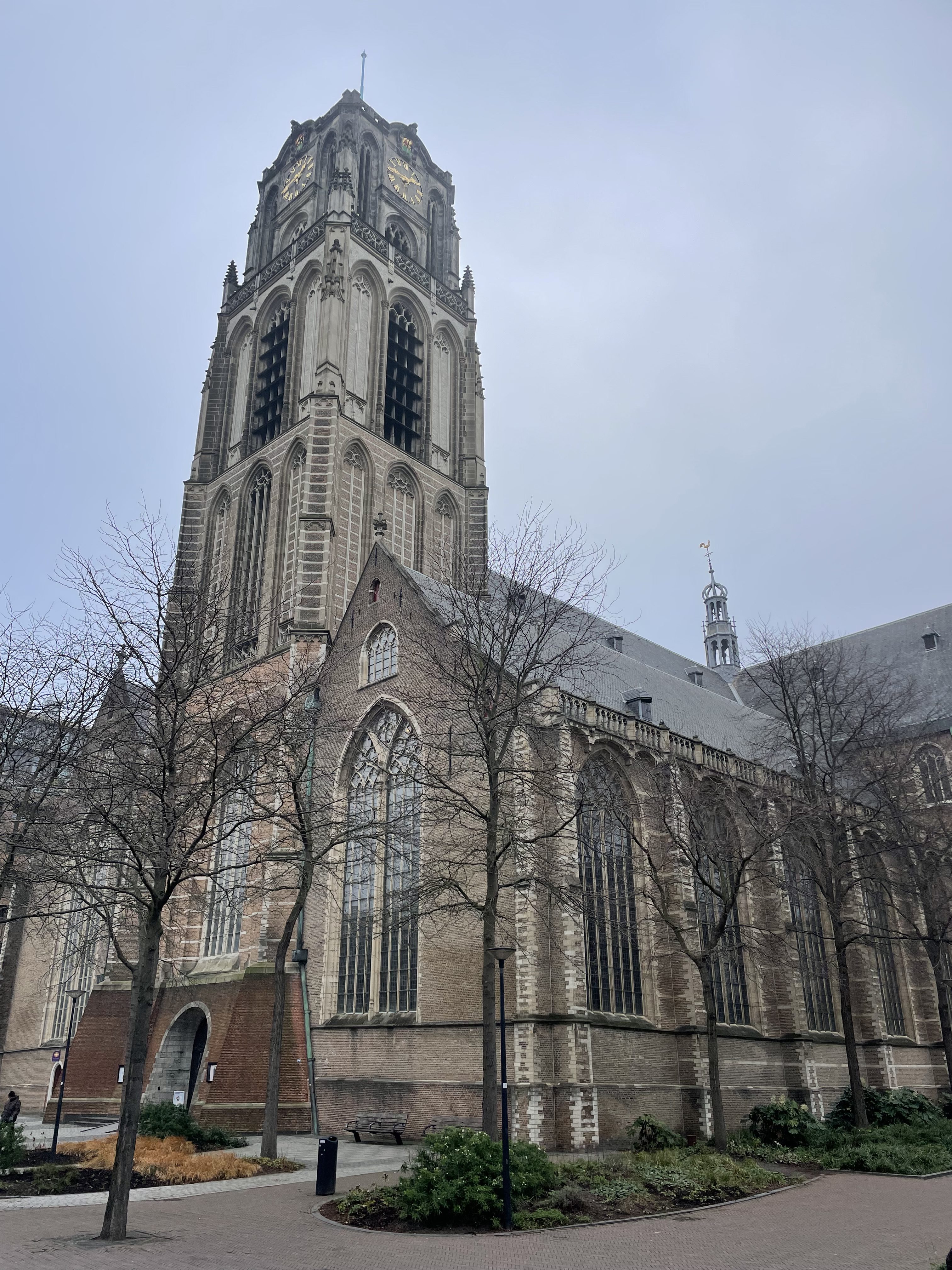
Near the Markthal is a gothic church built in 1525. It is the only building from Rotterdam’s medieval center to survive the German bombing. Religious types say that its surviving is the will of God, but in reality, it was by far the best constructed building in the city and it barely survived – just a few walls were standing. A similar situation happened in Frankfurt.
My final sightseeing stop in the center was the maritime museum. Rotterdam was and still is the largest port in Europe. Until 2004, Rotterdam was the world’s busiest cargo port. It sits at the mouth of the Rhine River, one of Europe’s most important rivers. Through canals, the Rhine (and Rotterdam) to most of Europe, all the way to the Black Sea.
For centuries, Rotterdam was mainland Europe’s gateway to the Atlantic Ocean and the Americas. The original industry was fishing but it then moved into the transatlantic trade (including slaves). During this era, Rotterdam was one of the wealthiest cities on the planet.
Starting in the 1920’s, the Port of Rotterdam moved into the petrochemical trade. Crude oil arrives at Rotterdam Port where it is refined and then shipped on the inland waterways to the rest of Europe. It is not an exaggeration to say that Rotterdam powers Europe.
The original port of Rotterdam started in the city center (the docks are visible outside the maritime museum) but has since expanded towards the ocean and now onto artificial islands.

I then walked past the city hall which also survived the bombing to reach the home of my business school friends Rohit and Akanksha. I also met up with my Rotterdam host, Hevien who is dating my friend Joey.
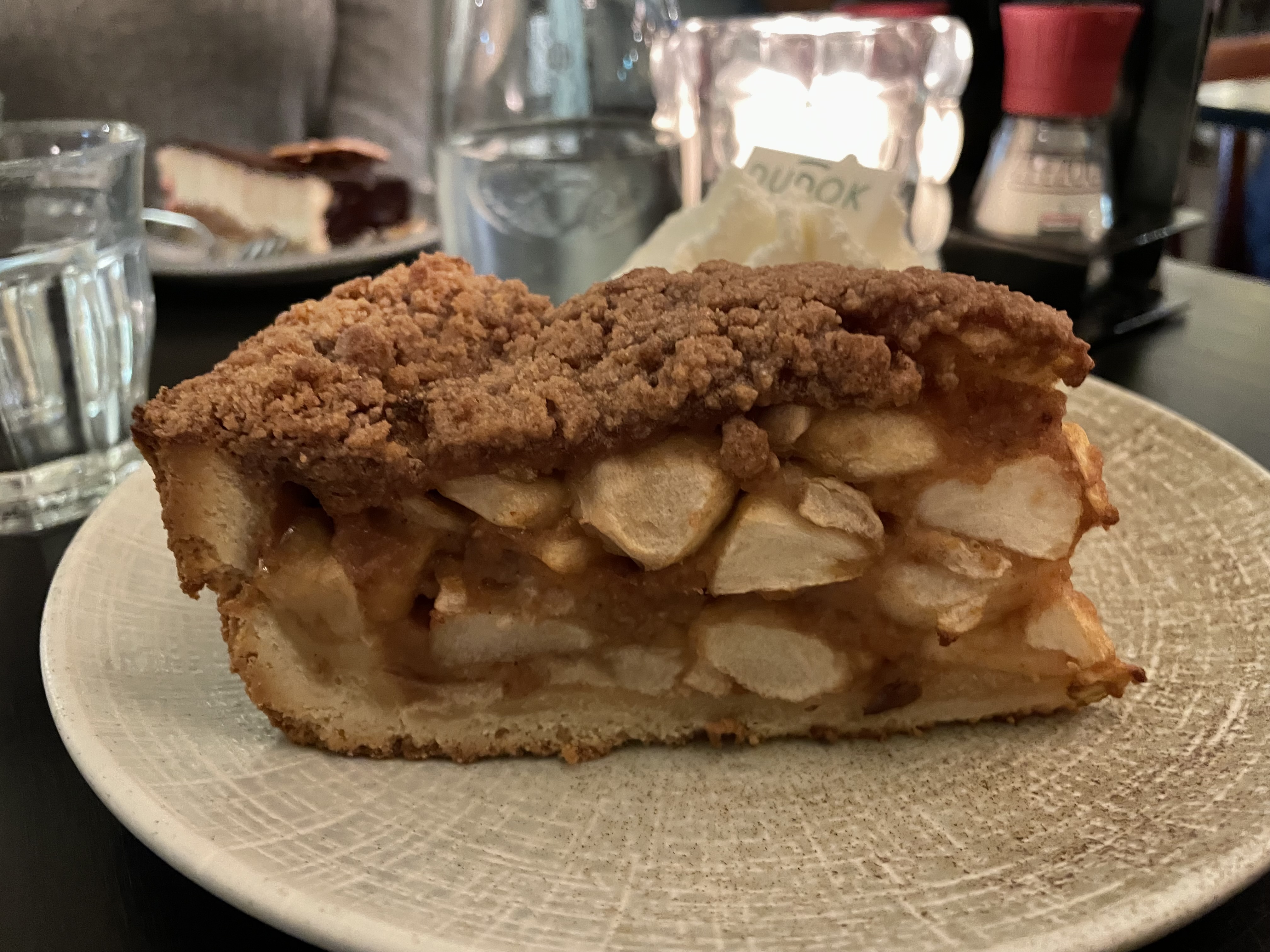
Hevien took me around a few other places in Rotterdam including Delfshaven, a neighborhood that survived the bombing, a statue unofficially called “Gnome Buttplug” and to the city’s most famous spot for apple pie. Hevien works for the government but is also a Rotterdam tour guide on weekends, so she was able to tell fun anecdotes about every corner of the city.

We then headed back to her apartment in south Rotterdam where I spent the night.
December 29, 2024: Beyond the Center
I started the day by getting a tour of South Rotterdam by Hevien. While Hevien is an expert in all things Rotterdam, South Rotterdam is the area where she grew up, now lives, and conducts walking tours. Historically, South Rotterdam has had a reputation for being dangerous and multicultural (in a bad way), but it is rapidly changing.
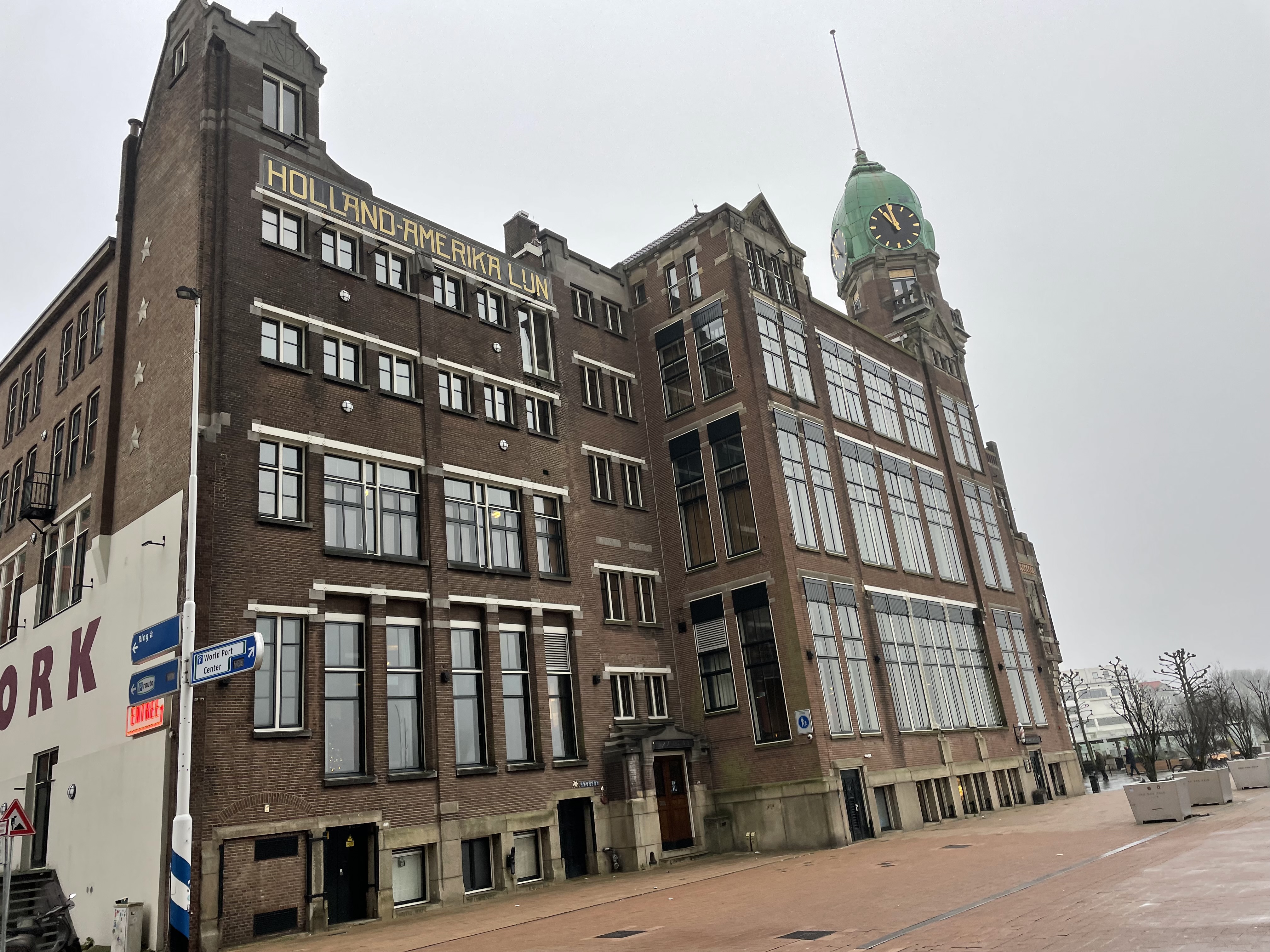
Our first stop was the port. In addition to cargo, Rotterdam was the headquarters for Holland America Line which transported millions of people across the Atlantic to America between 1973 and the 1980s when their business model became completely obsolete due to planes. In 1989, was bought by Carnival and became a cruise ship brand. The former headquarters have been turned into a hotel called Hotel New York. In fact, the whole district was meant to look like New York.
After crossing a bridge colloquially known as “Hoerenloper” meaning johns aka clients of prostitutes, I reached Katendrecht. The area used to be a hotbed for prostitution. Now, there are luxury apartments, a food hall and (in a year) a museum on the history of immigration.
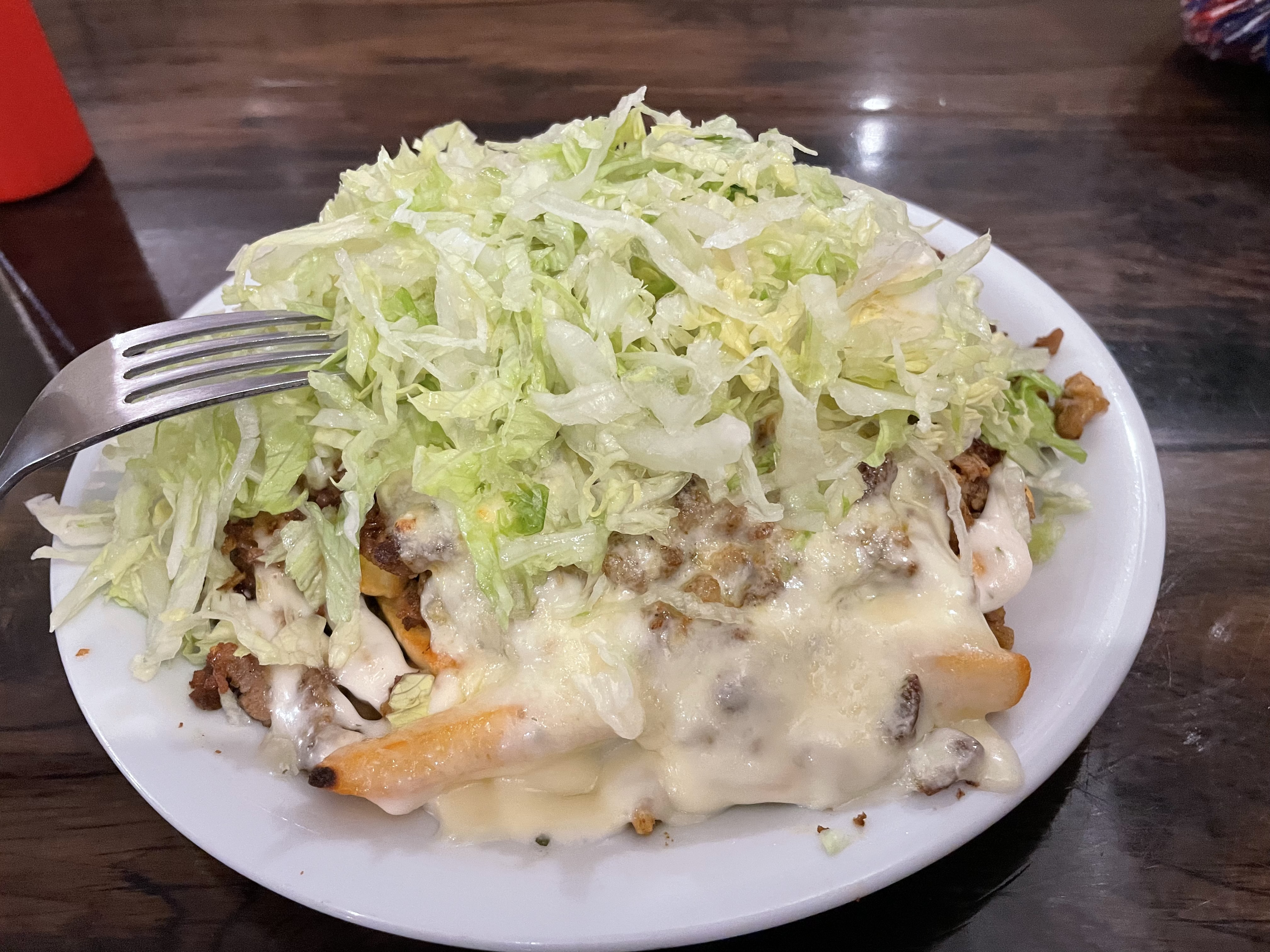
I then headed back to the center for lunch while Hevien headed out to run errands. Based on Hevien’s suggestion, I got a kapsalon at Jaffa Shoarma. Kapsalon is a uniquely Rotterdam dish. The name means hairdresser and is named after hairdresser Natalniel Gomes who would order this dish from her local doner kebab restaurant in 2003. The dish has spread not only to shawarma and doner kebab restaurants in Rotterdam but around the world! Kapsalon has kebab meat served with gouda cheese and lettuce on a bed of fries. It delicious but wow was it heavy!
For the afternoon, I took a tram and then a bus to Kinderdijk, a UNESCO World Heritage Site containing historic windmills. There are 19 historic windmills – all built in the 1700’s. The windmills were and are still used to maintain water levels in the poder. In warmer times, there is a direct ferry from the Rotterdam city center.
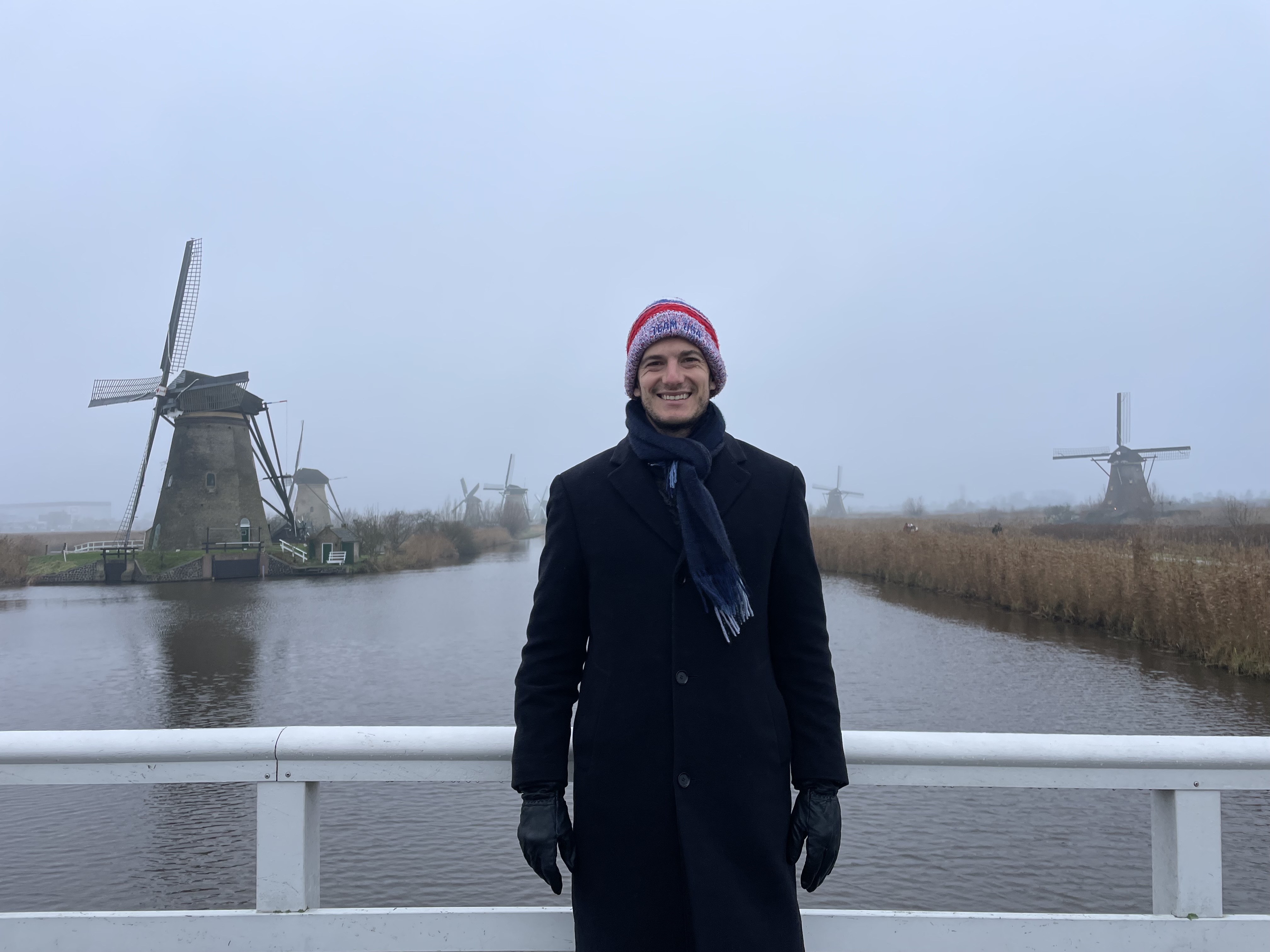
I still had some daylight, so I decided to visit Rotterdam’s other UNESCO World Heritage Site, the Van Nelle Factory. Built in the 1930’s it is considered on the of the world’s most beautiful modernist buildings.
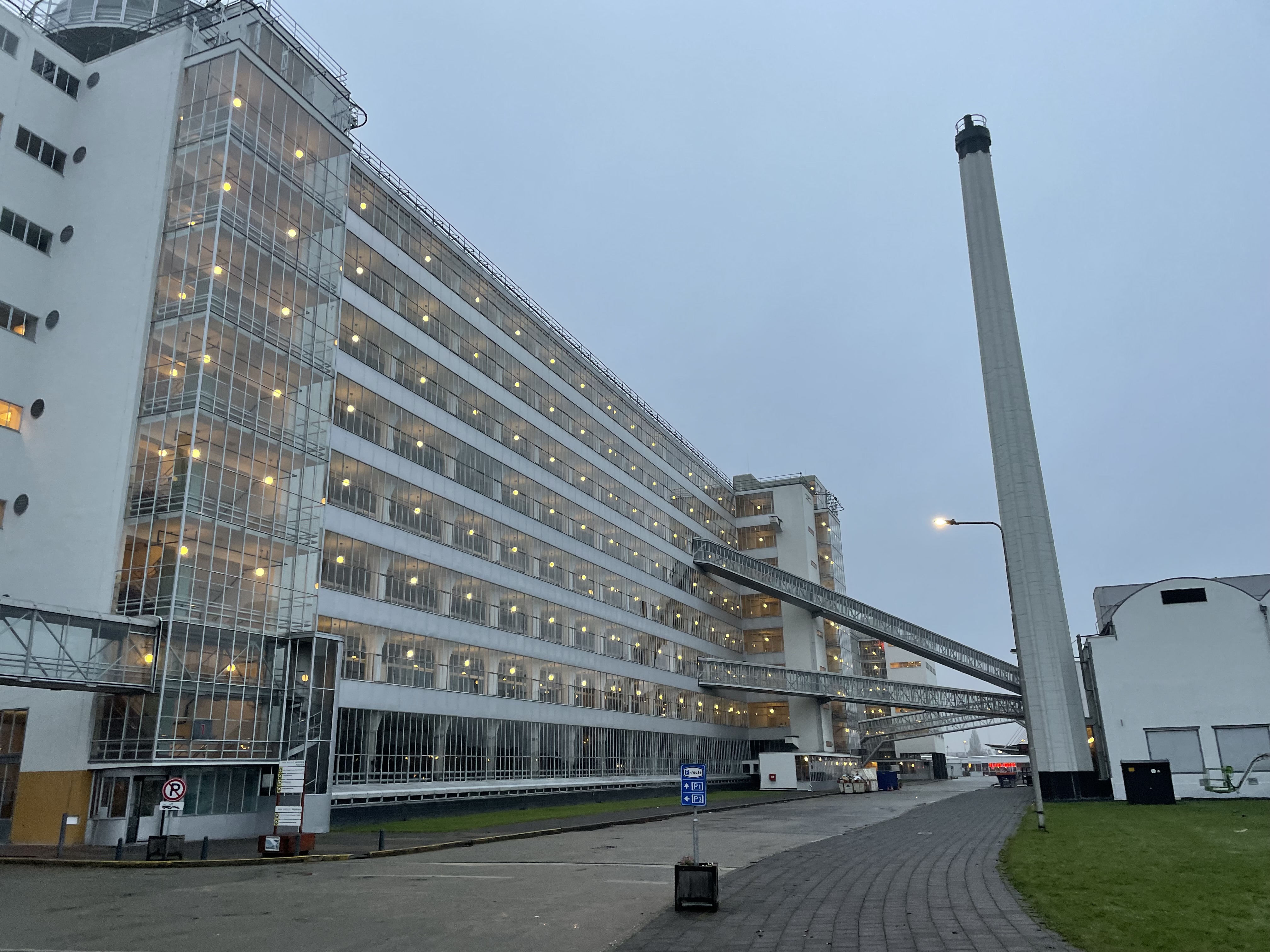
It now is an office building with a upscale American barbeque restaurant. I was a little worried entering the premises because there is a security guard booth, but they did not care that I was walking around.
I then walked to Delfshaven, the historic harbor for the city of Delft. While it used to be its own city, Delfshaven became part of Rotterdam in 1886. The historic fishing harbor is notable because it was untouched during the German bombing and therefore is a tiny time capsule of what all of Rotterdam used to look like (which is a lot like Amsterdam).
Delfshaven has an interesting link to American history. The Pilgrims, the religious separatist group, was kicked out of England and moved to the Netherlands. While the Netherlands was tolerant, the economy was not great. So, they made the decision to sail to America. That journey started in Delfshaven on a boat called the Speedwell. The Speedwell had leaks so before sailing across the ocean, the group detoured to Plymouth, England where they entire group moved onto their second boat, the Mayflower, which sailed them to Massachusetts.
The church where they prayed at during these final days of preparation, now known as the Pilgrim Fathers Church was open.
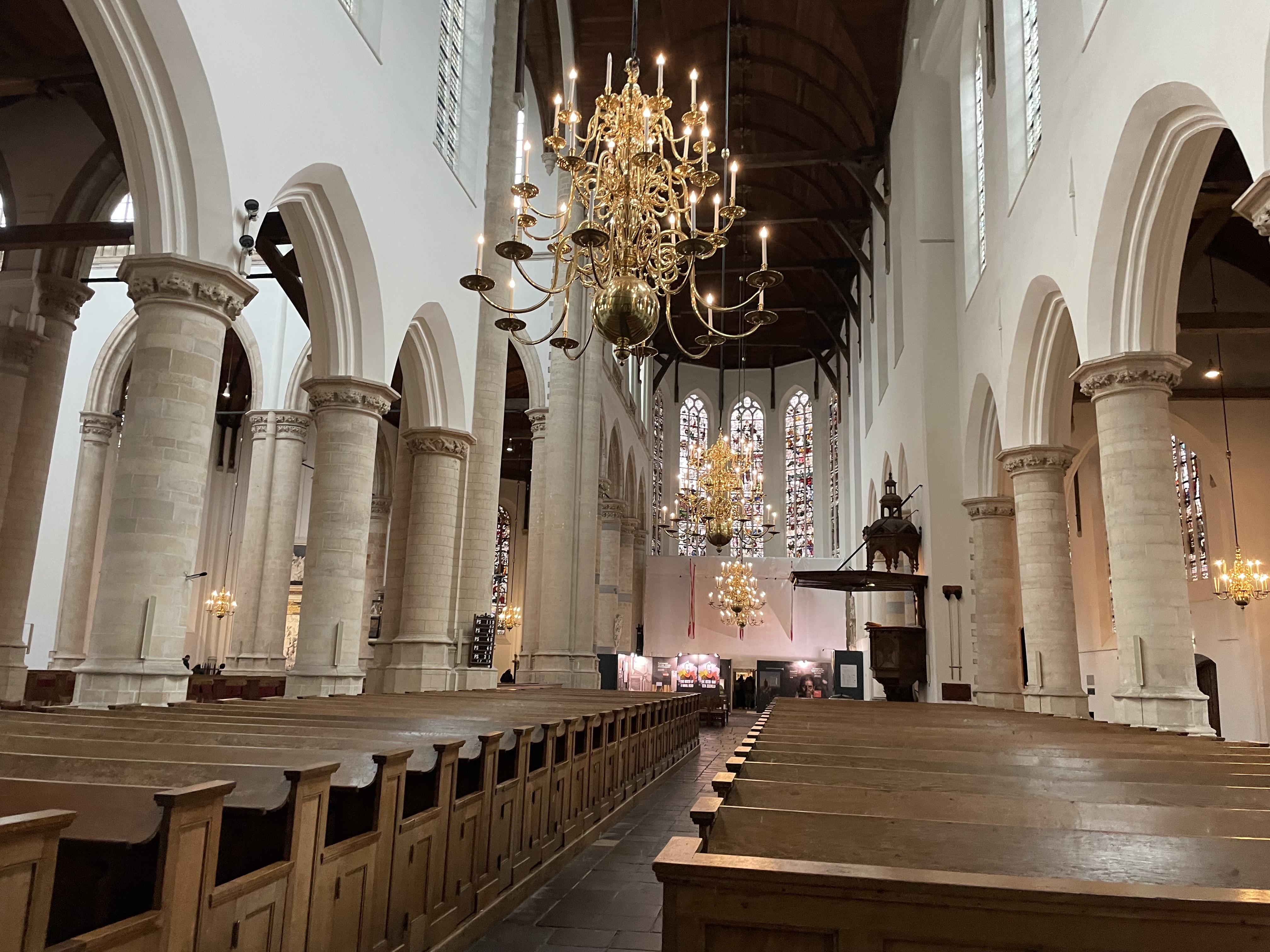
Next to the church is the traditional Pilgrim Brewery which serves a beer called Mayflower.
I then walked another 30 minutes to the Euromast, an observatory that was once the tallest building in the Netherlands. I asked about going up the tower but was advised by the staff to not go up because the weather would make the view bad. I love the Dutch honesty – nowhere else in the world would someone encourage people to not buy their product.
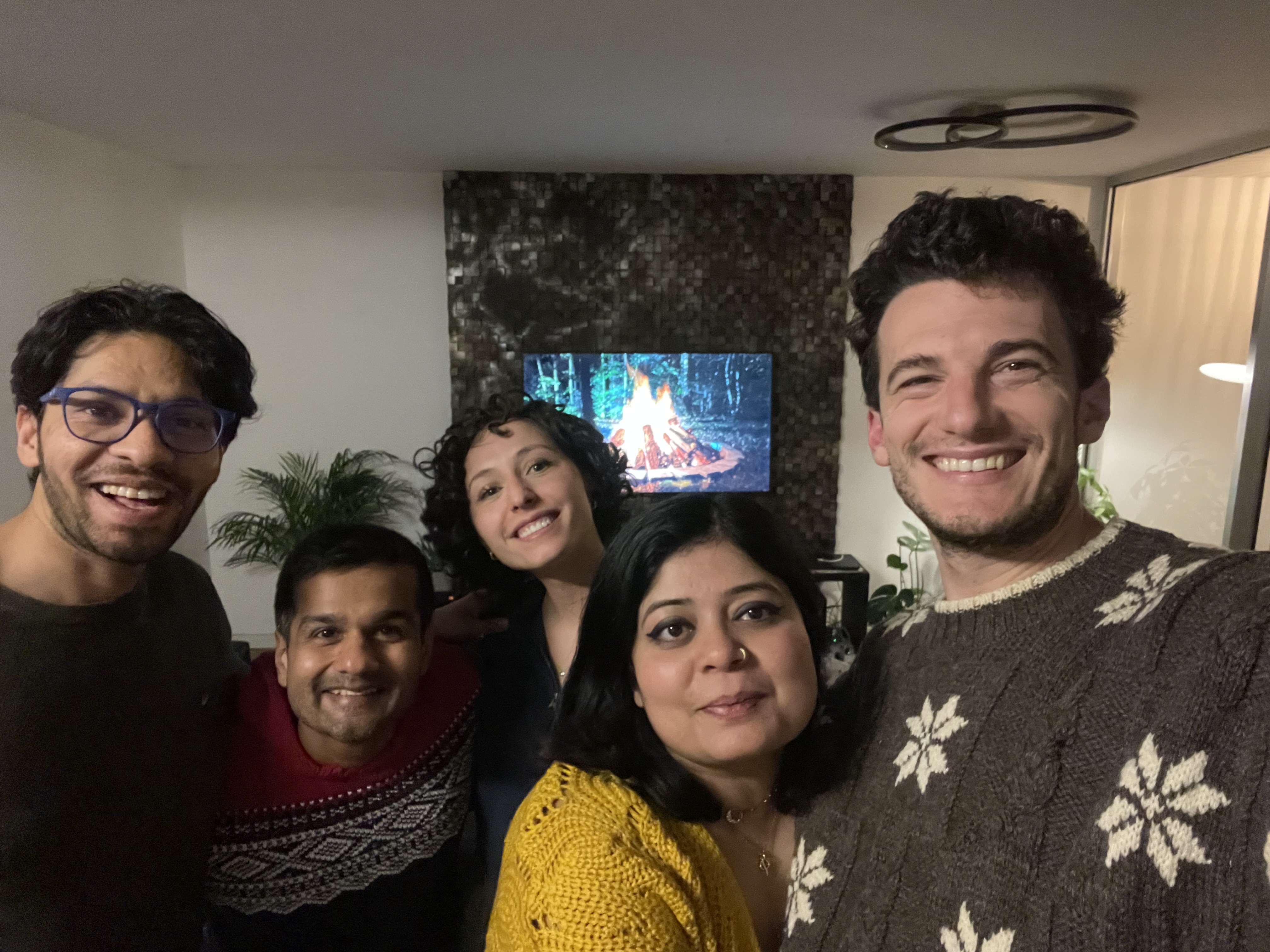
For dinner, Hevien and I went back to Rohit and Aakanksha’s apartment. Adarsh came down from Amsterdam to join us too! Rohit is a master chef. Hanging out with my friends was the perfect way to wrap up my time in Rotterdam.
The next morning, I took the train to The Hague.
Final Thoughts:
Rotterdam was very different from Amsterdam. It is modern, easy to get around and diverse. Many people write it off because it’s not cute and historic, but there is a lot to see! Two days is probably the optimal time to see the city and its surroundings. You can also use Rotterdam as a base to see other places in South Holland.
Leave a Reply