
October 15, 2026: Peggy’s Cove to Lunenberg
From Halifax, Maisie, Udo and I headed south along the coast. The South Coast is the most visited part of Nova Scotia besides the capital itself. Much to Maisie’s chagrin, I played a soundtrack of sea shanties to get into the Nova Scotia mood.
45 minutes south, we reached the tiny hamlet of Peggy’s Cove. The cute fishing village is world-famous for its lighthouse. Peggy’s Cove Lighthouse is easily the most recognizable lighthouse in all of Canada and is considered the most popular tourist attraction in all of Maritime Canada.
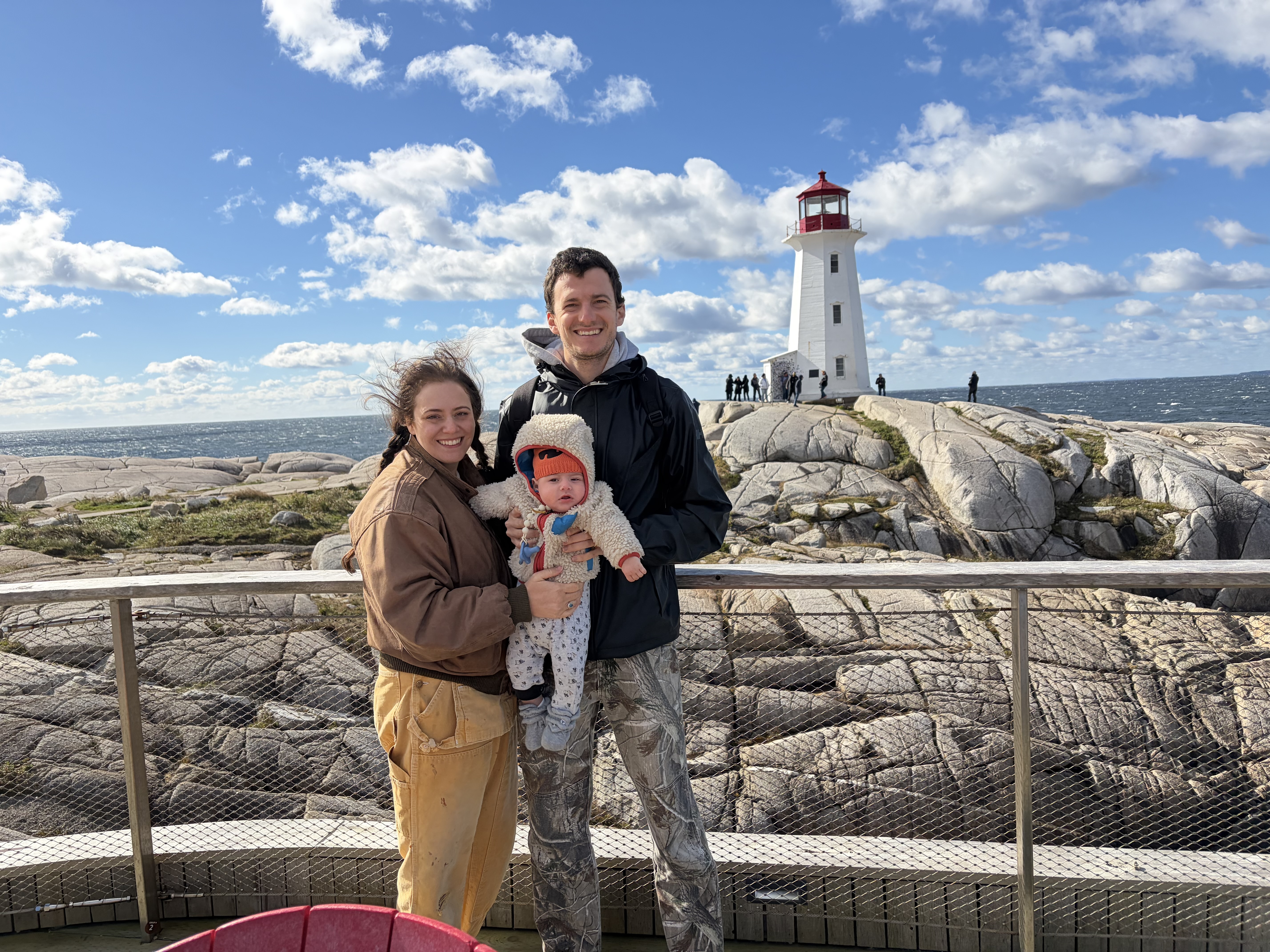
While we didn’t have to deal with the pouring rain from the last two days of our trip, we did have to deal with the wind. Peggy’s Cove just so happens to be at the edge of a cape and wow was the wind whipping. It was so bad that Maisie and Udo went inside a restaurant for shelter.
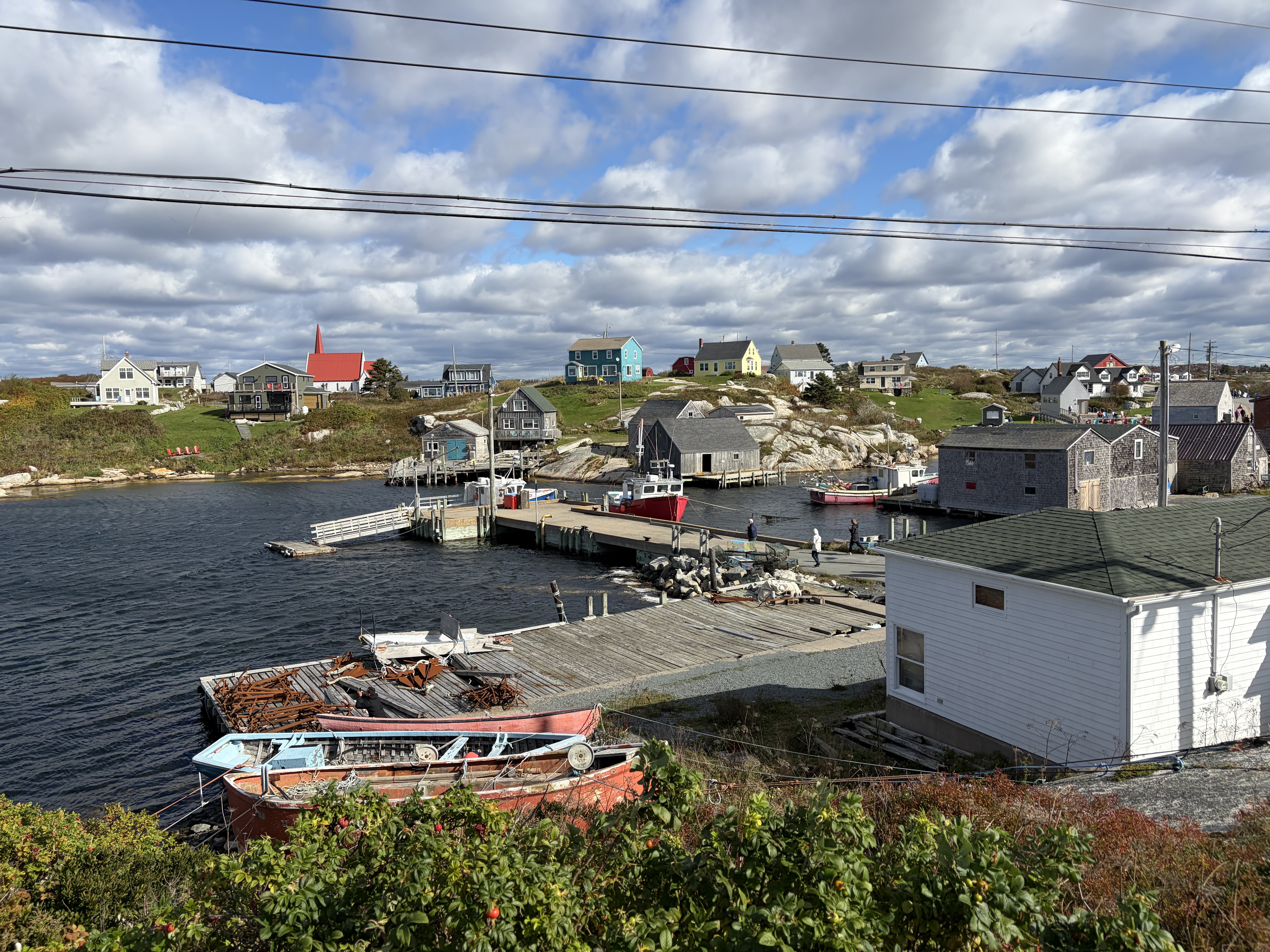
Then, we got lunch at a nearby restaurant. Maisie got an incredible lobster roll and I got a seafood chowder – which is very similar to a New England clam chowder except it comes with many types of seafood.

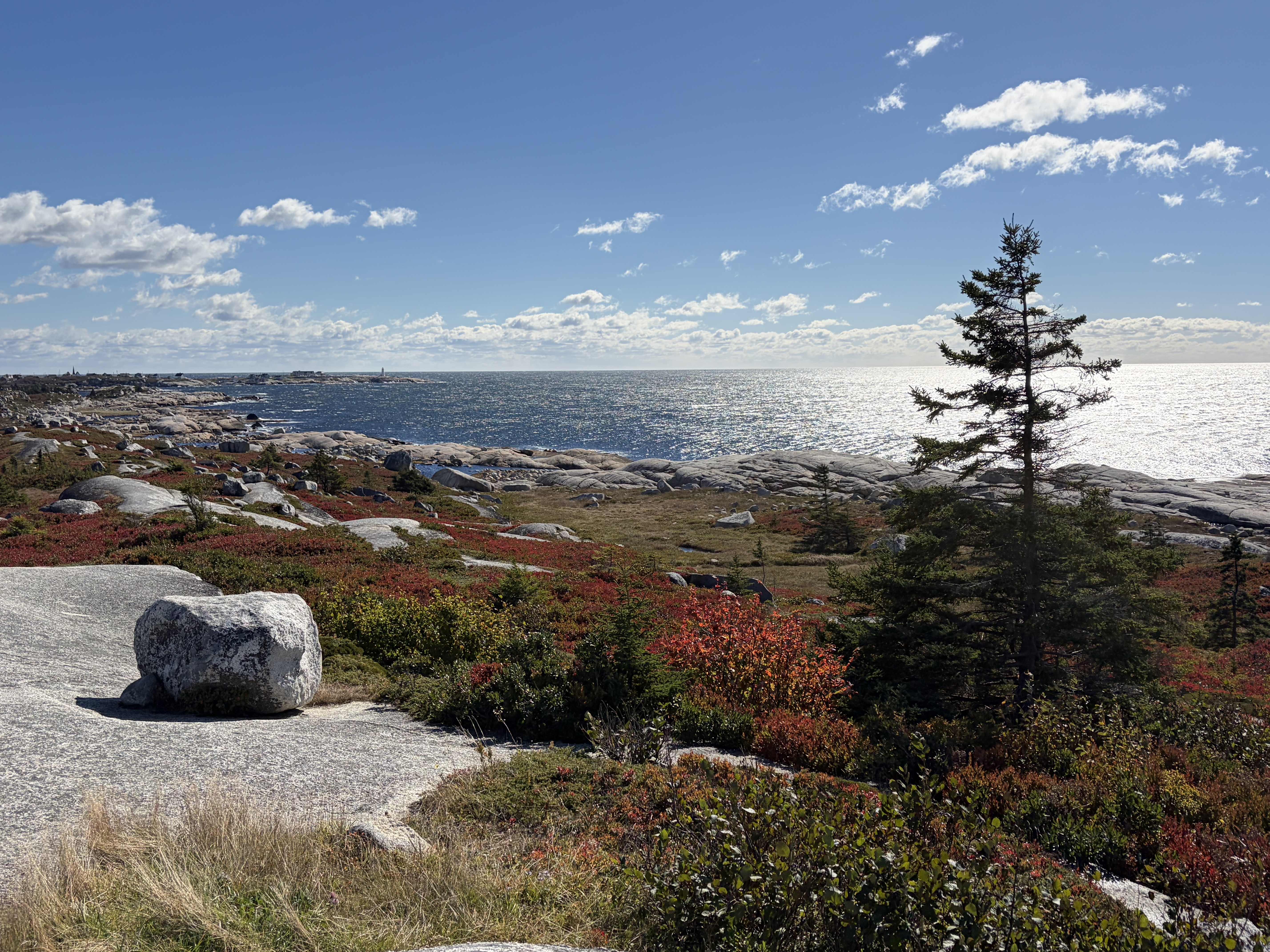
Next, also in Peggy’s Cove, is the memorial to Swissair Flight 111. The flight was traveling between New York and Switzerland on September 2, 1998 before it crashed off the coast of Peggy’s Cove. 229 people died. The memorial is somber and in the most beautiful location with sweeping views of the coastline. There was also noticeably less wind than at the lighthouse.
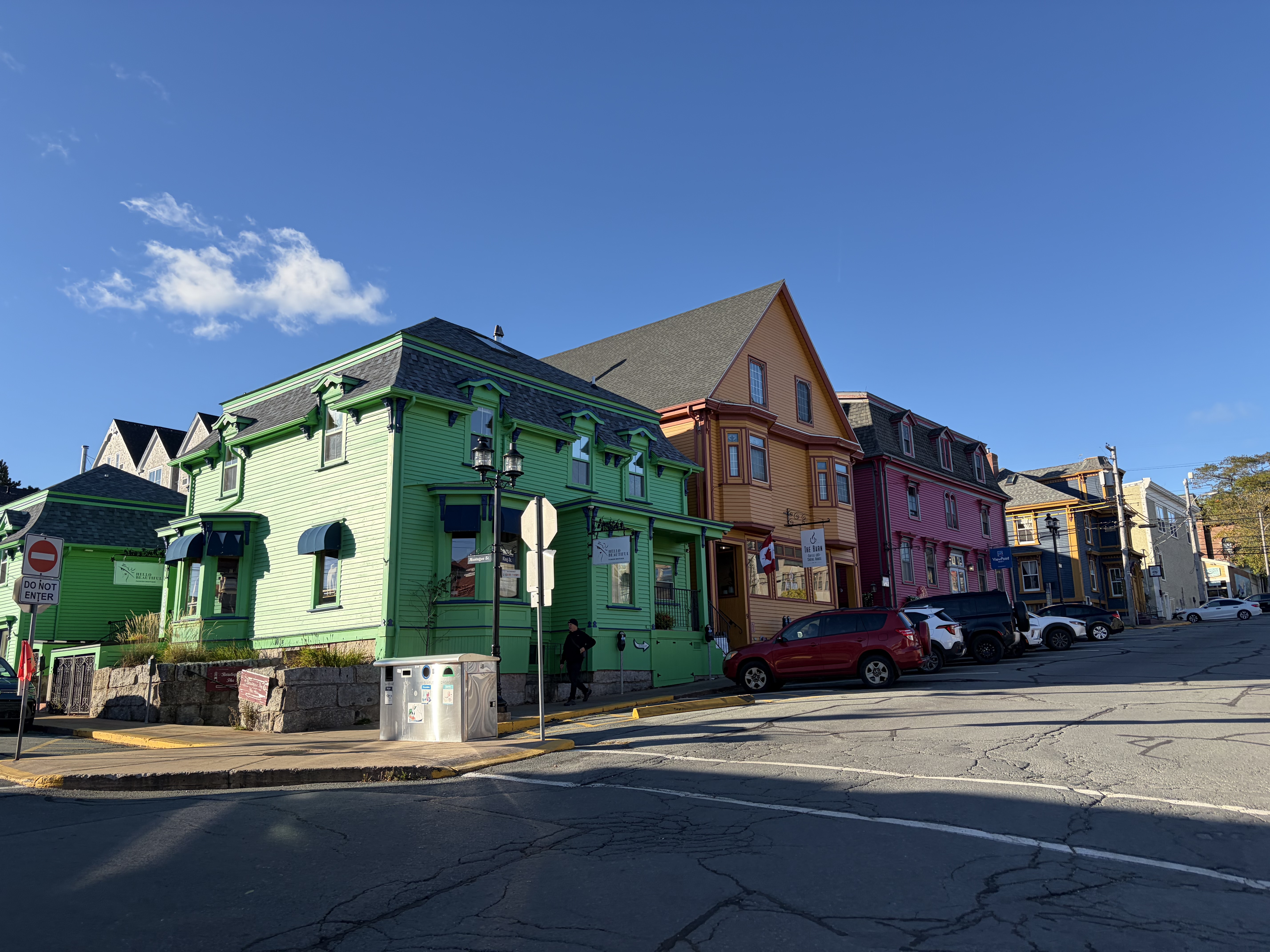
Heading further south for an hour and a half, we reached the town of Lunenberg. Lunenberg is a UNESCO World Heritage Site for being one of the best-preserved 18th century British colonial settlements in the world. The town streets are on a grid which became the blueprint that the British would use for many other colonial towns.
The town has eight residential blocks which were divided into 14 residential lots as well as four blocks that were designated the town center. Families who were allotted a residential lot were also given a garden lot outside of the grid to grow vegetables and maintain livestock. The city planners back in England did not consider topography when designing the town, so many of the streets and lots are located on steep hills.
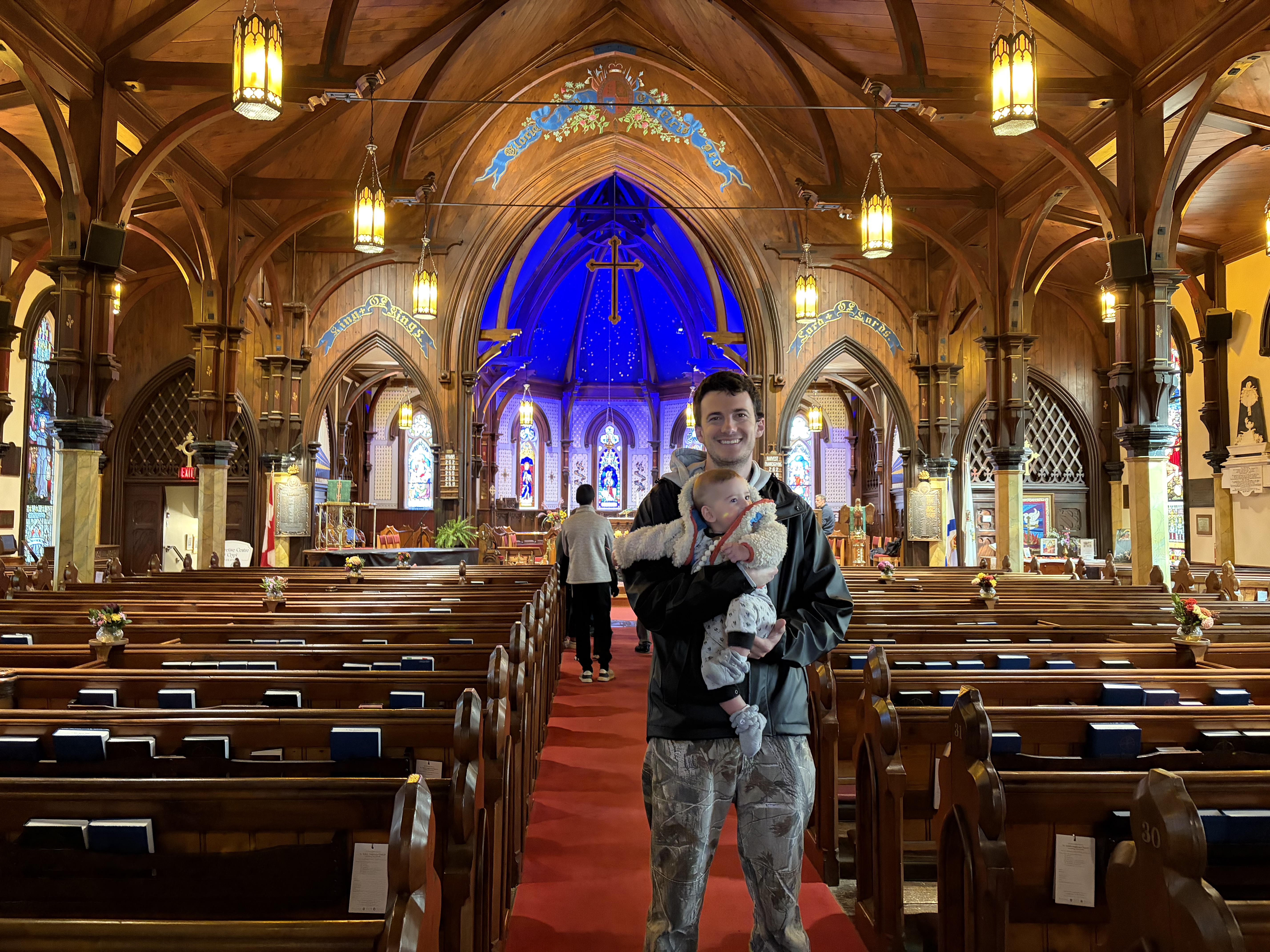
Our first stop in town was the stunning St. John’s Anglican Church. The church nearly burned down in 2001 but generous donations from the community allowed them to rebuild. The new altar looks even more beautiful than the original.
Next, we visited the Atlantic Museum of Fisheries – a state-run museum dedicated to the fishing industry. We arrived just in time for the hour-long “Lobster Talk” where a former lobsterman (yes, that’s the term for someone who harvests lobsters) talked about one of the region’s most important industries.
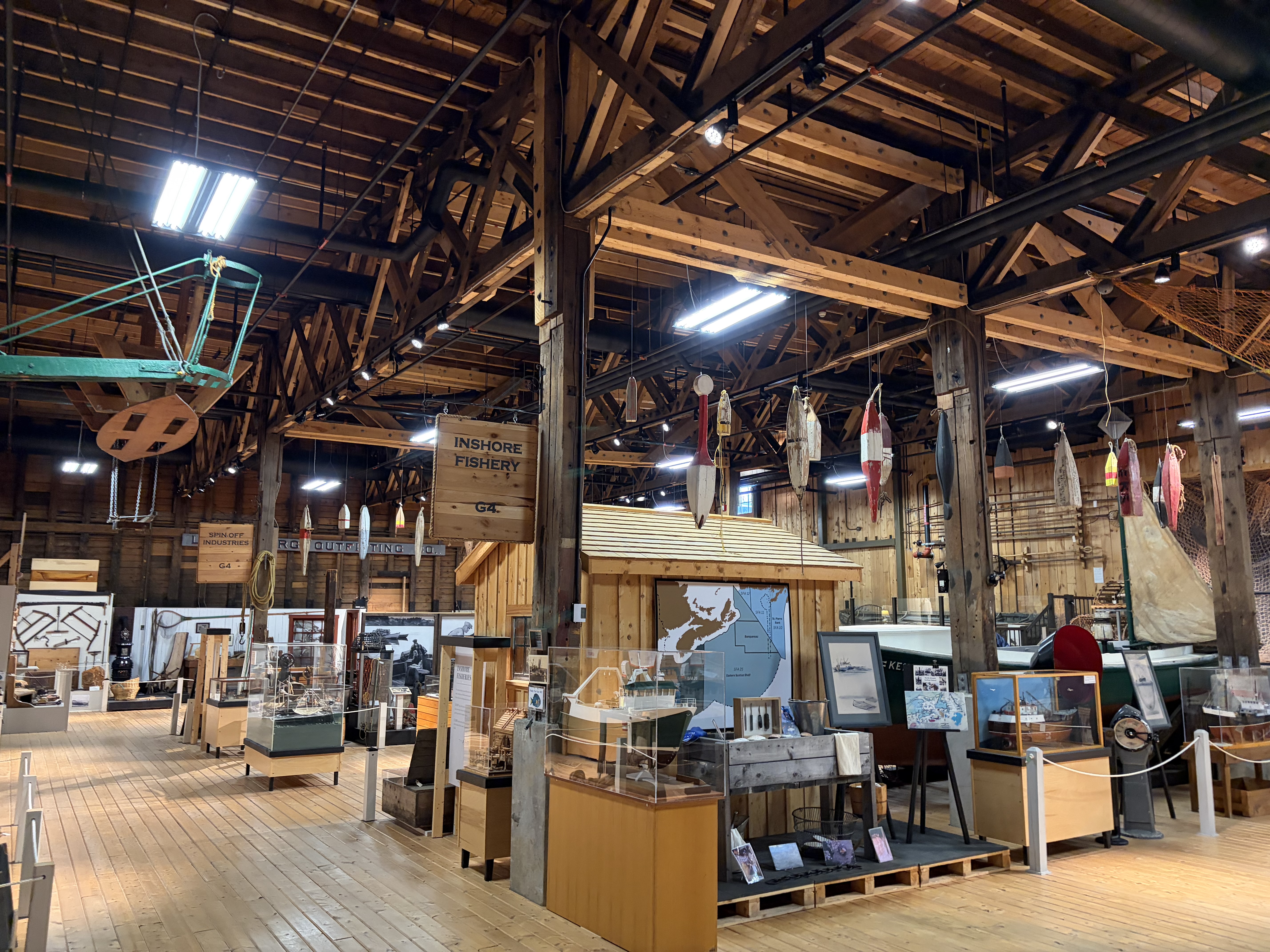
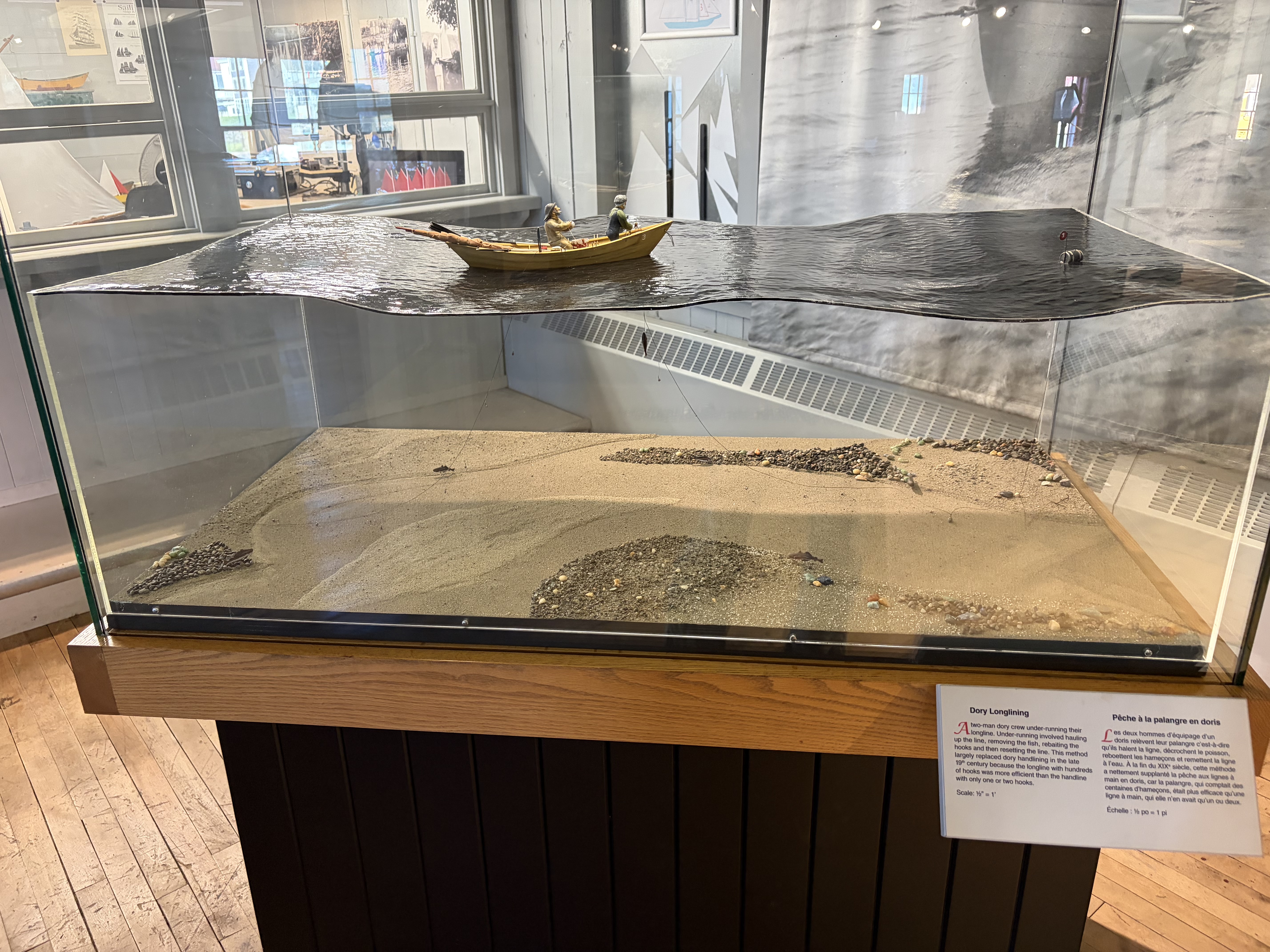
Lobsters live in all of the waters surrounding Nova Scotia. The Atlantic Canadian coastline is divided into 41 regions. Each region has a specific season where lobstermen with the correct license can harvest. The seasons last for a few months, but the majority of the harvest comes in the first two weeks. The season near Lunenberg goes starts in late November. Our speaker said that the crews don’t sleep more than 4 hours a night during that stretch. There is no limit to the number of lobsters anyone can harvest but there is a limit to the number of traps. The speaker strongly believed that the government should regulate the total catch which would allow everyone to profit without needing the crazy gold rush in the first two weeks. “It’s too dangerous out there for the young bucks. They think they so hot with their GPS but what happens when the tech goes out in the rough January seas, huh?”.
Back in the day, lobster was known as a cheap food that was fed to prisoners. Its reputation started to change with the advent of refrigerated rail cars and ships that could transport the lobsters to foreign markets, making it the delicacy it is today. Nowadays, the price of lobster is so high that the locals rarely eat it!
Until recently, Canadian lobster would be shipped to the US where distributors would then sell to the rest of the world (mainly Asia). But since the first Trump presidency, Canadians were so upset with his rhetoric that they started to control their own distribution network and now directly export to Asia.
Believe it or not, but the Iran War of 2026 has had a huge effect on the lobster market. Because ships run on diesel, many lobstermen are considering calling off the season or fishing for less time because the cost of diesel is so high. This has in turn further increased the price of lobster.
On the next floor, I talked with a docent about the various types of fishing boats and the demise of the Canadian cod fishing industry. The majority of fish fishing takes place in an area off the coast of Newfoundland known as the Grand Bank. The sea is shallower and back in the day was teeming with fish. It was considered to be the richest fishing grounds in the entire world. But it got overfished. So much so that the prized cod went basically extinct in 1992. The cod population is still only about 1-2% of its original size, but this year they allowed a ceremonial codfish fishing season to highlight this recovery.
Walking around the town with Udo and Maisie, we admired the many 18th and 19th century homes. Many had a distinctive five-sided front window that my Lonely Planet book calls the “Lunenberg Bump”.
The town was quiet and we really enjoyed being in near solitude looking at all the beautiful houses.
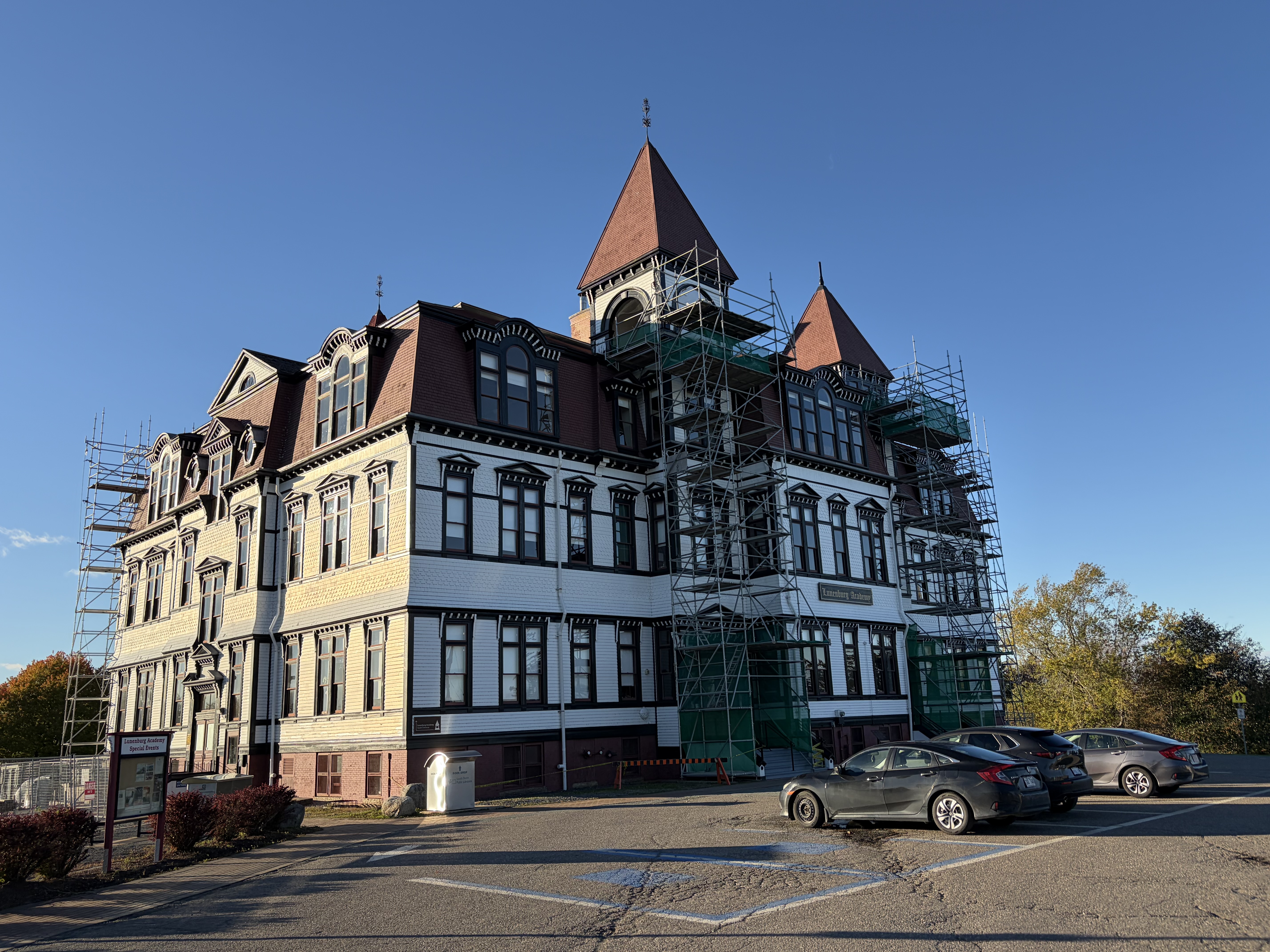
Besides the church, the most notable building was the old schoolhouse which has been turned into offices and a public library.
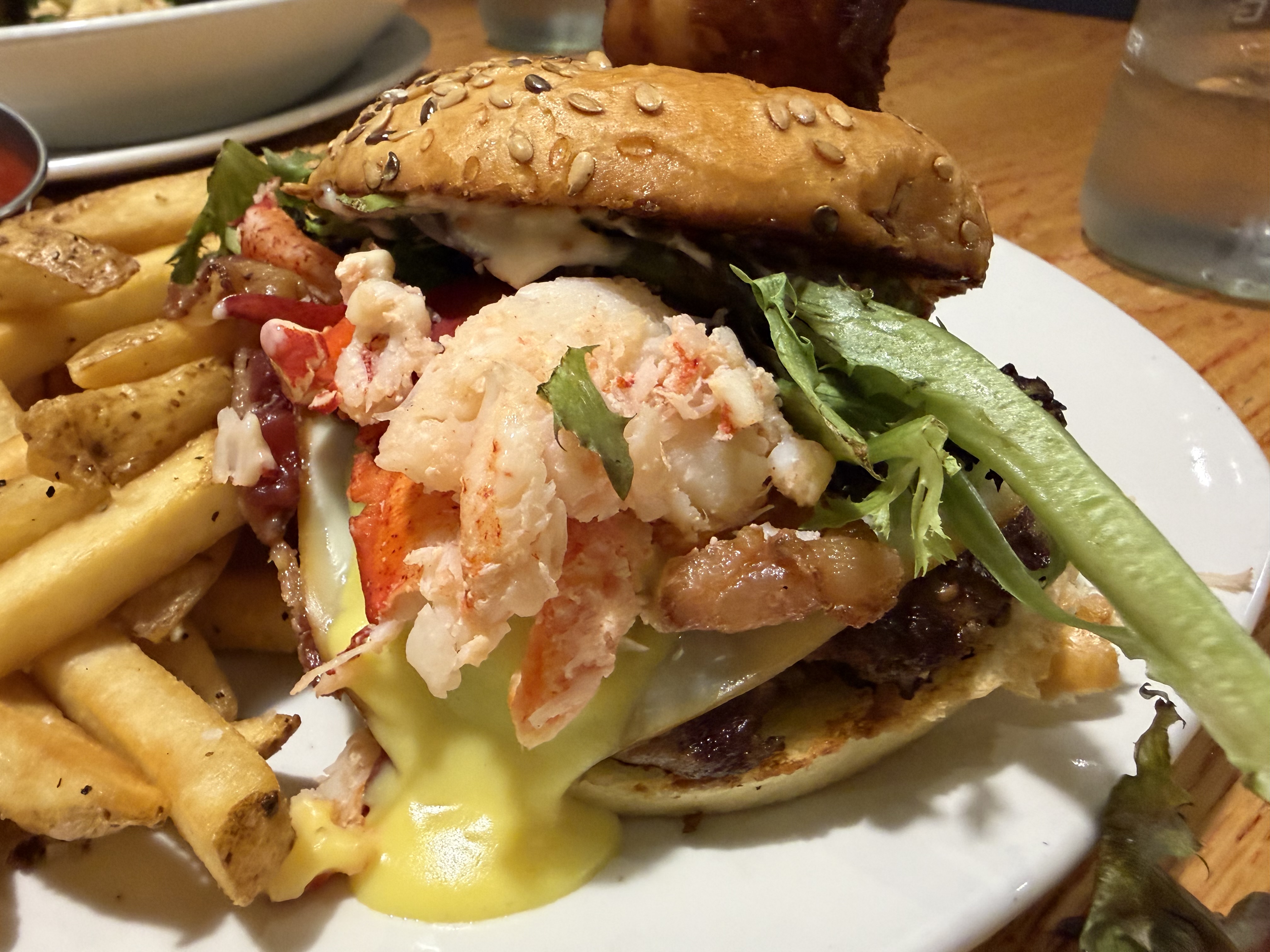
For dinner, we ate in a restaurant underneath our hotel called the Grand Bank Restaurant (if you were paying attention – its not named after a bank that stores your money). I ordered their famous Lunenburger which is a burger topped with lobster and bacon. It was decadent.
I then got a beer at the brewery also underneath our hotel before hitting the hay.
October 16, 2026: A Cool Bakery
The next morning, we went to the town of La Havre. To get there, we took a cable ferry (a ferry where the boat travels along an undersea cable) across a narrow sound.
On the other side, we got breakfast at the famed La Havre Bakery. In 1984, the founder bought an old general store and turned it into a bakery. In addition, a few other groups share the space including a produce co-op.
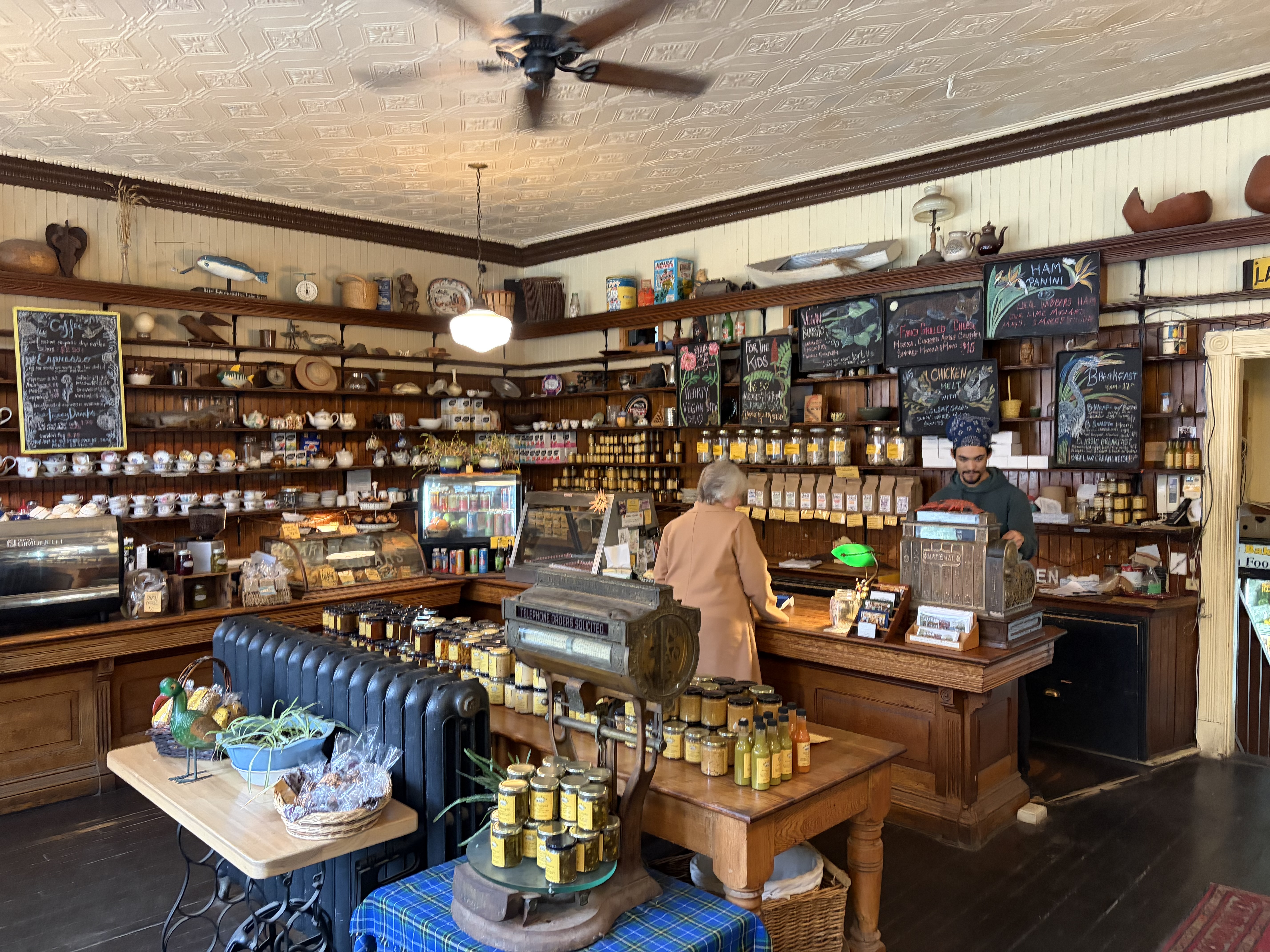
We ordered some scones and got on our way to our final region of the trip, the Annapolis Valley.
Final Thoughts:
The South Coast of Newfoundland feels very much like Maine but cheaper and the towns are cuter. It’s not a standalone destination, but is worth visiting on any Nova Scotia trip.
Lunenberg and Peggy’s Cove can both easily be visited in a single day, as there is not that much to see in either place. While it wasn’t necessary, I did enjoy spending the night in Lunenberg and walking around the town with nobody around.
Leave a Reply