
Why Nova Scotia:
I was going to Boston with my wife and son for my cousin’s wedding. Since we had already taken Udo across the country, I wanted to visit another place that we could fly to directly from Boston that otherwise would be difficult to reach from Los Angeles. After considering the Azores and Aruba, we settled on Halifax, Nova Scotia because the flight was only an hour, it would be peak fall weather and the flight was cheap.
October 13, 2026: Halifax
Our original nonstop flight from Boston on October 11th to Halifax was canceled due to crew scheduling issues so we flew to Montreal for the day and then flew in late on the 12th. The plane landed just after midnight on the 13th. Getting the car and bags was very easy and we arrived at our Airbnb at 1:00 in the morning. We put Udo to sleep and then we fell asleep at 1:30.
We decided to keep him on a schedule where he would wake up at 8:00 and go to sleep at 8:00. We did the same schedule in Boston/Montreal and it seemed to work okay.
After doing the morning shift with Udo, Maisie and Udo decided to take a morning nap together while I went out to explore. Based on my research, Halifax has three major sights: the Immigration Museum, the Citadel and the Maritime Museum/waterfront. The weather was very rainy.
I decided to tackle the Museum of Immigration first. Being on the eastern coast of Canada, Nova Scotia was a natural landing spot for new immigrants. Halifax’s Pier 21 functioned as an Ellis Island of Canada, processing over 1 million between 1928 and 1971.
The museum has two sections. The first section is a general overview of immigration into Canada from early European settlers all the way up to today. In many ways, this history mimics that of the US. But there are a few key differences. First, Canada has European influences from both England and France. Second, many of the early immigrants to Canada were Loyalists who remained loyal to the British crown during the American Revolution. This included Blacks both free and enslaved who were then granted freedom in Canada for their loyalty. More recently, the ethnic/national mix of people coming to Canada is quite different from the US. Since it doesn’t border Mexico, there are way less Latinos coming to Canada. Instead, likely due to its British ties, there are way more people coming from India, which is close to the total of all other nationalities combined. Additionally, Quebec has had its own immigration policy separate from the rest of Canada that prioritizes French speakers from around the world – most notably people from French-speaking African countries like Senegal, the DRC, and Algeria.
The museum had to toe a tricky line. On one hand, Canada is of the strong belief that immigration makes the country stronger. In 1971, it was the first country to adopt an official policy of multiculturalism. On the other hand, immigration (especially in the 1700’s and 1800’s) resulted in the destruction of indigenous cultures.
My favorite part of this section of the museum was the mock Canadian citizenship exam, which I passed!
Back at the Airbnb, we then went to lunch at a pub in the hip North End. We had to wait 30 minutes for a table but got amazing fish and chips.
We then drove back into Downtown Halifax for our afternoon of exploration. The rain was starting to let up. We headed to the waterfront which, on a normal fall day, would be packed with 10,000 cruise ship passengers. But due to the rain, it was empty.
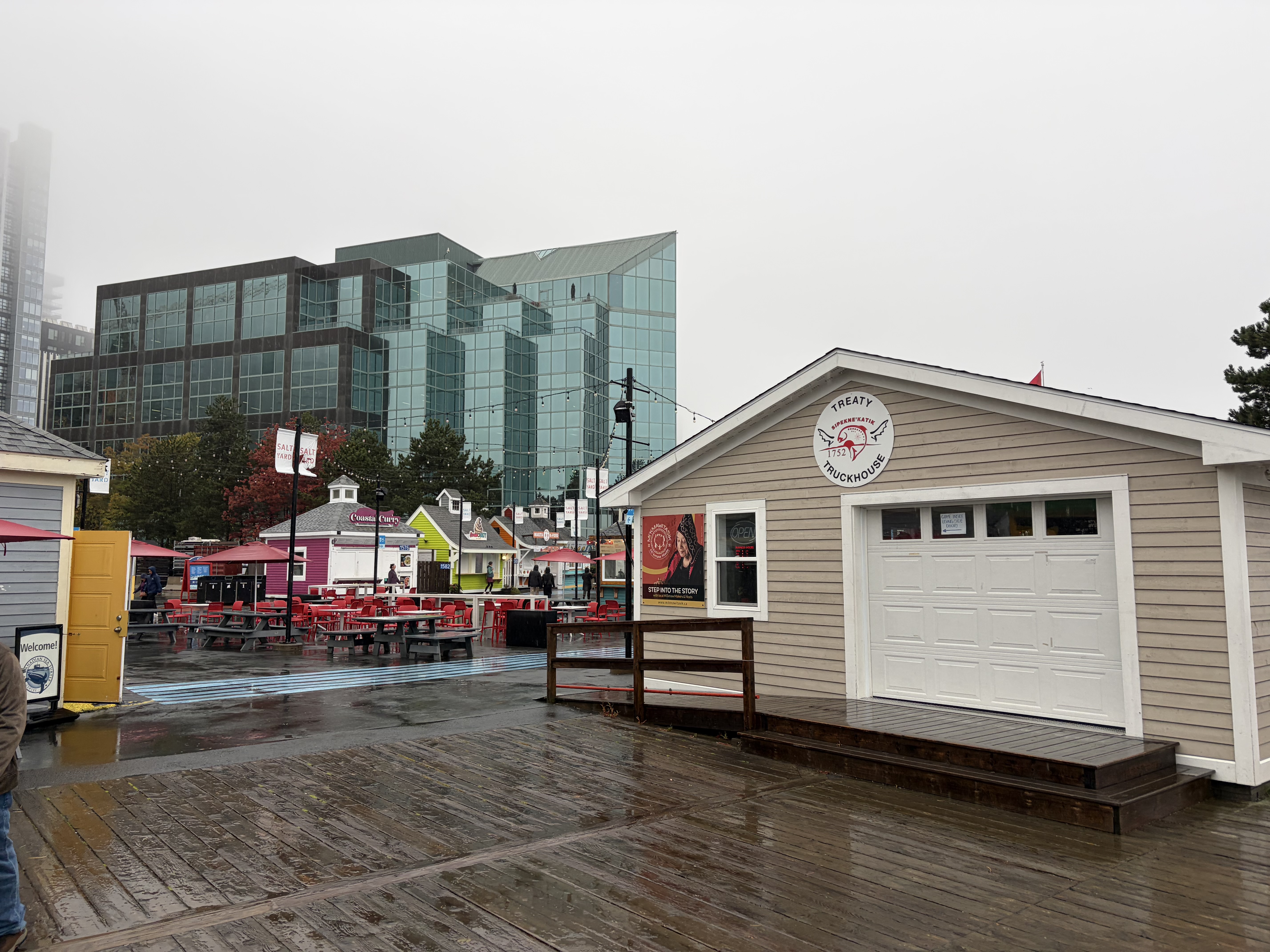
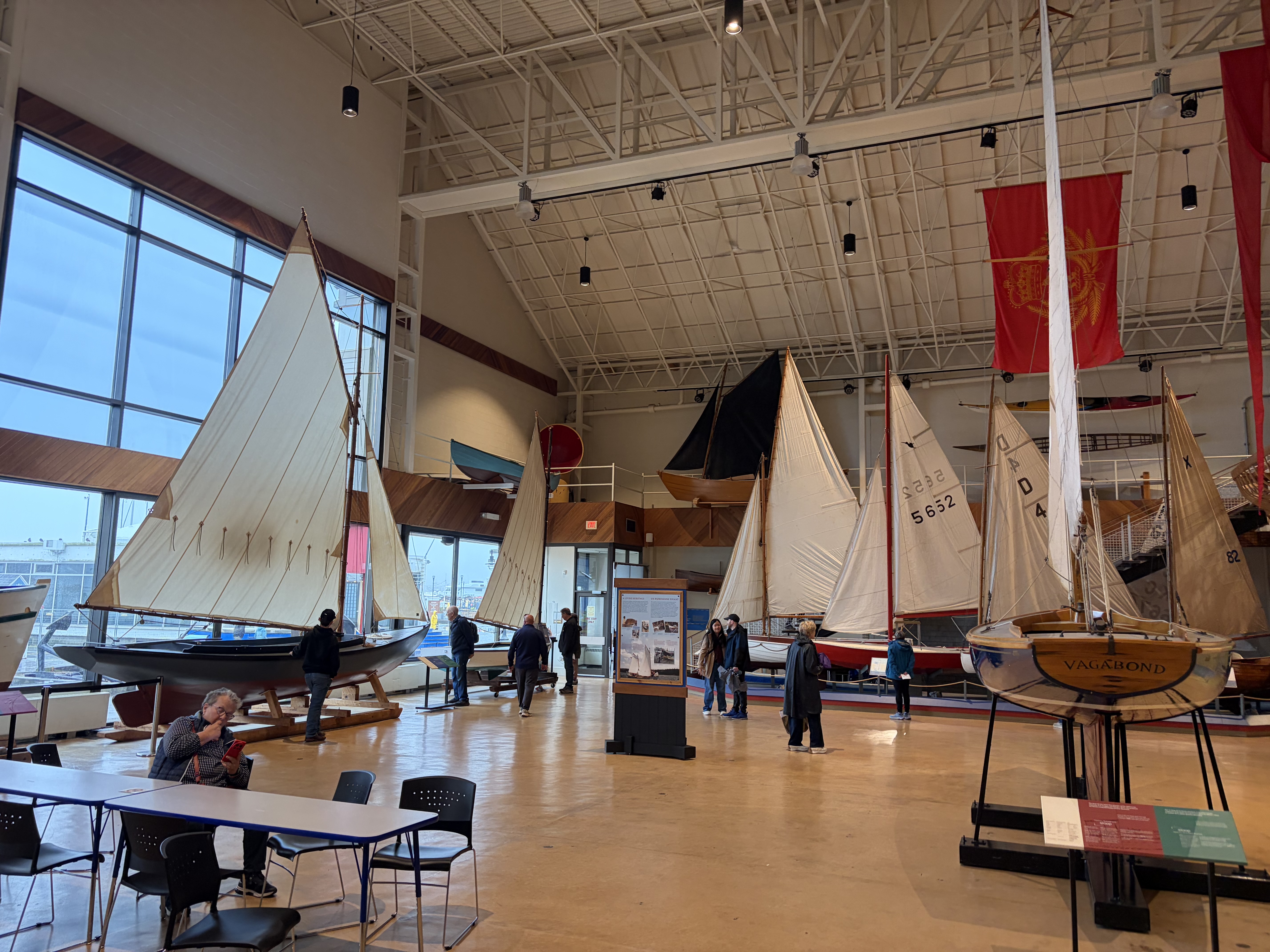
We meandered our way to the Maritime Museum. These museums seem to have incredible stories if you have the patience to read the plaques. One crazy story I heard about occurred in 1917 when a French cargo ship containing 3,000 tons of explosives for WWI collided with a Norwegian relief ship in the Halifax harbor. The resulting explosion killed 2,000 people, injured 9,000 and destroyed homes as far as 5 miles away from the blast site. It was, at the time, the largest human-made explosion in history, a record only beaten by the atomic bomb.
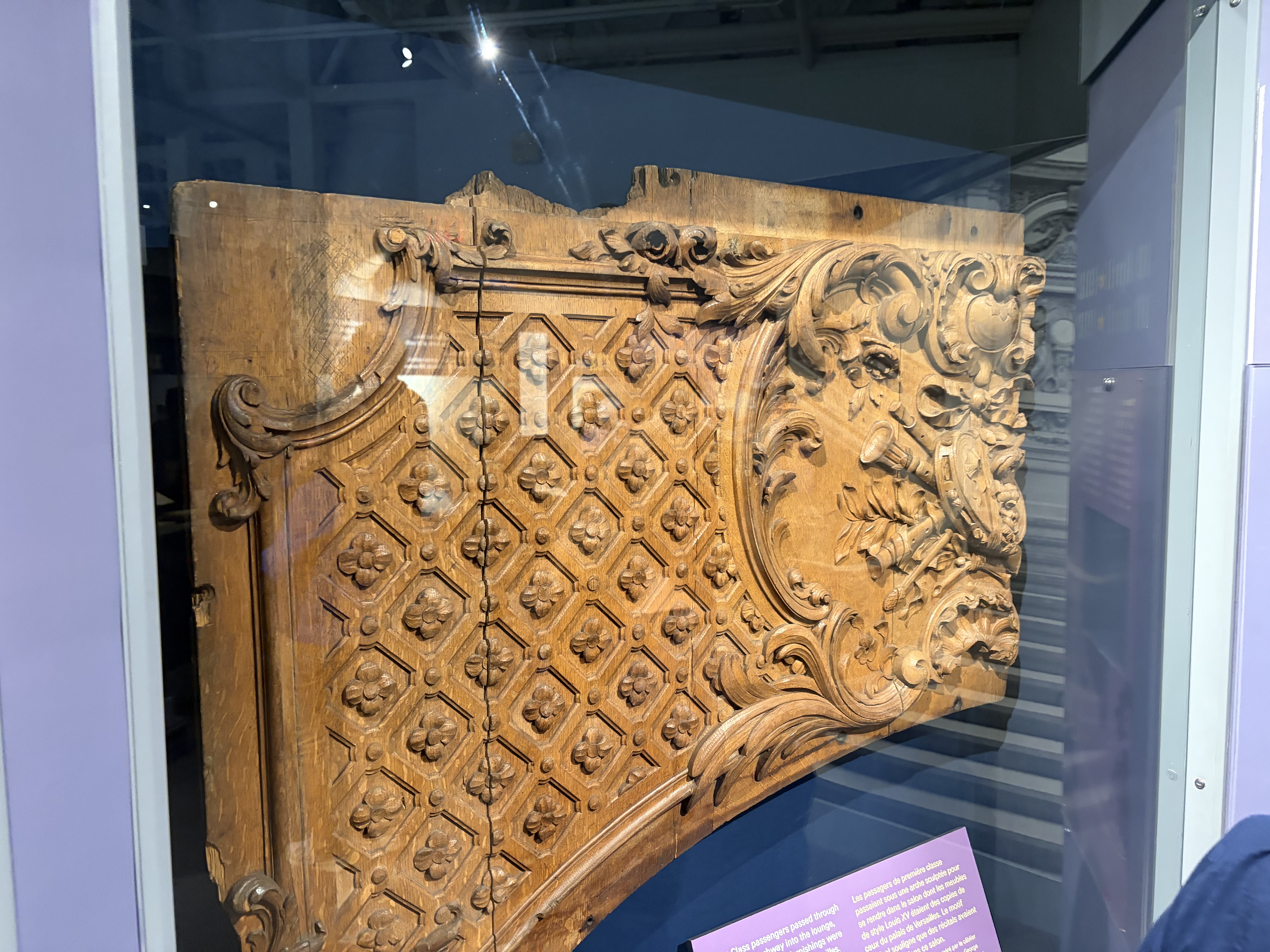
The museum also had numerous artifacts from the Titanic. When the ship sank, the survivors were taken to Halifax, the nearest large city. About 200 victims are buried in Halifax’s cemeteries.
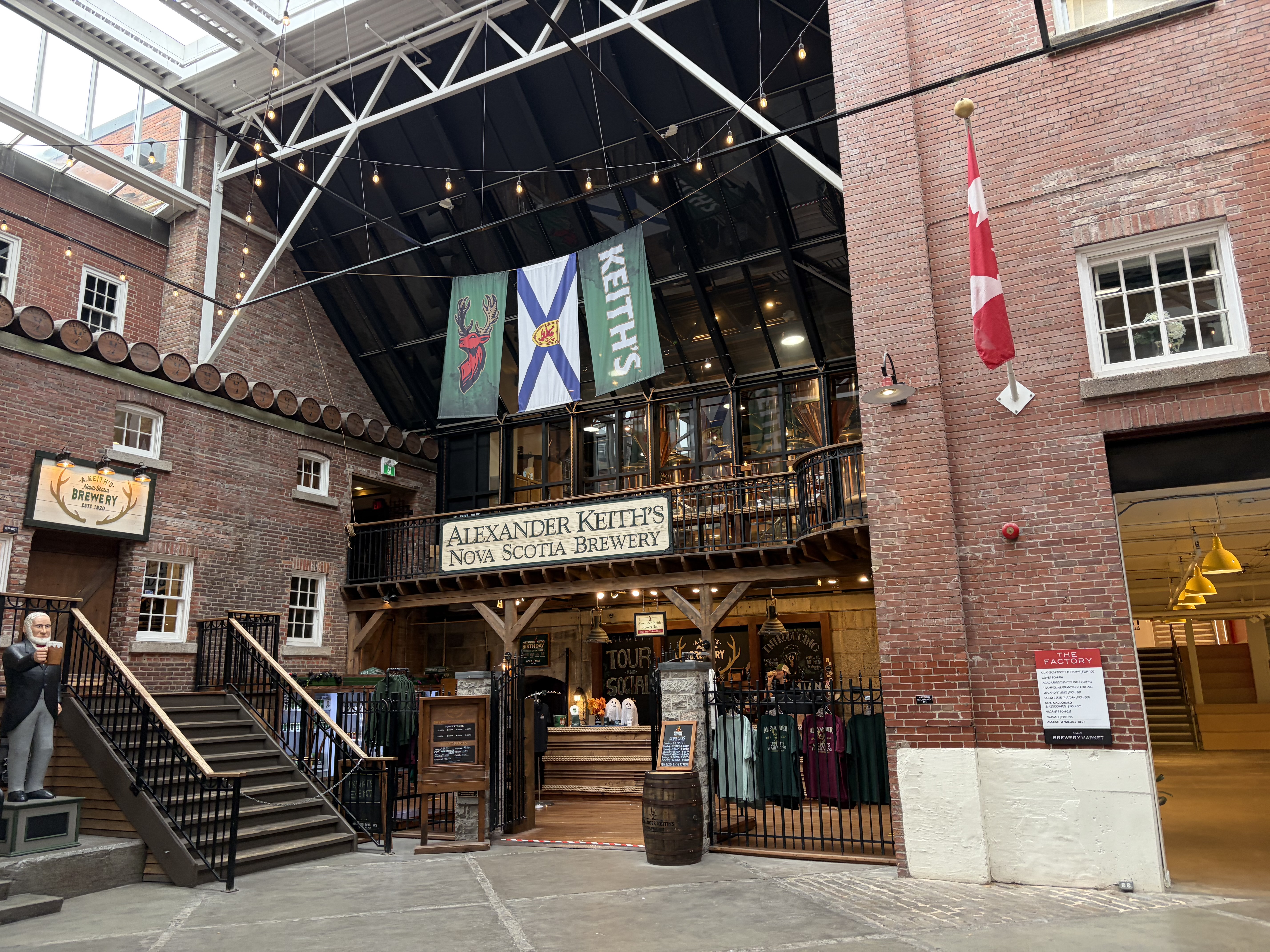
When looking for nearby things to do, I noticed a tour of the Alexander Keith’s Brewery. It was a very expensive $35 Canadian but got rave reviews so I decided to give it a try. It was certainly unlike any other brewery tour I’ve ever been on.
The brewery was founded in 1820 by a Scottish immigrant named Alexander Keith. His signature style beer was an India Pale Ale (IPA) which was popular during the British Empire of the early 1800’s – and funnily enough today during the craft beer movement. The brewery is original to the 1800’s but in the late 1990’s then-owner Labatt moved production to a larger facility. The original brewery became purely for brewery tours. Since it no longer functioned as a “real” brewery, Labatt turned it into a tourist attraction. The rooms were restored to their early 1800’s appearance. Each room had costumed staff, strategically placed pours of beer and a full-on sea shanty concert in the final room. Today the brewery does actually brew beer again – their pilot programs. Overall, I was very entertained.

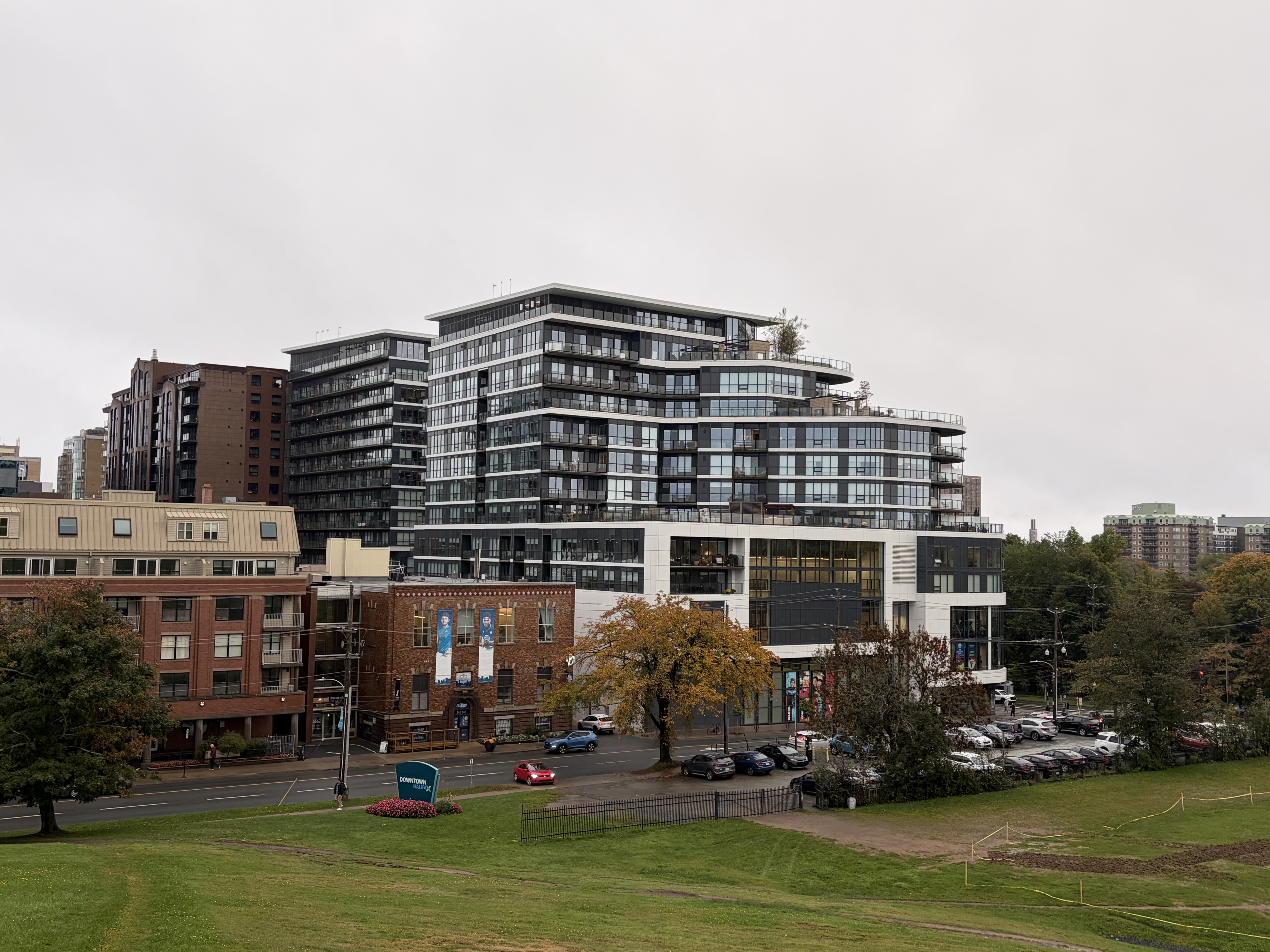
Maisie, Udo and I then walked around downtown Halifax. Our overall impression is that it is way nicer than a similar-sized American city.
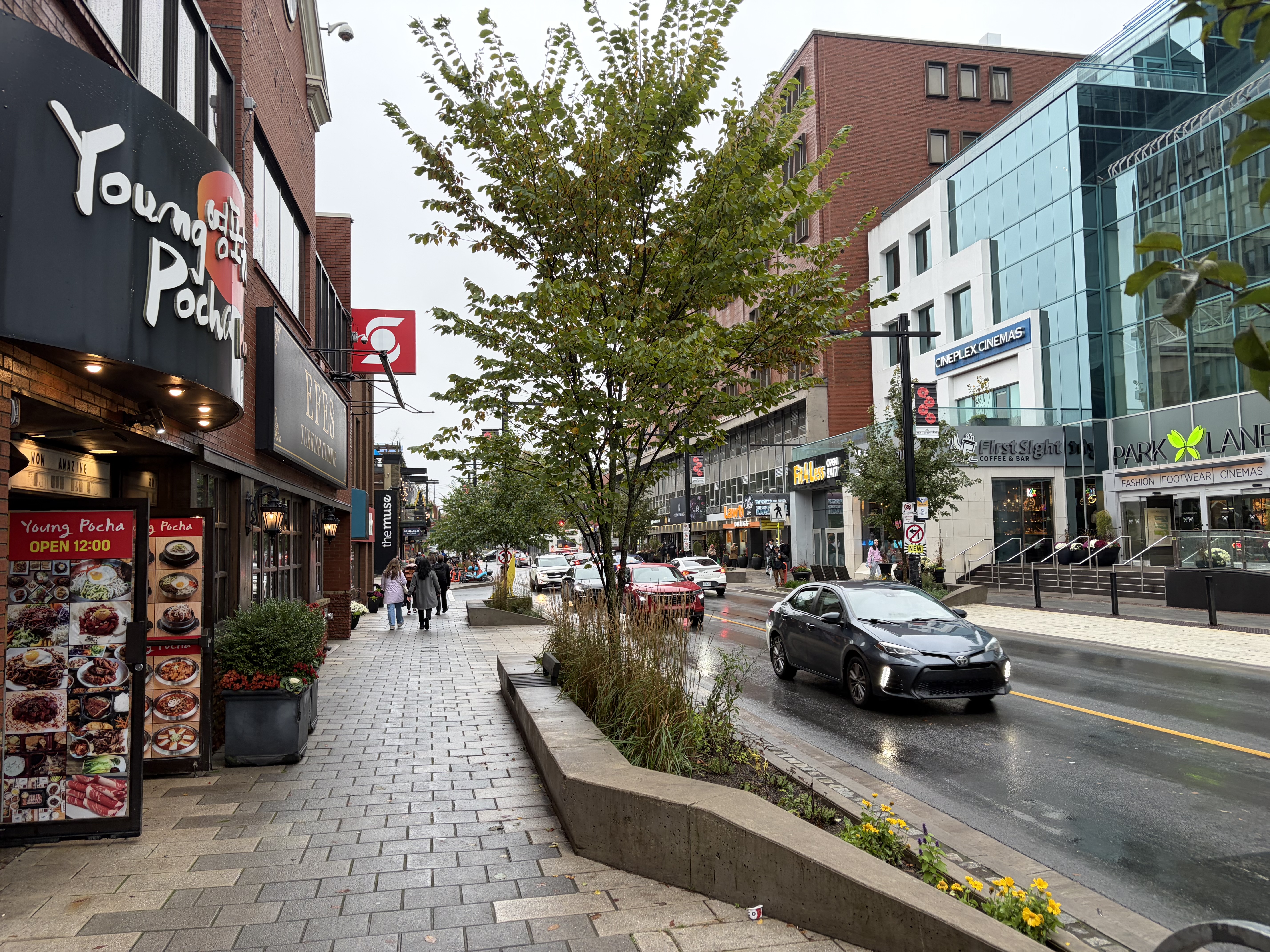
There are luxury apartment towers that are as nice as anything in New York/Chicago and there are tons of luxury stores.
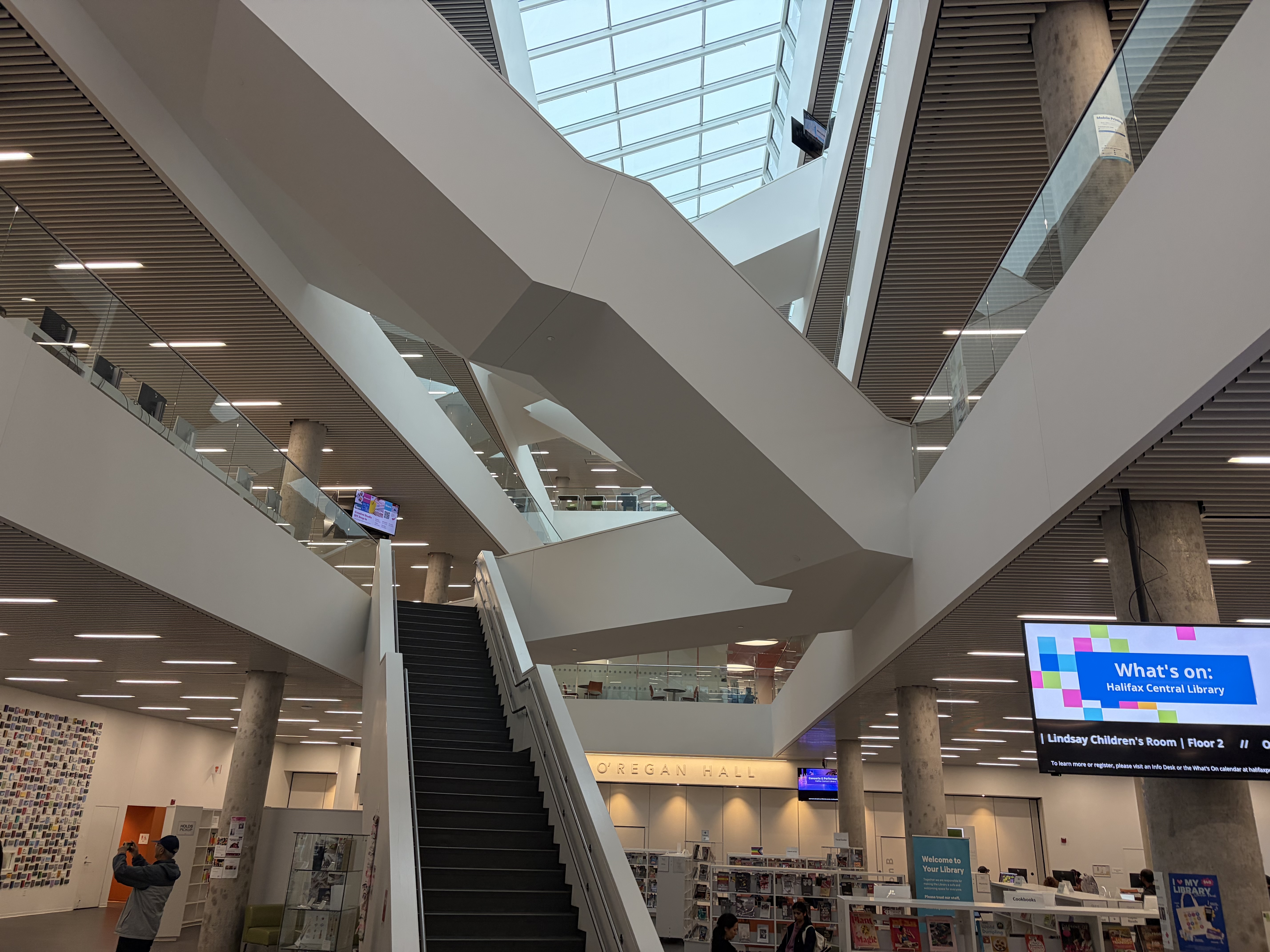
The public buildings like the library are also stunning. All this in a city half the size of Tulsa, Oklahoma.
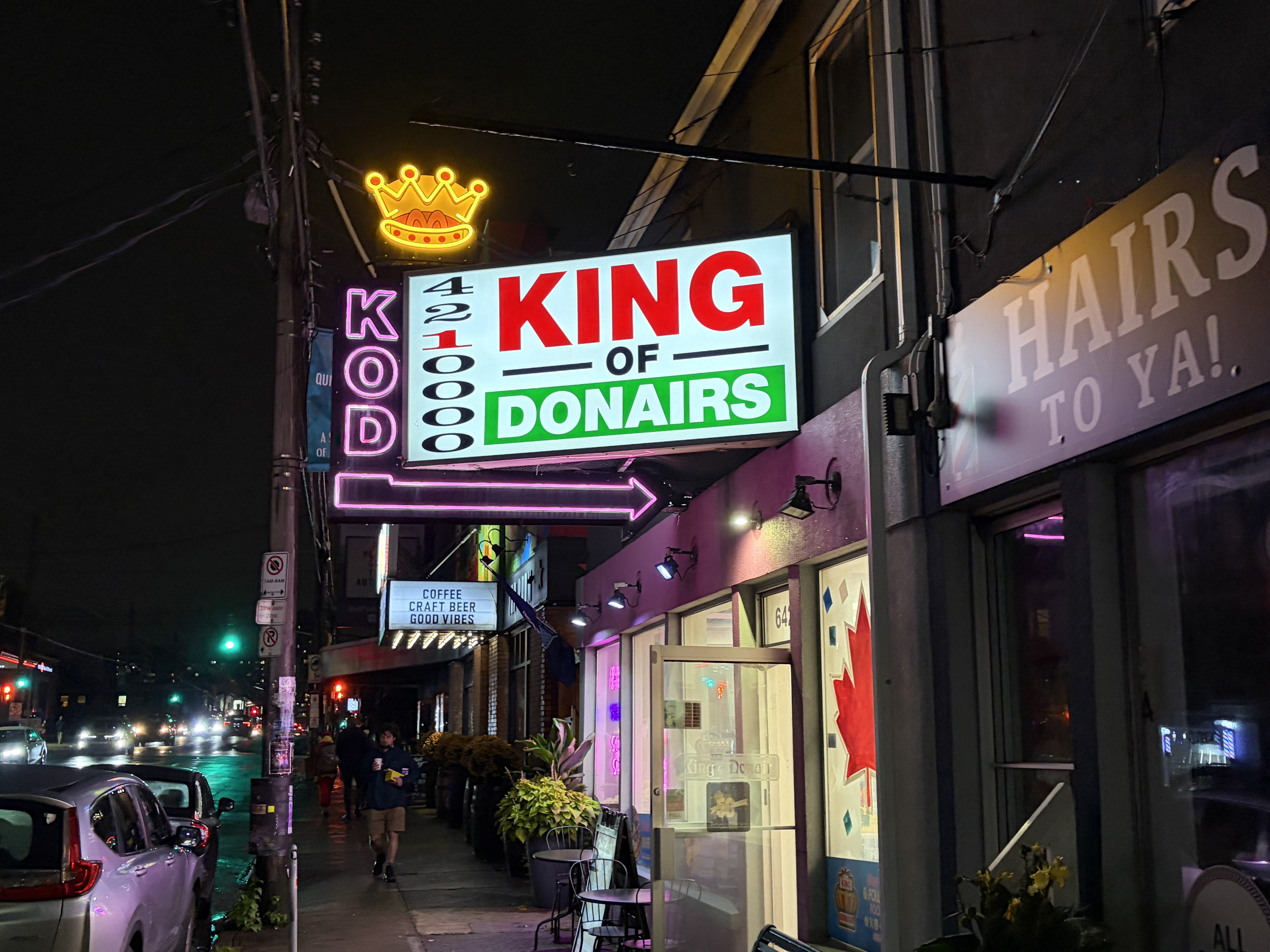
For dinner, we ate Halifax’s official food: the donair. The donair was invented by Greek immigrant Peter Gamoulakos who didn’t think that Canadians in 1971 had the palate to enjoy gyros. So instead of a typical gyro tzatziki sauce, he instead created a very sweet donair sauce made from condensed milk, sugar, garlic and vinegar. Gamoulakos’s restaurant, King of Donair, is still around in Halifax and has been visited by many celebrities. The dish also has spread all around Canada. Personally, I prefer a normal pita gyro but the donair was interesting.
October 14, 2026: The Citadel
The next morning before heading out, we stopped at the Halifax Citadel, a historic military fortress that dominates the city center.
The first citadel was built in 1749 to protect the newly built city of Halifax, which was a purpose-built capital. The current citadel, the 4th, was built in 1828 and is a traditional star fort design.
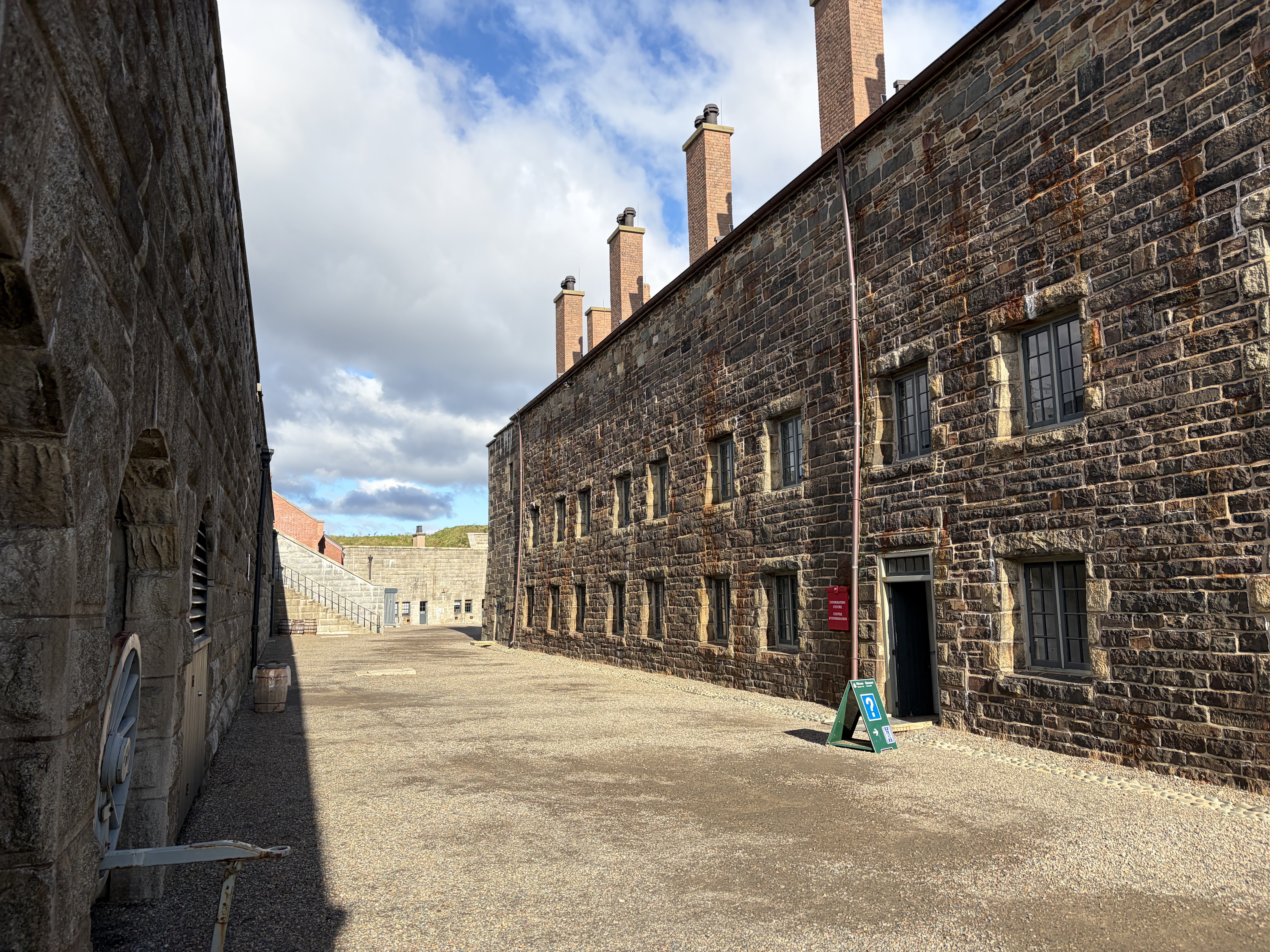
The fort was impressive but the wind was really strong. So we didn’t stay for very long. It was then time to head south to start our road trip around Nova Scotia.
Final Thoughts:
Halifax is a very nice city – way nicer than I was expecting. Despite its small size, it is dense, walkable and surprisingly fancy. While I was able to see the main highlights in a day and a half, I wouldn’t have minded to spend more time there to explore more neighborhoods such as Dartmouth and really walking around the north end. It’s a real bummer the flight got delayed.
Leave a Reply