
Why Southern Sonora:
I was finishing up a work training in Orange County and wanted to travel over the weekend. Since I was relatively close to the Tijuana Airport, I decided to see if there were any interesting destinations I could fly to from there. Ciudad Obregon ended up being the best location in terms of price and flight timings.
Ciudad Obregon is constantly rated as one of the most dangerous cities in the world (its currently #3). I discovered that Sonora’s two Pueblos Magicos are two hours in opposite directions from Obregon. Even though I only had just two full days, I would try to see them both and would stay away from Obregon itself.
January 23, 2026: Carne Asada
After wrapping up my training, I got lunch with my cousin in San Diego before heading down to the Tijuana Airport. The airport has a cool program called Cross Border Xpress (CBX) where you park your car in the United States and then cross on a special bridge directly into the airport. So, there is no need to actually be in Tijuana. CBX costs about $45 USD for the roundtrip journey but in exchange you get access to the Mexican domestic flights and a rapid customs line.
The flight itself took 90 minutes. I sat next to a local medical salesman who gave me some good pointers. He said that Obregon itself is okay so long as you are not out late at night. He even gave me some restaurant recommendations.
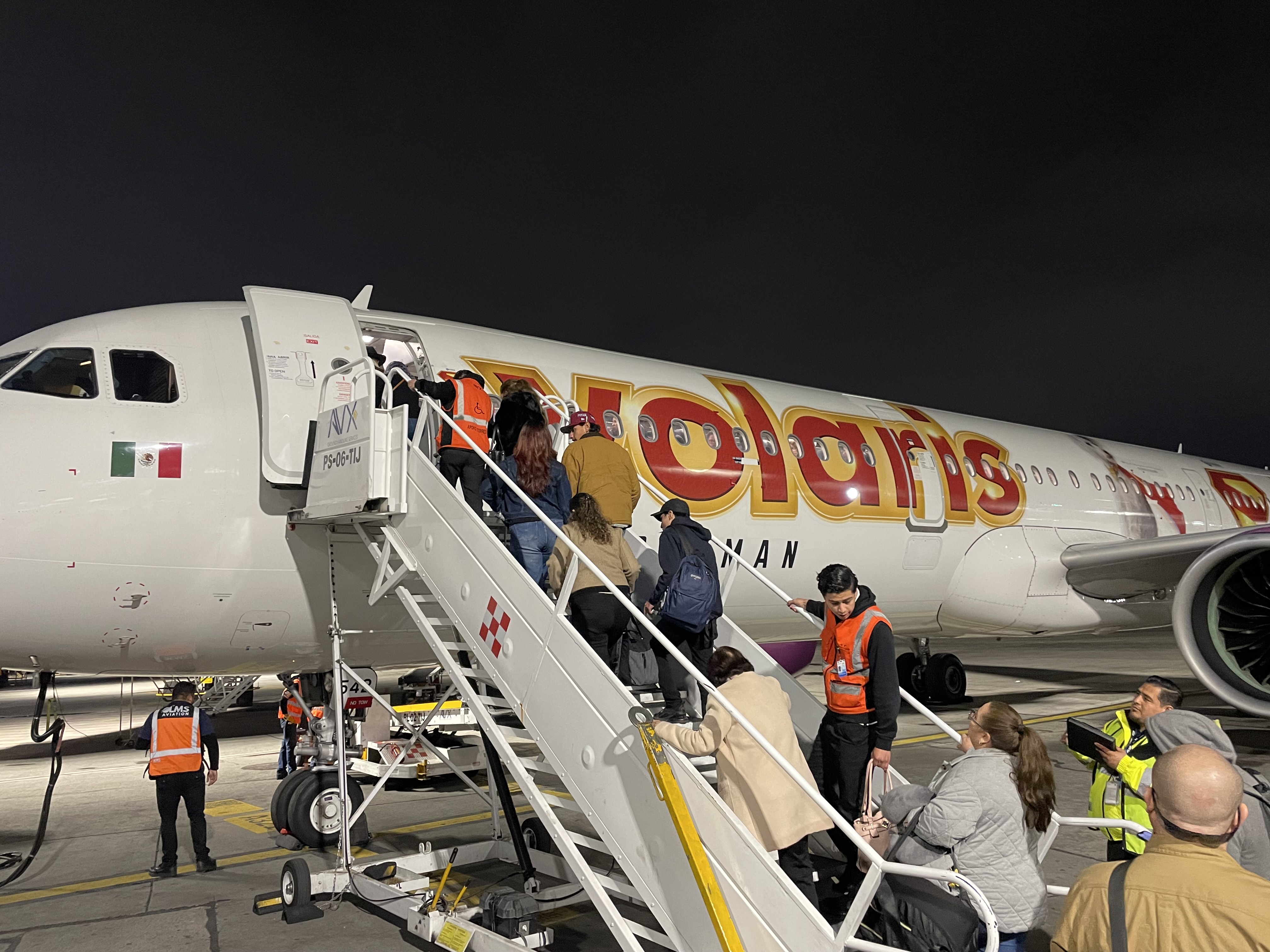
After landing, I picked up my rental car- a poor-quality Renault. I then drove 30 minutes south towards the safe town of Navajoa where I would be staying the next two nights in a motel.
The roads here were fine quality but the driving was difficult. The main obstacles are speed bumps which are marked but not marked well and are much steeper than speed bumps in the US. They appear randomly on highways. There are wild dogs that chase your car. There is also a wide variety of speeds at which people travel: rich people in G Wagons might go 130 km/hour but a barely functioning stake bed truck full of produce might be traveling 40. Adding to the difficulty was the car, which hit top gear at just 50 km/hour.
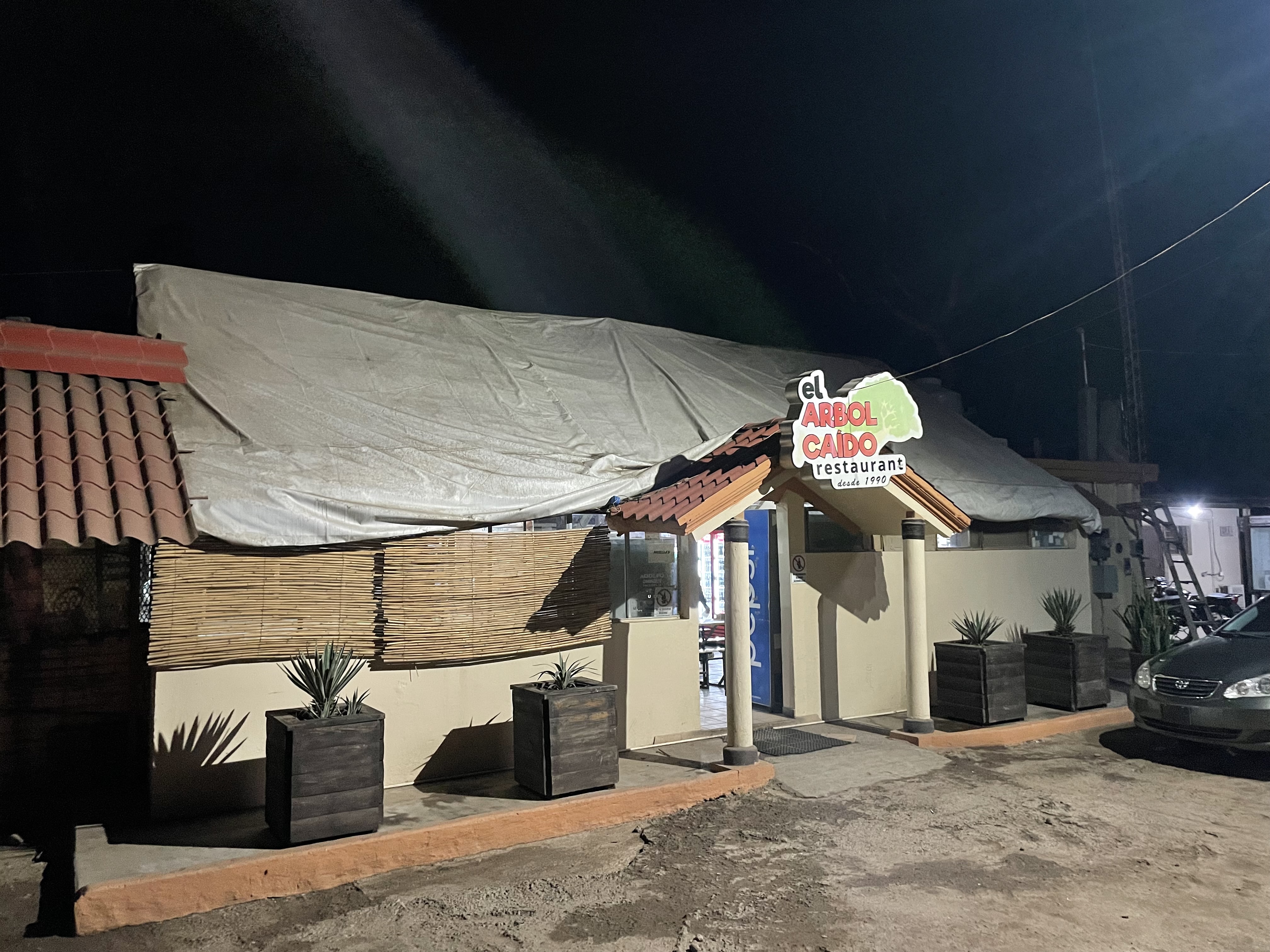
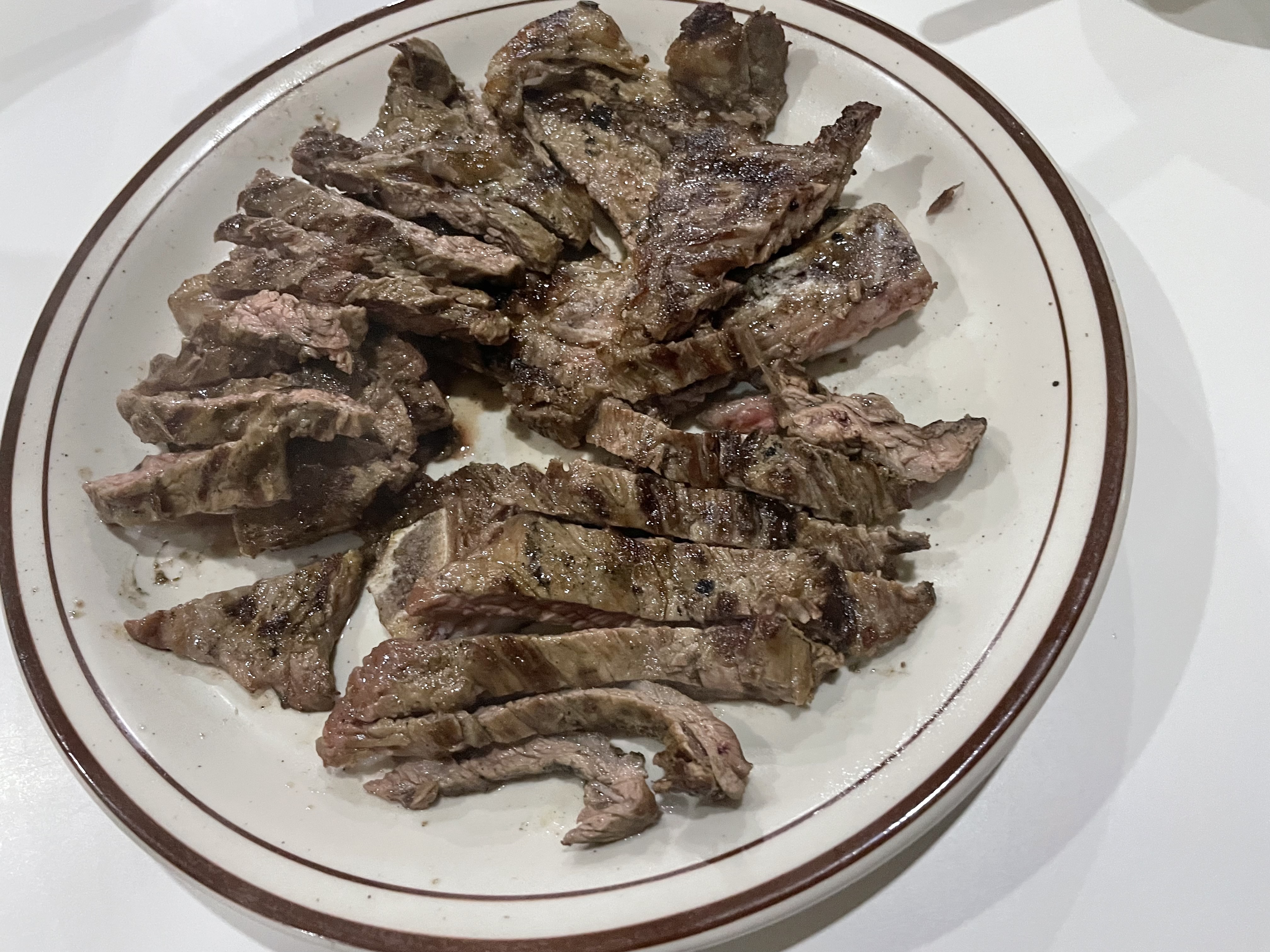
Just outside Navajoa, I stopped at a carne asada restaurant called El Arbol Caido. Carne asada (literally grilled meat) is thought to have originated in Sonora. Sonorenses (people from Sonora) believe they have the best carne asada in the world. I ordered the plate which included a side of flour tortillas- another specialty of Sonora. It was delicious and only about $12 USD.
I then drove to the hotel, checked in and went to sleep.
So far, not one person I have encountered has been able to speak English. I am very thankful that I am somewhat proficient in Spanish.
January 24, 2026: Alamos
Today, I headed to the town of Alamos – 75 minutes east of Navajoa. Alamos is considered the prettiest colonial town in all of northwestern Mexico. Alamos is the northernmost of Mexico’s famed silver cities. Millions of ounces of silver have been mined here. The beautiful architecture comes from this mining wealth.
Overnight it rained heavily – wildly unusual for this time of year. It does rain in Sonora but typically only in the summer. It typically rains 8mm (0.3 inches) over the winter but last night it rained more than 30mm (1.25 inches). Instead of a typical high of 25 C (77F), it was 14 C (57 F). Good thing I brought a jacket!
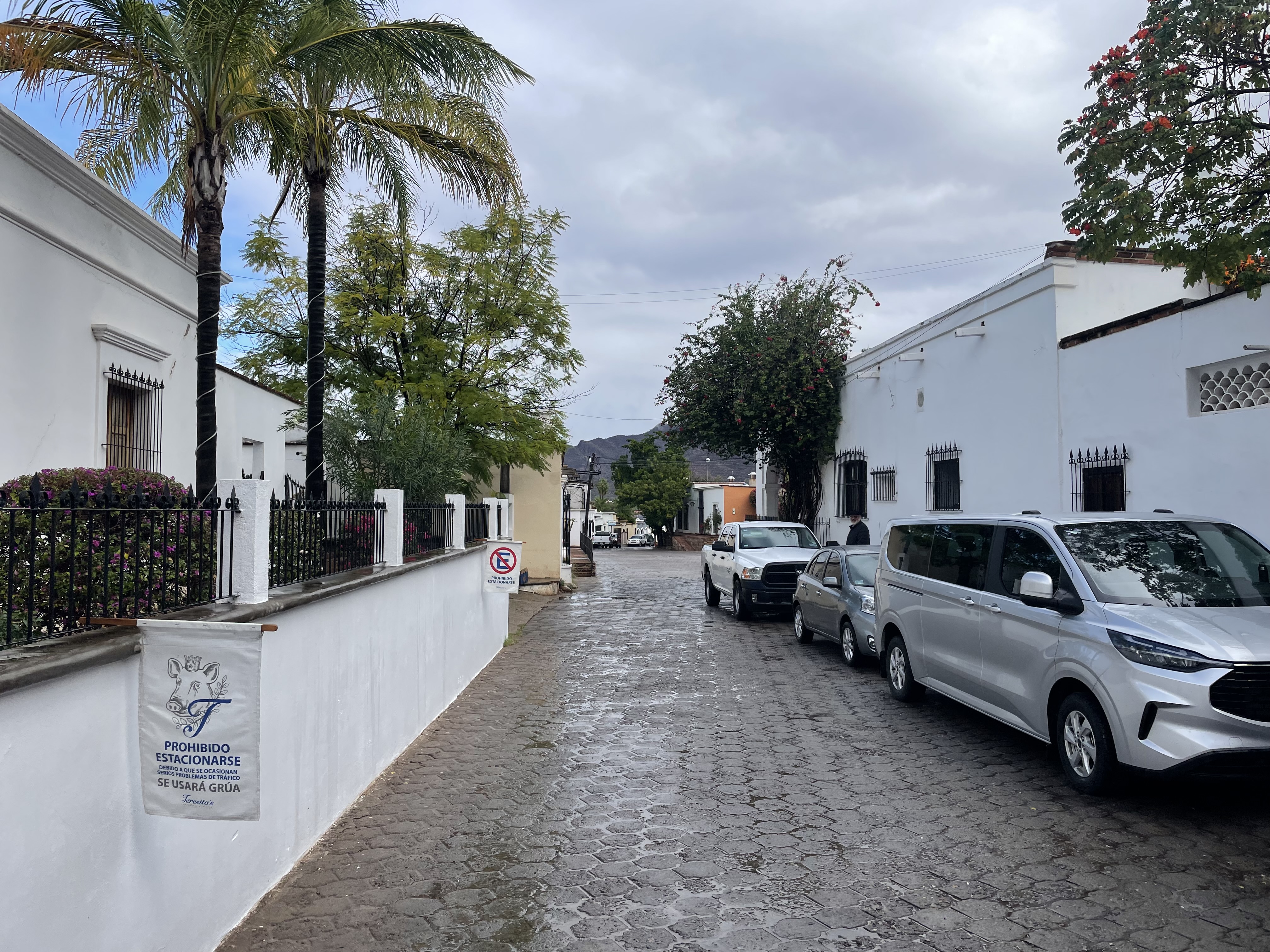
I left the hotel at 9:00 after most of the rain had fallen. The drive was easy along a well-paved desert highway. By 10:15, I had reached Alamos. The entrance of the town was marked by a gigantic archway.
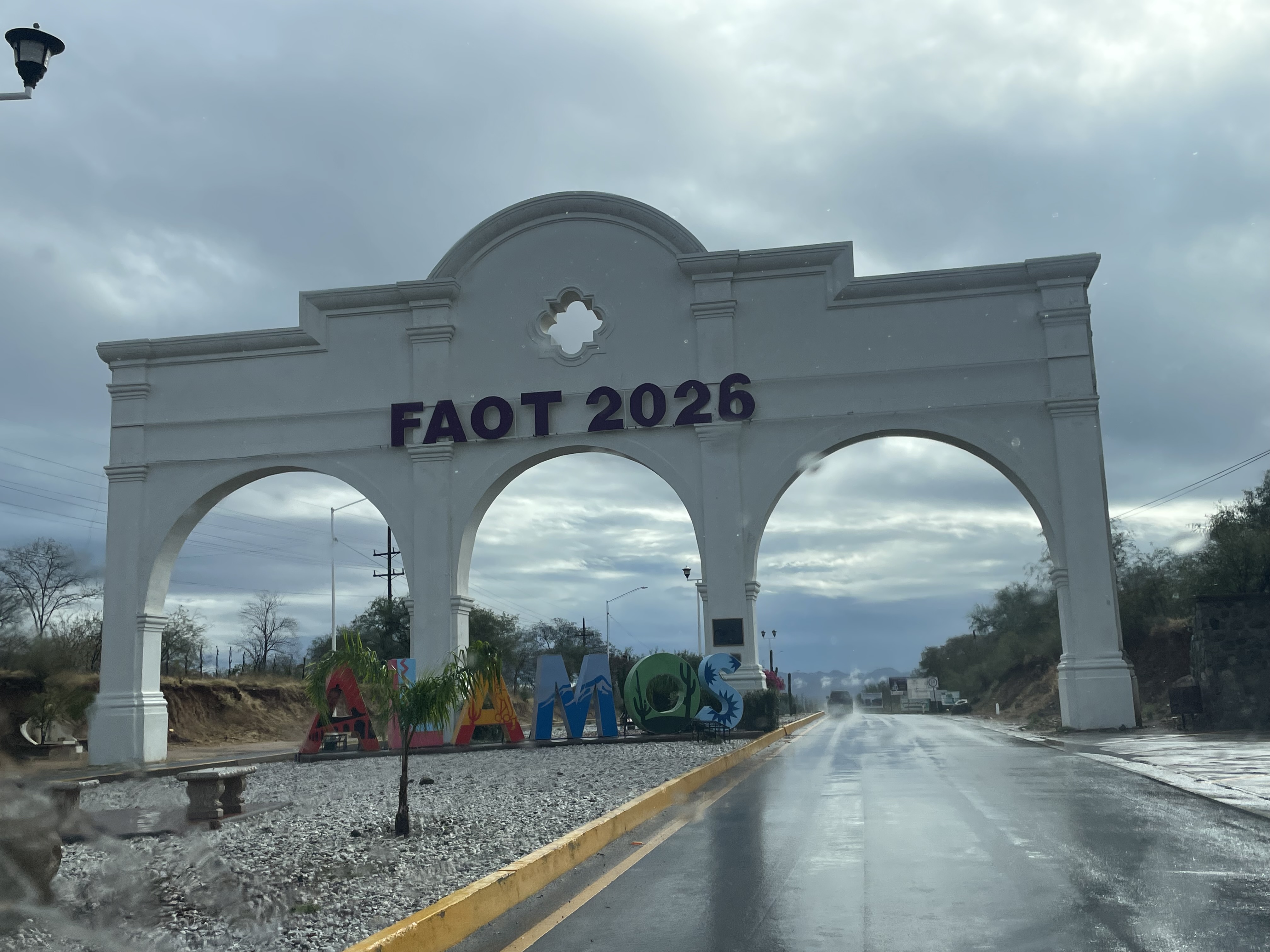
As luck would have it, today was not a normal day in Alamos. It was the start of the weeklong Festival Alfonso Ortiz Tirado – the city’s biggest event. This multi-genre music festival draws performers from all over the world and tourists from all over Mexico. The first festival acts start in the afternoon, so I had the morning to explore the city.
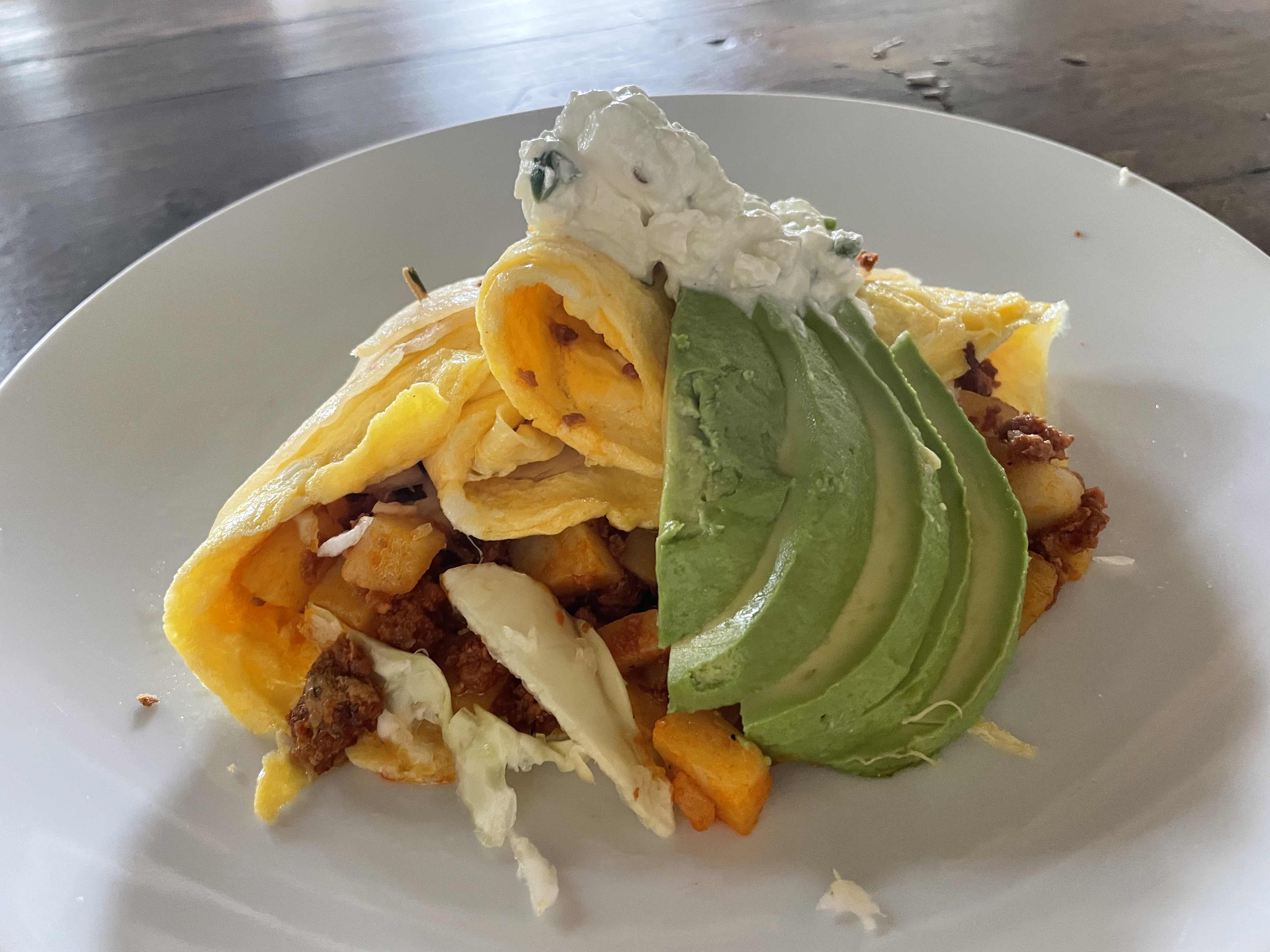
I started with breakfast at Teresita’s where I ordered the burro. Burro and burrito are often used interchangeably, but some in northern Mexico consider burritos to be a wrap and burros to be a folded tortilla dish. While there is no consensus on the origin of the burrito – one of the many origin stories comes from Sonora and states that people in the 1800’s would substitute donkey meat.
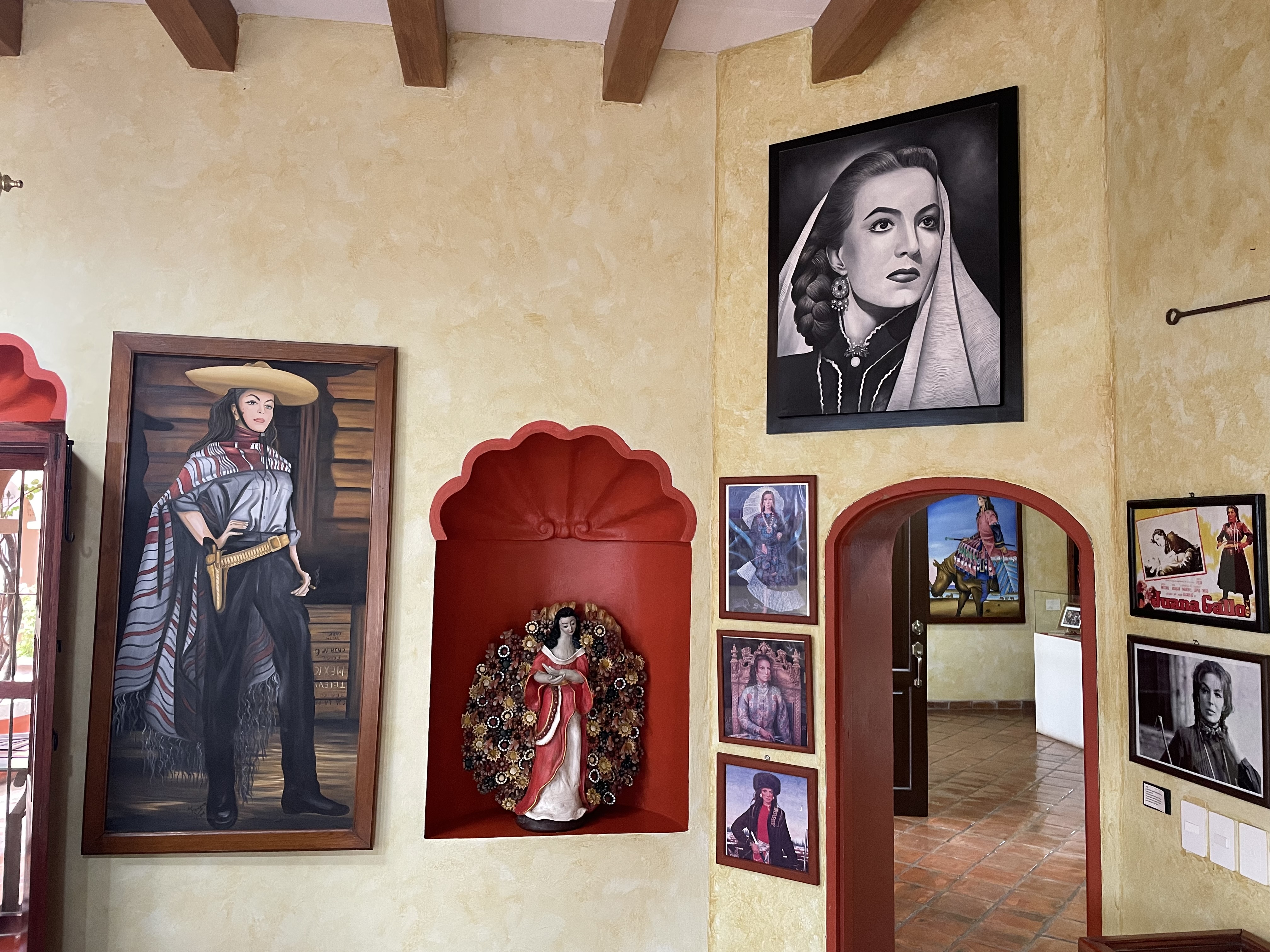
Next, I visited the home of Maria Felix, the original diva of Mexican film. The home has been converted to a hotel but some of the rooms comprise a small museum. The museum is decorated almost exclusively with paintings of Sra. Felix. It’s a vibe for sure.
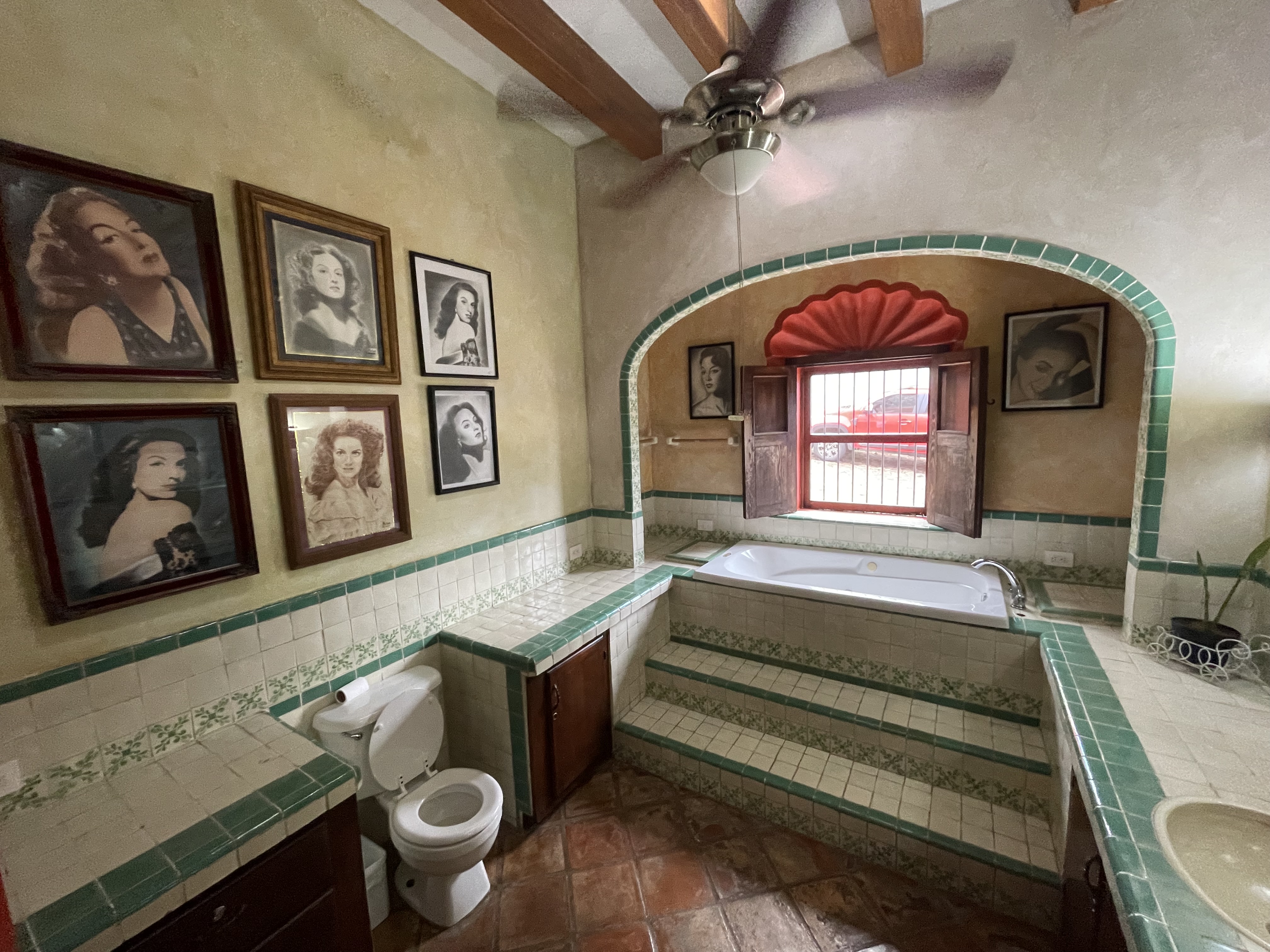
The most impressive room was the bathroom.
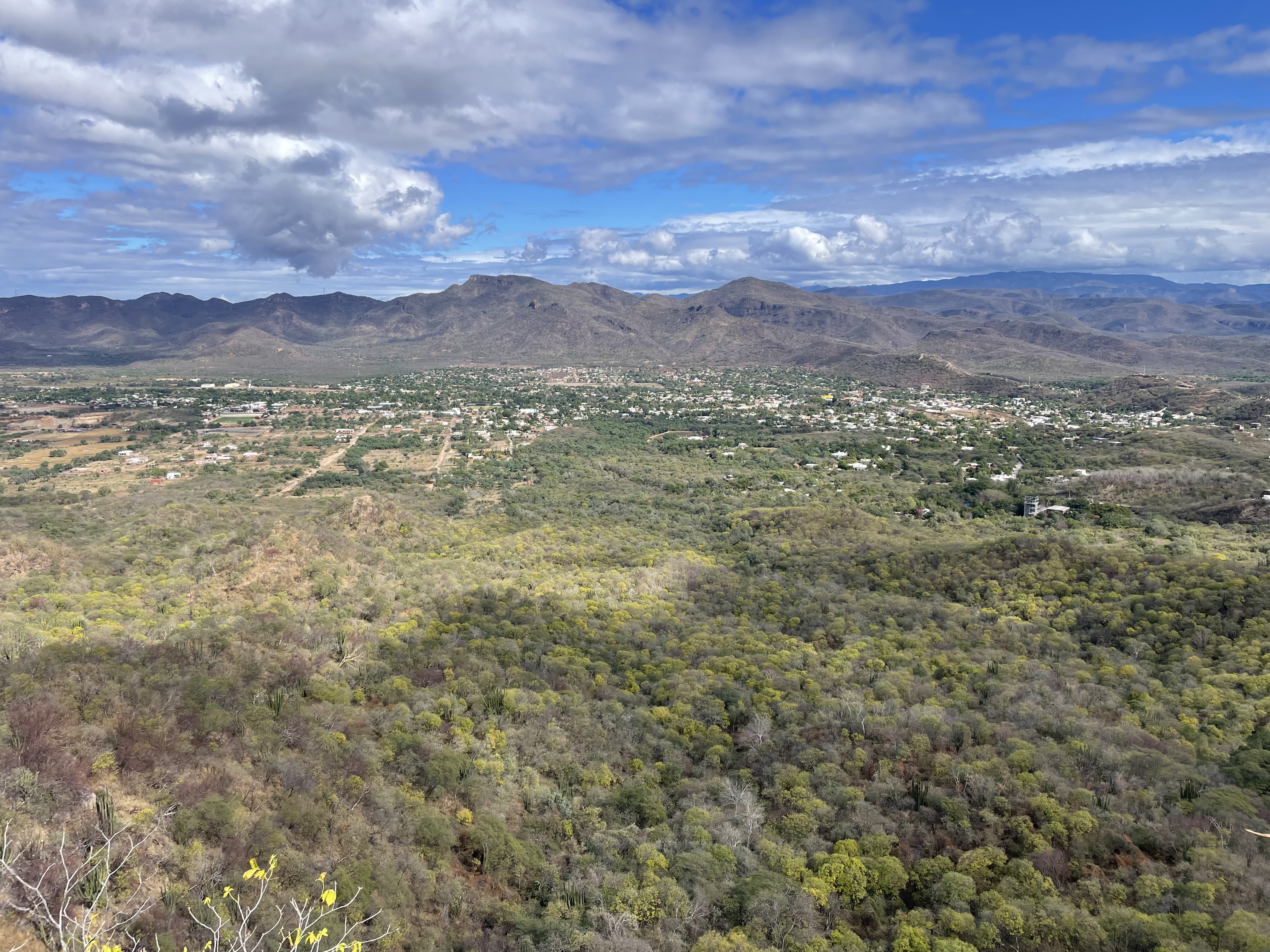
Next, I went for a hike in the Parque La Colorada. This beautifully maintained natural park has a multitude of trails that climb the nearby mountains.
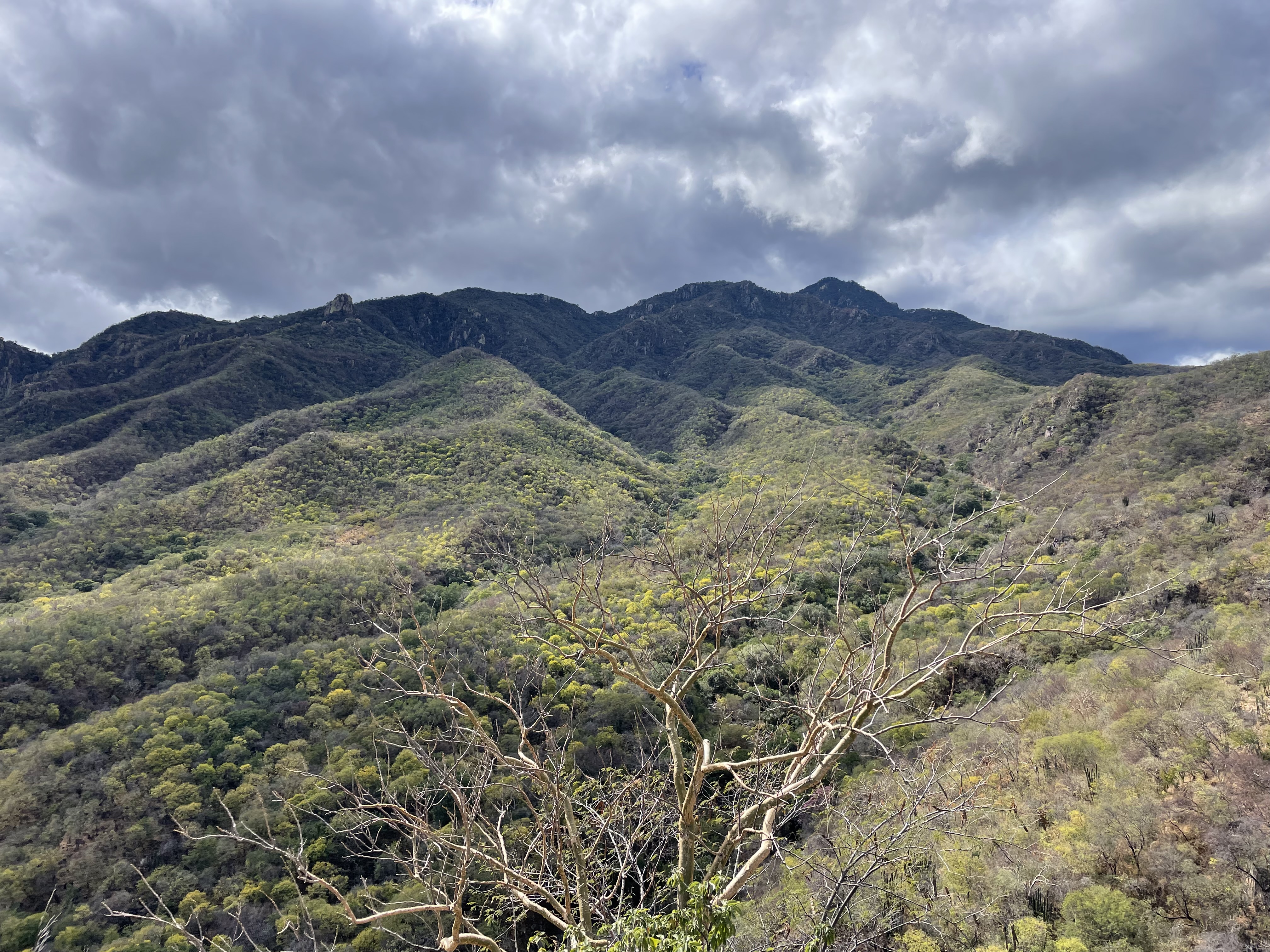
There were some spectacular views of the valley.
Back in town, I finally walked into the historic center. It is all set up for the festival with multiple stages in the various plazas, sponsorship pavilions and streets of vendors.
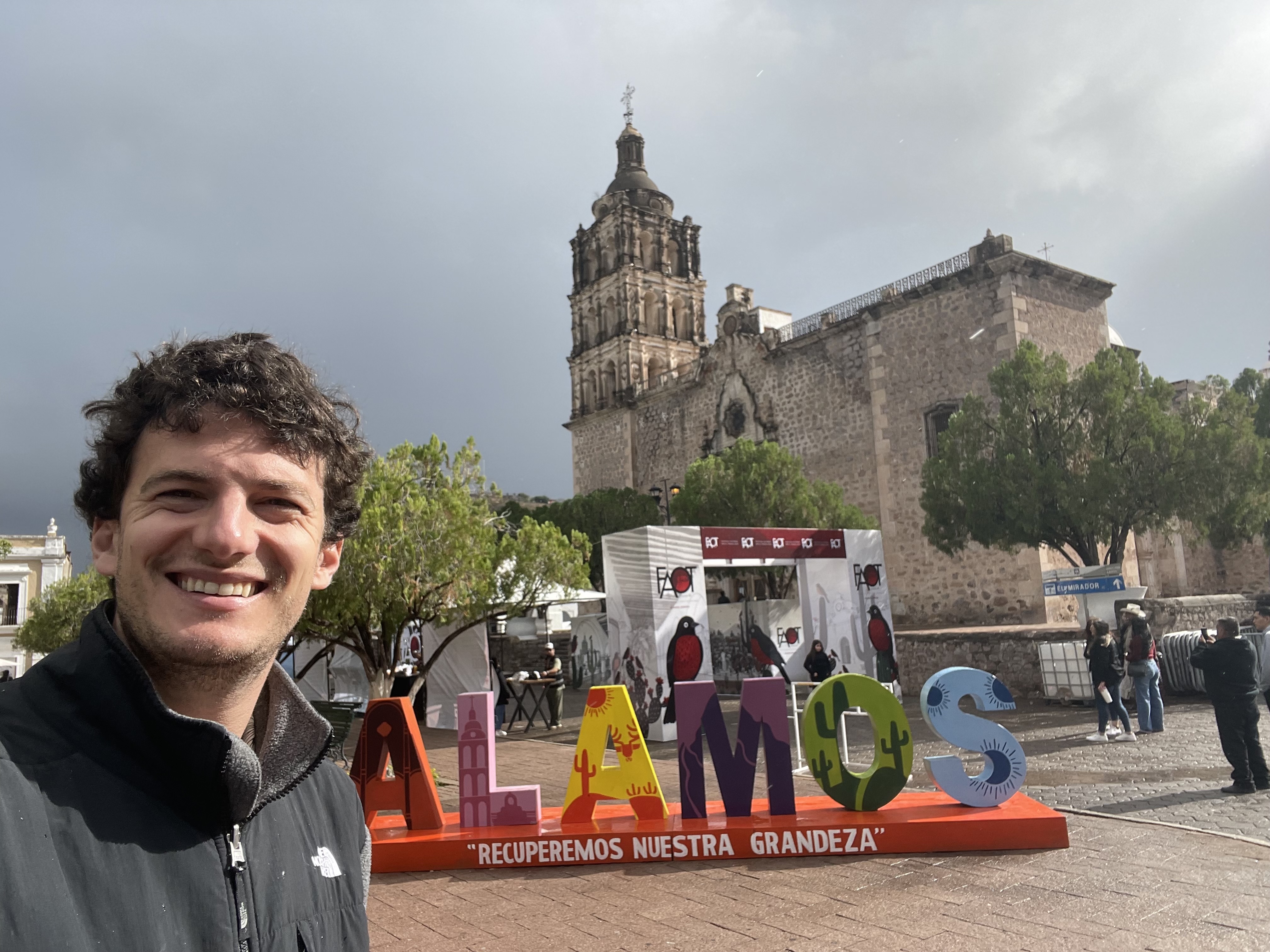
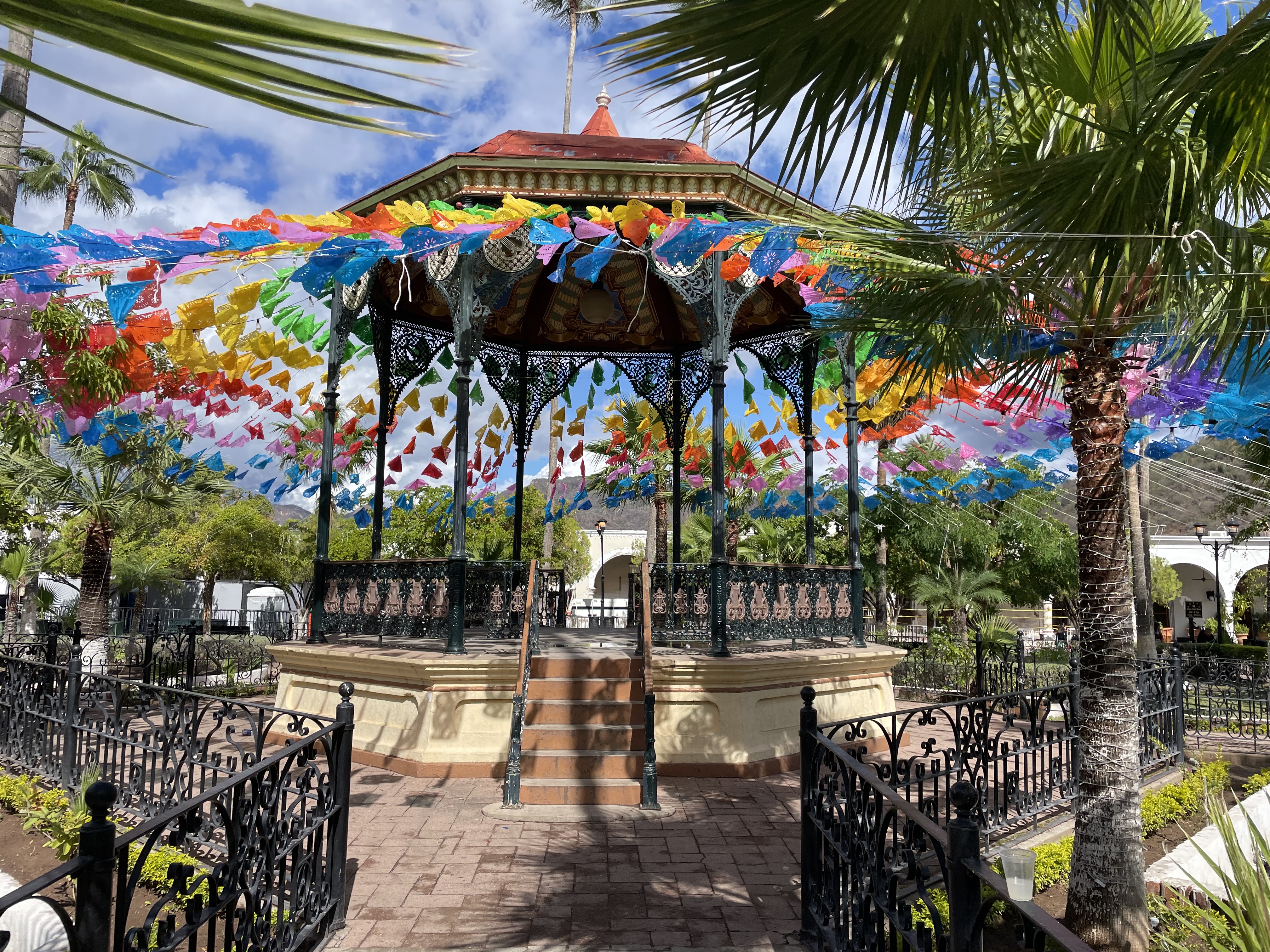
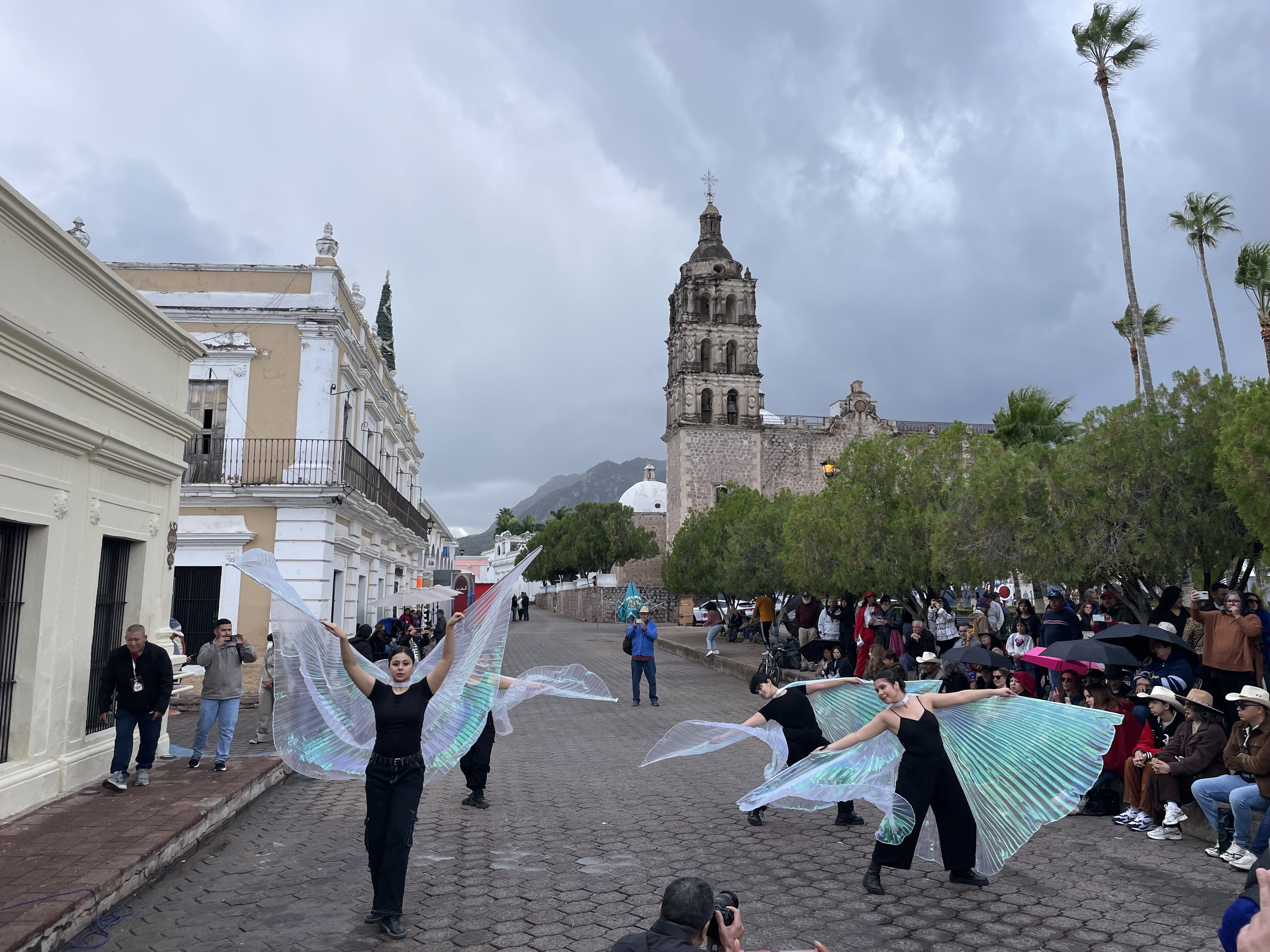
The first performance of the day was a dance performance taking place in front of the history museum. Unfortunately, a freak rainstorm disrupted the performance.
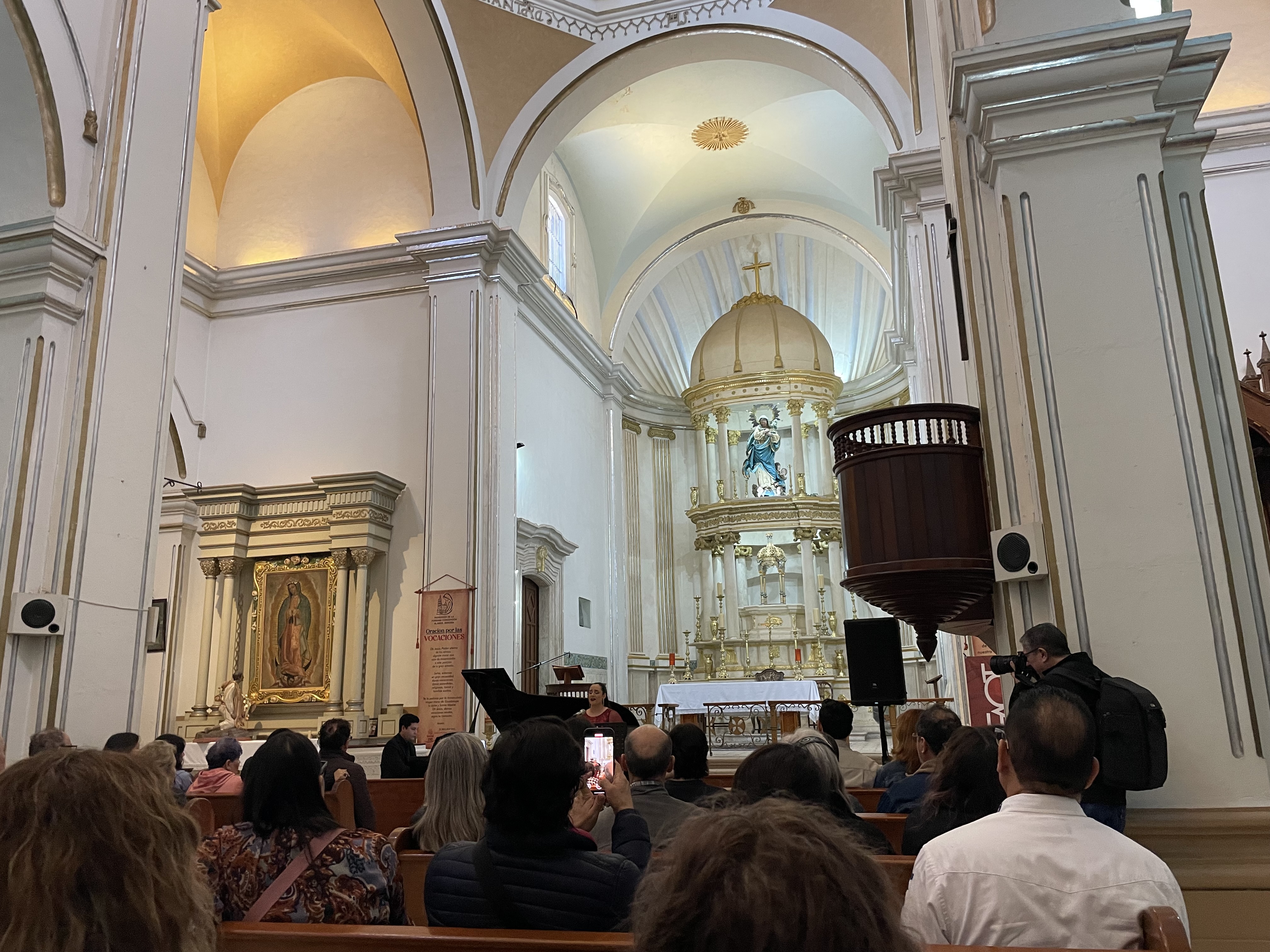
At 17:00, I headed into the church for another performance. This time, it was a soprano singing German songs. During the performance, it apparently rained a lot outside.
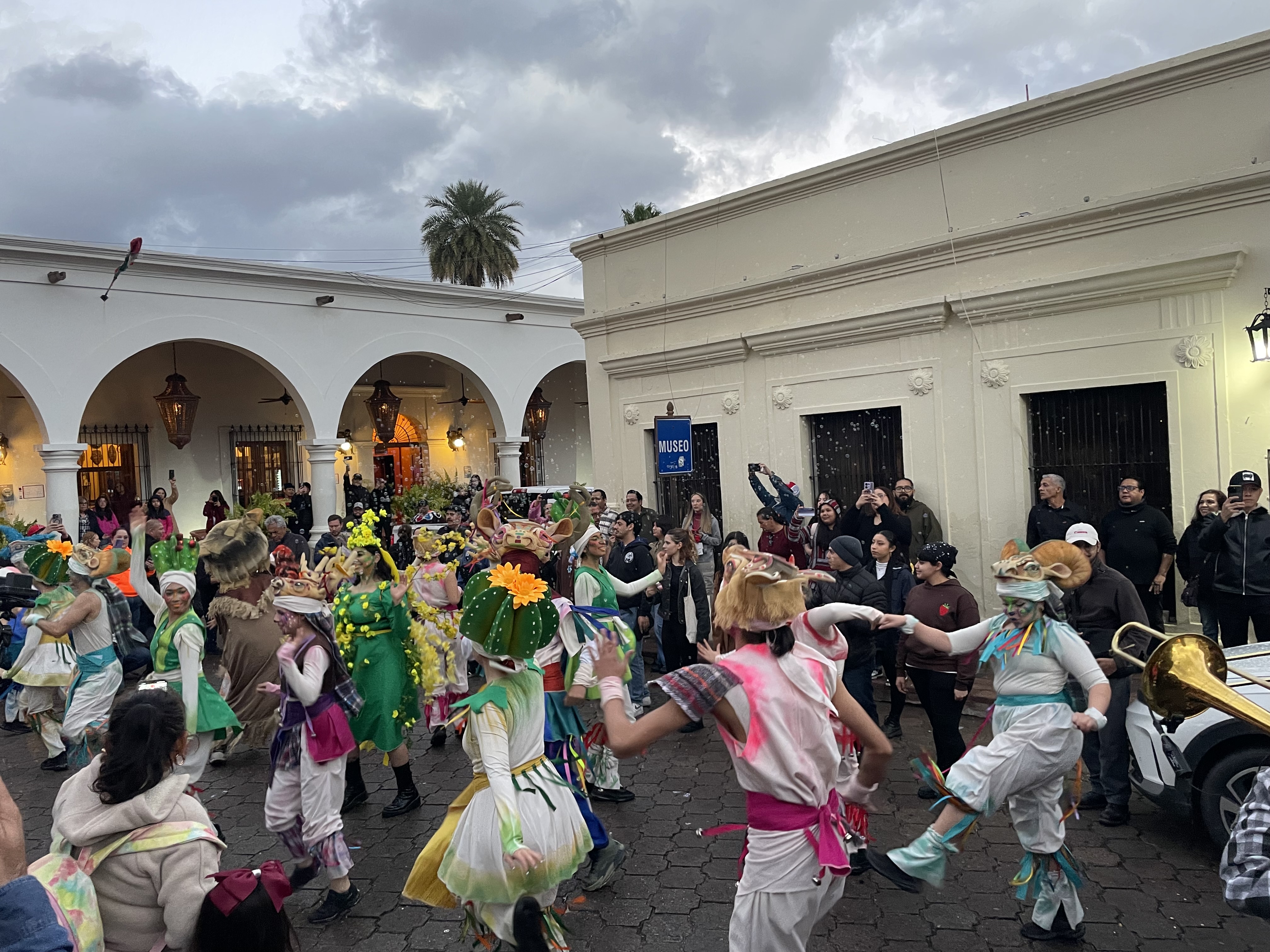
Afterwards, I gathered in the square and noticed a marching band and dancers dressed like animals and plants of the desert. With the backing of the band, they marched and danced their way through the streets of the town to the second square.
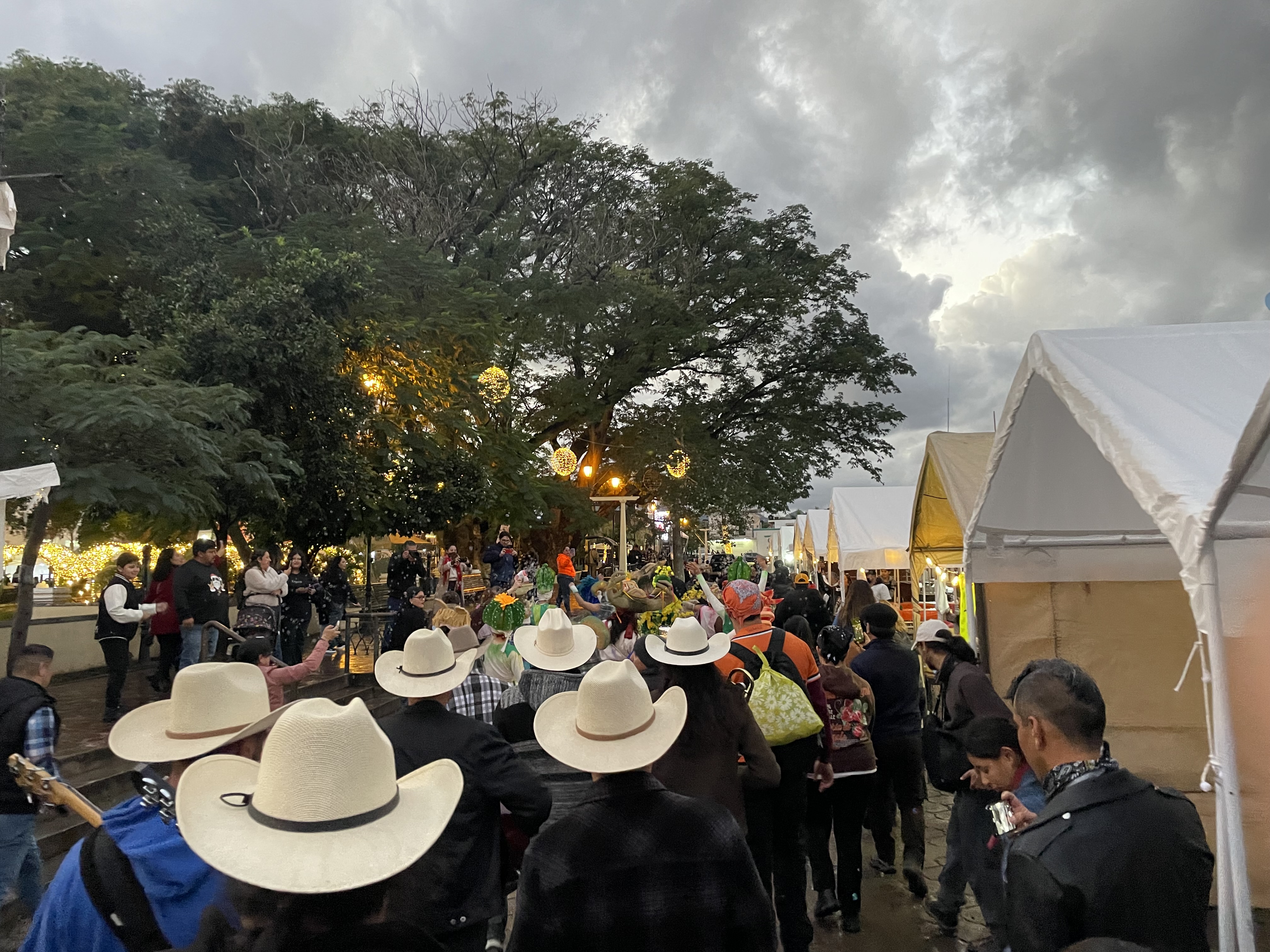
Then, the marching band revealed themselves as the next act – a ska band.
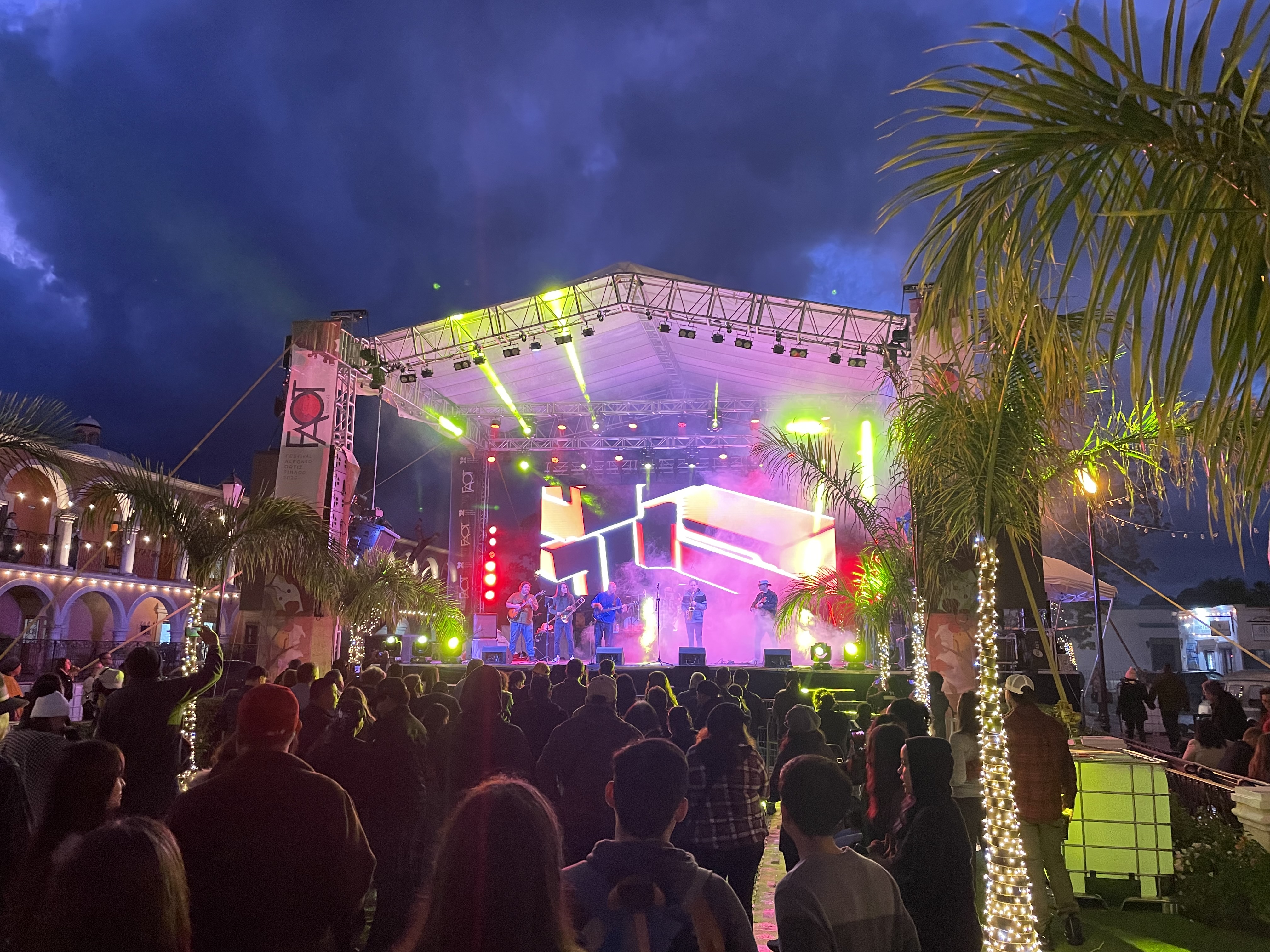
It was now 19:00 and getting dark. The headliner (Spanish jazz singer Marta Sanchez) was still 3 hours away and I did not feel comfortable driving around at night even though the festival surely would attract the police presence to ensure safe transport.
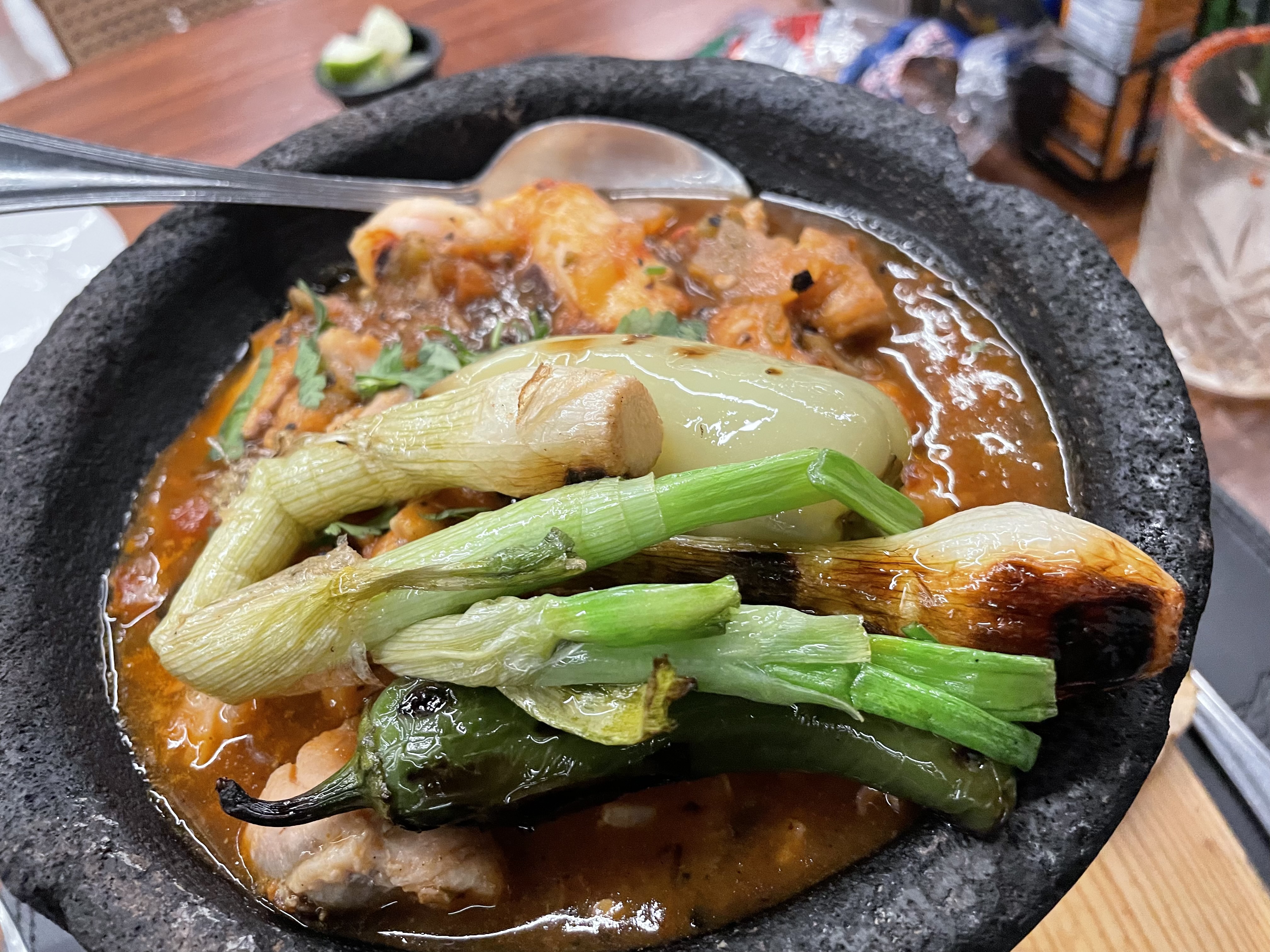
Instead, I drove back to Navajoa and got a delicious molcajete before going to bed.
January 25, 2026: San Carlos
I woke up at 7:00 and drove north around Obregon to San Carlos. The road was in good shape but the random speed bumps were quite annoying.
San Carlos is Sonora’s top beach destination. The town lies midway between Obregon and Hermosillo, the state capital. Driving in, I noticed a few cars with Canadian plates. The region is popular with expats but it is far from “overrun”.
Even though San Carlos is considered a Pueblo Magico, it is not really a single town but rather a series of settlements along the coastline. It was crazy to see cacti and desert right next to the beach.
My first stop was to hike Cerro Tatakawi, the iconic twin-peaked mountain that overlooks the town. The trail started gently by switch backing up the mountain but very quickly got steep.
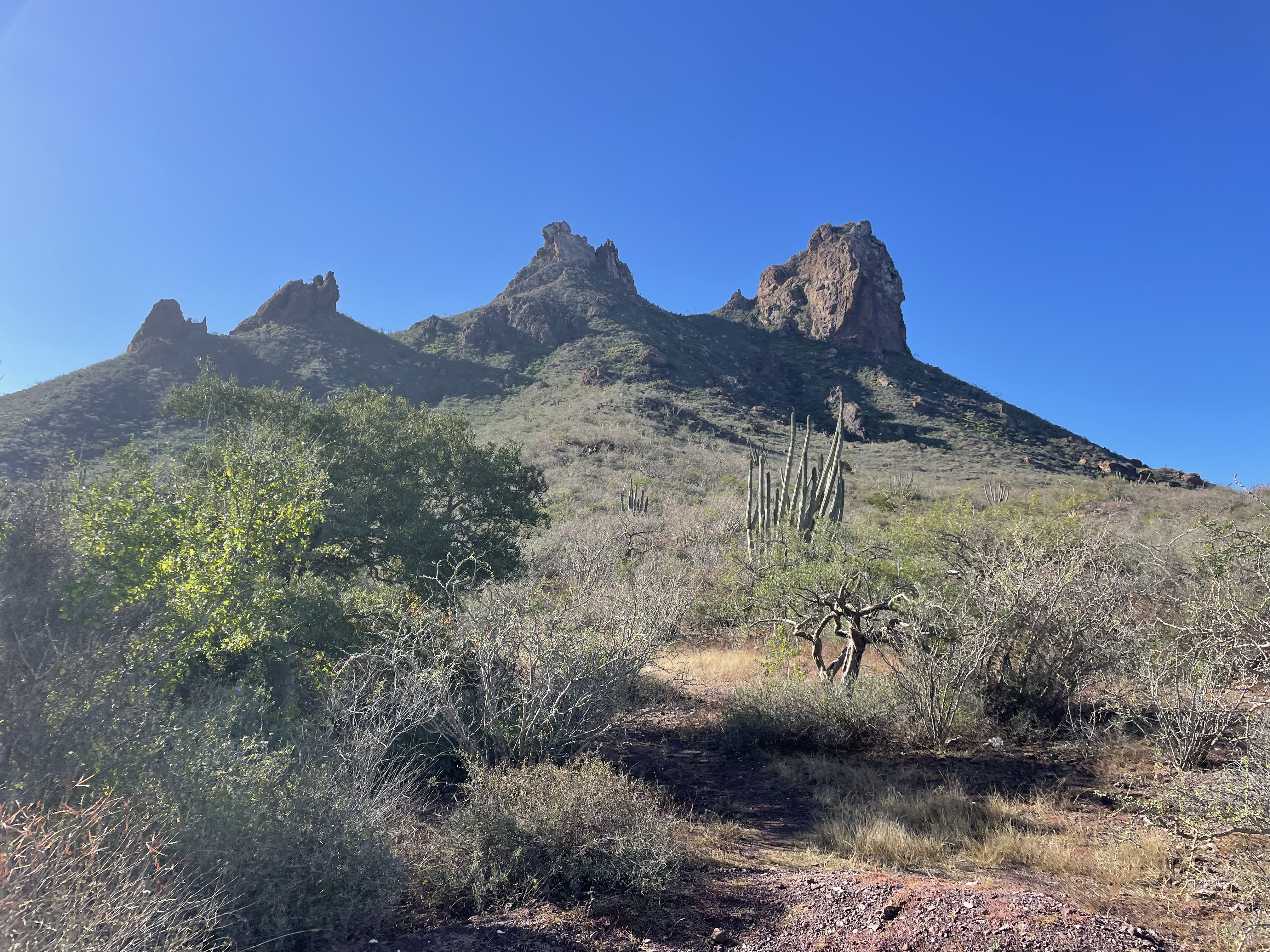
At the 2/3 mark, the trail became so steep that there were ropes to aid the ascent.

The crux involved a class 3 climb that culminated in climbing through a hole in the rock to reach the beach side. From there, it was a short jaunt to the summit at 450 meters above sea level.
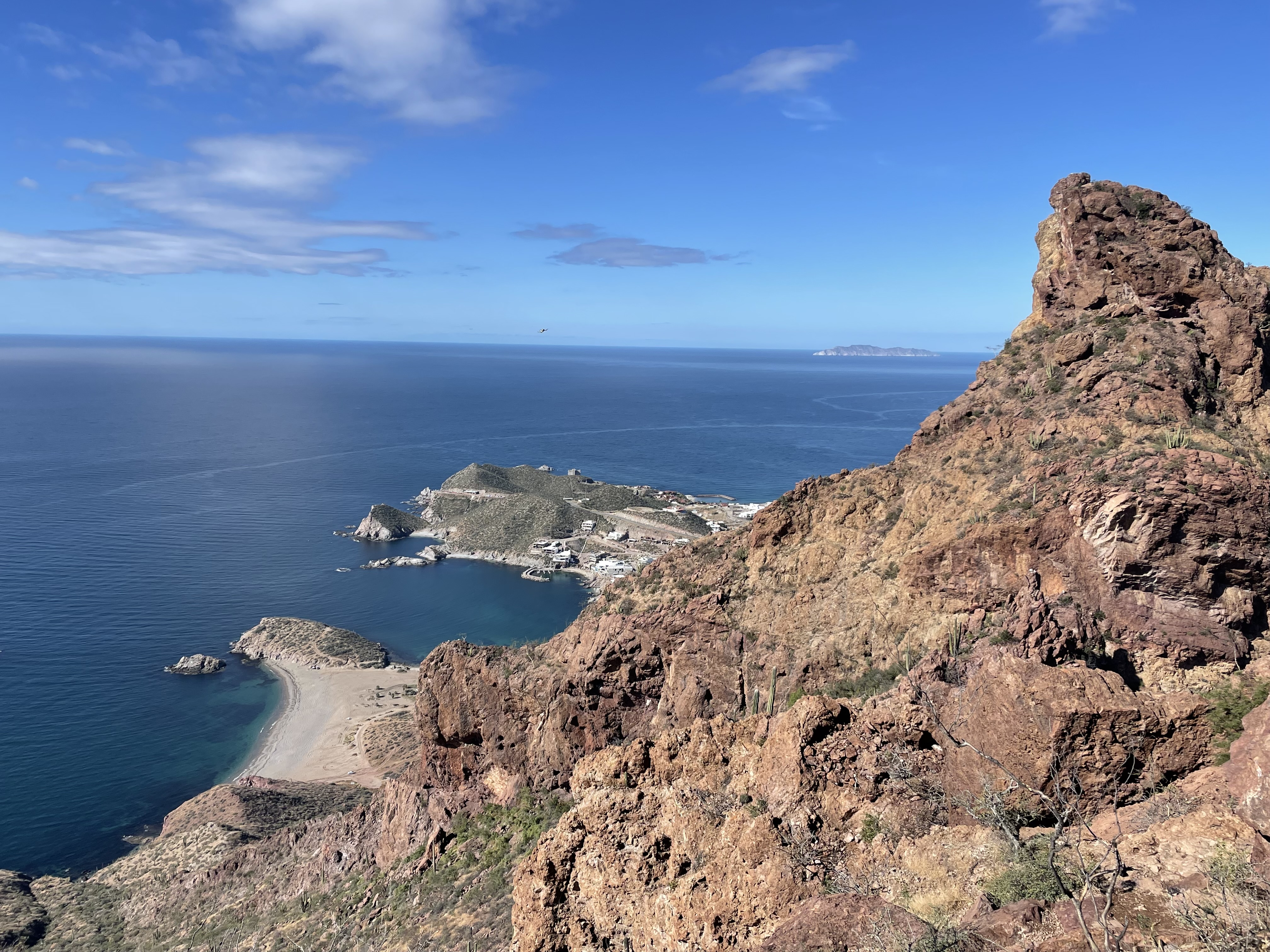
What a hike and what a view!
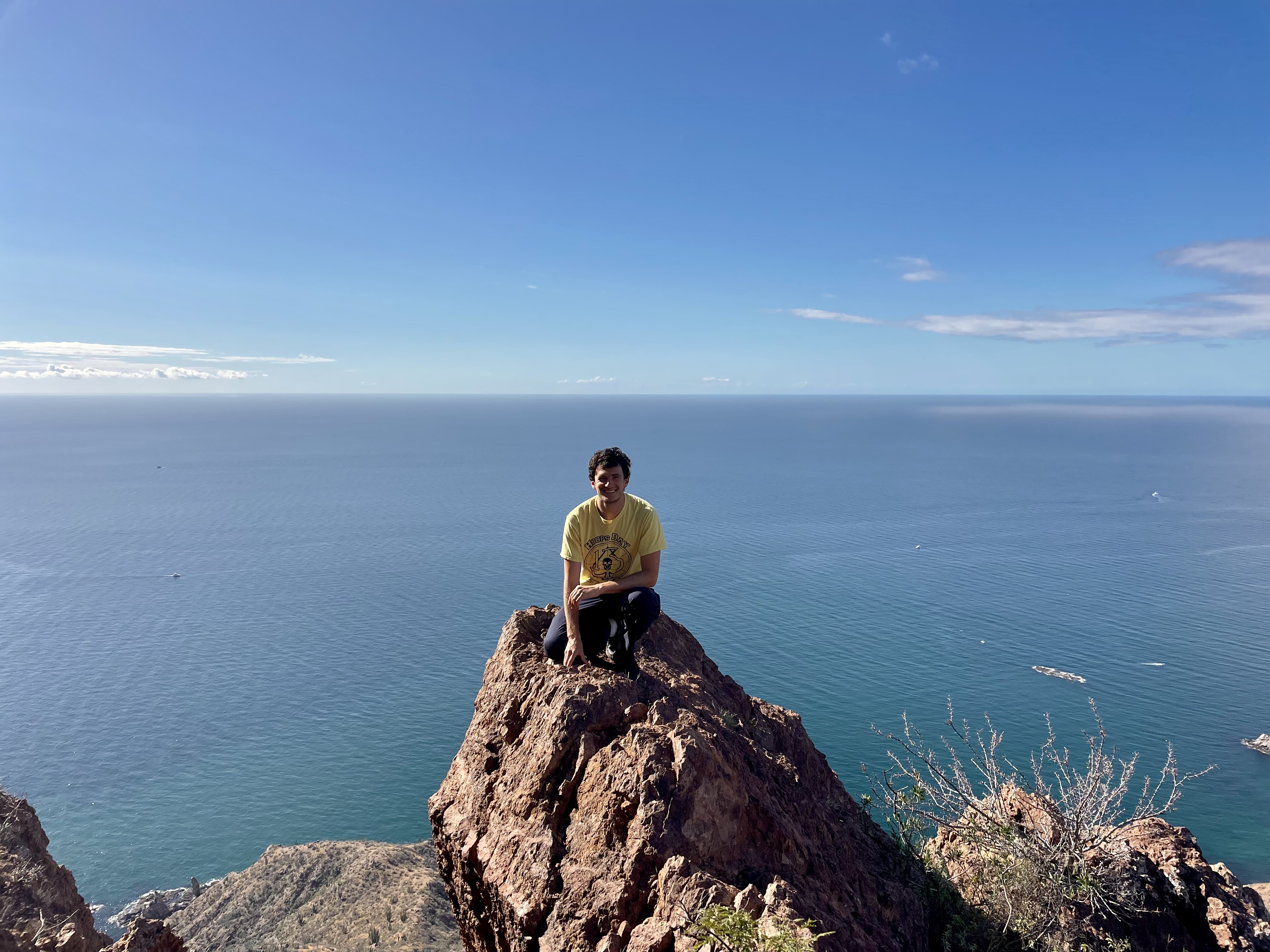
The trip down was no easier. I completed the hike in 90 minutes but I was flying.
I then drove to the Mirador San Carlos, considered by National Geographic in 2011 to be one of the top 10 ocean views in the world.
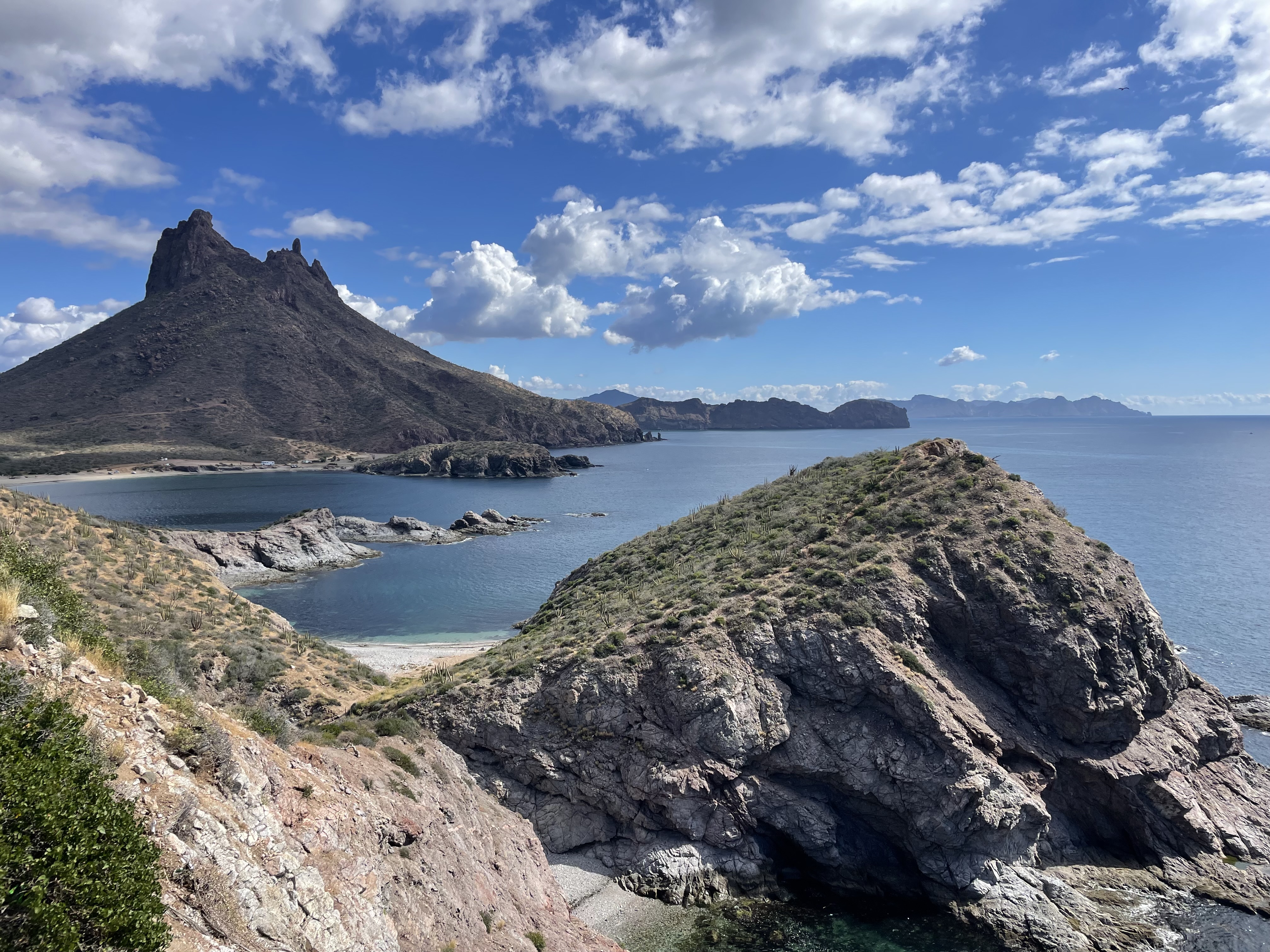
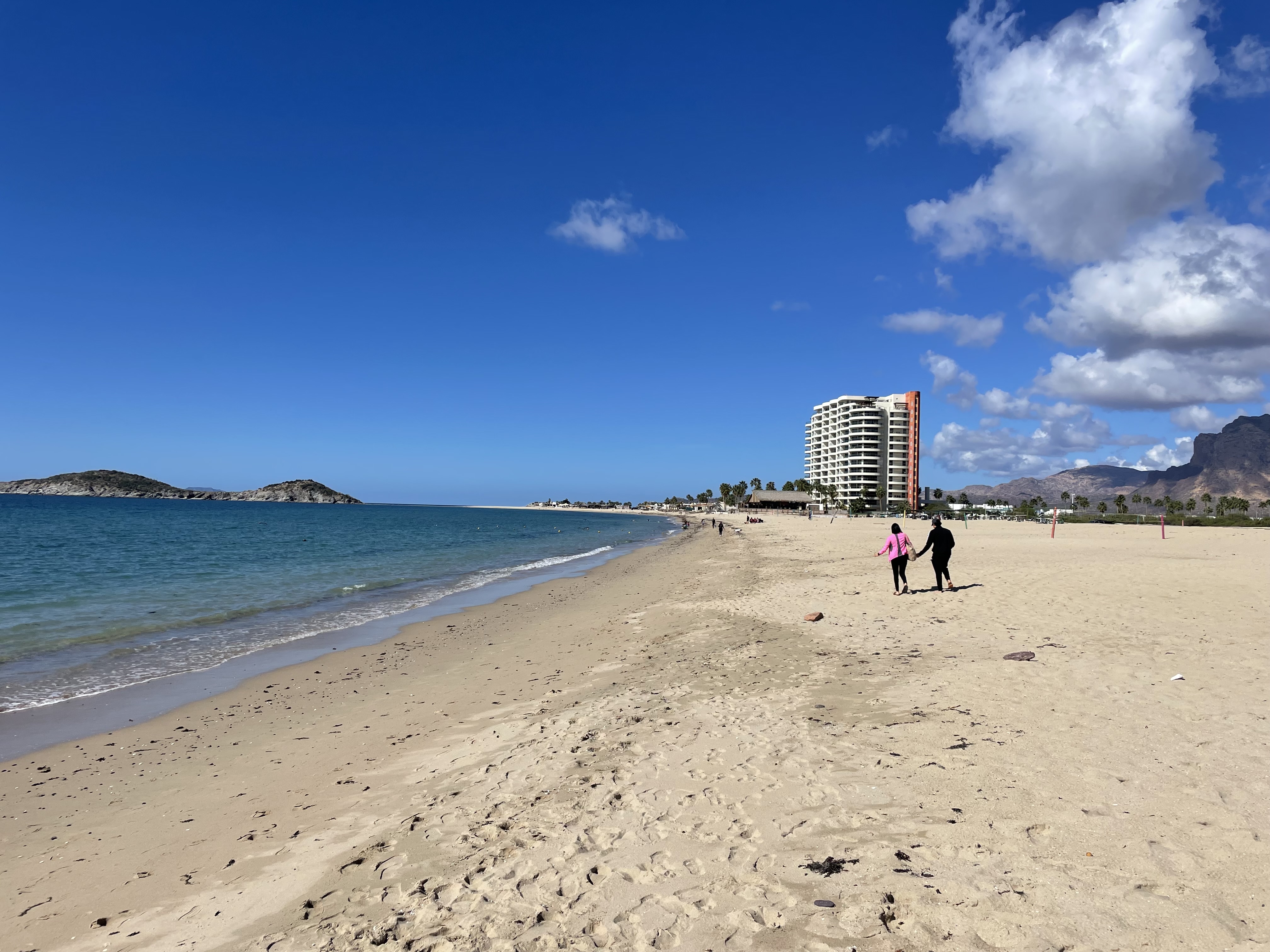
Heading west, I reached the famed Playa Algodones. January is the one month of the year when the water is too cold to swim without a wetsuit so I did not venture in for very long. But I imagine that in the spring and especially the fall, the beach is lovely.
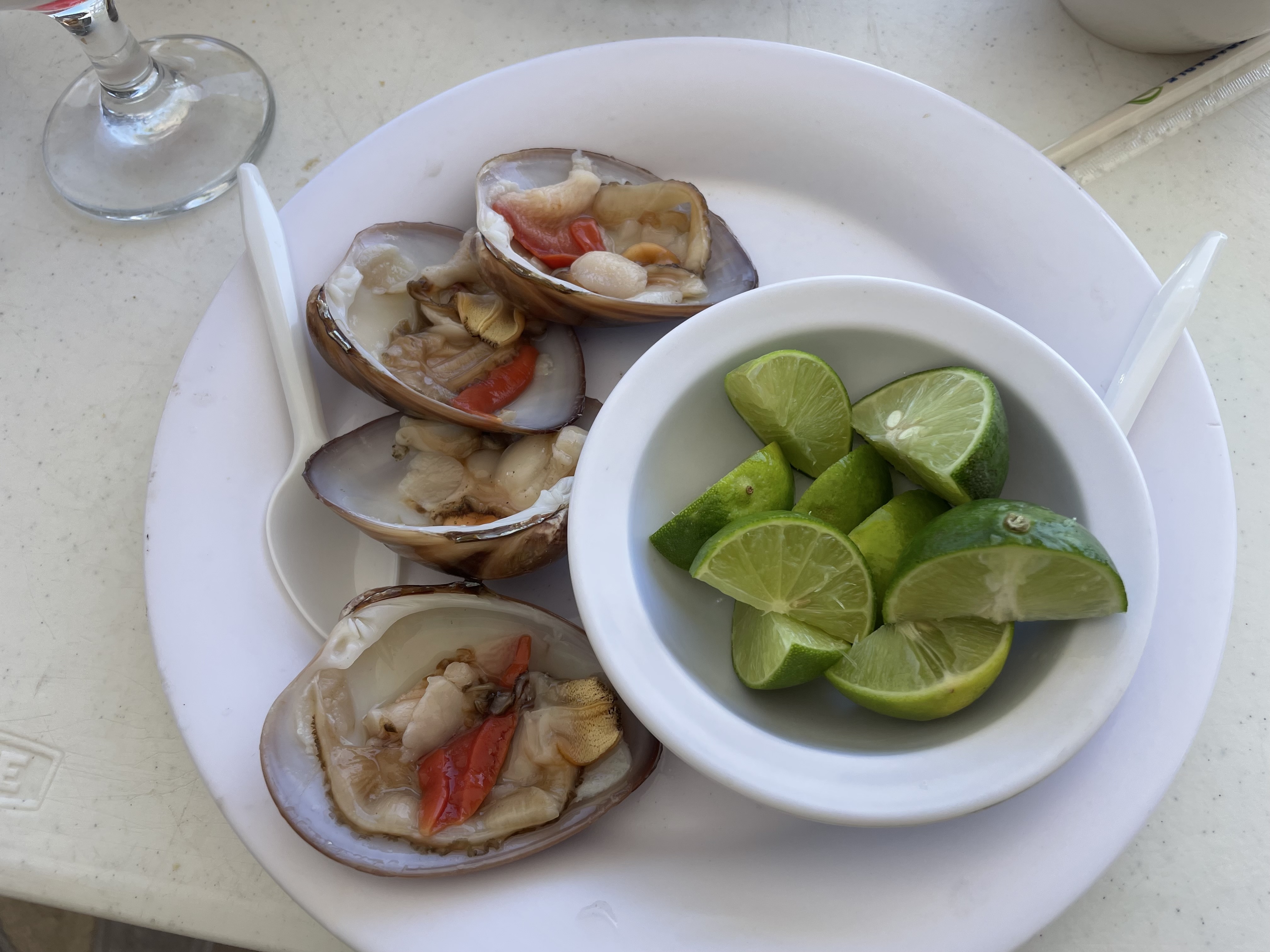
For lunch, I continued west along a dirt road to the fishing village of La Manga. Here, there are numerous restaurants sitting on the beach. I picked Dona Rosita which was by far the most established. I ordered chocolate clams (a specialty of the Gulf of California), an octopus taco and a piñata (virgin piña colada). Absolutely delicious.
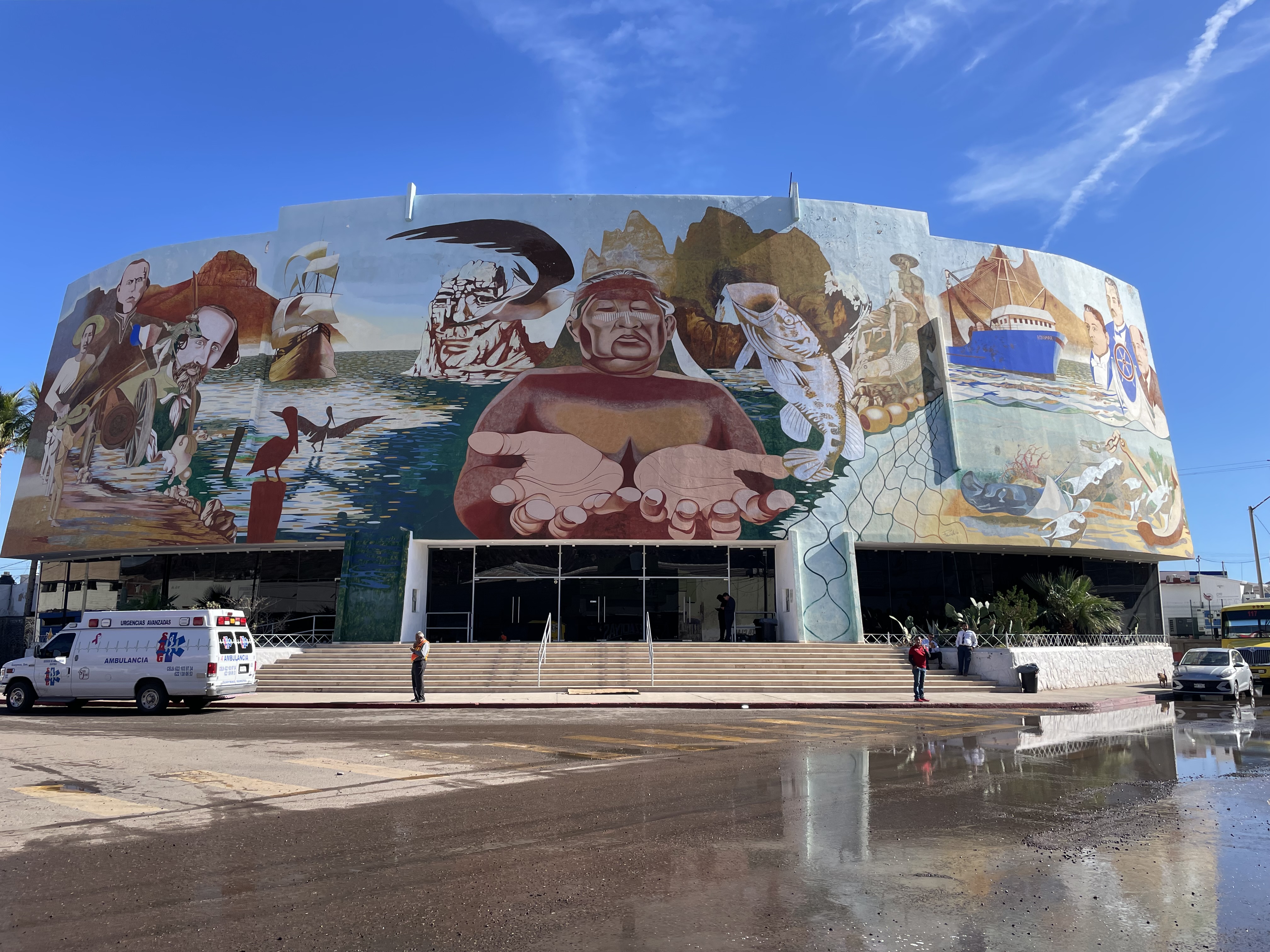
I had a good amount of time to kill before my flight so I stopped in the town of Guaymas on the way back. Guaymas is a fishing town and the city center was not so nice. That said, I enjoyed the weird architecture of the theater and an abandoned bank building.
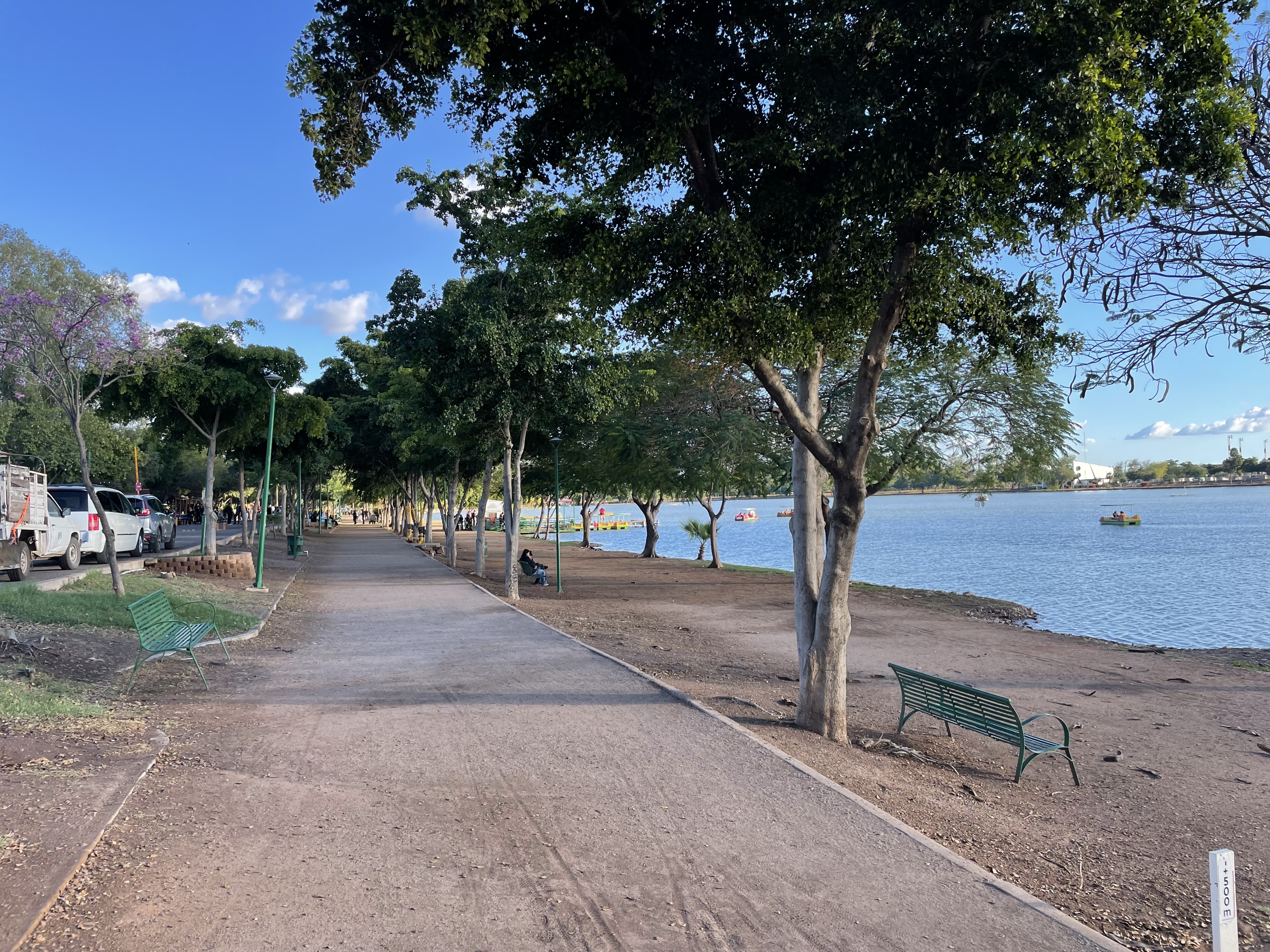
By the time I reached Obregon, there was still a good amount of daylight left. So, I first visited the Laguna del Nainari park. There was a walkway along an artificial lake. Yes, there was life and some vendors, but it was not a great park.
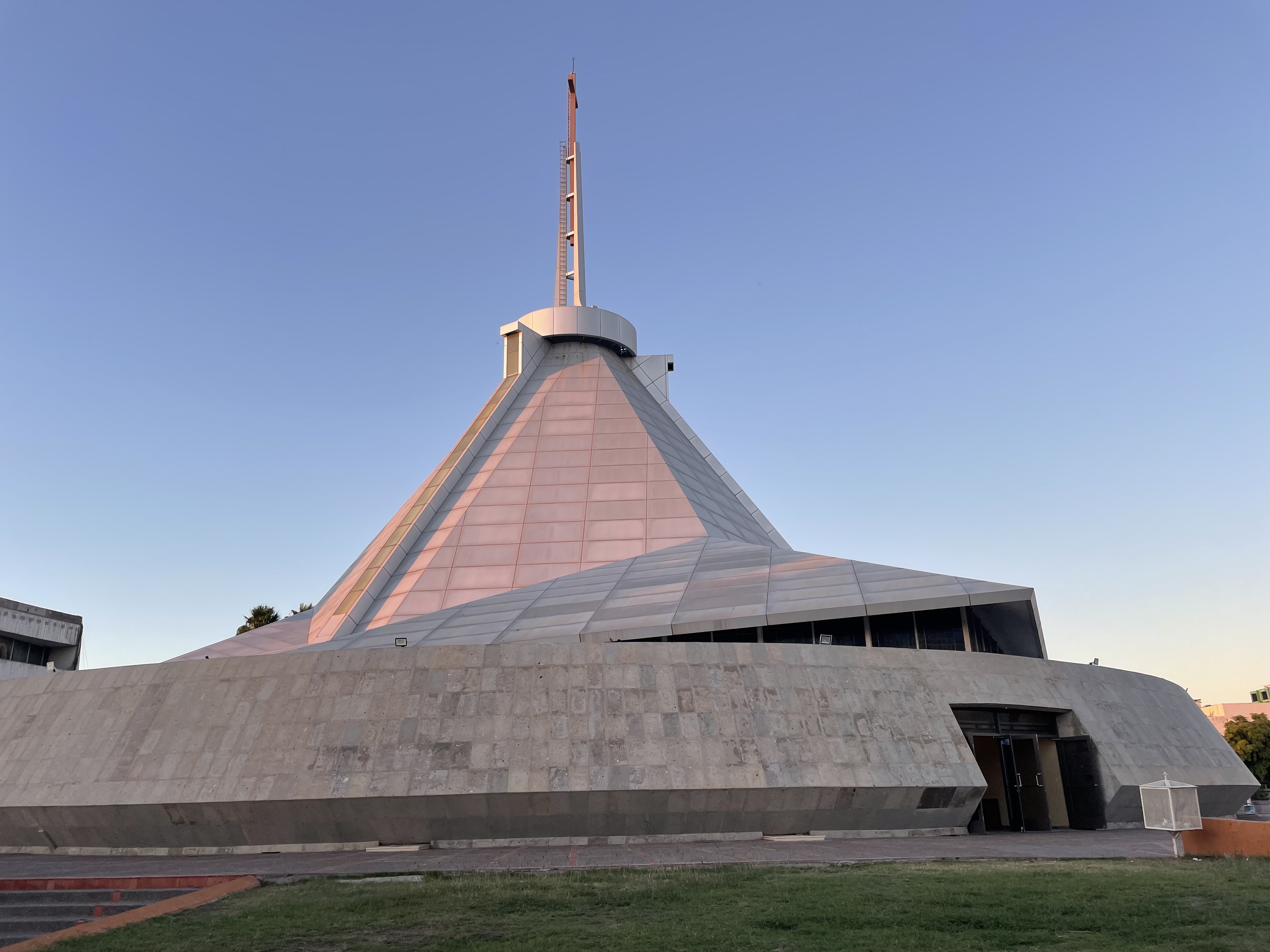
From there, it was a 10-minute ride into the center of Obregon. Overall, the city looked way nicer than I was expecting with lots of greenery. It was way prettier than Guaymas. I decided to visit the cathedral. As luck would have it, there was a Mass going on so the area was busy. Obregon’s cathedral is modern and unlike anything I have ever seen.
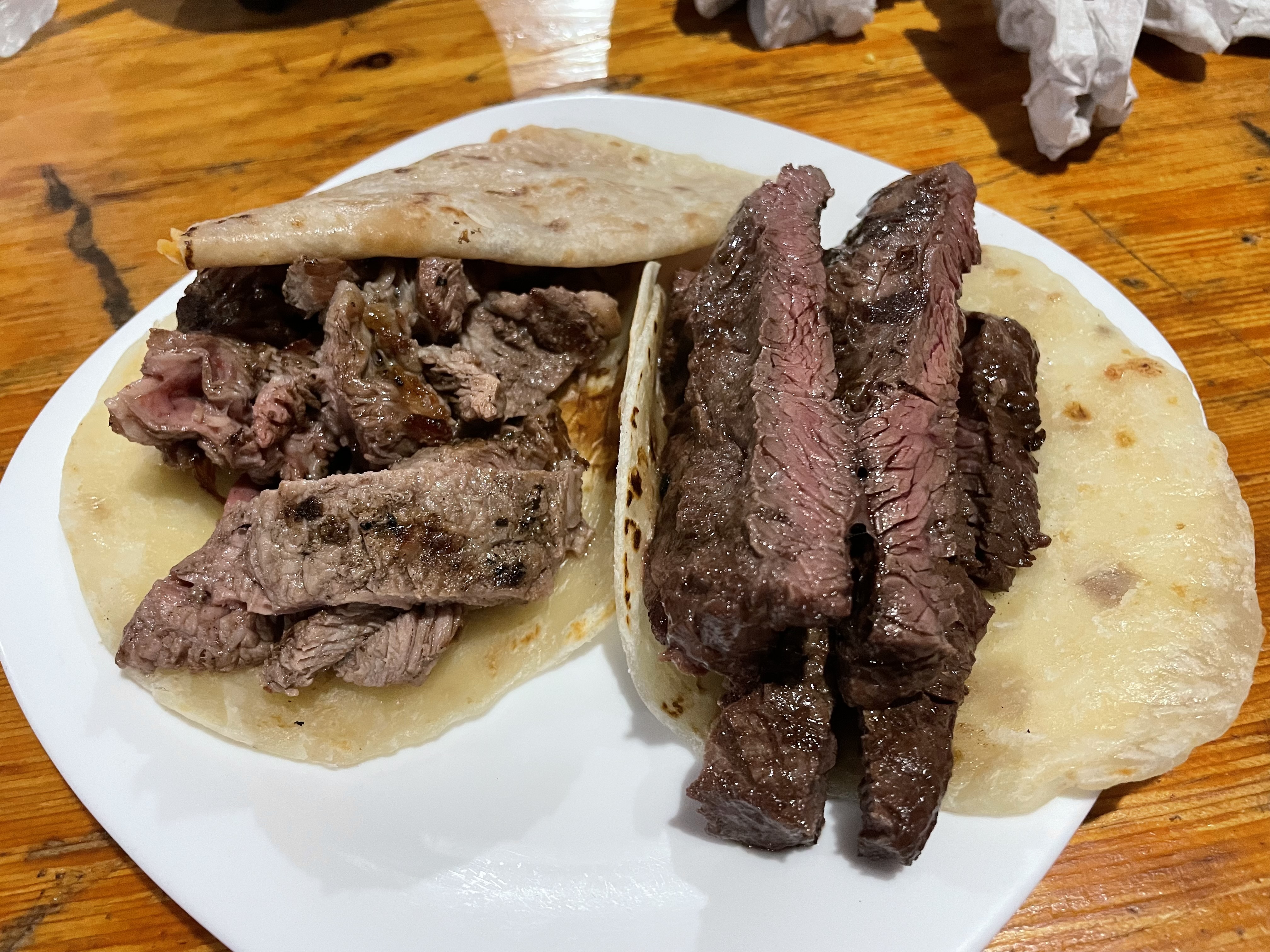
A couple blocks away was the carne asada restaurant recommended to me by the man on the plane. They sold high quality beef cuts like ribeye and arrachera carne asada in tacos for $10 USD each. Even by US standards that’s a crazy price so its best to think of it as steak on a tortilla. The meat was, as expected, absolutely delicious.
I then drove the 20 minutes back to the airport and flew back to Tijuana, crossed the border and drove home. It took me 2.5 hours to go from the plane in Mexico to my bed in Los Angeles.
Final Thoughts:
While Obregon is skippable, both Alamos and San Carlos are beautiful in completely different ways. Alamos is a pristine colonial town in a region without much colonial presence. The festival was way better than I expected and worth the trip. Had there not been the festival, Alamos is a half-day city. San Carlos on the other hand is all about the nature: the Sonoran Desert meeting the beach.
I definitely got unlucky with the freak rainstorm and subsequent cold weather, but winter is still the best time to come because the summers are so unbearably hot.
For the circumstances of my trip, two days was enough time for the region but with better weather, I can see wanting to spend another day in San Carlos to enjoy the beach.
Something else that I found interesting was the Sonoran culture. So much of the “American” Mexican food and culture comes from Sonora: burritos, flour tortillas, bacon-wrapped hot dogs, and carne asada – things you don’t really see in central/southern Mexico or at “authentic” restaurants in the US. I used to look down on these types of foods for being “Americanized” but in reality, I was ignorant for underappreciating the diversity of Mexico.
Leave a Reply