
Why San Miguel de Allende:
I visited for my friend Roberto’s wedding.
San Miguel is the one city in the interior of Mexico (besides Mexico City now) where gringo Americans regularly visit. It is known as an upscale, historic town with top notch hotels, art and restaurants. In June 2024, Travel and Leisure Magazine ranked San Miguel de Allende the #1 city to visit in the world.
December 13, 2024: This Town is Different
My flight landed at Queretaro International Airport at midnight. In the arrivals hall, I was greeted by BajioGo for my pre-booked shuttle to San Miguel de Allende. San Miguel does not have an airport but is about 90 minutes from both Queretaro and Leon which both have international flights. I paid the driver $25 in cash.
My shuttle was full of Americans – mostly trendy, wealthy couples in their 30’s and upscale women in their 60’s/70’s. I chatted with four ladies from San Antonio here for a gal’s weekend trip. They had never been to the interior or Mexico before including the Texas border towns just a few hours’ drive from them.
The ride took 75 easy minutes and before we knew it, we were in San Miguel de Allende. The shuttle dropped me off right at my hostel in the center. After checking in, I went to sleep at 2:00. Lodging prices span the gamut. My dorm was $14 USD/night, but there are also fancy hotels such as the Rosewood that go for $700 USD/night.
The next morning, I woke up around 9 to explore the town. San Miguel de Allende (originally San Miguel El Grande) was founded in 1542 by the Spanish. The surrounding region, known as the Bajío was the main silver mining area. San Miguel, while not a mining center itself, was close enough that it became wealthy through the silver trade. This money created the colonial center.
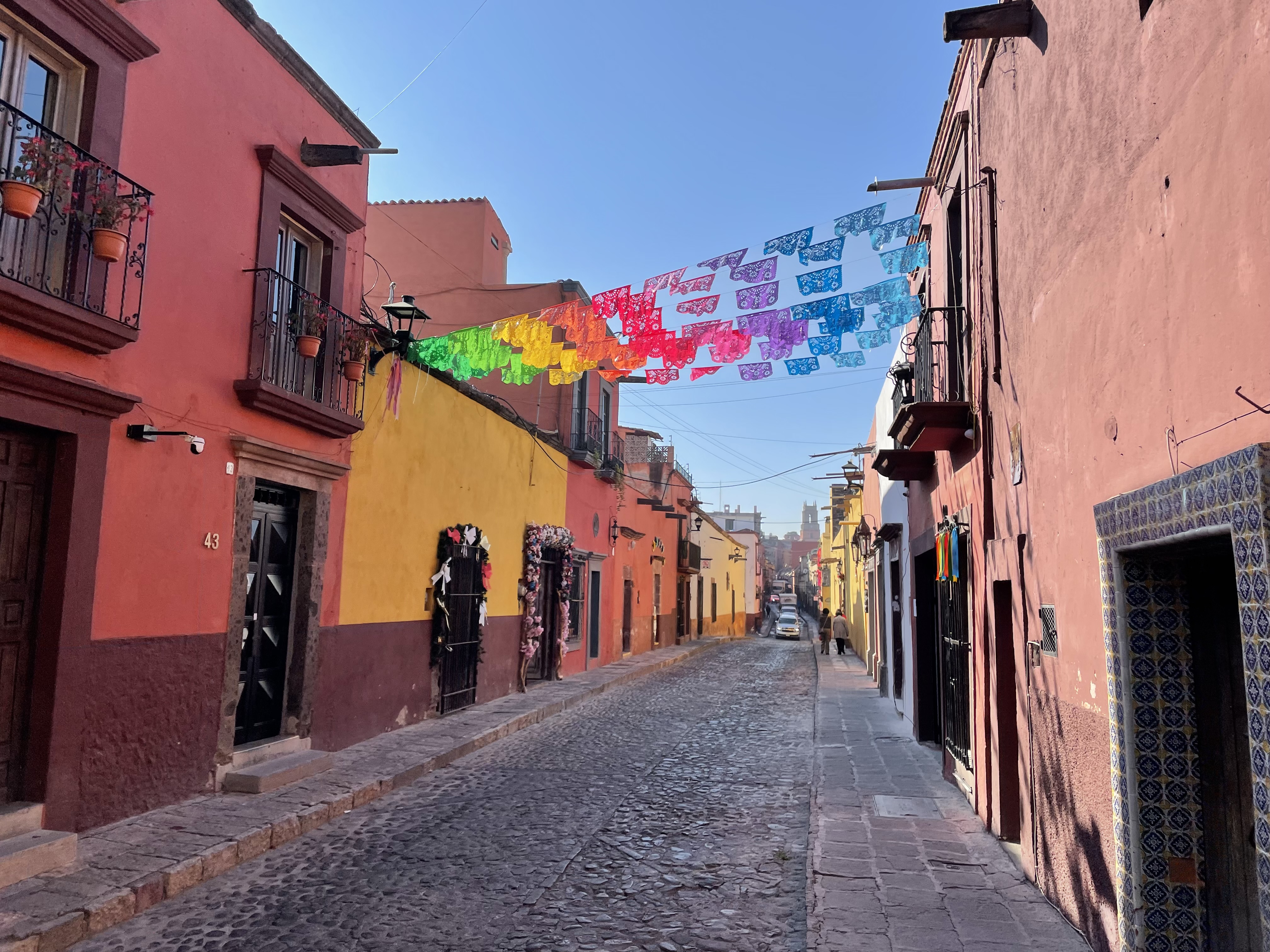
San Miguel played an important role in the Mexican War of Independence against Spain in 1810. Not only was it the first town to be “liberated” by the insurgents but it was also the hometown of one of the revolutionary leaders Ignacio Allende who became the second namesake of the town.
By the mid 1900’s, San Miguel was becoming somewhat of a ghost town and needed a boost. In 1937, American Stirling Dickinson and helped found the town’s first two art schools. After World War II, the school became filled with American veterans studying on the GI Bill. This was the genesis of San Miguel as a center for art and for American expats.
One major distinction between San Miguel and, say Cancun, is that gringos don’t just visit but live here. A full 10% of the 175,000 residents are American expats. They have houses both in the center and in the outskirts of town – some of these houses are worth millions of dollars. The expats also usually have their own cars. There is most definitely an economy built around them with fancy restaurants, social events, and even a local bilingual newspaper, but the expats have (relatively) harmoniously integrated themselves into the town. They are not seen only as walking bags of money which is often the case in other touristy places.
San Miguel’s city center, a UNESCO World Heritage Site, is undoubtedly one of the prettiest in Latin America. With cobblestone streets and perfectly maintained buildings, this town feels like a dream.
Like many colonial Spanish cities, much more meets the eye than what you can see on the street. Many simple-looking entryways may lead to enormous lavish interior courtyards.
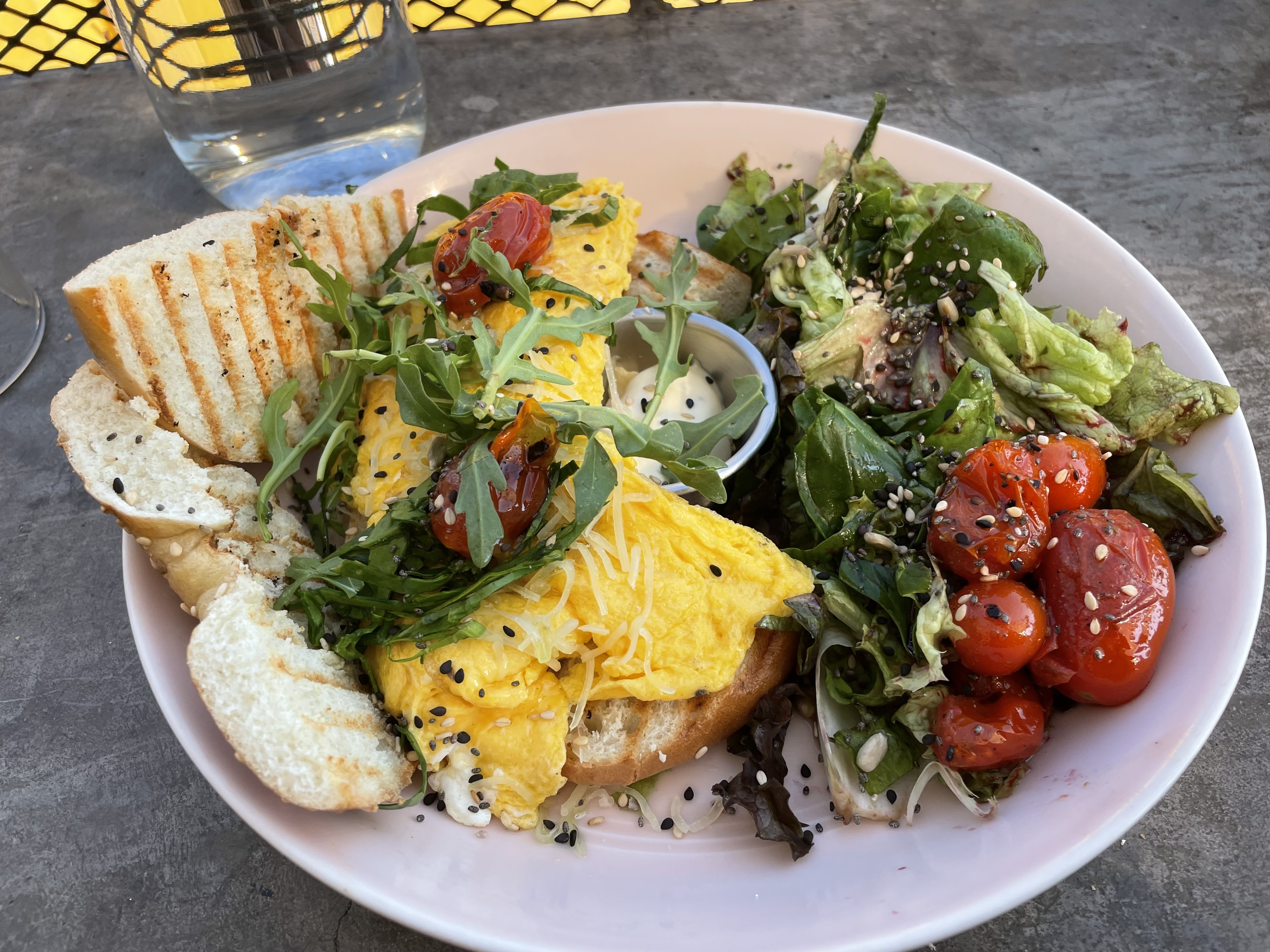
My first stop of the day was breakfast. I went to a gringo spot called Inside Café which was located up a series of precarious staircases. From the roof deck, I ordered a bagel with jalapeño aioli and a salad with hibiscus dressing. Not your typical Mexican fusion food!
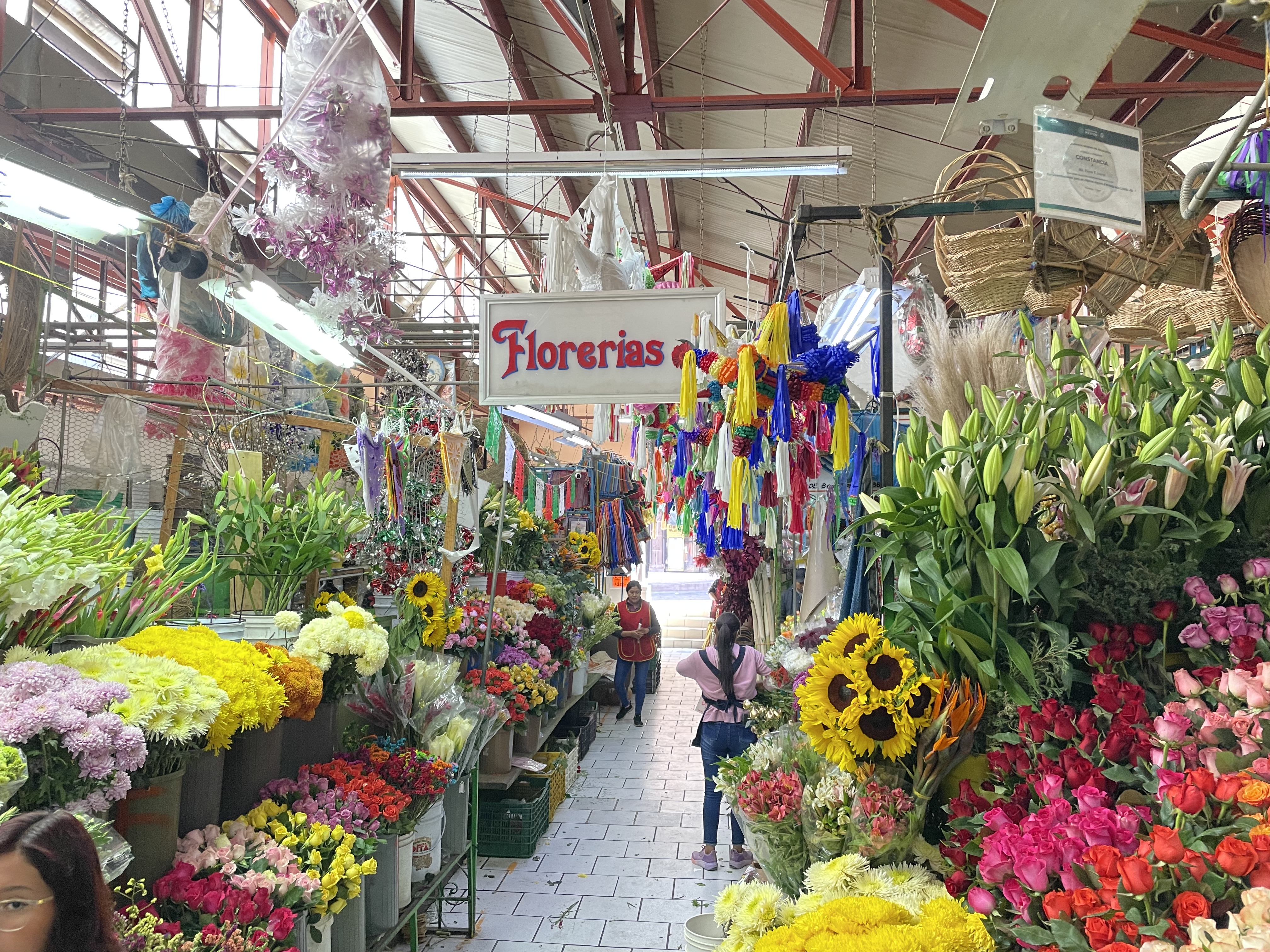
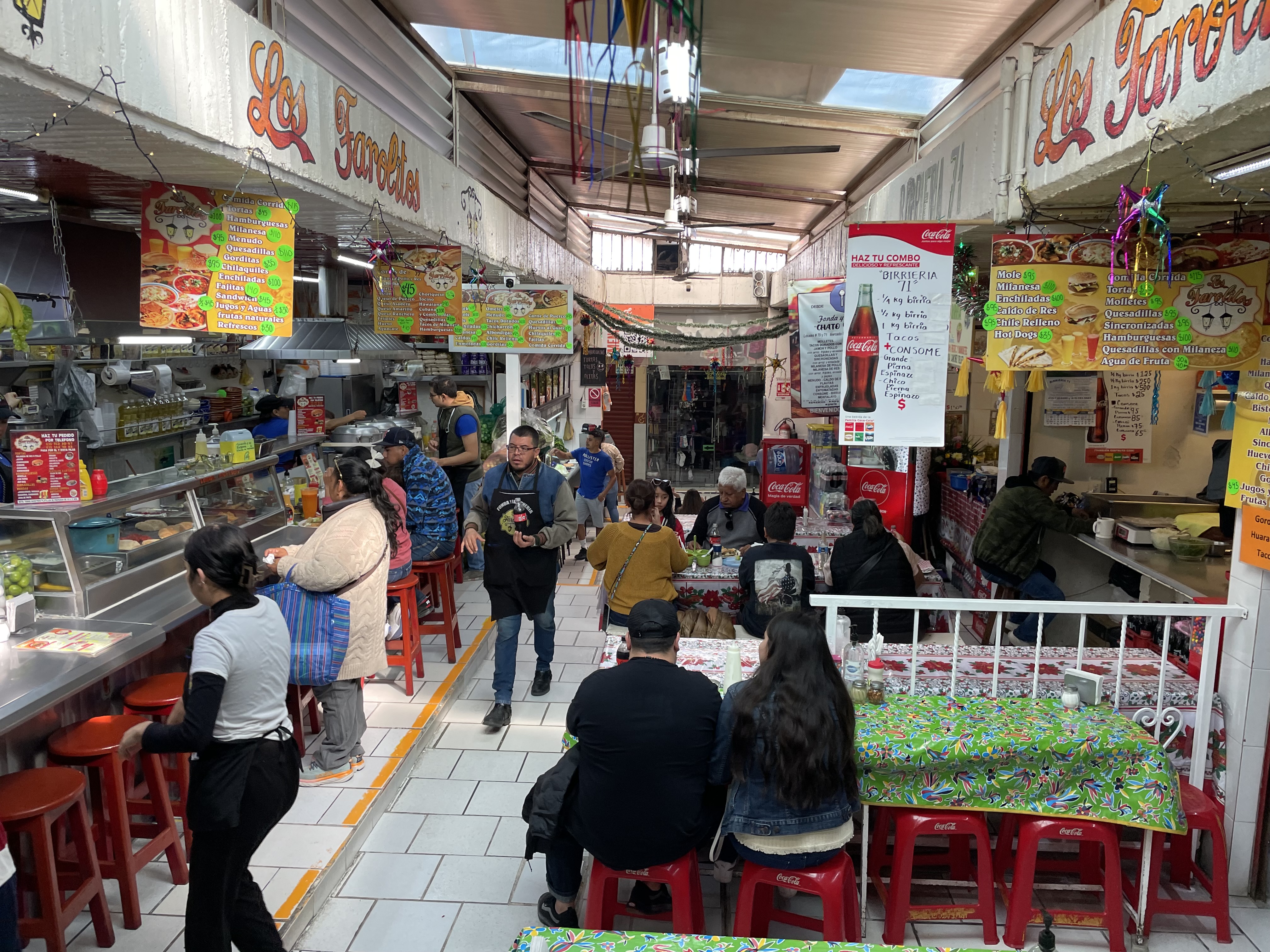
I then visited the main city market, which looked like most other Mexican markets. There were produce booths, a flower section, a boots section and numerous prepared food stalls full of local Mexican families.
I then visited a few of the baroque churches in the area including the San Francisco church where tomorrow’s wedding would be held.
Eventually, I made my way to the main plaza, home of the Parroquia de San Miguel Arcangel church. This distinctive pink church is the symbol of San Miguel and is known locally as the Wedding Cake.
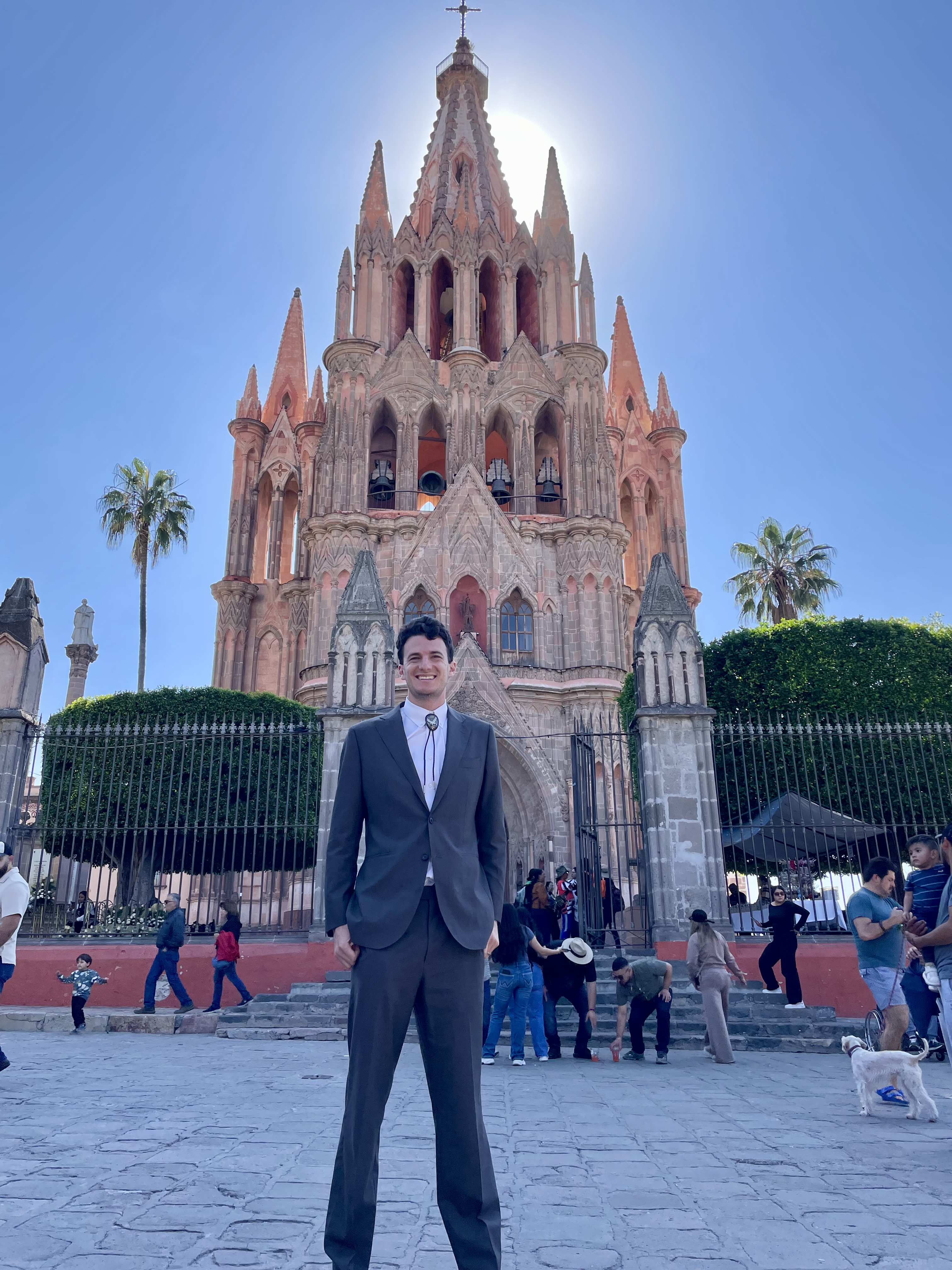
Inside, the church has a distinctive Mexican look with a Virgin of Guadalupe painting and red, white and green ribbons.
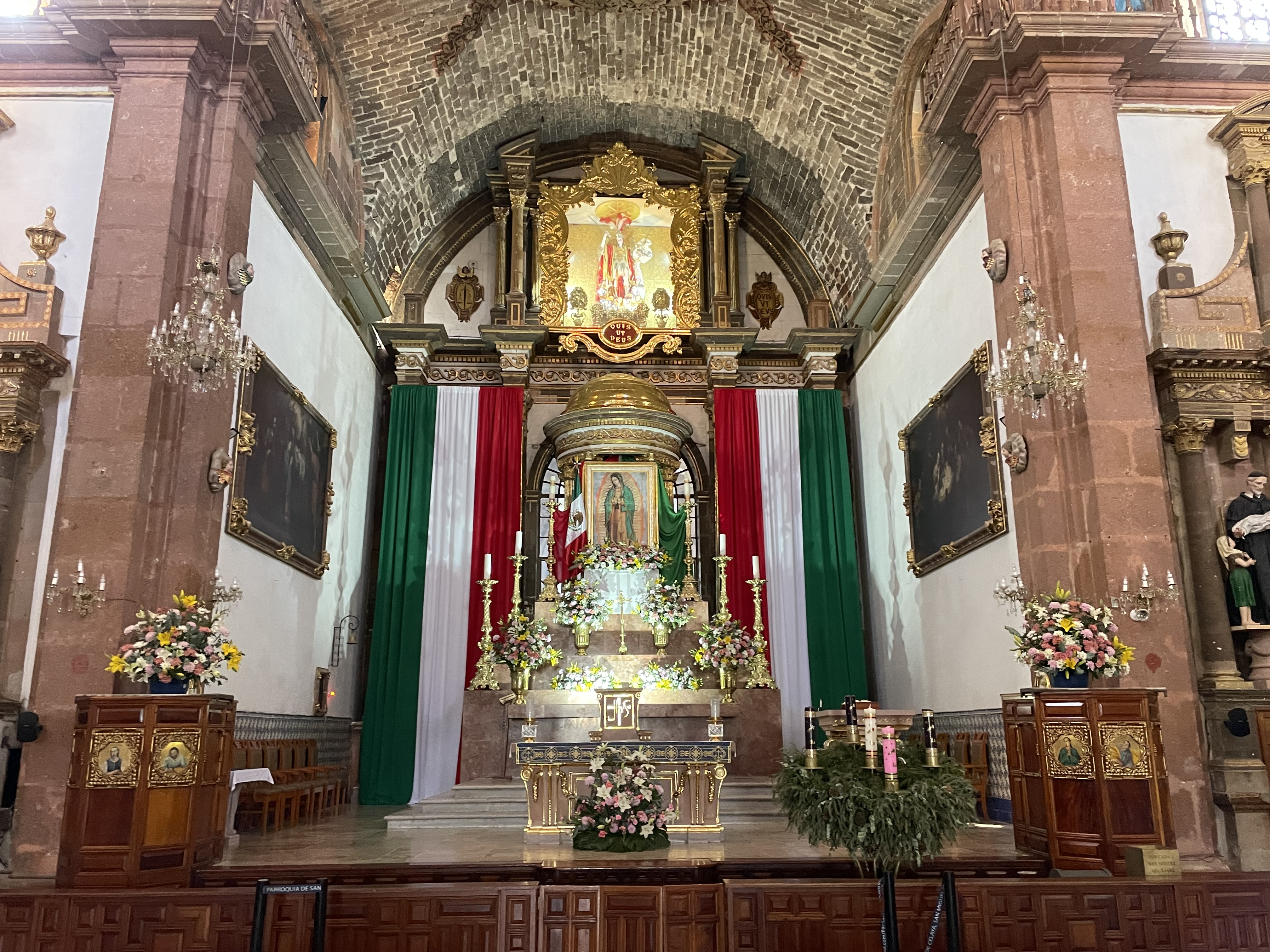
Next, I visited Churreria San Agustin, San Miguel’s most famous food spot for churros. Lonely Planet called them the best churros in Mexico -a strong statement that I can neither confirm nor deny. Since I went early in the day, I avoided the lines.
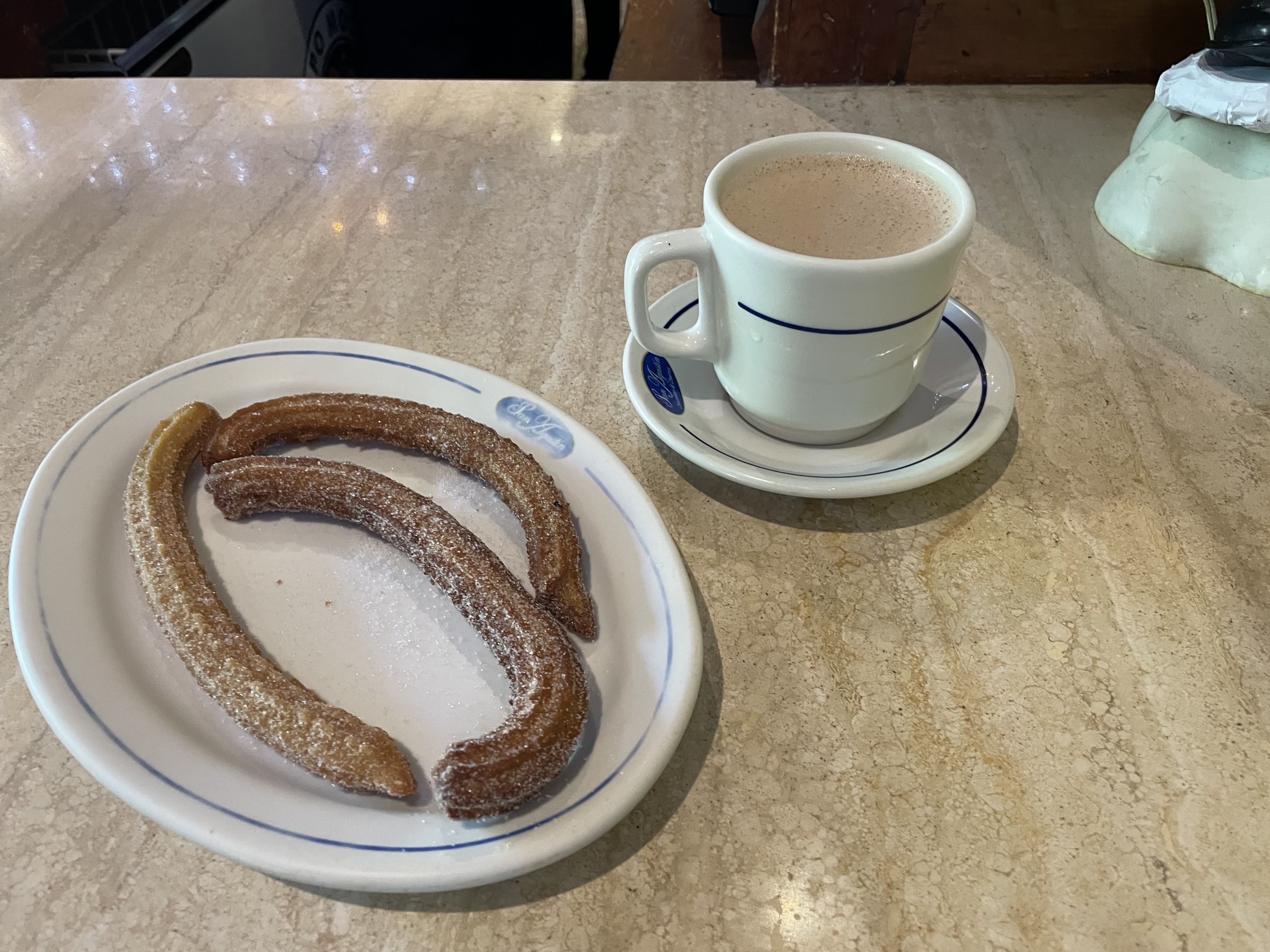
There are a few museums in town. The most famous is the toy museum with three floor of brightly painted traditional and non-traditional Mexican dolls. The collection is impressive and showcases the whimsicality of Mexican art.
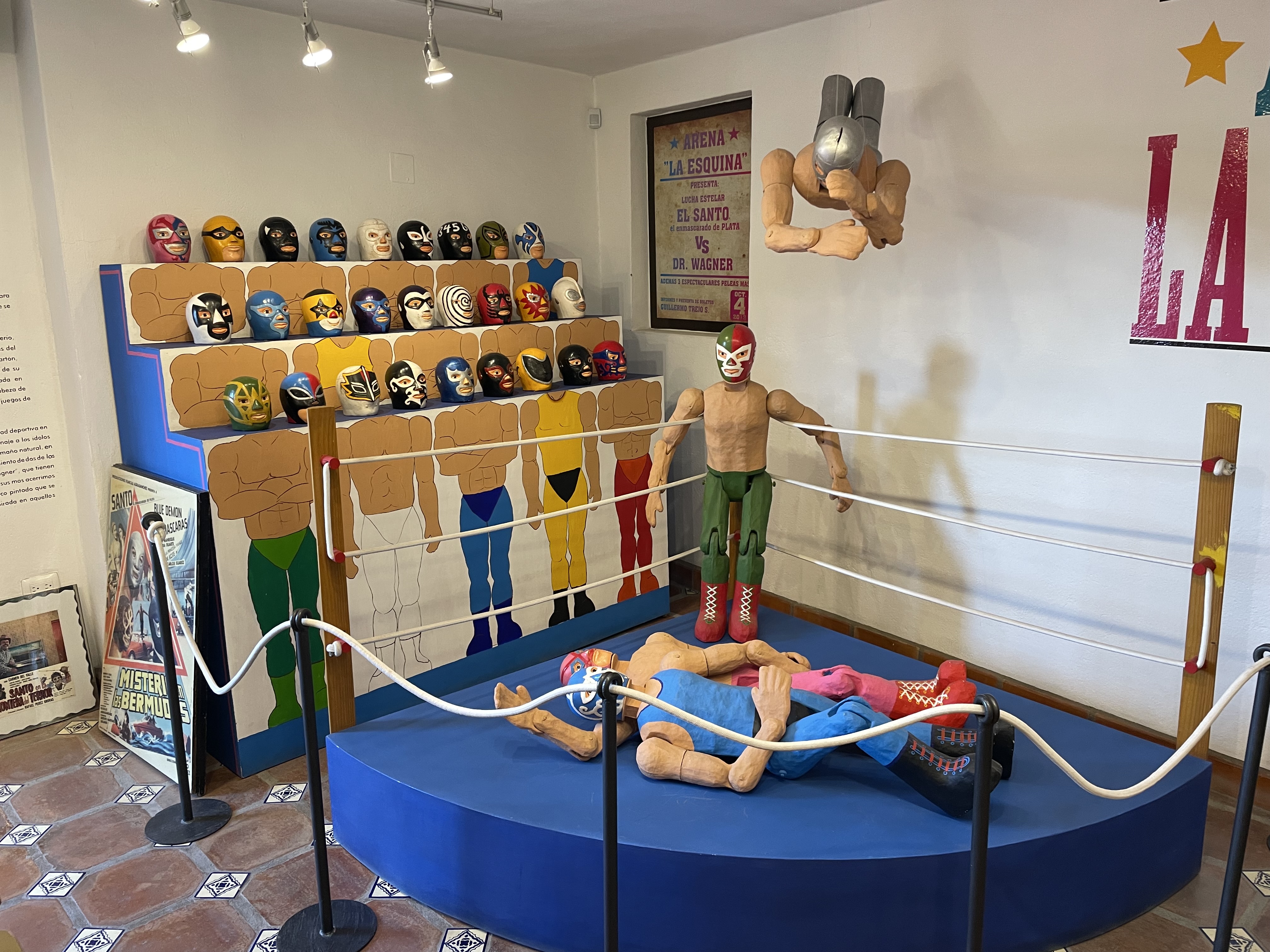
After stopping at the Casa de Cultura Banamex (a corporate-sponsored free art museum), I took a quick visit to the Centro Cultural Nigromante, a former monastery. Inside, the former rectory was turned into an art installation. So innovative!
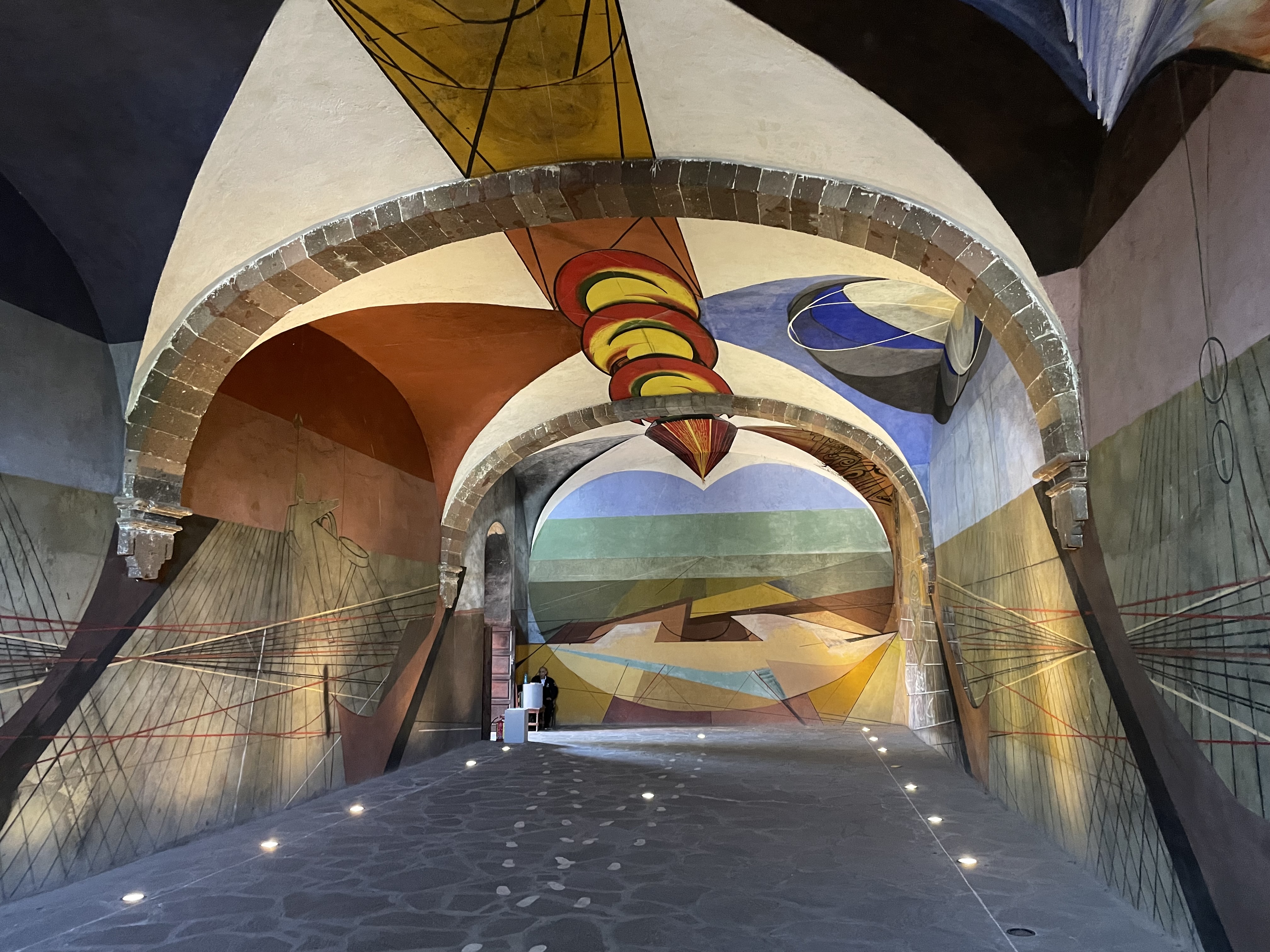
My final museum in the center was the history museum, located in Ignacio Allende’s home. I thought the museum did an amazing job at explaining the history of the town. For me, this was the best museum of the day.
Just north of town, I checked out the Fabrica La Aurora, a former textile mill turned into art galleries. The factory had at least 50 galleries with a variety of art from antiques to modern. Regardless of the gallery, most pieces seemed to be going for $2,000-5,000. I spent over an hour wandering this place.
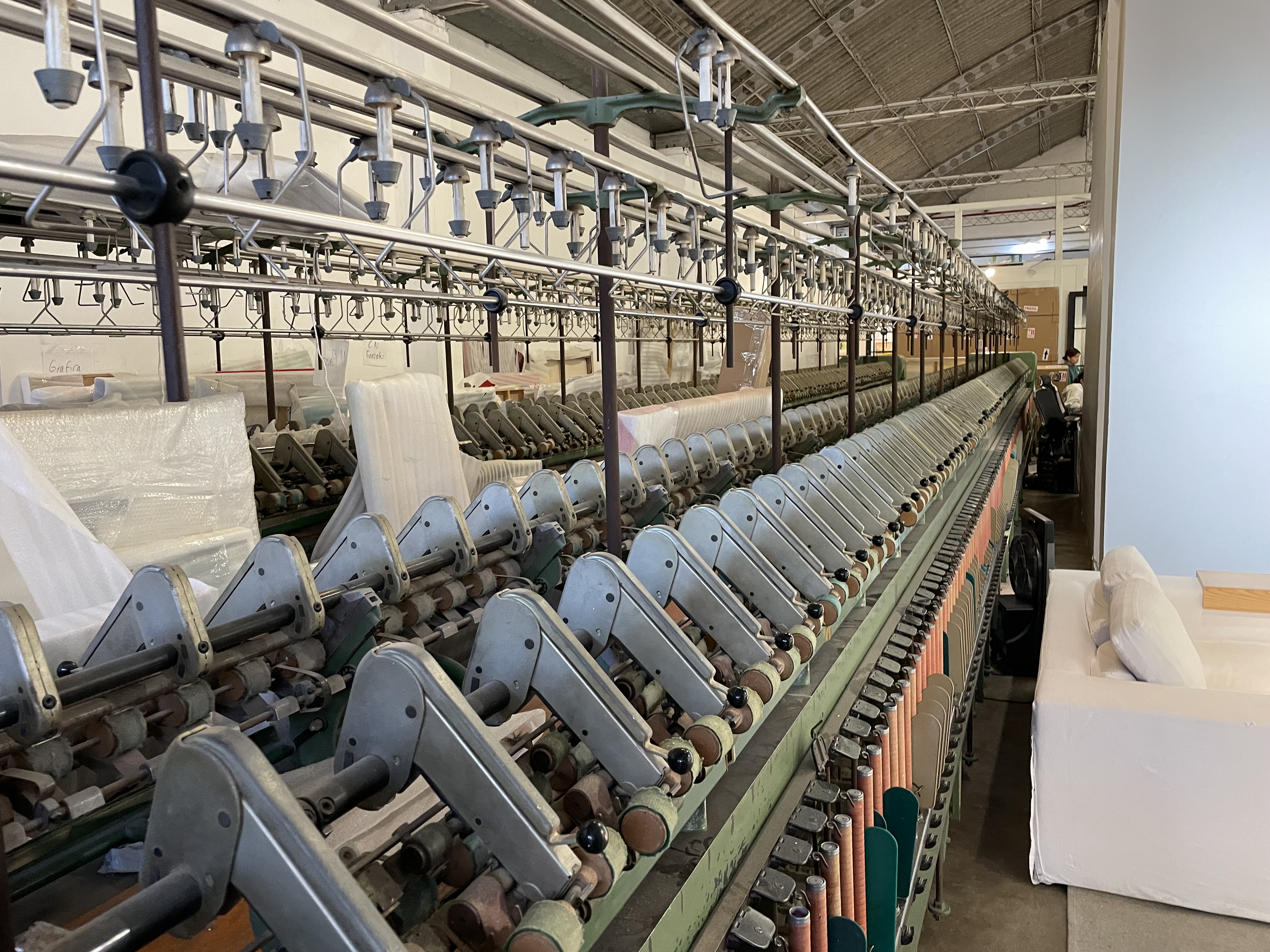
I had a little time left before the wedding festivities began so I headed up a hill to get a view of town! From the Mirador, I walked down a steep hill to Parque Benito Juarez, the city’s main park.
By this point, I had seen virtually all the highlights. So, I headed back to the hostel and changed for the welcome party which was held at a hotel in town. The event went until 19:00 but then some business school friends, and I all got dinner at a multi-cuisine restaurant. The meal was $40 including cocktails and dessert. The equivalent meal in the US would have been around $70 or 80.
Before going to bed, I met my dormmate, a 60-year-old man with grown kids who have moved away. He has been to 130 countries and was very inspiring. My favorite people in hostels are older people because they could easily chill at home or stay in luxury places but they choose adventure.
December 14, 2024: Moisturized and Ready to Party!
I had the morning to sightsee before the wedding began at 13:00, so I took an Uber 20 minutes north of San Miguel to the town of Atotolnico. Atotolnico has two main attractions: hot springs and a UNESCO World Heritage Site church.
The church opened later so I started with the hot springs. There are at multiple hot springs resorts near San Miguel. I picked La Gruta because it was the most conveniently located. Entry was 300 pesos ($15 USD) and allowed all day access. The resort contained several shaded hot spring pools. The crowd was a mix of families and couples. They had drink service too.
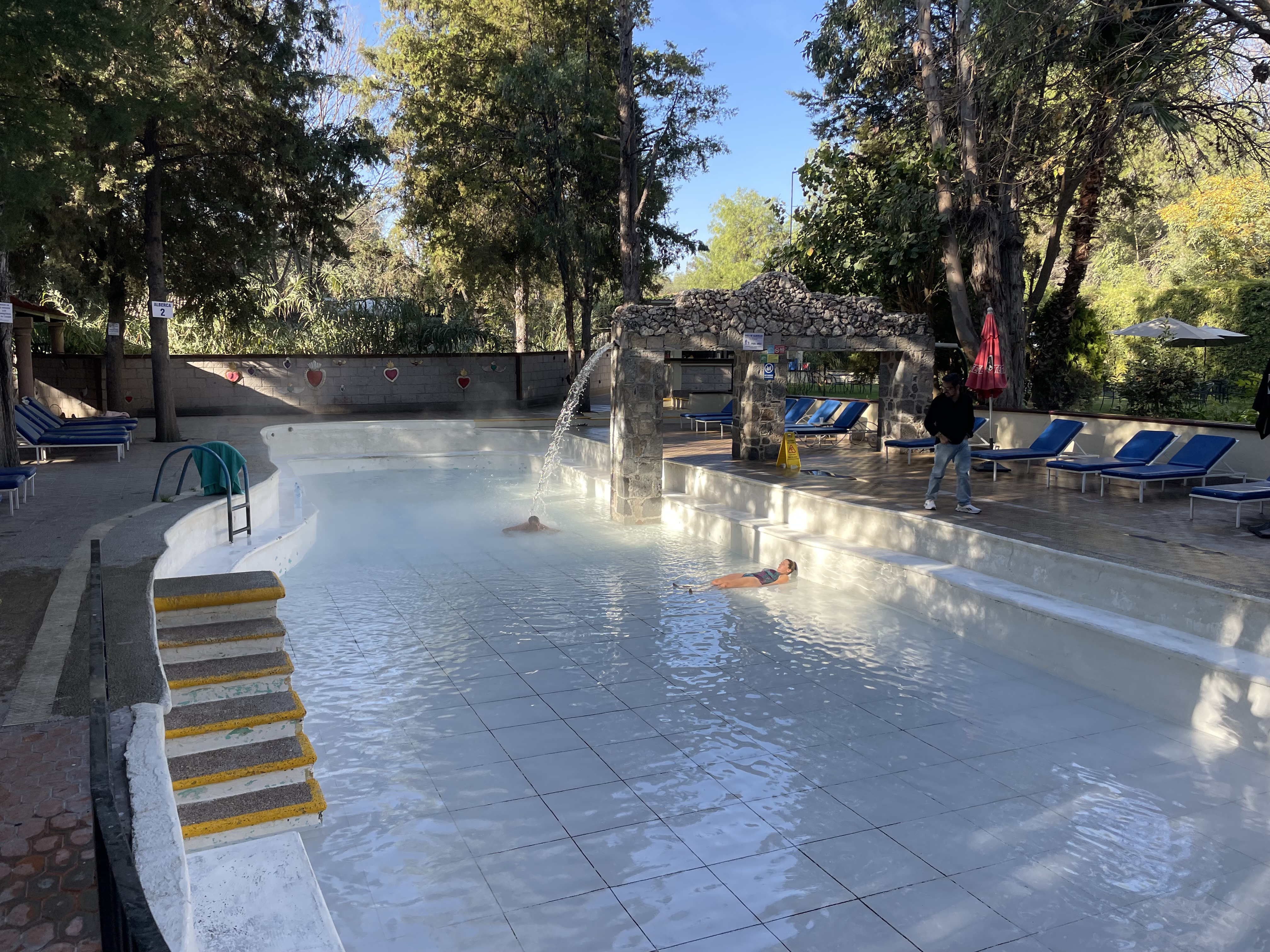
After an hour in the pools, I was moisturized and ready to party!
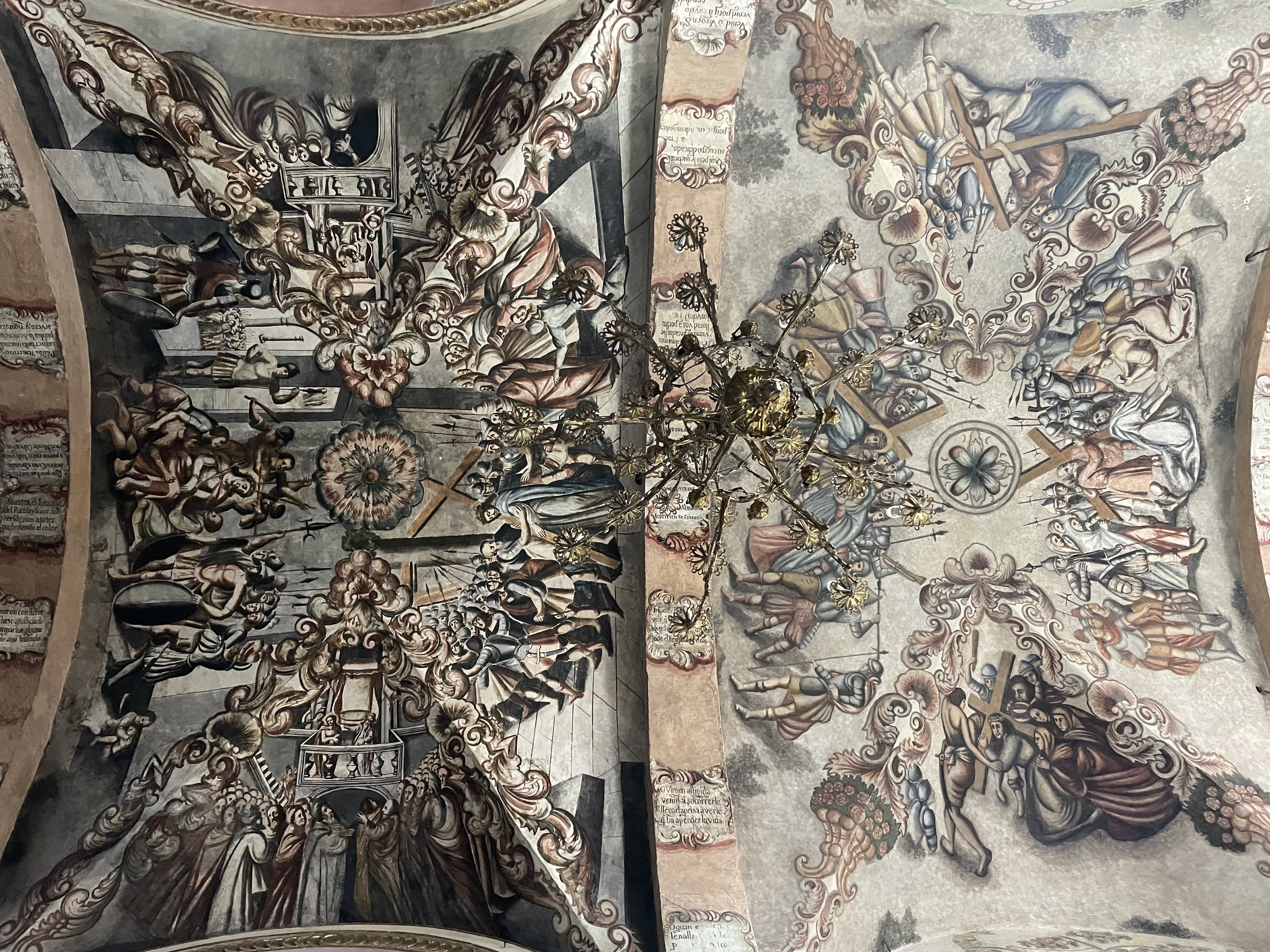
The Atotolnico church was just a 15-minute walk away from the highway. Built in the 18th century, the sanctuary is considered the Sistine Chapel of Mexico. It contains incredible Baroque ceiling murals. Even though I only spent 10 minutes in the church, it was well worth the effort getting here.
I then had the distinct challenge of getting back to San Miguel. Uber did not work. I waited for a public bus on the side of the highway which apparently does run but on irregular hours. I tried flagging down some of the long-distance buses, but they would not take me. Finally, I tried hitchhiking from people who were clearly gringos. As luck would have it, I found a taxi driver who had just taken someone to the church but had a dead leg back. I was able to negotiate a good rate, but just as we pulled away, I saw the public bus arrive. Aaargh!
Back in town, I changed into my suit and headed to the wedding ceremony at a grand church in the center of town.

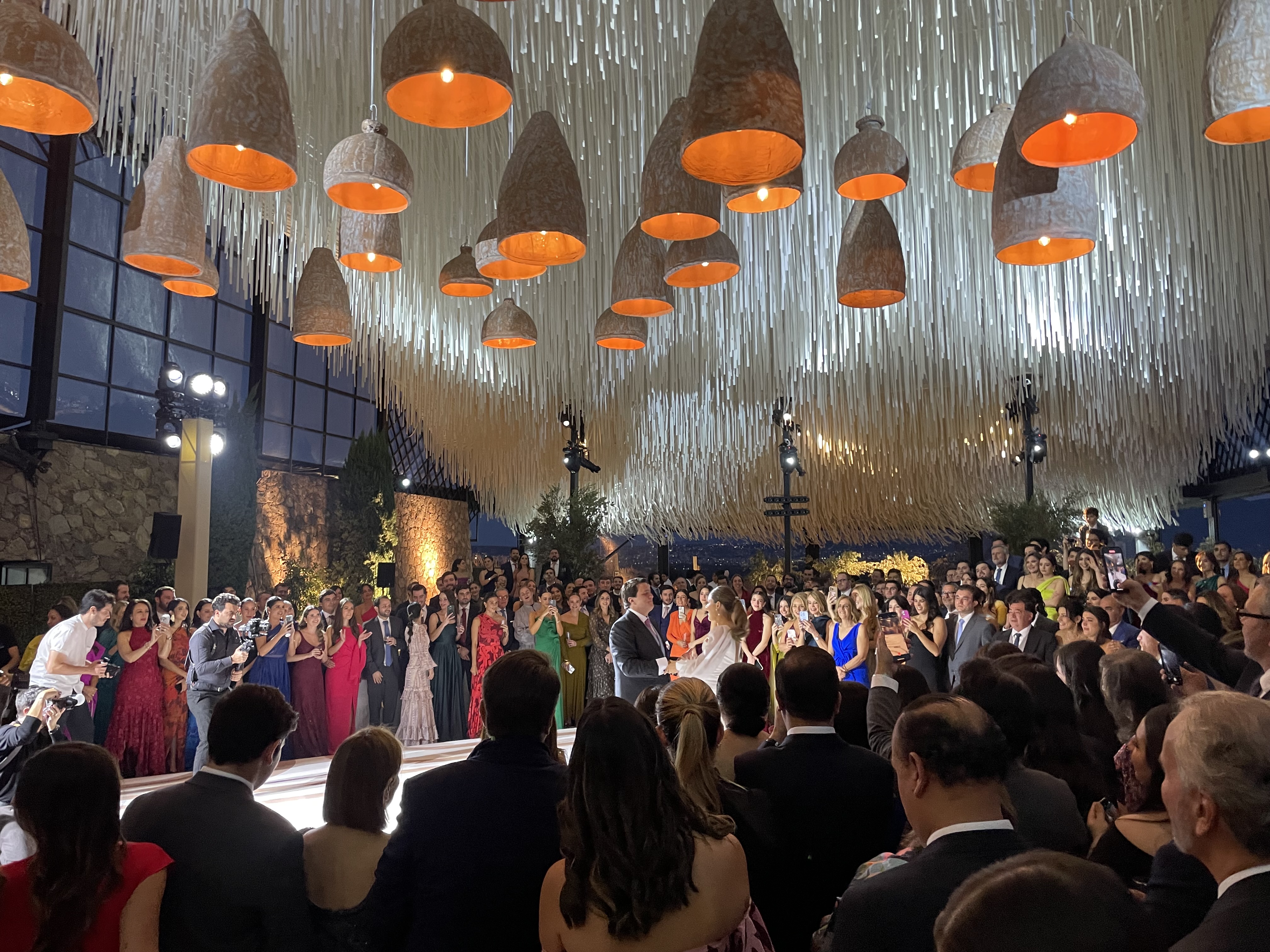
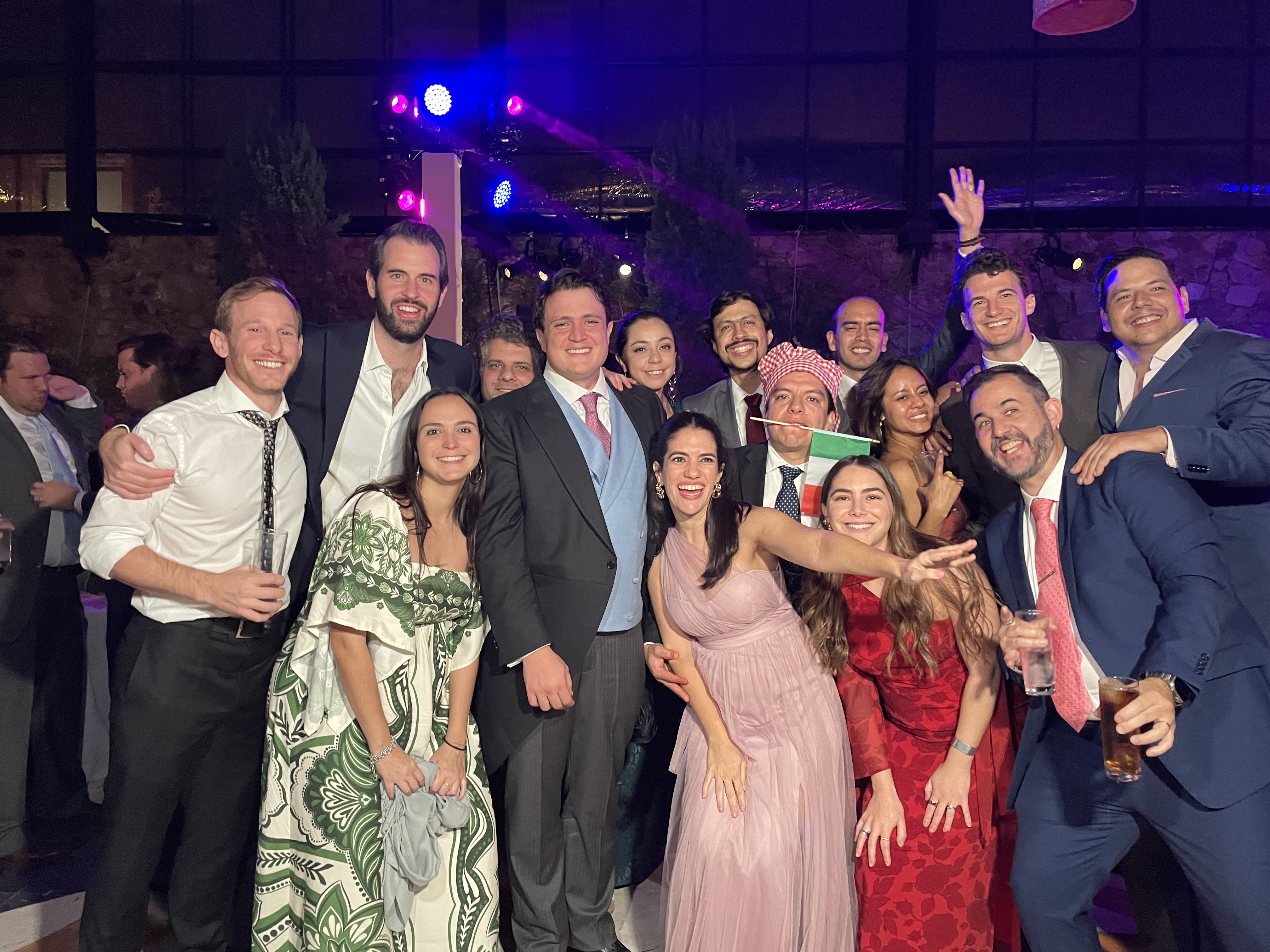
The 450 guests then headed to a winery outside of town for the party. I left the party at 00:30 after a full 12 hours of wedding-ing. The celebration was stunning and so much fun.
The next morning, I rallied and caught the bus to Guanajuato City.
Final Thoughts:
San Miguel is a beautiful small colonial town that is worthy of the UNESCO designation. The museums and art scene are nice and can easily take up a day, maybe two if you take it slow. While there are many gringo tourists and expats, the town still feels authentically Mexican. The town also feels 100% safe – a rarity for Latin America.
The food scene is impressive but only if you are eating at high end places (the Michelin guide is here). The normal-priced Mexican spots (which seem to mostly be breakfast/chilaquiles spots) are fine but nothing special. Many of the good restaurants are Mexican but there are top notch places of many cuisines. There is no regional cuisine in San Miguel. The cocktail bars are also top notch.
Another reason people come to San Miguel is for the hotels. I am adamantly not a “hotel guy” so this is meaningless to me, but enough people do care so I will mention that the hotels are a thing. Many of the hotels are wellness focused – which makes me cringe even more.
Something I really appreciate about San Miguel is that it is a gateway for many Americans to the “real” Mexico. Yes, it is upscale, but the Mexican culture is strong and truly celebrated.
If you are planning to visit San Miguel, the airport shuttle from BajioGo is 100% the way to get to/from town. They are super responsive via WhatsApp and meet your flight no matter what time of day. Both Queretaro (QRO) and Leon (BJX) are equidistant and the same size so it does not matter which one you fly into. But do check both because the flight prices can vary widely between the two. I ended up flying into QRO and out of BJX on two one-way itineraries.
Two days is probably enough time for the average traveler here but you can spend more time by visiting other places in the region. Guanajuato is a stellar town 90 minutes away, there are a few other small towns in the region such as Dolores Hidalgo, and Mexico City is just four hours south by bus.

Leave a Reply