
Why Ruta de las Flores:
The Ruta de las Flores (Route of the Flowers) is a string of five towns in the far west of El Salvador. The towns are known for their colonial beauty, surrounding mountain scenery and culture, especially coffee culture. The five towns are popular with both domestic and foreign tourists. My 2019 Lonely Planet book listed the Ruta de las Flores as the top attraction in all of El Salvador.
The five towns are all located along the same road: Ruta 15S. Public buses connect all the towns at regular 15–20-minute intervals.
After a day exploring Santa Ana and its nearby volcano, I had one more free day but needed to be back in San Salvador by the evening. With the hostel owner’s help, I realized I could visit the route north to south and then catch a bus back to San Salvador from the southernmost town on Sonsonate.
January 14, 2024: Ruta de las Flores
The northernmost town on the Ruta de las Flores is the provincial capital of Ahuachapán, just 10 kilometers from the Guatemala border. To get to Ahuachapán, I took a one-hour bus ride from Santa Ana’s main bus terminal. Luckily, I only had to wait five minutes for the bus to leave.
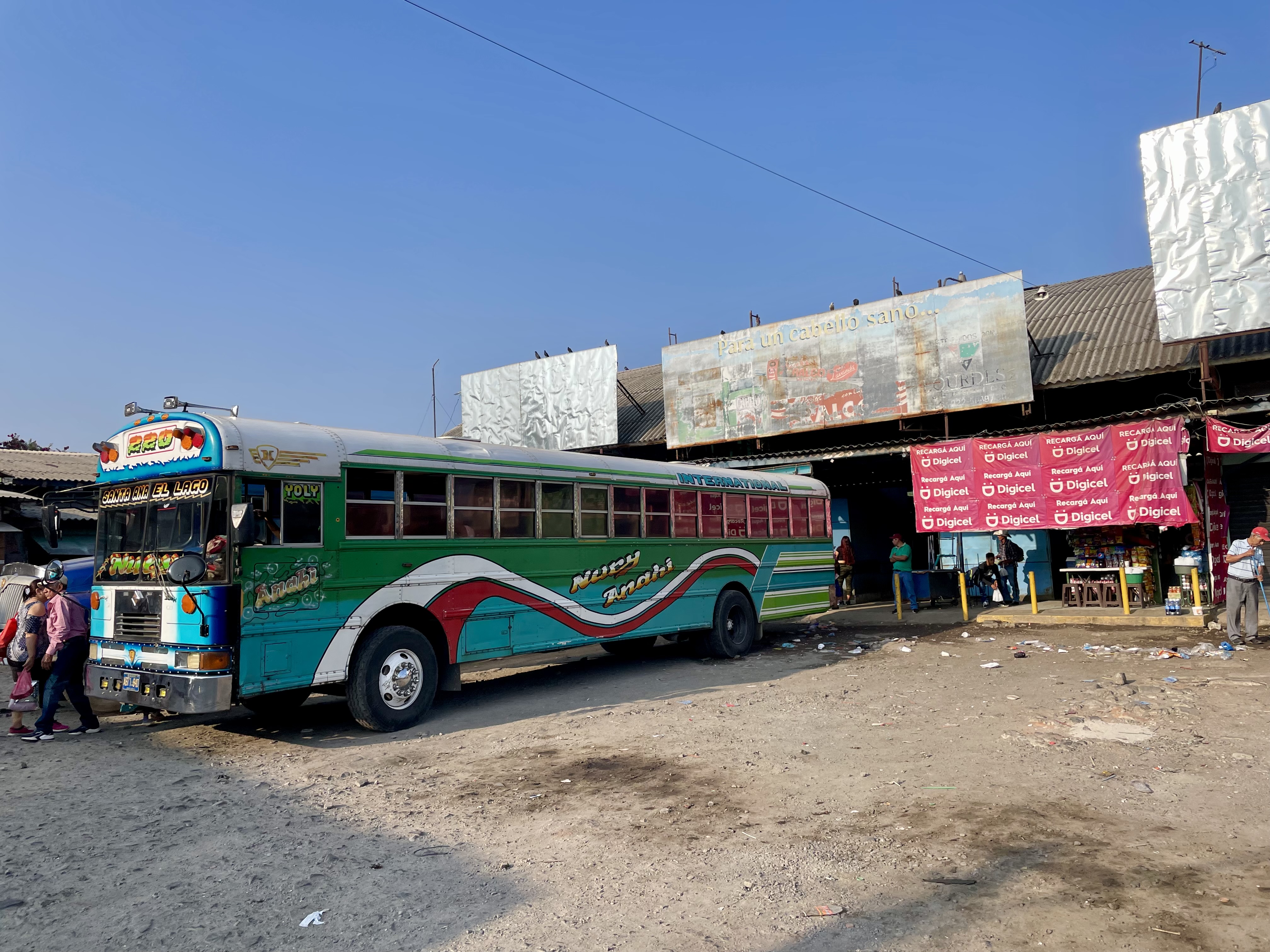
Ahuachapán does not have a formal bus terminal. Instead, buses park in designated spots along a backstreet. After wandering the street, I realized that I could not find the right buses. Knowing that buses in El Salvador will stop at any point along the route to pick up passengers, I started walking towards the highway and found the buses.

Instead of the normal public bus, I took a short bus which appeared to be more full and therefore more likely to leave first. This ended up not being the case and in addition to leaving later, it stopped more often and struggled to get up the hills.
Eventually, the bus pulled into Conception de Ataco (aka Ataco), my first stop for the day.
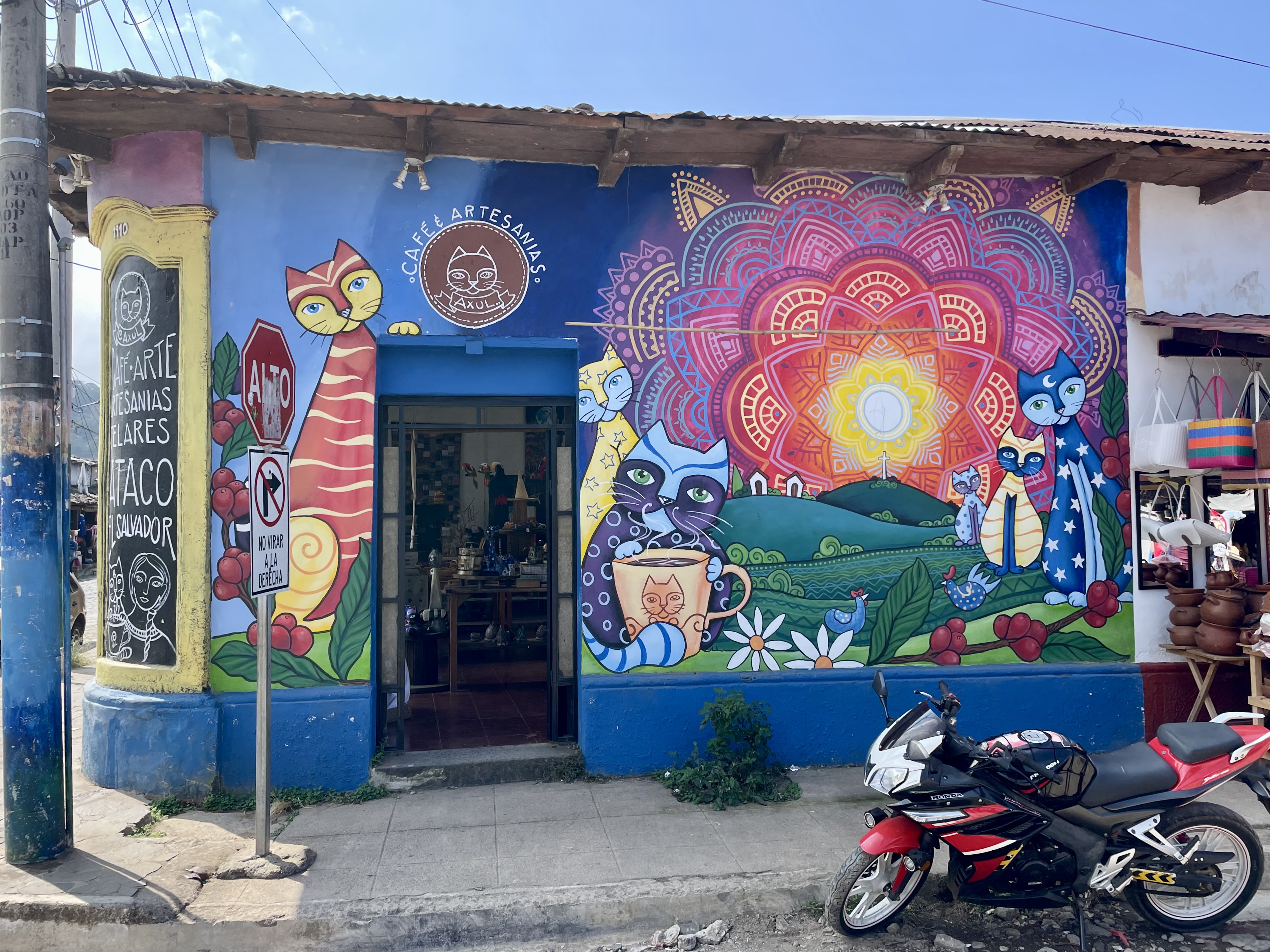
Ataco is a colonial town surrounded by verdant hills. I started my day here walking to the Mirador de la Cruz for a sweeping view of the town.
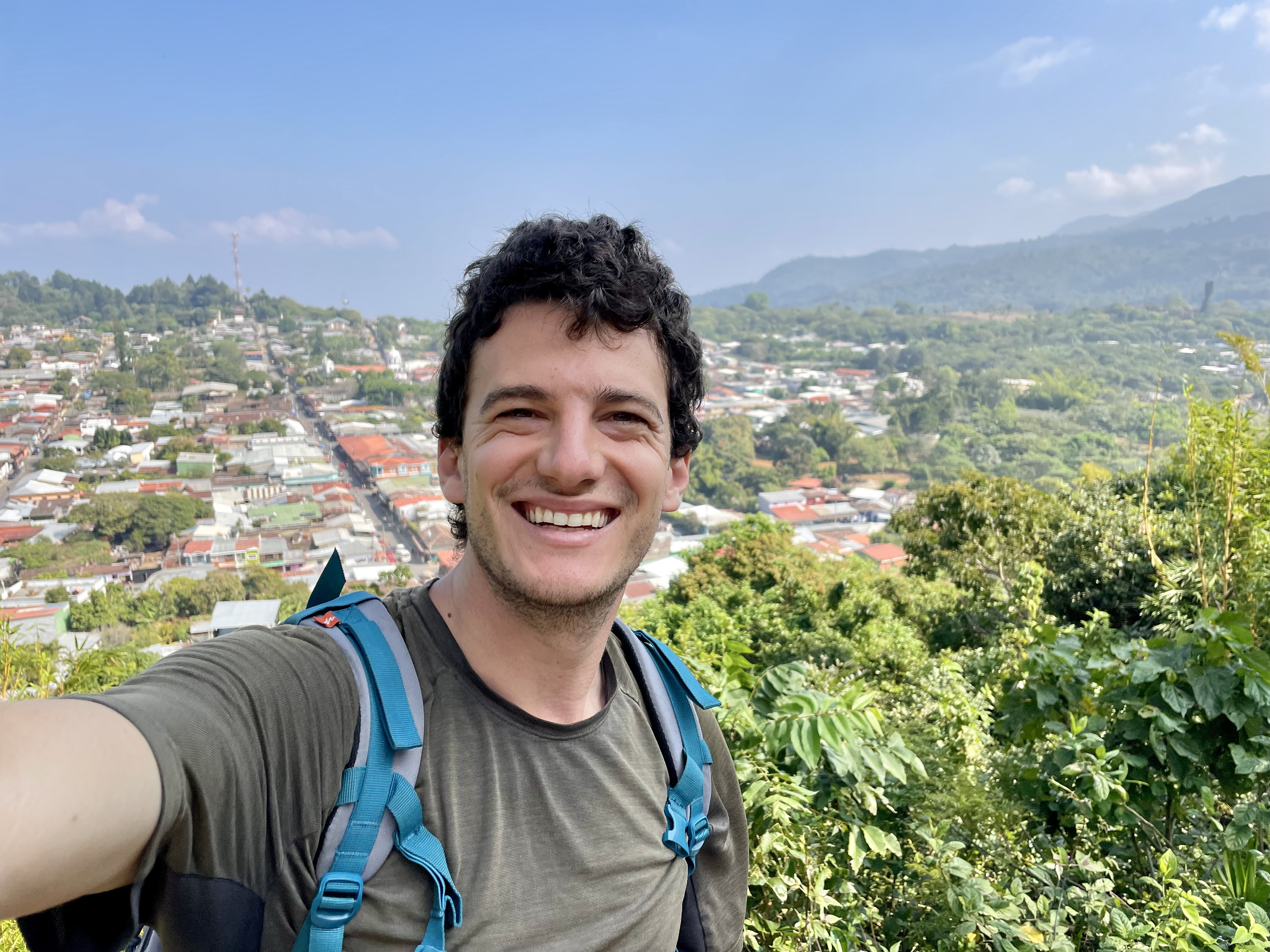
Back in town, I saw a barber shop and got a haircut for $2.50. This was my third cheapest haircut ever. The cheapest ($1.60) was in Goa, India last year and second place ($2) was also in El Salvador. My $2.50 haircut was just as good as anything I get in the US.
The town itself is a dream. The buildings are historic but there are also beautiful modern murals. The town has tourist souvenir shops and restaurants but also is very much lived in with produce markets and a thriving church. The energy was fastastic!
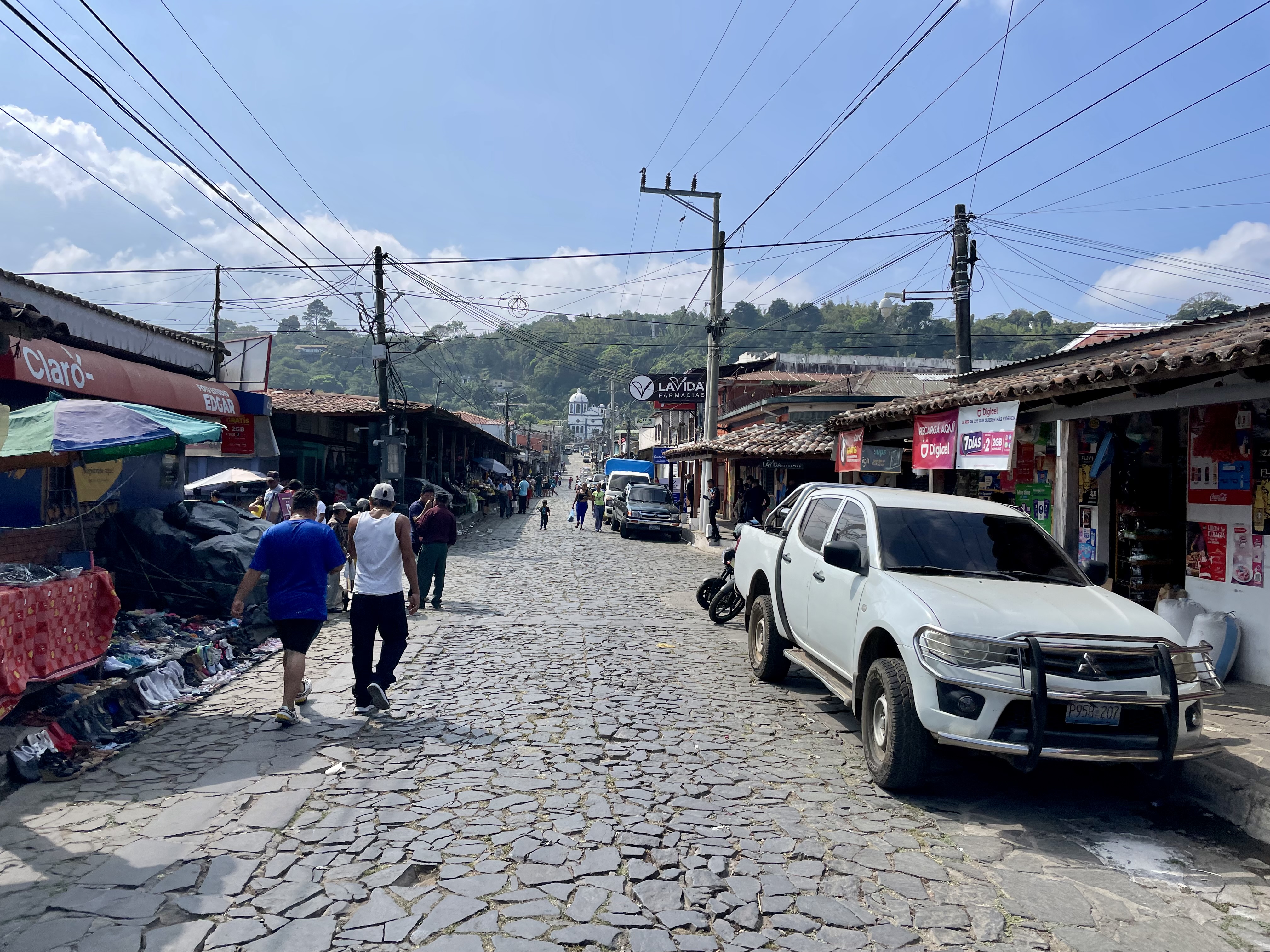
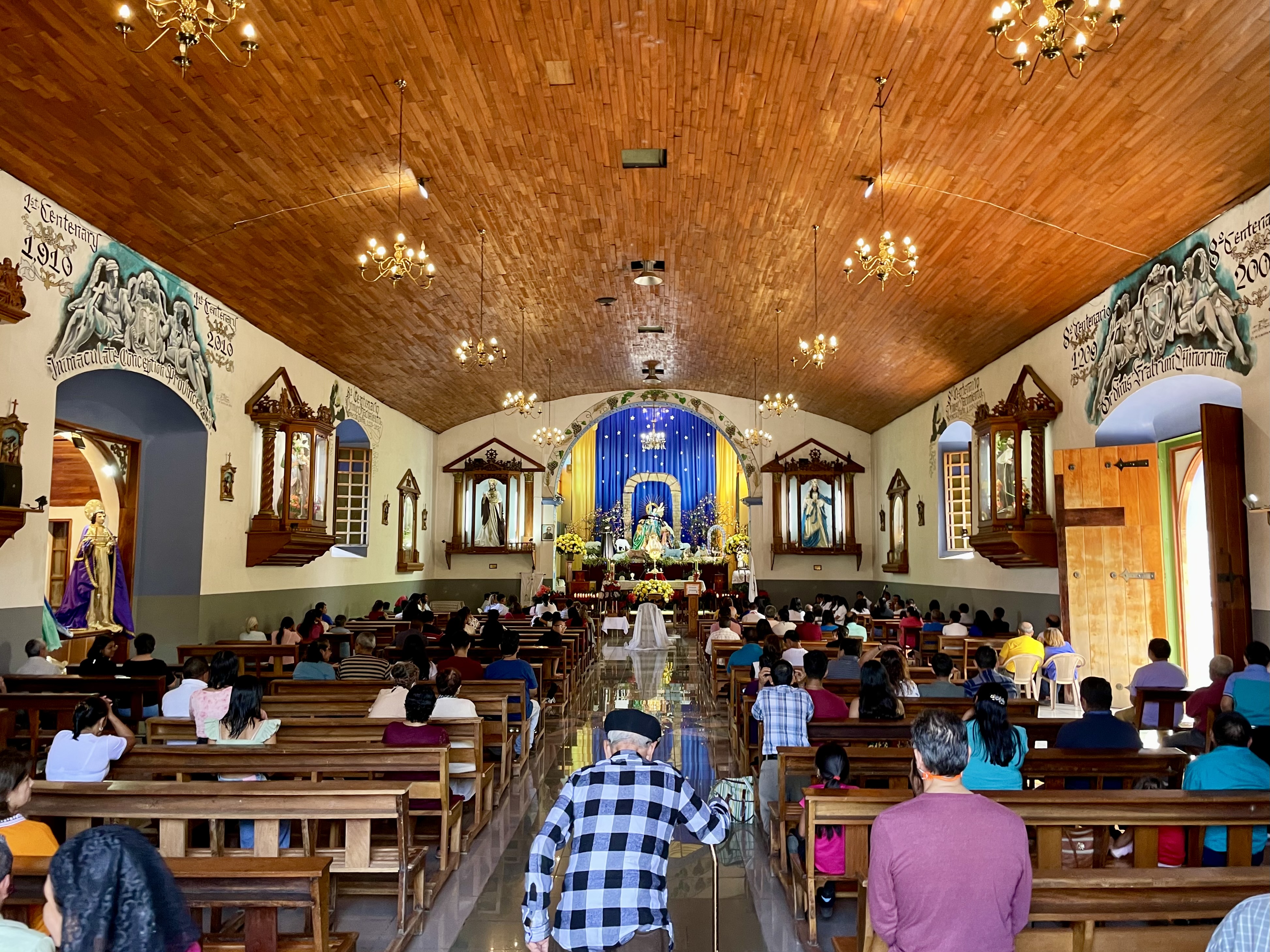
The town square was undergoing a renovation and was closed, but street vendors were setting up for the weekly food festival (feria gastronomica).
I could have spent way more than the hour in Ataco, but I had to keep moving. My next stop, 3 kilometers down the road by bus, was a fancy restaurant called Jardin de Celeste. This place clearly was for the wealthy of San Salvador with its large parking lot and private security force.
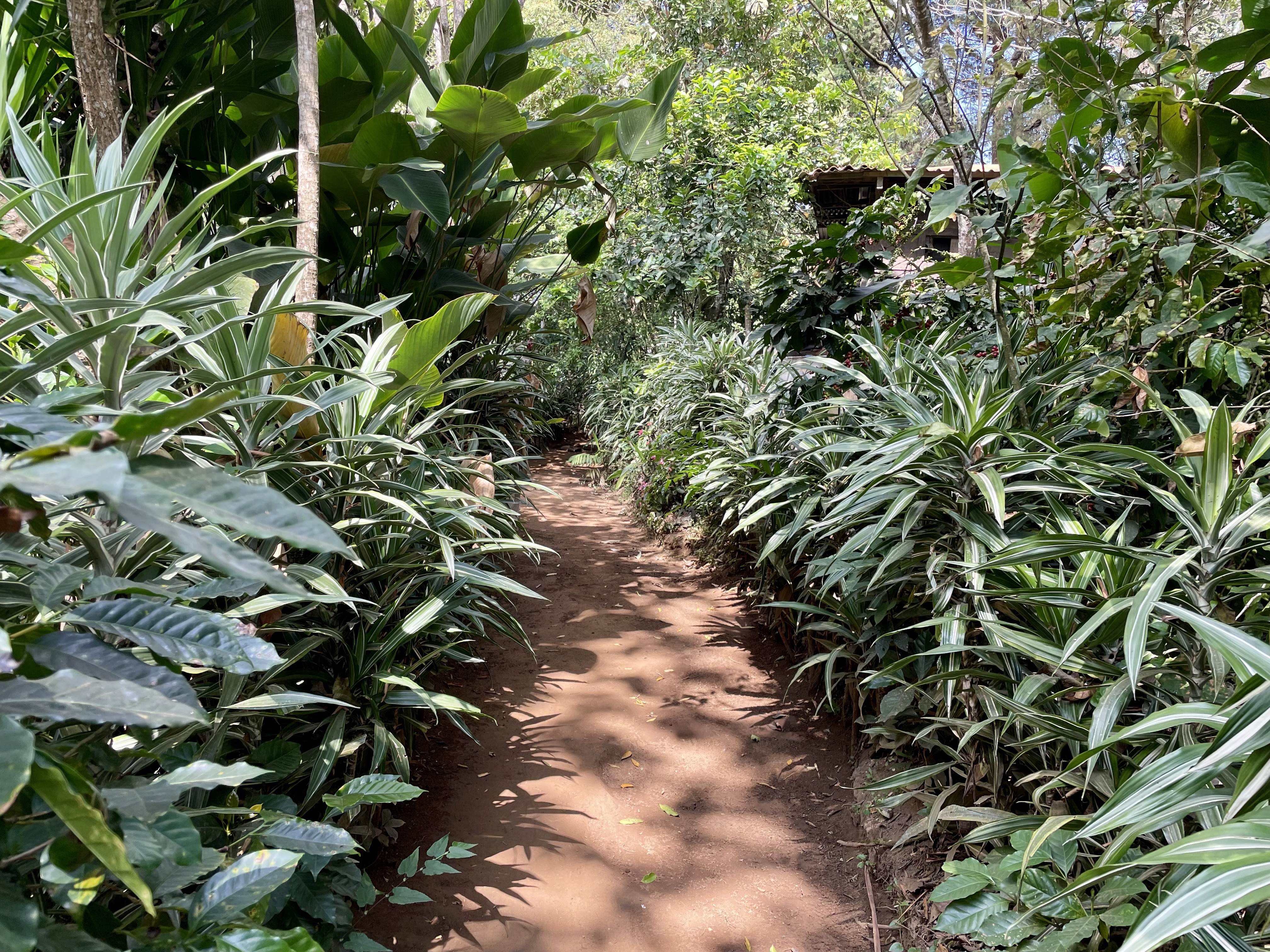
Inside, I was greeted by a traditional restaurant and, true to the name, a huge garden. Mains were between $15-20 and, based on the amazing reviews, I would have eaten there had it been a weekday. But since this was a Sunday, there was a more interesting option in the next town…
I hopped on another bus to reach Juayua, the most popular town on the Ruta de las Flores and center of tourist activity in the region.
The town was pulsing with energy. Not only was it the weekly feria gastronomica (yes just like Ataco), but it was the day before the patron saint’s feast day. The streets were full of floats in place for tomorrow’s parade. The buildings were not as pretty as in Ataco, but the vibes more than made up for it.
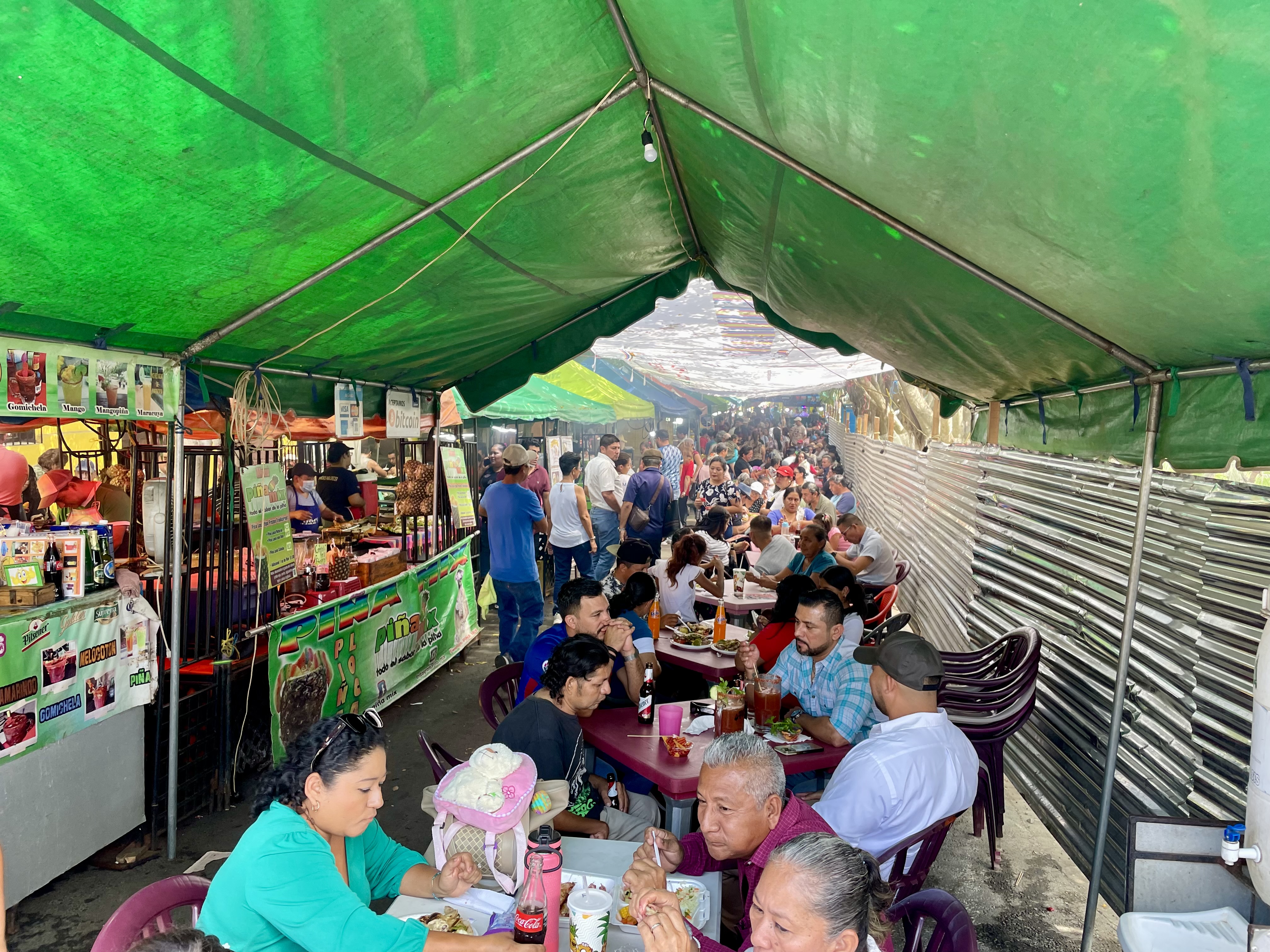
Juayua’s feria gastronomica is known all over the country. Typically it takes place in the town square, but again just like in Ataco, the square is undergoing a major renovation. Instead, the booths were set up in a long row around the edge of the construction site.
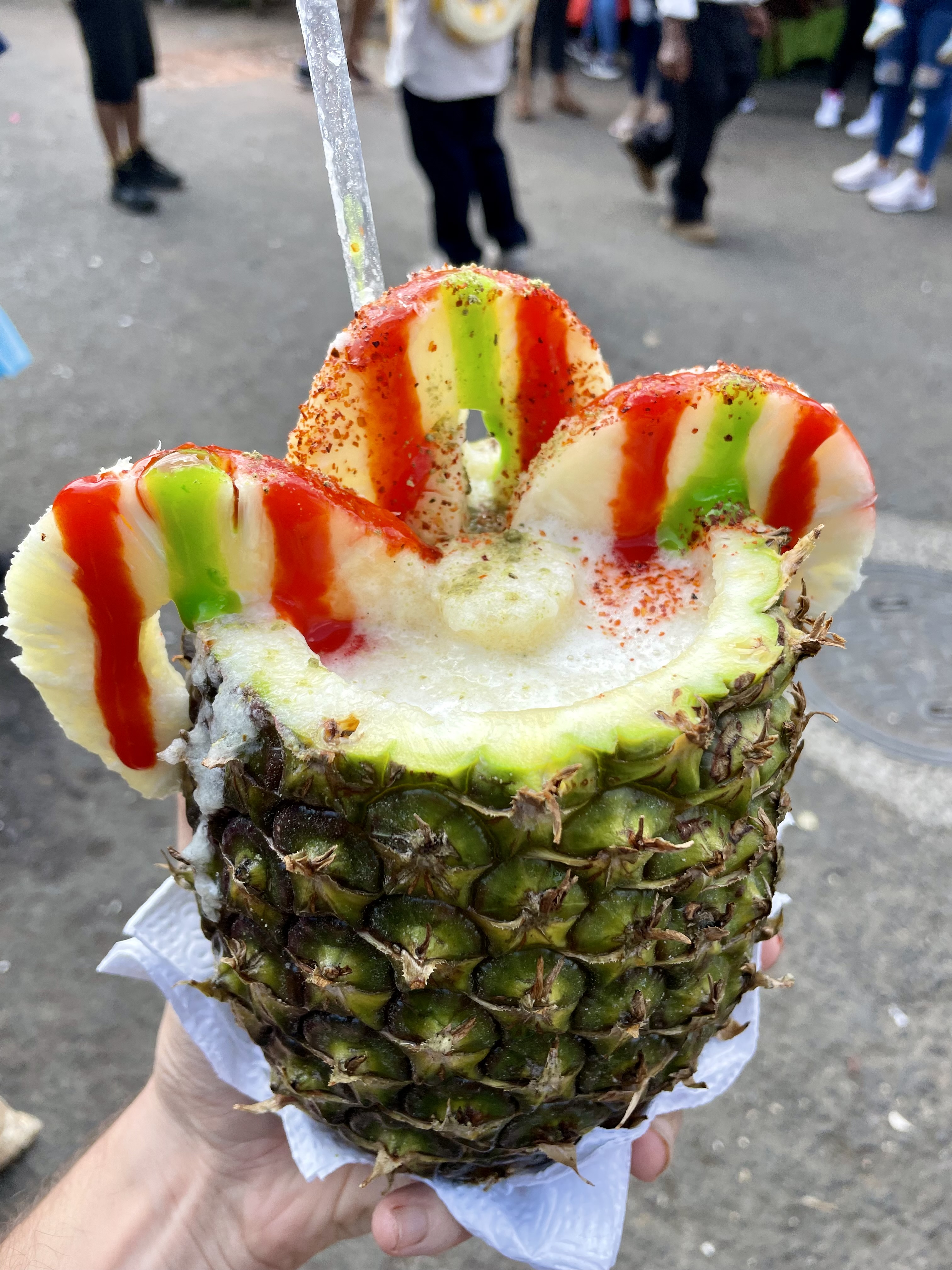
Following the lead of everyone else, I started things off with a piña loca: a hollowed-out pineapple filled with pureed pineapple mixed and local rum topped with pineapple rings and numerous chili pastes. It cost $4 and was worth every penny.
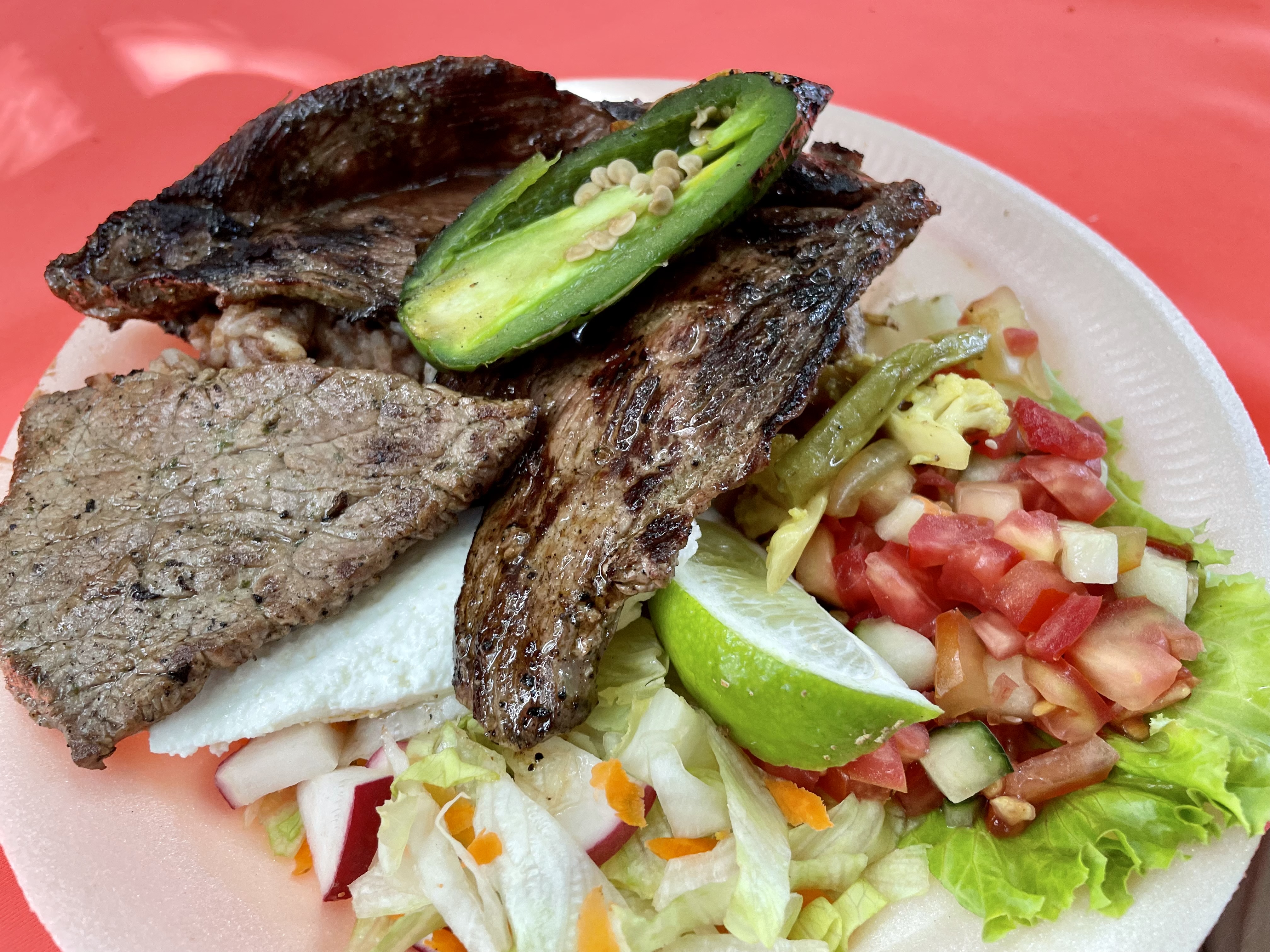
Next for my food, I got carne asada, which every stall seemed to be making. I picked my stall because they actually had seating.
For dessert, I got atole, a warm corn-based sweet drink mixed with corn kernels.
In total, I spent $12 on this feast – expensive by El Salvador standards but still quite reasonable given the huge quantities of food.
The festival did serve other more interesting items such as guinea pig, frog, and rabbit but I opted for the safer picks.
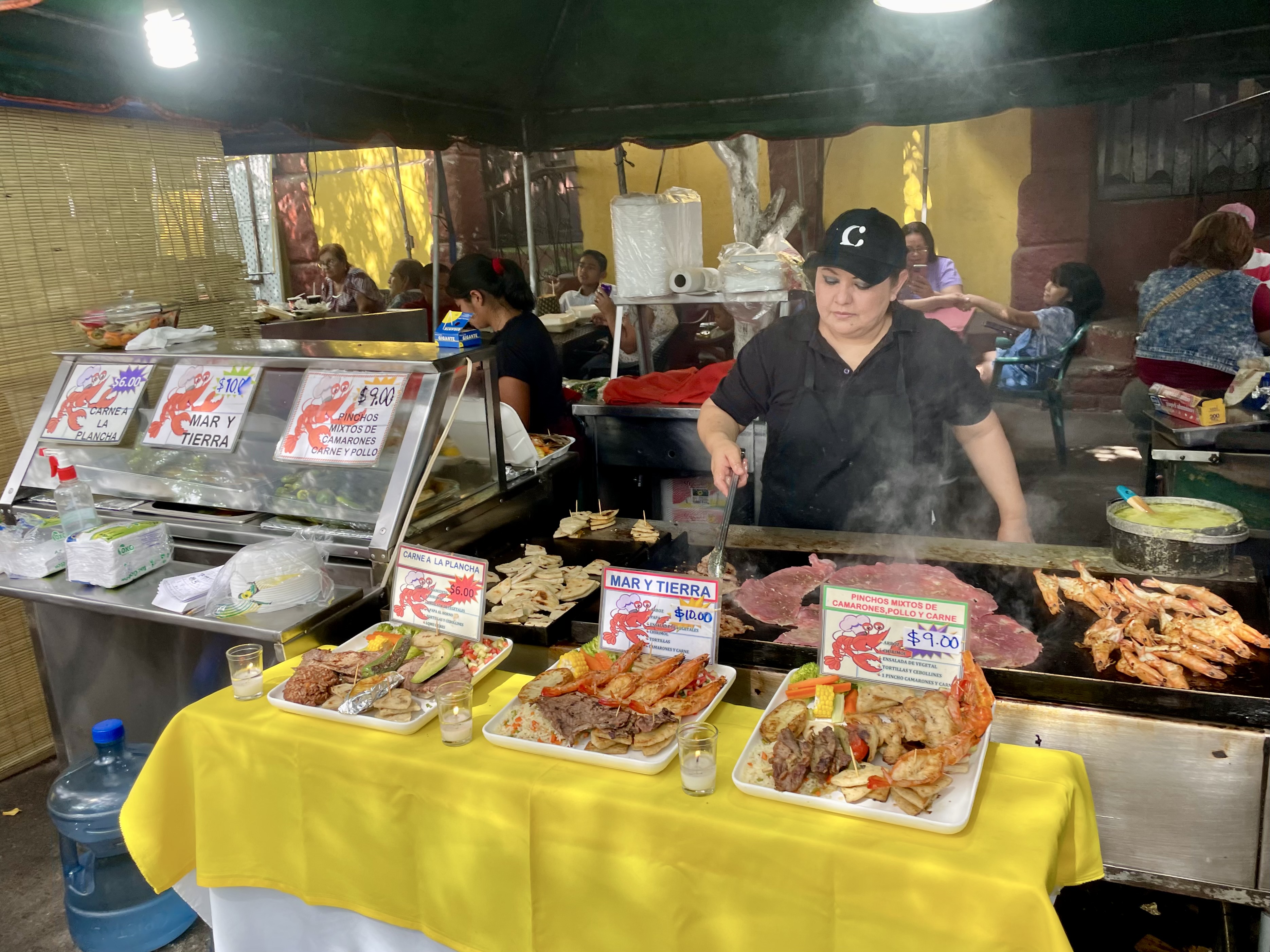
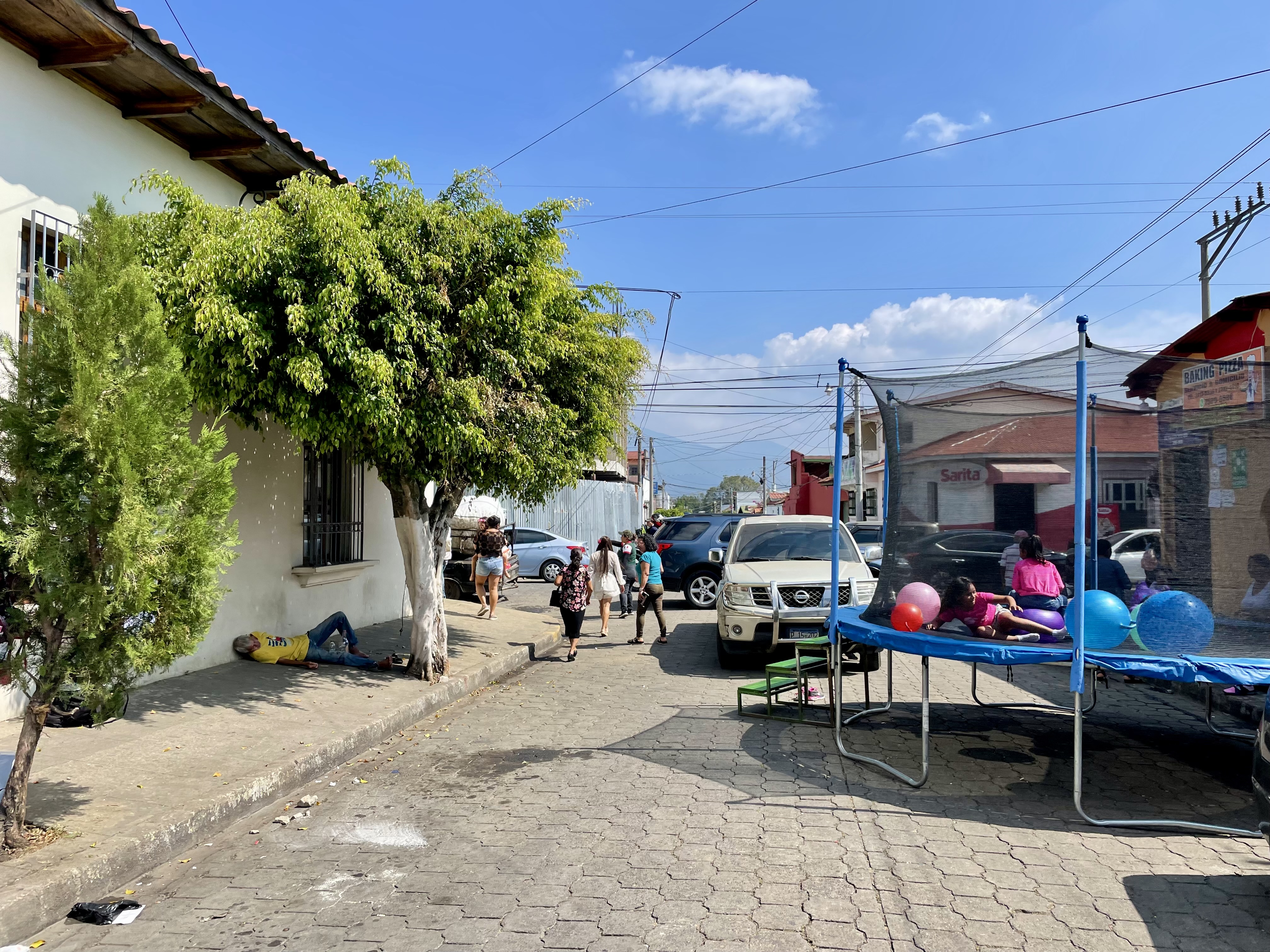
Outside the festival there was great people watching. In one instance I witnessed a drunkard lying passed out, bottle in hand just meters away from children jumping on a trampoline placed in the middle of the street.
Juayua also has a strong backpacker scene. I ran into numerous backpackers from Europe at the food festival. People stay here for a couple nights to hike the famed Seven Waterfalls.
At 14:00, I caught a bus south to Sonsonate, the southernmost town on the Ruta de las Flores and the largest city in the region. Sonsonate does have a few attractions including a railroad museum. However, I needed to head back to San Salvador earlier because bus service ends early on Sundays.
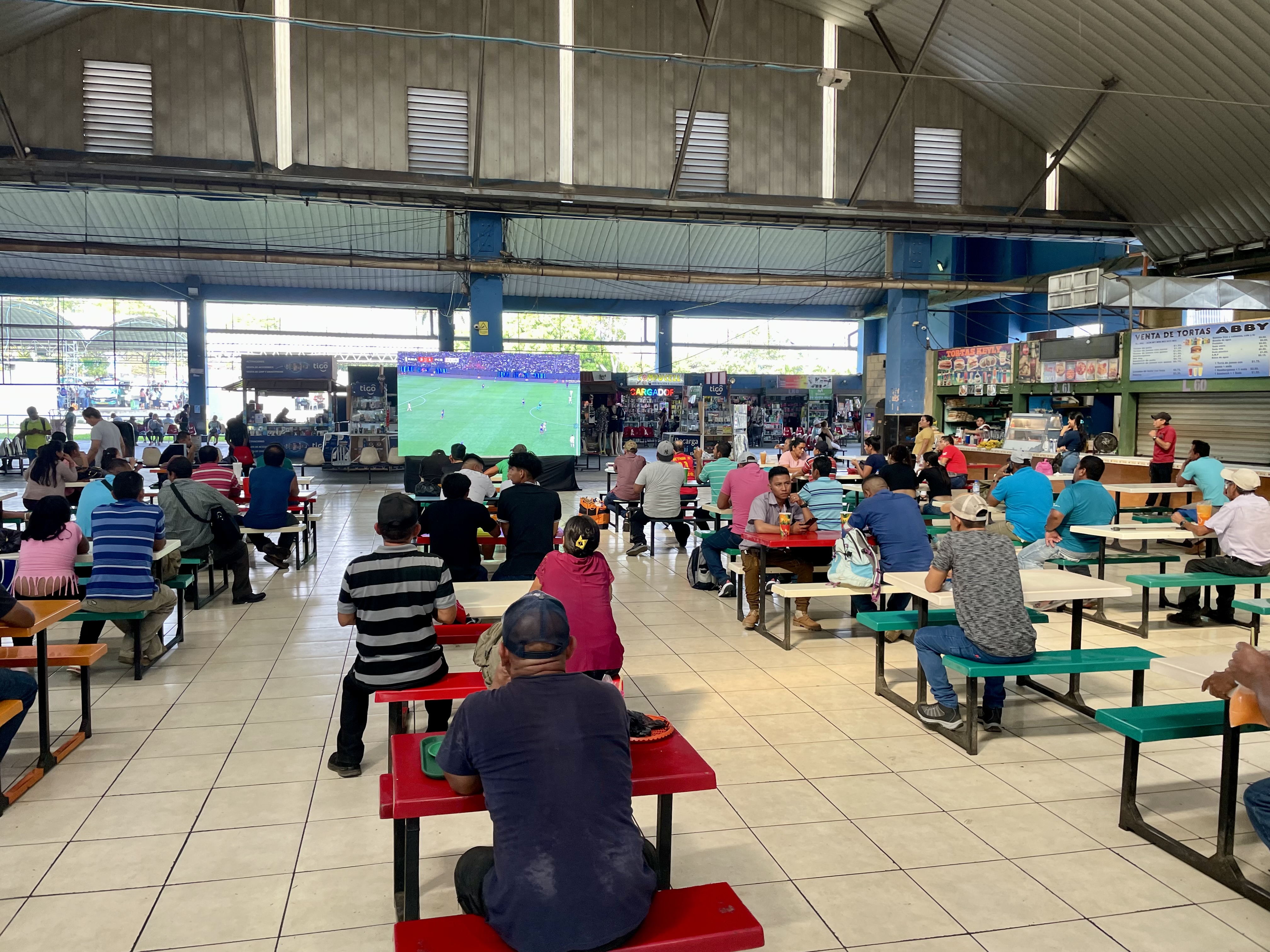
Sonsonate has a large modern bus terminal that is nicer than any I had seen this far in the country. The El Classico game between FC Barcelona and Real Madrid was being projected in the middle.
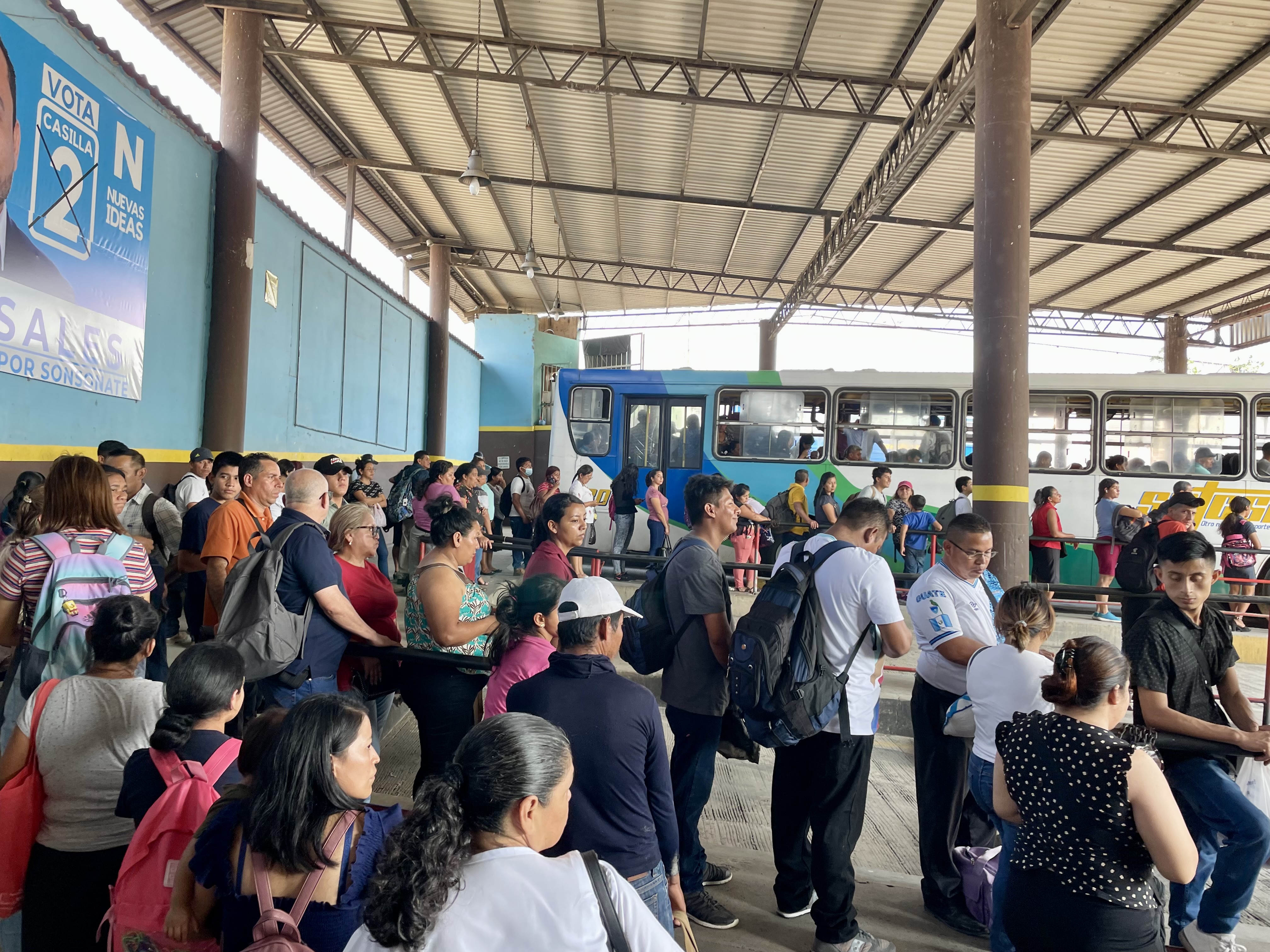
However, the San Salvador buses leave from a separate dedicated terminal across the street. There I discovered that there was a huge line of passengers attempting to travel to San Salvador. After waiting in the Express bus lane for 30 minutes, I boarded what ended up being the final bus of the day. I made it back to San Salvador without issue.
Final Thoughts:
The Ruta de las Flores is worthy of the hype. The towns are beautiful, there are plenty of cultural and natural activities and the food is good. But the best part of the route is the vibes; you just feel happy here.
While I explored the route during the day, spending a night or two will allow you to not only explore all the towns on the route but also get to hike and explore coffee plantations. Juayua, being the largest town and in the center of the route is the most natural place to stay, but Ataco is also a worthy destination. I have been told that the towns are quiet during the weekdays, so definitely try to time your trip here over a weekend.
Leave a Reply