
October 30, 2023: More Soup
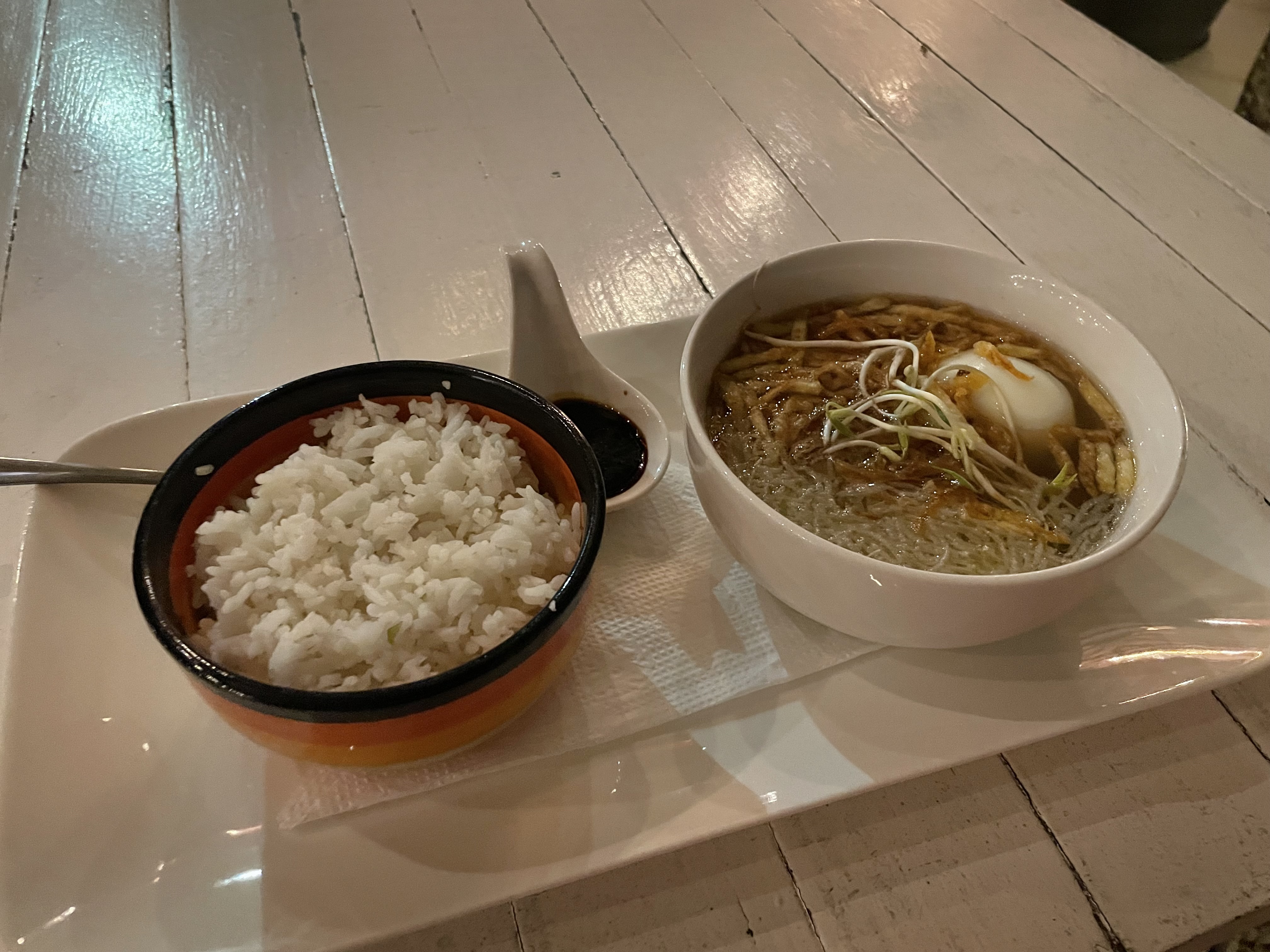
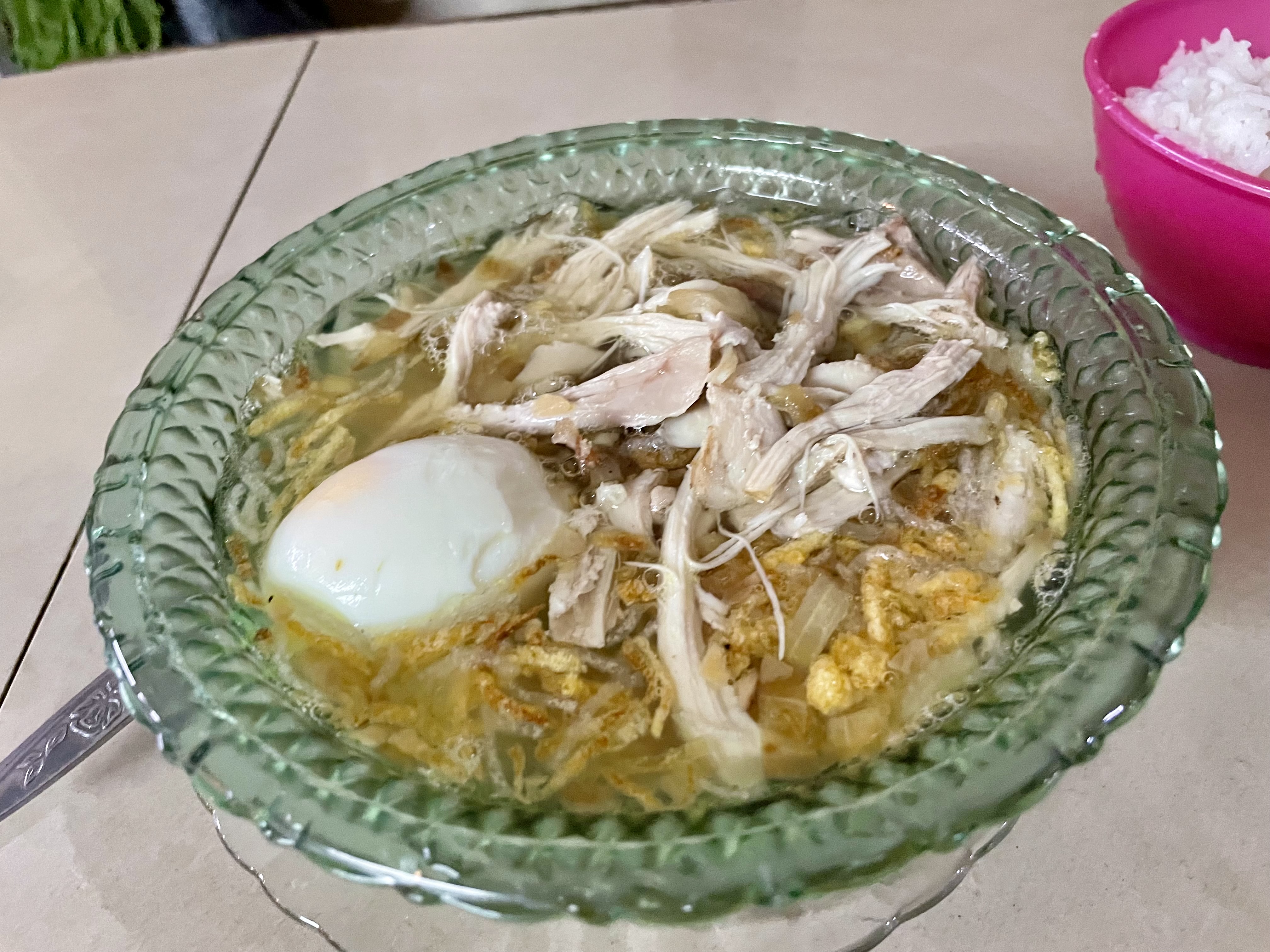
After three days in Fredberg in the interior of Suriname, I returned to Paramaribo the capital around 21:00. The bus dropped me off near my hostel where I went back to the soup place I visited on my first night, as it was the only restaurant open this late. This time, I ordered saoto, an Indonesian soup brought to Suriname my Javanese migrants.
I then went to bed after a long journey.
October 31, 2023: Dutch South America
Today was my final day in Suriname – my flight to Panama left at 17:30. Since the airport was so freaking far, I would need to leave no later than 13:00 to make my flight…which gave me the entire morning to explore the city. According to everybody at Fredberg, ½ day is enough to see the main sights in the center.
Paramaribo is located near the confluence of the Suriname of Commewijne rivers. Its name comes an indigenous word meaning “large river inhabitants”. The city was founded by the Dutch in 1613, abandoned, refounded by the French in 1644, abandoned again, and then refounded by the English. The Dutch recaptured the town in 1667 in the Anglo-Dutch war. In what would be the worst trade ever, the 1676 Treaty of Westminster solidified Dutch claims over Suriname in exchange for ceding New Amsterdam (now known as New York City) to the British.
While the Netherlands was happy to have a foothold in the South American continent, the land was not valuable for the Europeans as the jungle was too thick and the coast was full of mangroves which limited the ability to create a large port. The Dutch farmers that did settle here never made much money and consequently treated their African slaves worse than in any other colony to attempt to improve margins. The brutality encouraged slaves to escape to the jungle, forming the Maroon ethnic group. Many of the plantations from this era still exist on the riverbanks near Paramaribo and had I had one more day, I would have taken a tour of them. In true Dutch fashion, the plantations are connected by bike path. The plantations have received increased attention in the Netherlands due to a George Floyd-era desire to reckon with the legacy of slavery. Earlier this year, the Dutch king formally apologized for slavery and its role in the slave trade.
Slavery in Suriname ended in 1873 and many of the freed slaves reasonably did not want to keep working for the Dutch. To compensate for the labor shortage, the Dutch brought in paid laborers from Java, Indonesia (another Dutch colony) and British India.
In 1975, Suriname finally was granted independence from the Netherlands. Unfortunately, Independence has not proven so good for Suriname. For the first 10 years of its existence, it was run by a military dictatorship. The former president (until 2021) is under an ICC arrest warrant for murdering 15 political opponents during the dictatorship. The current president won his election unopposed. Suriname is the second-poorest country in South America and receives no foreign aid due to military´s control of the government, the outstanding arrest warrant and general corruption.
Despite the terrible history, there are a lot of good things to say about modern Suriname. Despite the poverty, it has the 2nd lowest crime rates in South America and received a Level 1 Travel Advisory from the US State Department (a difficult task). Suriname also has an unprecedented level of racial and religious tolerance.
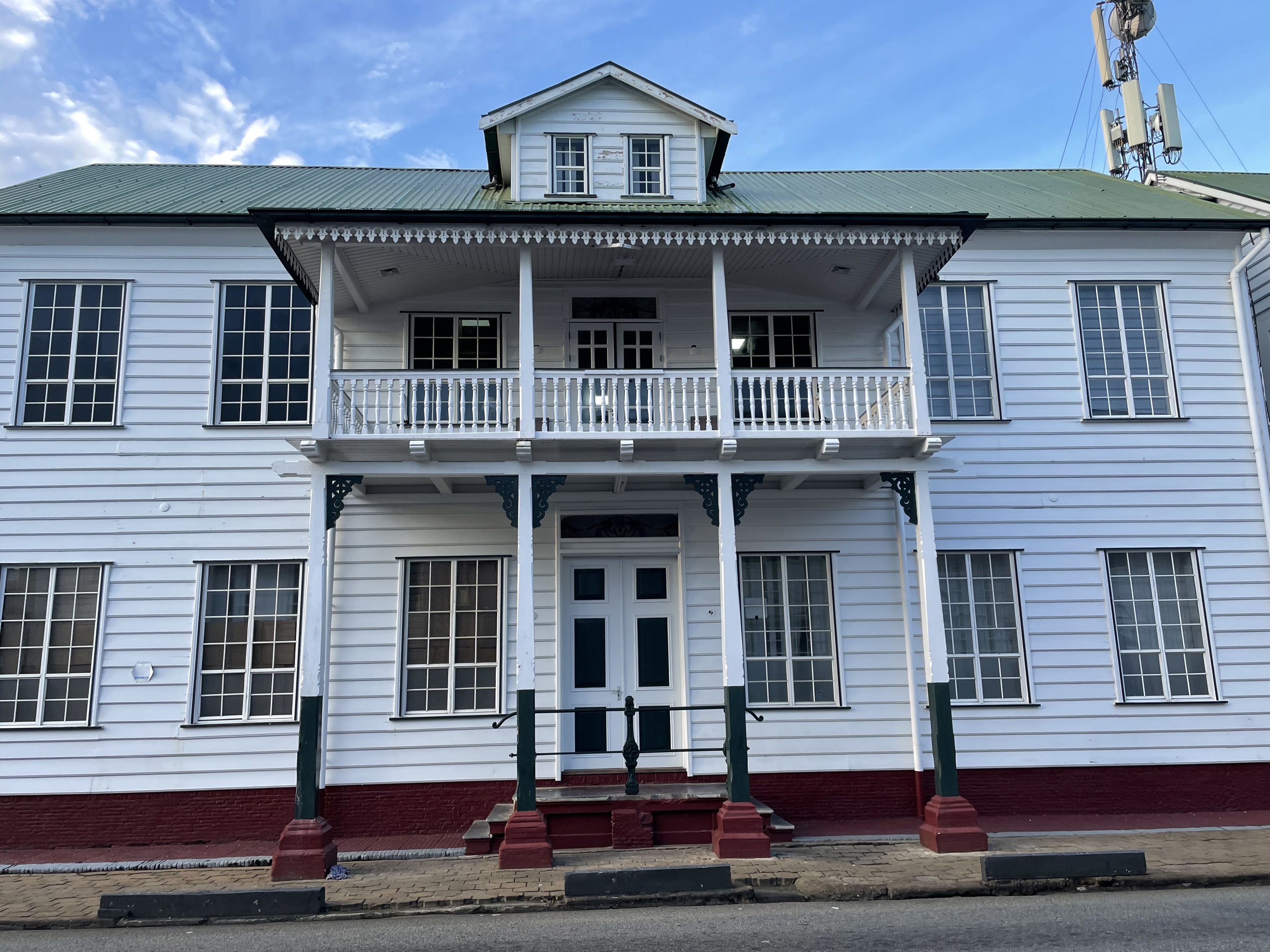
With all this background, it was time to explore the capital of Paramaribo. Its historic colonial Dutch center is a UNESCO World Heritage Site. Most of the buildings are from the 17th-early 19th centuries and are made of wood. Wood was used instead of stone because it was cheaper and…there is so much of it in Suriname. Despite their age, the buildings look new because they are constantly repainted.
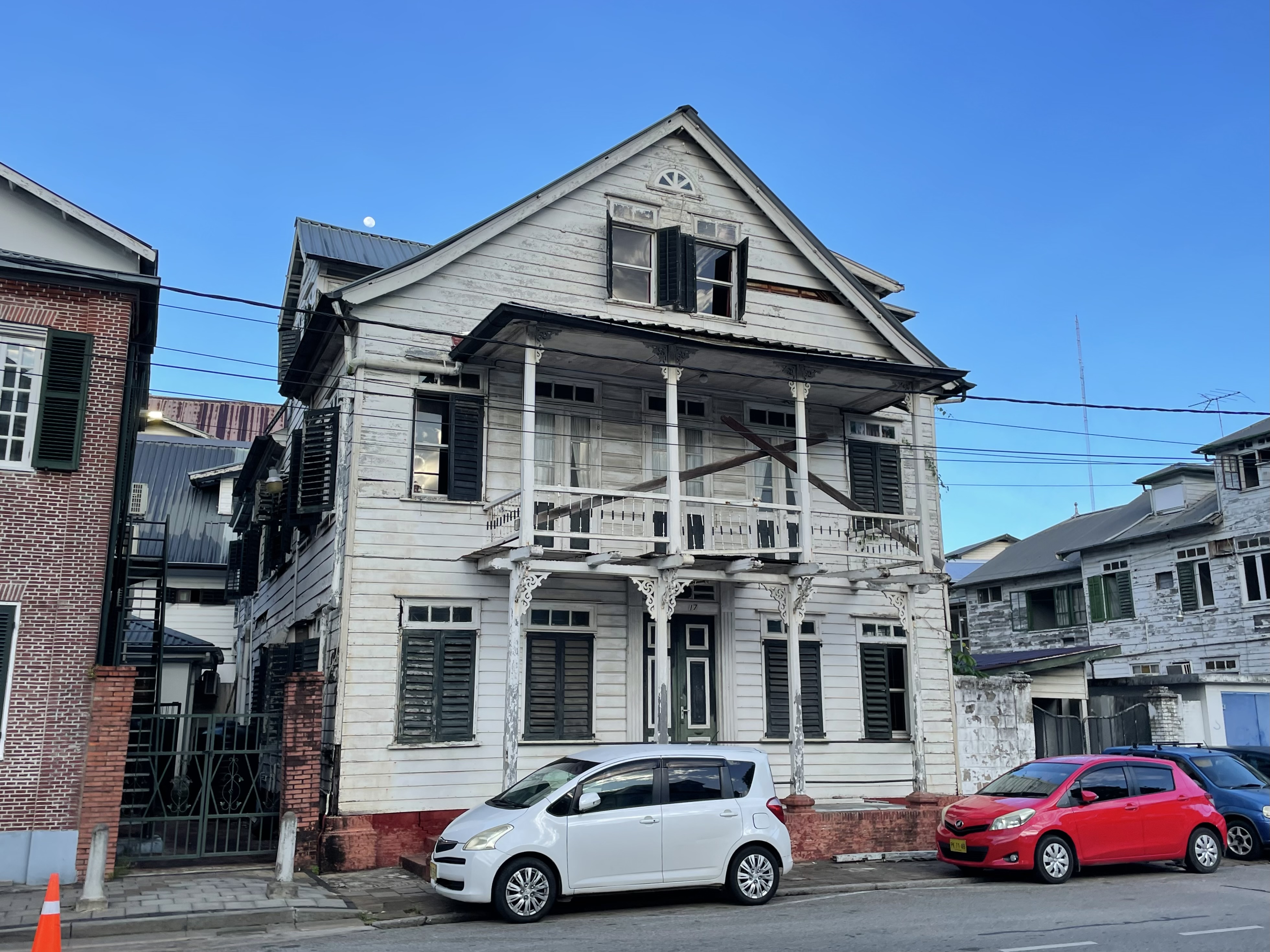
The colonial city center is very much an active and lived place. My hostel is in a colonial building. So are shops, offices and all the government ministries.
My first stop of the day was the market. There are actually two markets: the Maroon market and the Central Market. The Maroon market was unlike any I have seen before and was mostly full of plants used for traditional medicines but also had wooden crafts made by tribespeople.
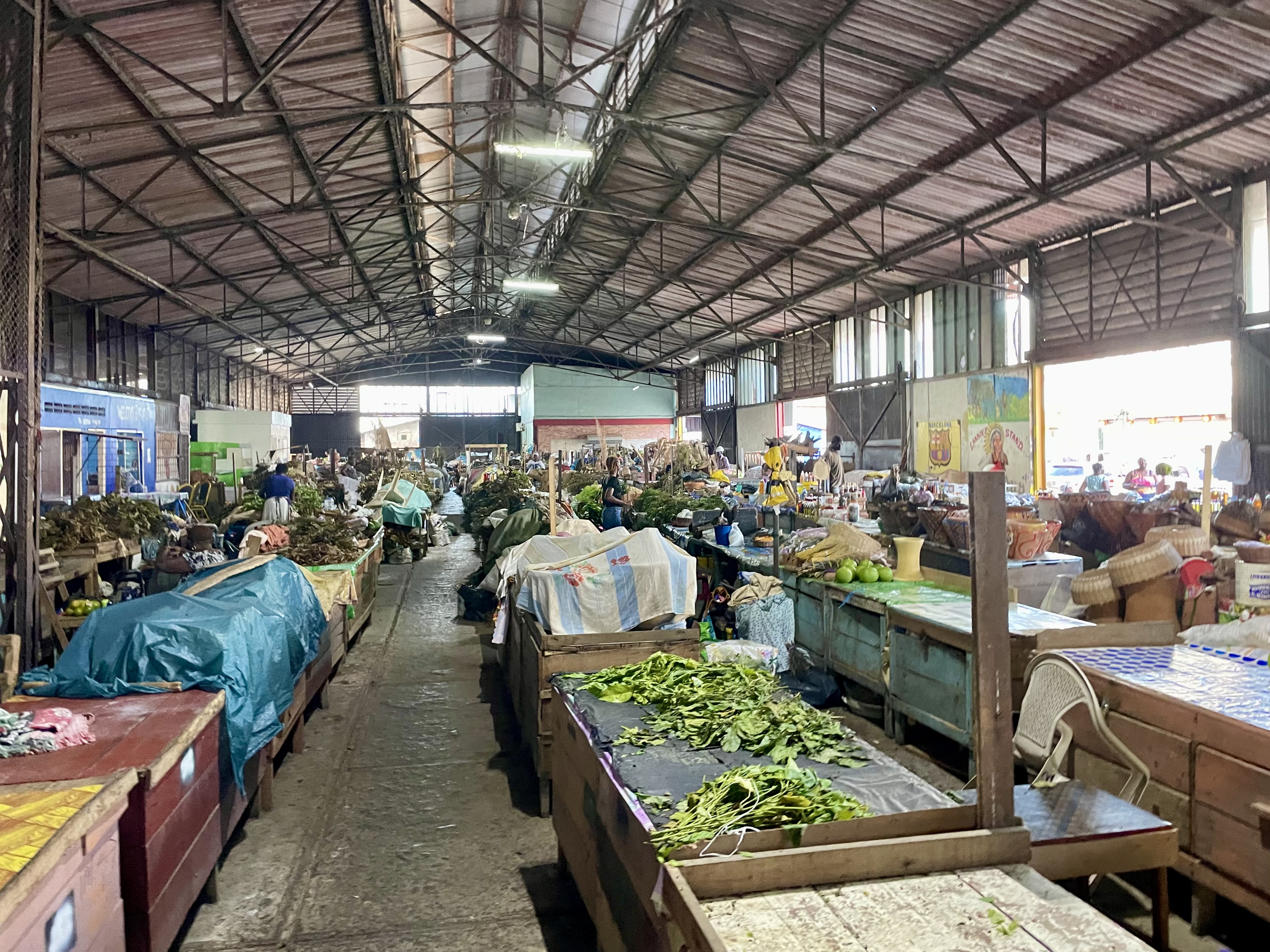
The Central Market, with its pink tables, is the city´s main produce market. The central hall contained fruit and vegetable kiosks with goods such as hot peppers and the rare Surinam cherry.
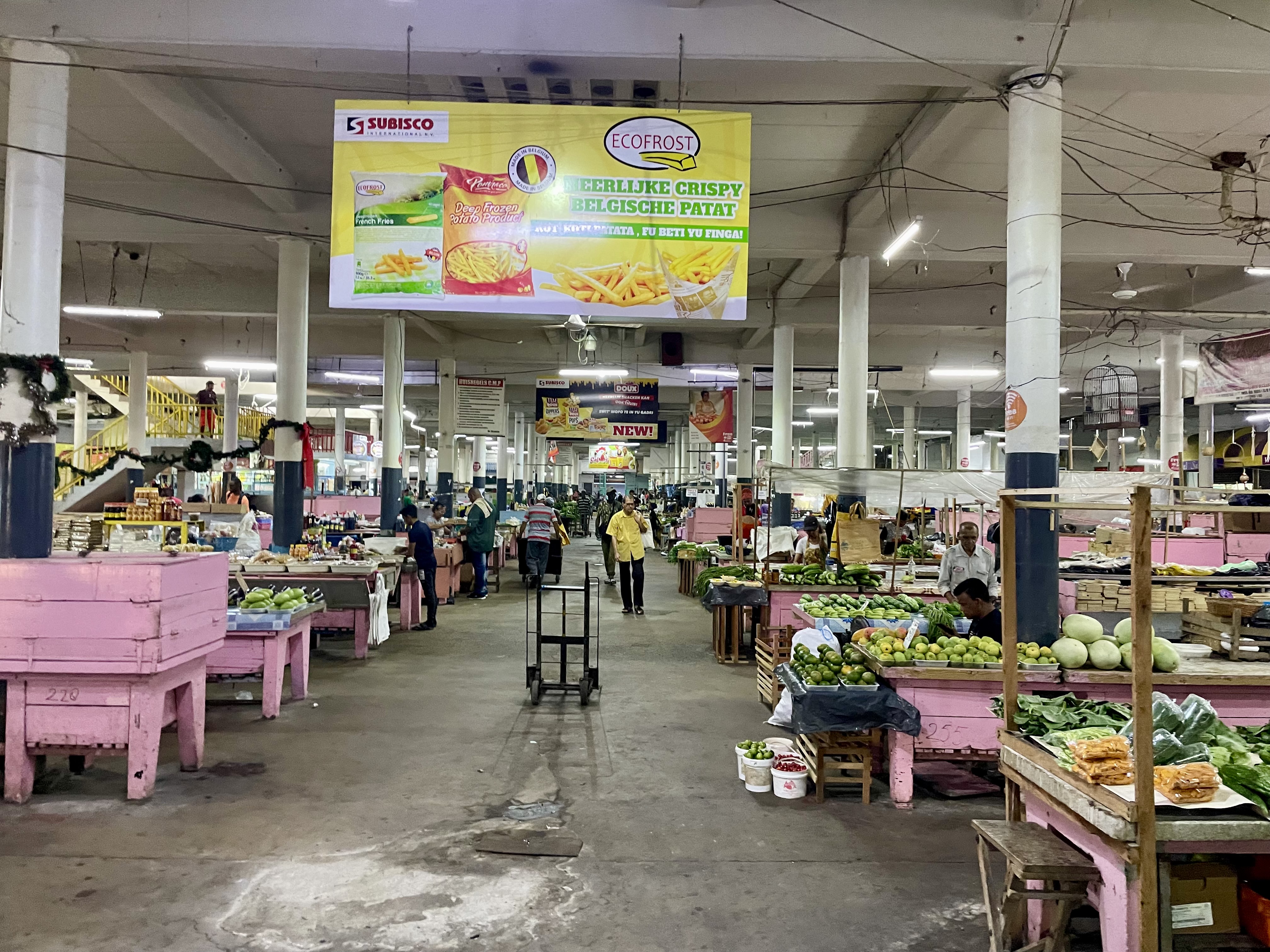
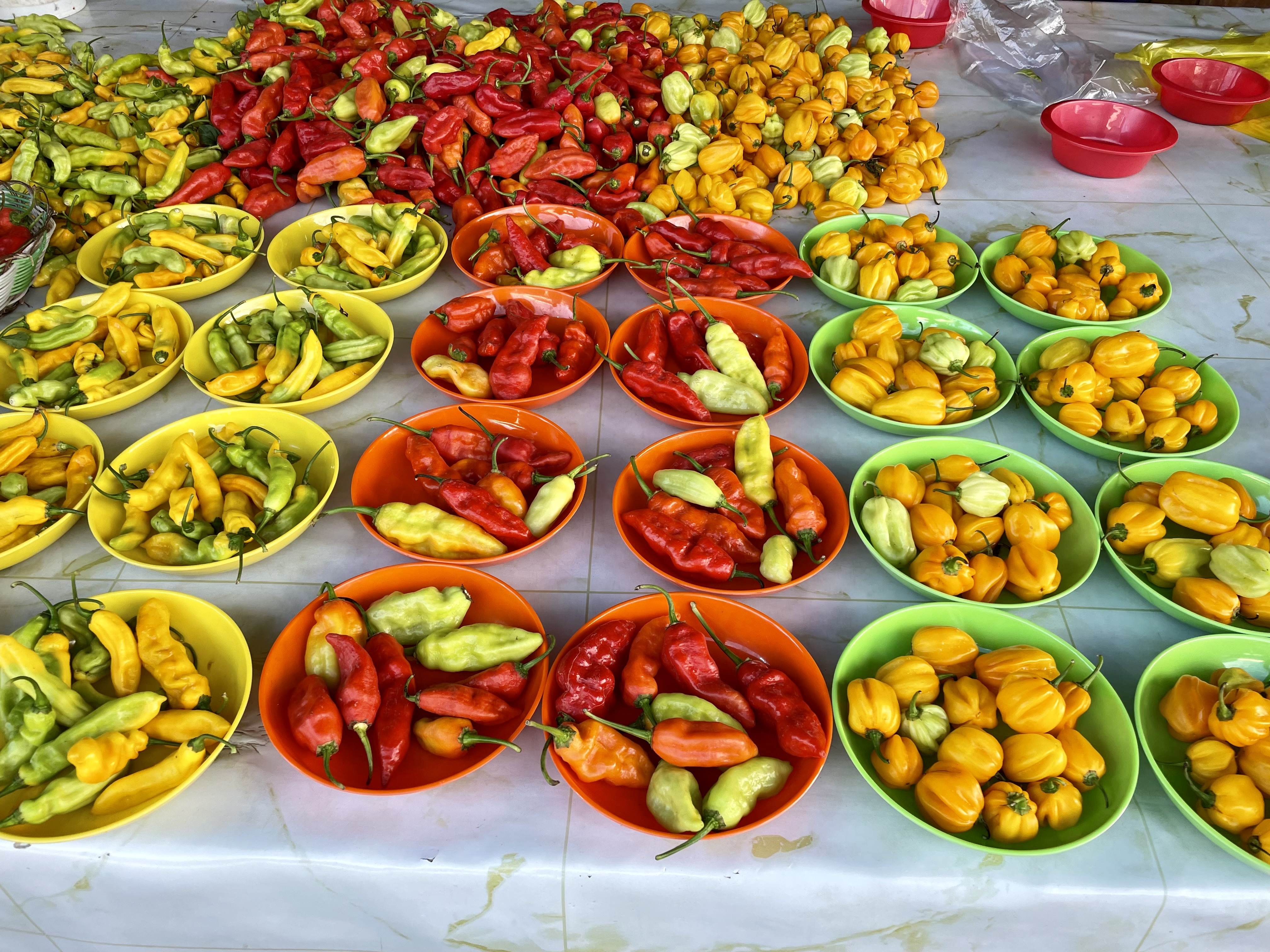
The perimeter had newspaper and electronic salespeople along with prepared food stalls. I stopped in an Indonesian stall and got another bowl of saoto soup. This one had pulled chicken and would make Bourdain proud.
Outside of the market are more stalls which included more veggies and fruit but also plenty of dried fish including saltfish. Interestingly, I saw very few meat stalls.
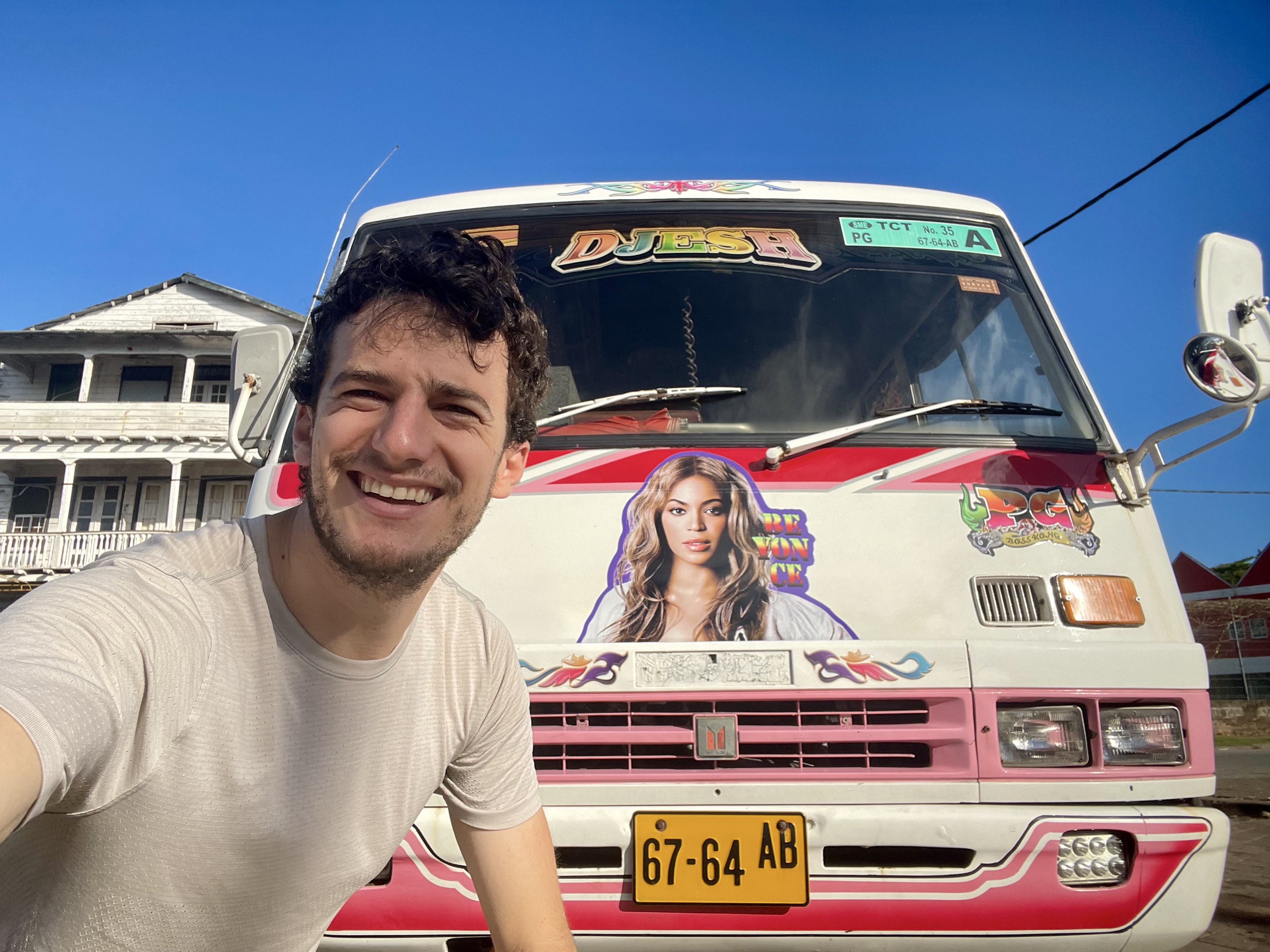
The weather was a boiling 37C, so I bought a bottle of water for my stroll down the riverfront. Along the way I passed many colorful buses covered in “motivational” English language slogans such as “If you can´t fight the man, join him”. On the front and sides of the buses are photos of famous Bollywood actors and Western musicians such as Beyonce, Akon, Nicki Minaj, and Jennifer Lopez.
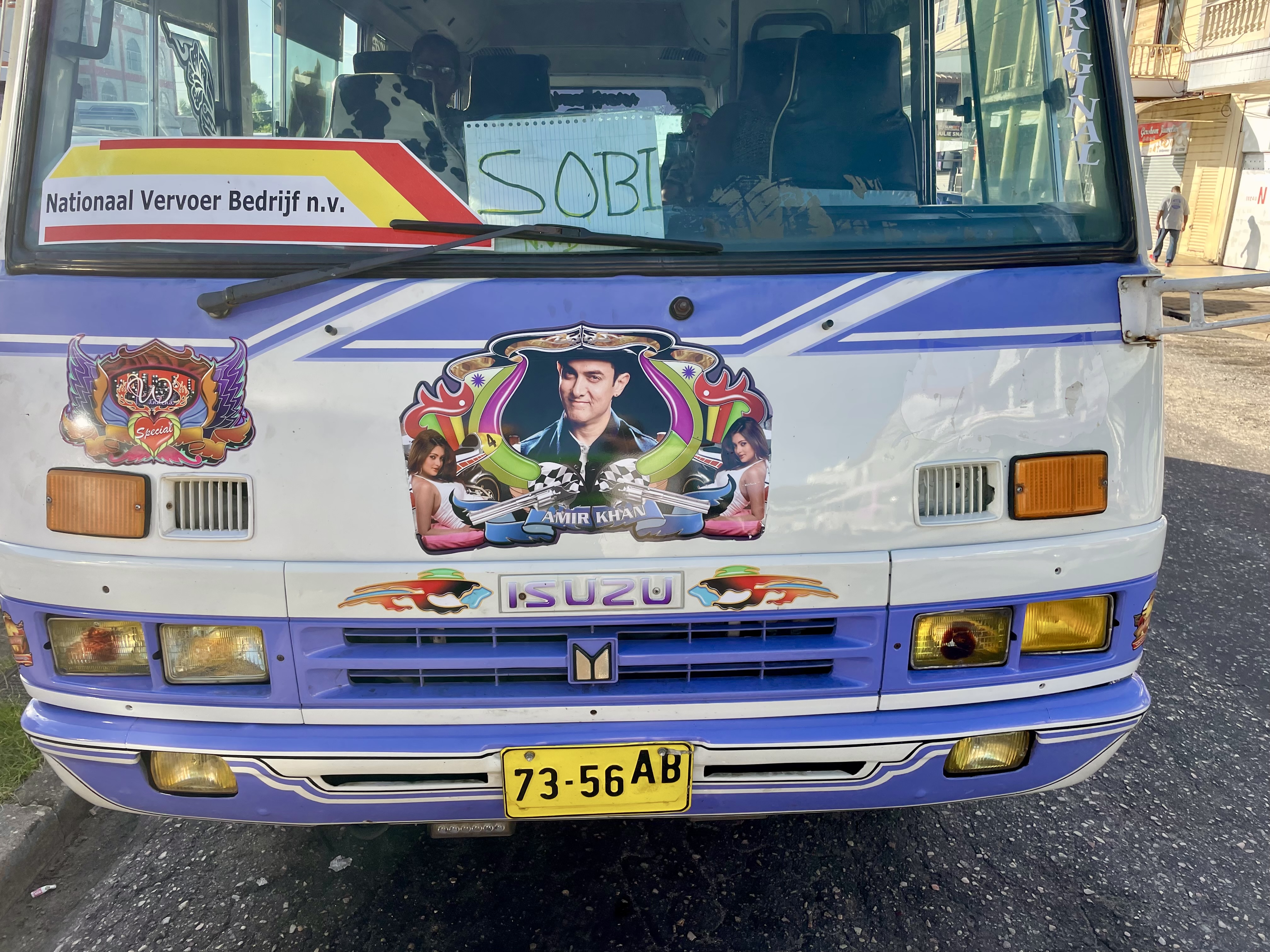
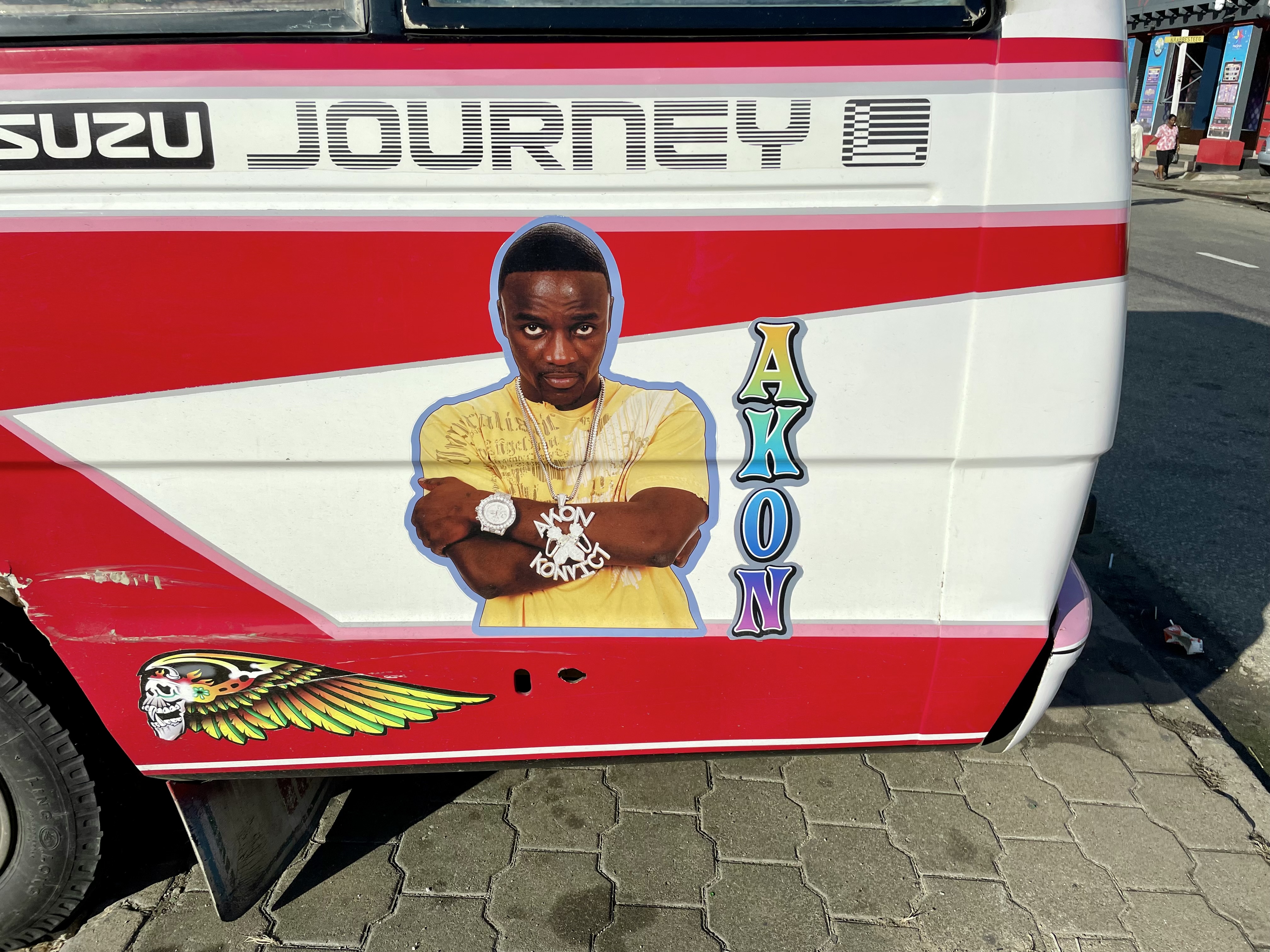
I could not stop laughing at these buses.
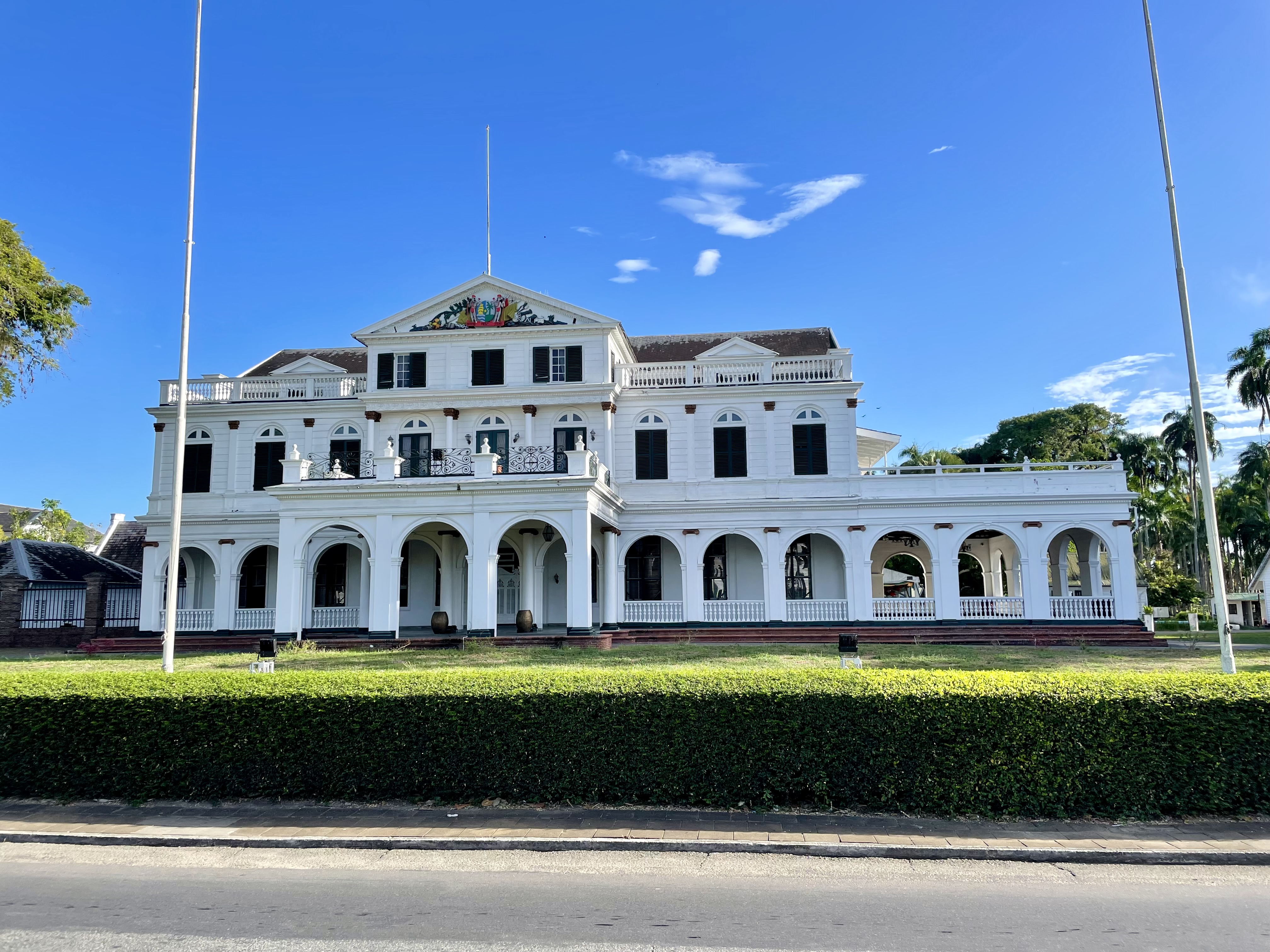
After swinging by the ugly parliament and the historic presidential mansion…
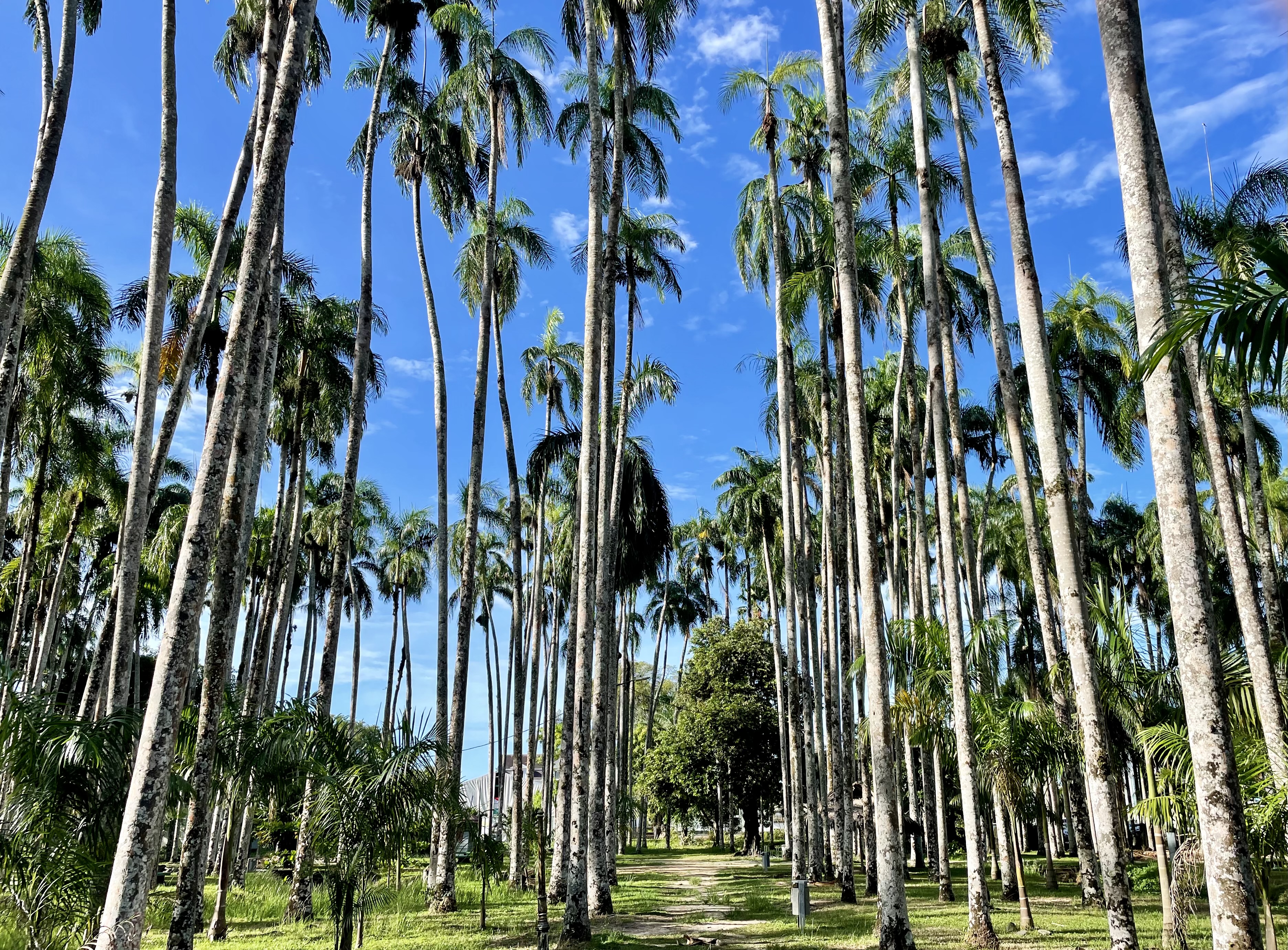
I reached the free Pelmetuin (palm tree garden).
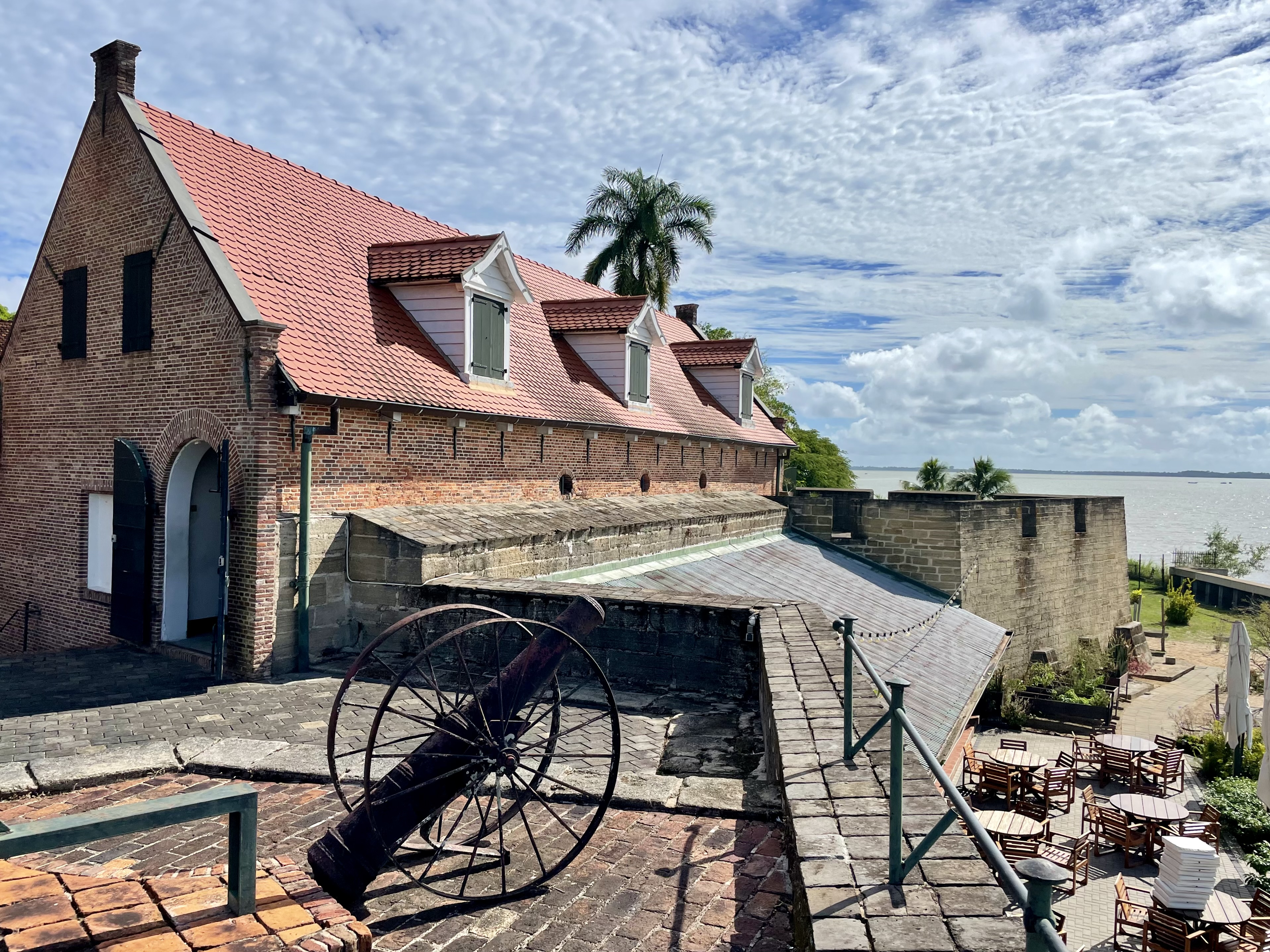
It was now 10:00 so I headed to the only museum in town, Fort Zealandia. Built in 1640 by the French, Fort Zealandia is the oldest and most important fort in Suriname. The fort stopped being useful as a military fort in the 1700´s but managed to not be destroyed. In the 1980´s military government, the fort housed political prisoners who were then killed in the infamous 1982 December Murders.
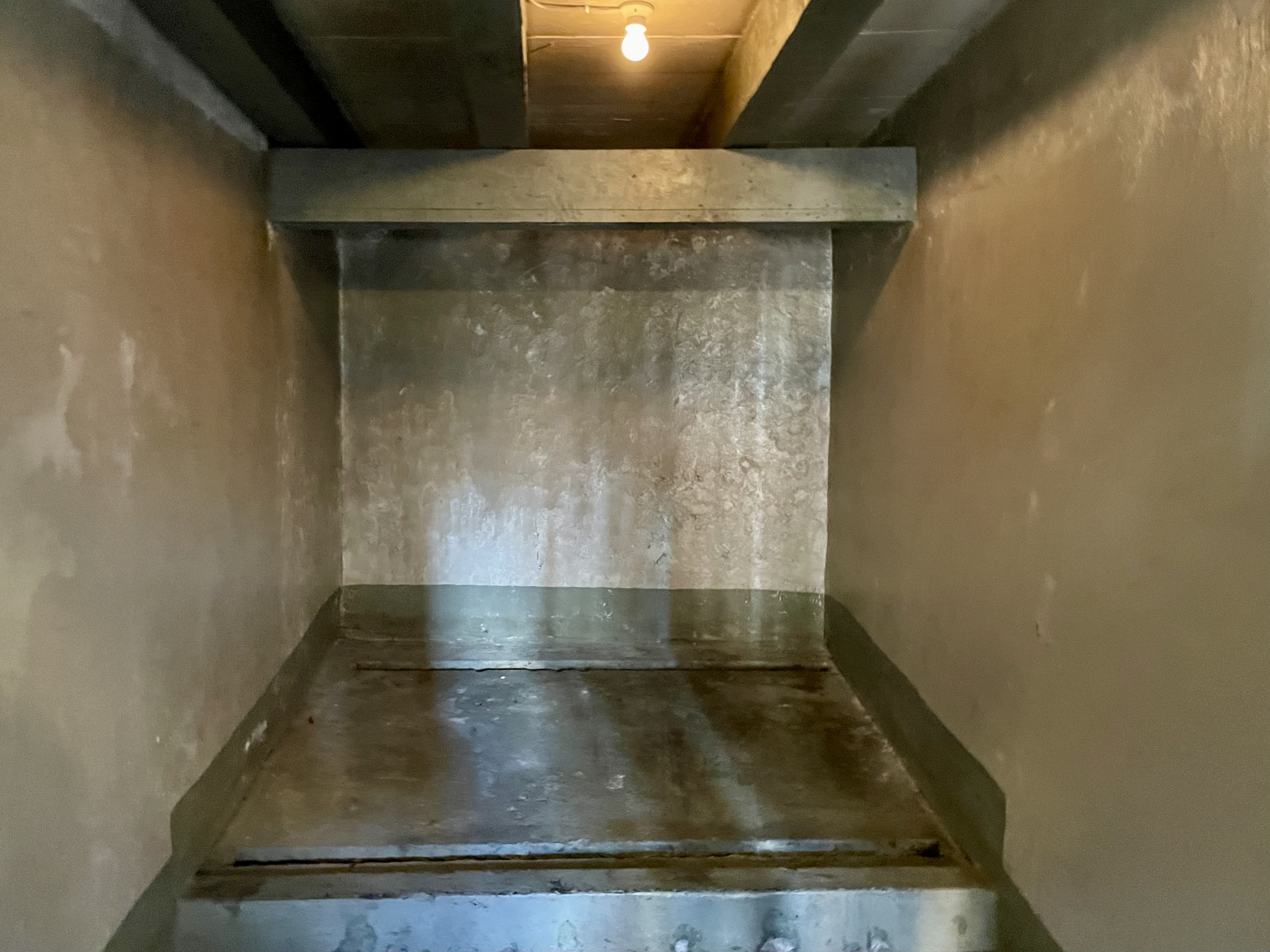
Today, the fort functions as a national museum covering history and culture of Suriname. Most of the exhibits were in Dutch, but I was able to understand some of the text.
My final sightseeing stop for the day was actually two sights: the 18th century Neveh Shalom Synagogue sits directly next to the largest mosque in the Caribbean, the Surinaamse Islamitiche Vereniging (SIV) Mosque. Suriname has always been a place of religious tolerance. Jews came to Suriname with the English in the 1639. In 1652, Sephardic Jews set up the Jodensavanne (Jewish Savannah), a Jewish plantation community containing South America´s oldest Jewish cemetery that became a UNESCO World Heritage Site just a month earlier. While most Jews left Suriname for the Netherlands just prior to independence, approximately 200 remain.
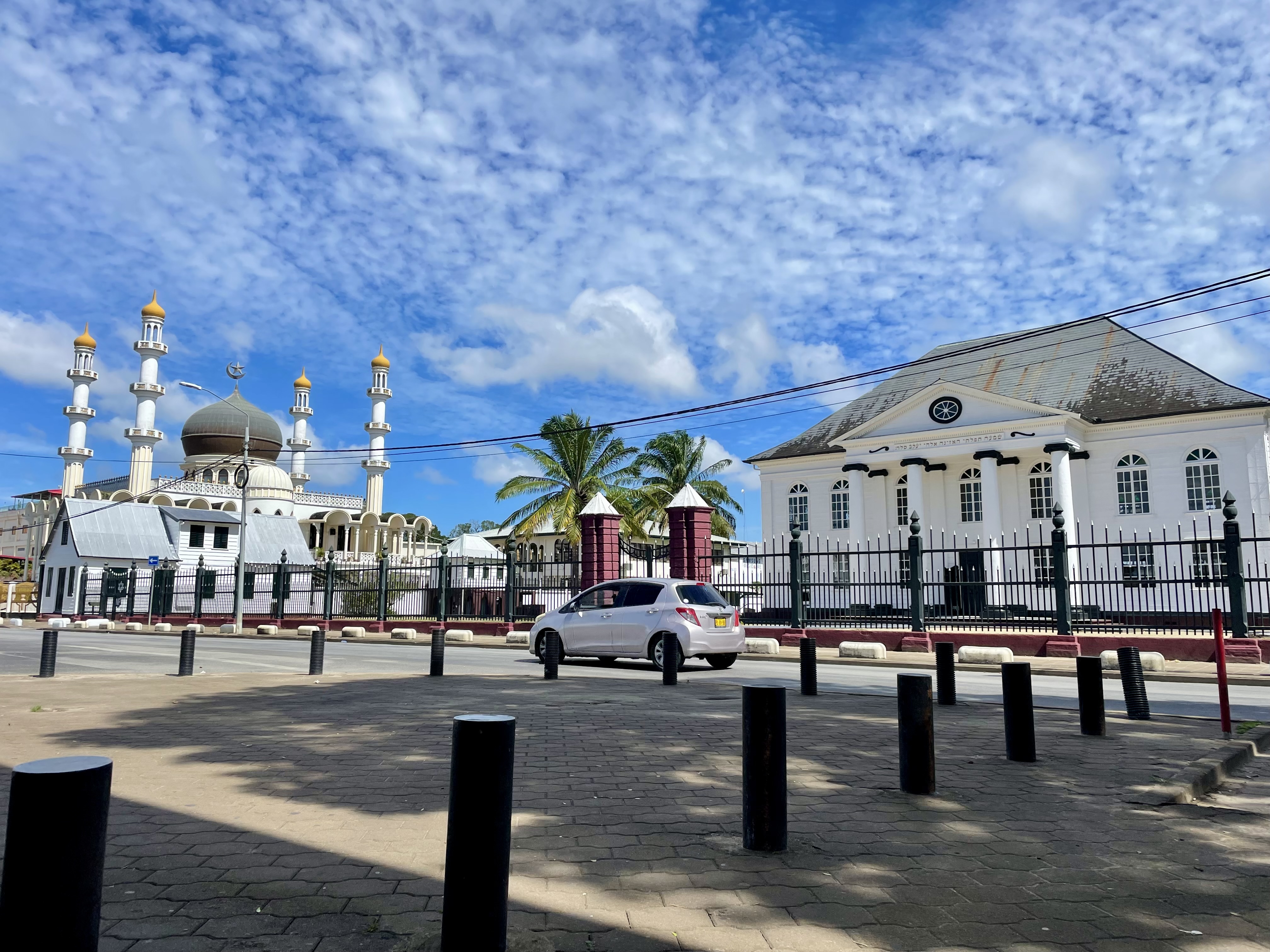
Islam came to Suriname with the Javanese migrants in the 1860´s. Today, Muslims make up 14% of the population, making Suriname the country with the largest Muslim population in the Americas by far. Rounding out the religious makeup of Suriname are Hinduism (22%), Catholicism (22%), Protestantism (25%), Winti (2%) and Kejawen, a Javanese folk religion (1%).
This is just one of two places on earth where a synagogue and mosque sit side by side. The other spot, the Tomb of the Patriarchs, in Hebron in the West Bank is among the most heated places I have ever encountered.
After a month hearing about the tragic events in Israel/Gaza and the global war of opinion on social media I was honestly down on the possibility of coexistence between Muslims and Jews. Perhaps a Caribbean overlord was the missing ingredient.
At 13:00, I got picked up for the airport through a taxi arranged by the hostel. The car had an all-pink interior and the lady played exclusively Vengaboys and Westlove. 90 minutes later, we reached the airport and I then flew back to Panama.
Final Thoughts:
I hate to use the word, but Paramaribo is an exotic destination. The diverse population of Indians, Dutch, Africans, Javanese, and mixed-race people coexisting in harmony is incredible. The food is incredible and the historic architecture in the center is interesting. Also, everybody speaks English because most Dutch are also bilingual.
As mentioned earlier, I felt completely safe here.
Realistically, it takes less than a day to see everything in the city center that I suppose you can stretch into a full day if you take it easy and have a guide. That said, Paramaribo is a perfect base for many short trips in the area including dolphin cruises and the Dutch plantations. For this reason, you can spend at least 3 days in Paramaribo without getting bored. Day tours (and realistically most multi-day tours) can be arranged on the fly at the 24Guesthouse or by texting tour companies such as Jenny Tours.
While I got unlucky because of the drought and heat spell, October and November are typically fantastic times to visit.
Leave a Reply