
Why Makati:
Maisie and I decided to visit the Philippines for our honeymoon. As the capital and home to the country’s largest airport, Manila is a necessary stopover for most Philippine itineraries.
Manila is a huge metropolis with multiple districts. Due to traffic, we decided to limit ourselves to Makati, the modern central business district which happens to be located close to the airport. Multiple people told me that “Manila is nice if you stay in Makati and BGC and never leave”. While I did not have the time to prove the haters wrong on this trip, I was intrigued to see the modern Manila because back in 2013, I visited Intramuros the old Spanish city and had a negative experience.
May 11, 2024: Modern Manila
Our flight from Taipei landed at 9:30 in the morning. After clearing immigration, we caught a Grab taxi (the country’s most popular rideshare app) to our hotel. The ride took 20 minutes but was full of action. Not only was there horrible traffic but we also saw a man jump on the trunk of a sedan and ride on it for a block!
We arrived at the hotel around 11, which was too early to officially check in. So, we dropped our bags off and walked around.
Makati is full of skyscrapers. It is a mix of offices, retail and fancy apartments, not that unlike the downtown of an American city, albeit far hotter and more humid. Normally this area would be packed with people, but on a Sunday, it felt like a ghost town.
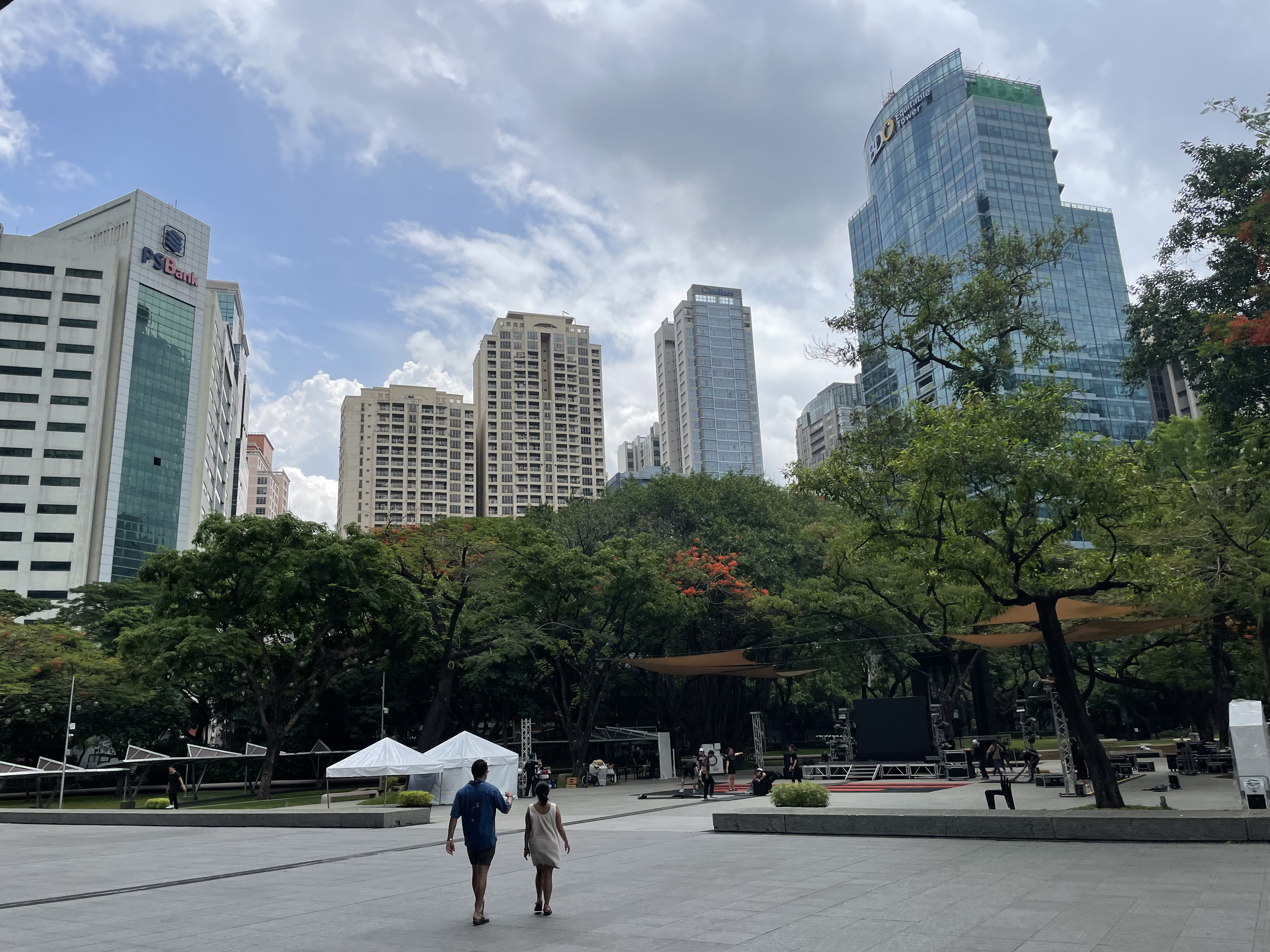
Our first stop was the Greenbelt Mall and in it the Ayala Museum. This is a museum of Philippine history. The top floor contained impressive fabrics worn by tribes around the country. The main floor contained over 50 dioramas telling the story of the history of the Philippines. As an archipelago with thousands of islands and a key geographic location, it is home to numerous distinct ethnic groups and has been influenced by many different people. Chinese and Islamic traders from Malaysia came to the islands in the 13th and 14th centuries. The Spanish began their colonization in 1521 with the arrival of Ferdinand Magellan and controlled the islands all the way until 1898 when the Americans gained control. Japan briefly took the islands during World War II until the Americans took it back. In 1946, the Philippines became an independent country. Independence has not been such an easy ride, with multiple failed governments, a military dictatorship and terrorist groups still at large. The current period of democracy has lasted since 1986.
For lunch, Maisie and I walked over to a weekend food market. It contained a mix of prepared foods and produce. We were amazed by the incredible variety of foods: Mexican, Arabic, Filipino, Thai, Chinese! Maisie noted that Manila appears to be a far more global city than Shanghai which we visited about a month ago.
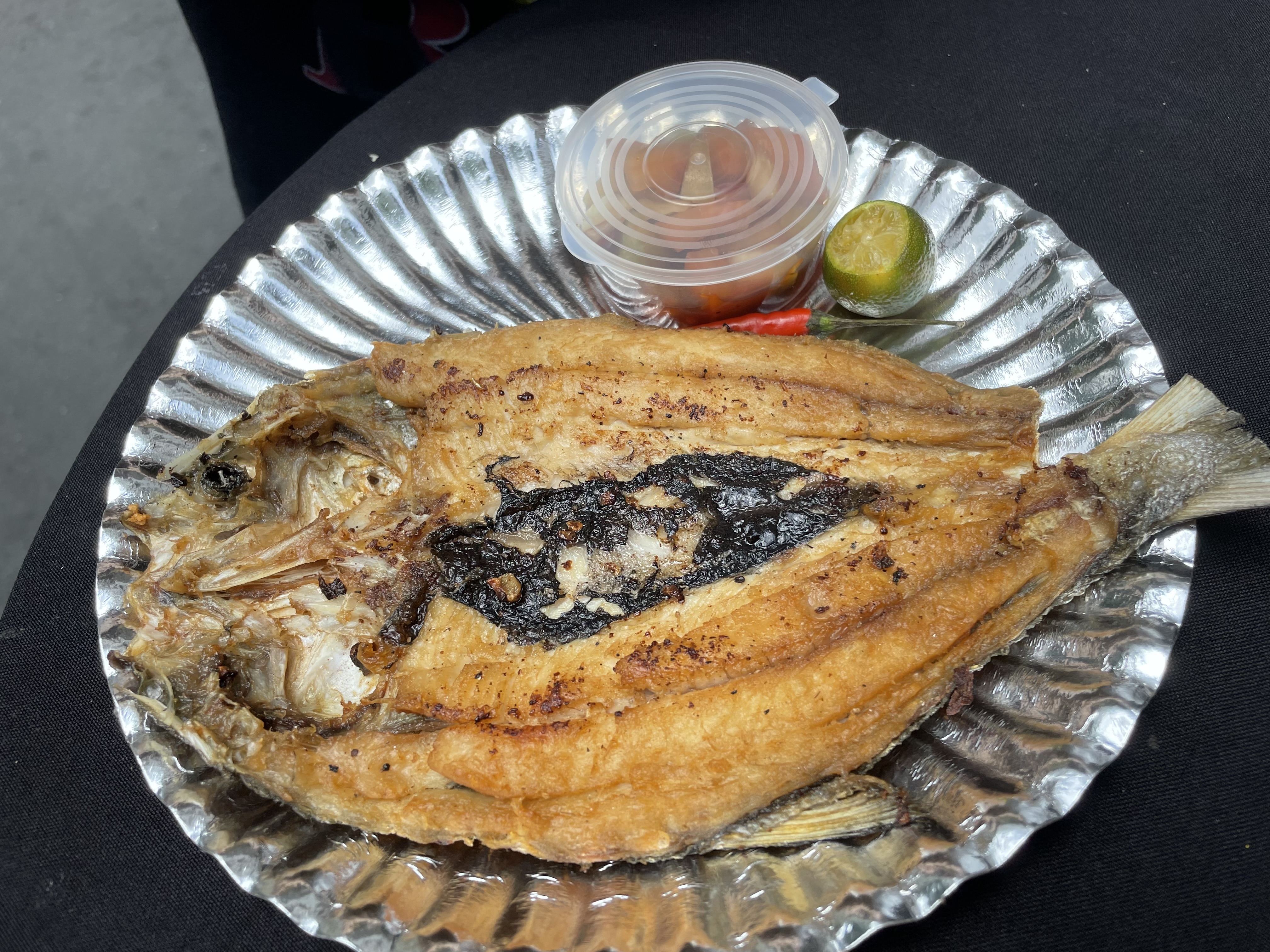
For dessert, we walked to the Milky Way Café to try their famous halo-halo. Halo-halo (Tagalog for “mixed”) contains shaved ice, preserved fruit, ube ice cream and a variety of toppings. Like everything in the Filipino cuisine, it is very sweet.

We finally were able to check into our hotel. Due to the extreme heat, we decided to rest a bit.
A couple hours later, we caught a Grab to BGC, another business district 15 minutes away. BGC is the newest business district and contains shinier skyscrapers and fancier apartments.
Just outside of BGC is the American cemetery. Established in 1948, the Manila American Cemetery honors American personnel who died during World War II. This includes Filipinos as the Philippines was a US territory at that time. Among the 17,000 burials here are 29 Medal of Honor recipients.
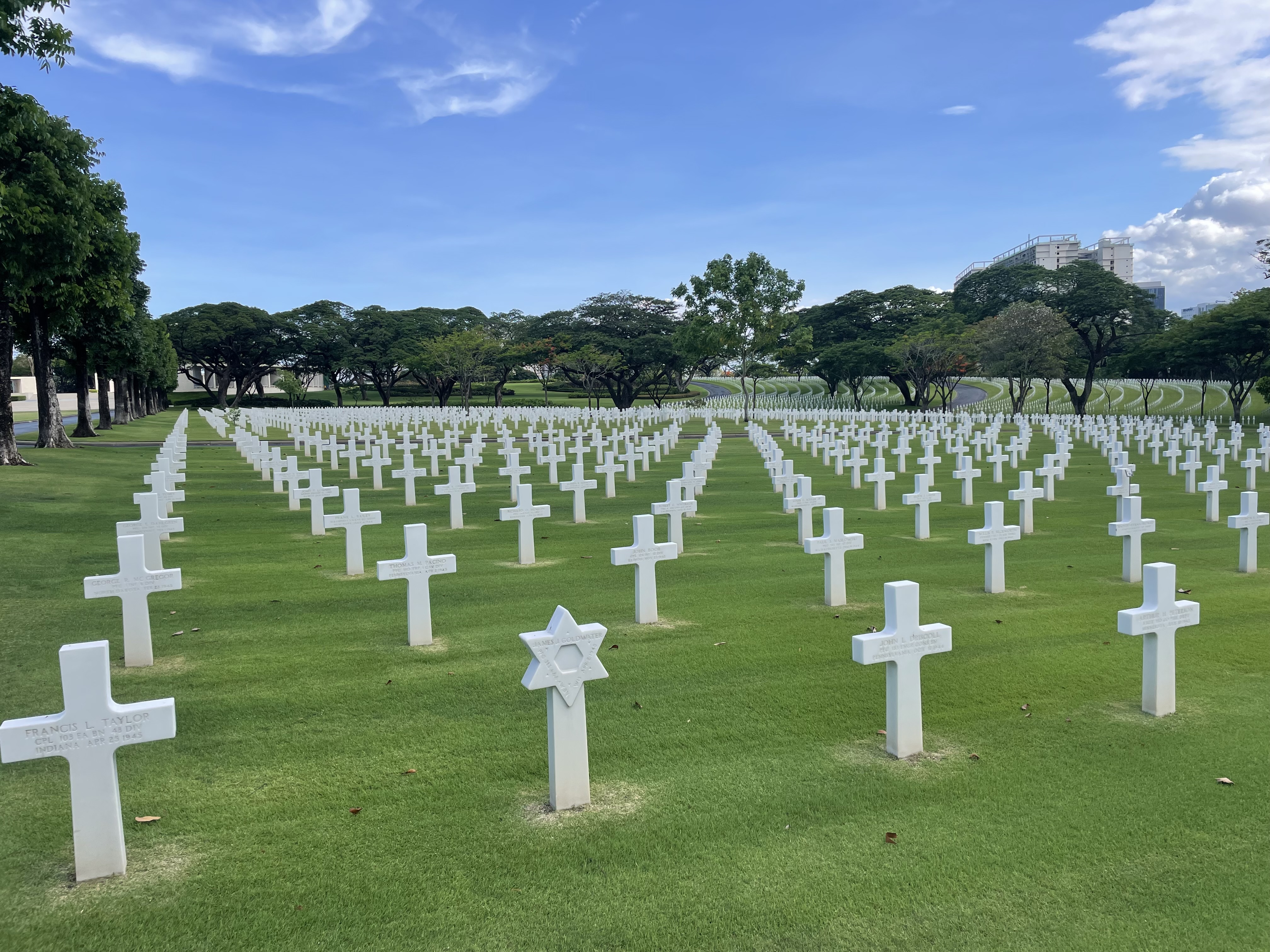
The center of the cemetery is a circular memorial containing extremely detailed murals explaining the many campaigns in the Pacific Theater of World War II. Surrounding this are the 17,000 identical white cruciform gravestones (plus a few Stars of David). The cemetery was very powerful, albeit odd to see something so American so far away from home.

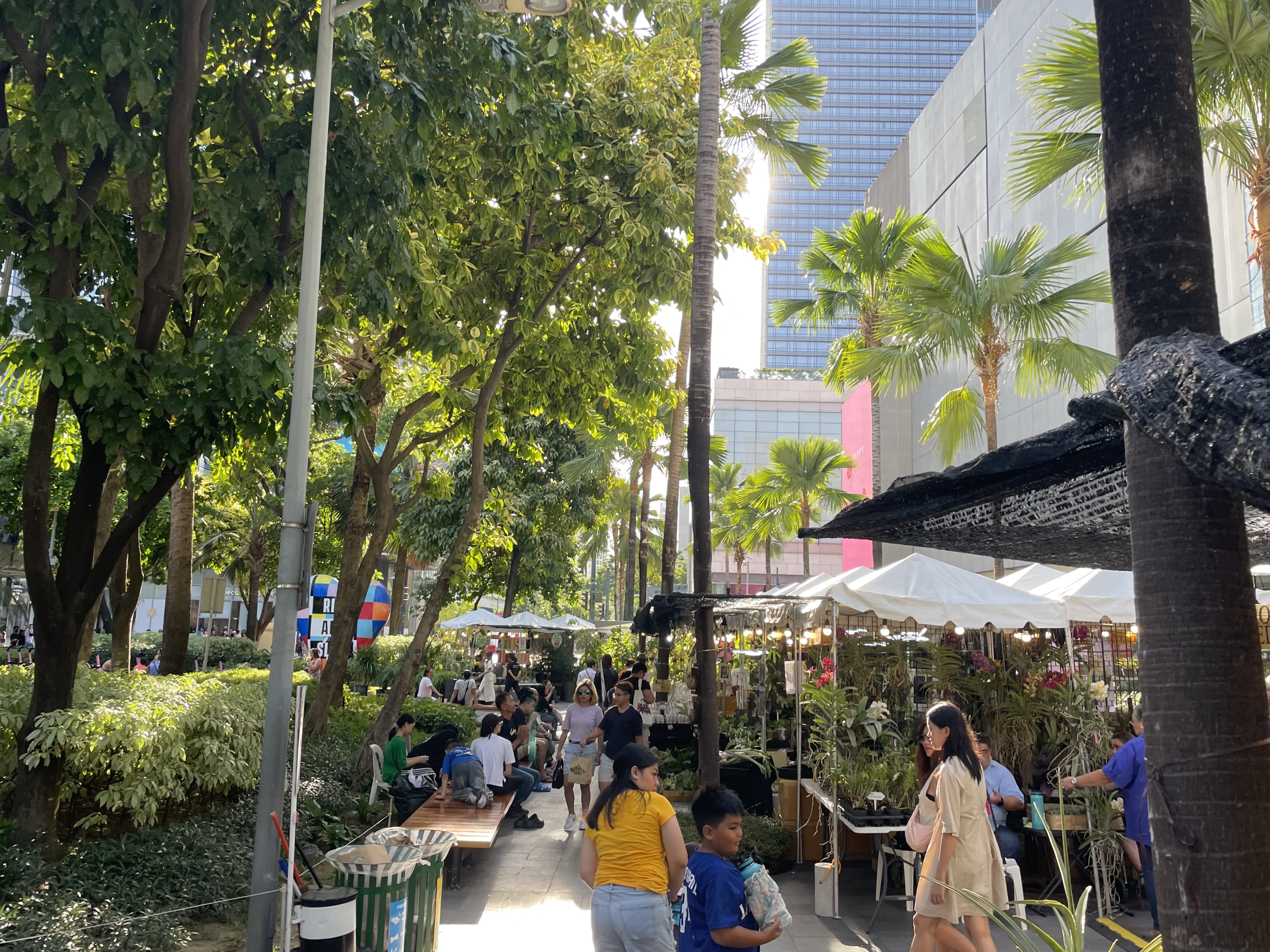
From the cemetery, we walked into BGC. Unlike Makati, BGC was full of life. We noticed many western chains including Shake Shack, Seattle’s Best Coffee (which doesn’t exist in the US anymore) and all the stores. We also saw many Westerners amongst the Filipinos. I imagine that BGC is the center of the expat community and, life here seems pretty good!
We caught a Grab back to the hotel and rested up again. At 19:00, we were picked up by my business school friend Lloyd. Lloyd is Filipino and works for his family’s business selling auto parts for off-roading vehicles. Lloyd took us to a fancy mall in the Poblacion district for dinner where we feasted on Filipino food.

We then got drinks at a bar in the mall before heading back to the hotel to rest up for our very early flight to Roxas City.
Final Thoughts:
Manila, while not a tourist destination, actually does have a lot to offer. However, the city has horrible infrastructure, and the sights are spread out. The infrastructure is so bad that it scares tourists not only from visiting the city but the Philippines as a whole. I would highly encourage the government to fix this either by improving the experience in Manila with better infrastructure or by upgrading the tourism airports to handle international flights.
Makati and especially BGC are as nice as any business districts in Asia. They have nice restaurants, good hotels and enough attractions to keep a tourist occupied for a day. Although it is not the most culturally interesting part of Manila, I would recommend visiting this area if you have a short stay for transit because it minimizes your time stuck in traffic and will leave you with a good impression of the city.
Leave a Reply