
Why Cebu City:
Maisie and I planned to fly home to the US from Cebu City. I am a big believer of ending trips in big cities because there is less chance of logistical challenges getting back to the airport and you can appreciate the culture you have just experienced on the bigger scale. Even though it is not a tourist hotspot, we figured it would be worth exploring the city for a day.
May 24, 2024: The Big Fix
After taking the bus in from Moalboal with a quick stop in Carcar, Maisie and I arrived back at the South Bus Station. Interestingly, this driver did not ask for payment for the ride (he probably assumed we paid for the entire journey back in Moalboal).
During the ride, my phone screen had completely turned white due to water damage from the canyoneering. The buttons worked (if you knew where they were) but it was impossible to see anything on the screen. I decided to find help at an unofficial repairman in a mall next door to the bus station. He quickly diagnosed it as a screen issue and suggested replacing it for $80 USD. I agreed. After paying him the money, he dispatched a kid to buy the screen. 15 minutes the kid returned, and the man got to work.
The mall was not air conditioned, so it was extremely hot. Hilariously, the man got cooled off by a female coworker who placed and rubbed a wet towel along his back while he worked. After an hour, the phone screen was replaced!
We then took a Grab to the hotel and rested up.
I noticed that Decathlon, the French sporting goods store where I have bought my shoes for the past four years, recently opened in Cebu City. Decathlon sadly does not yet exist in the US, so I have to find the shoes when traveling. The walk to the store took 30 minutes through a “fancy” business district that looked a lot like the downtown of a newer mid-sized American city like Oklahoma City or Dallas.
The store was in a large mall (Asians love their malls). Per tradition, I left the old pair of shoes at the store and then walked back in the new pair.
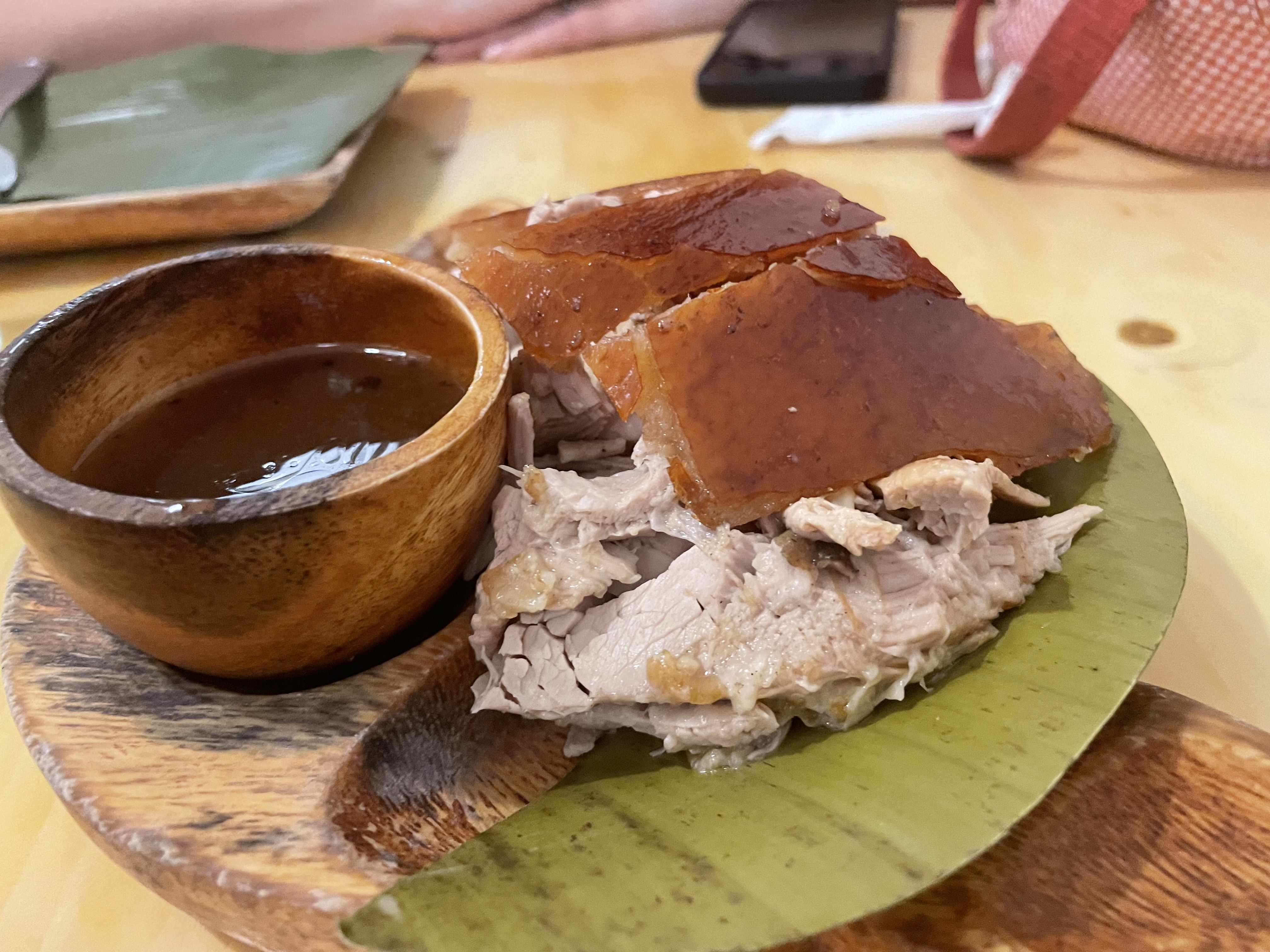
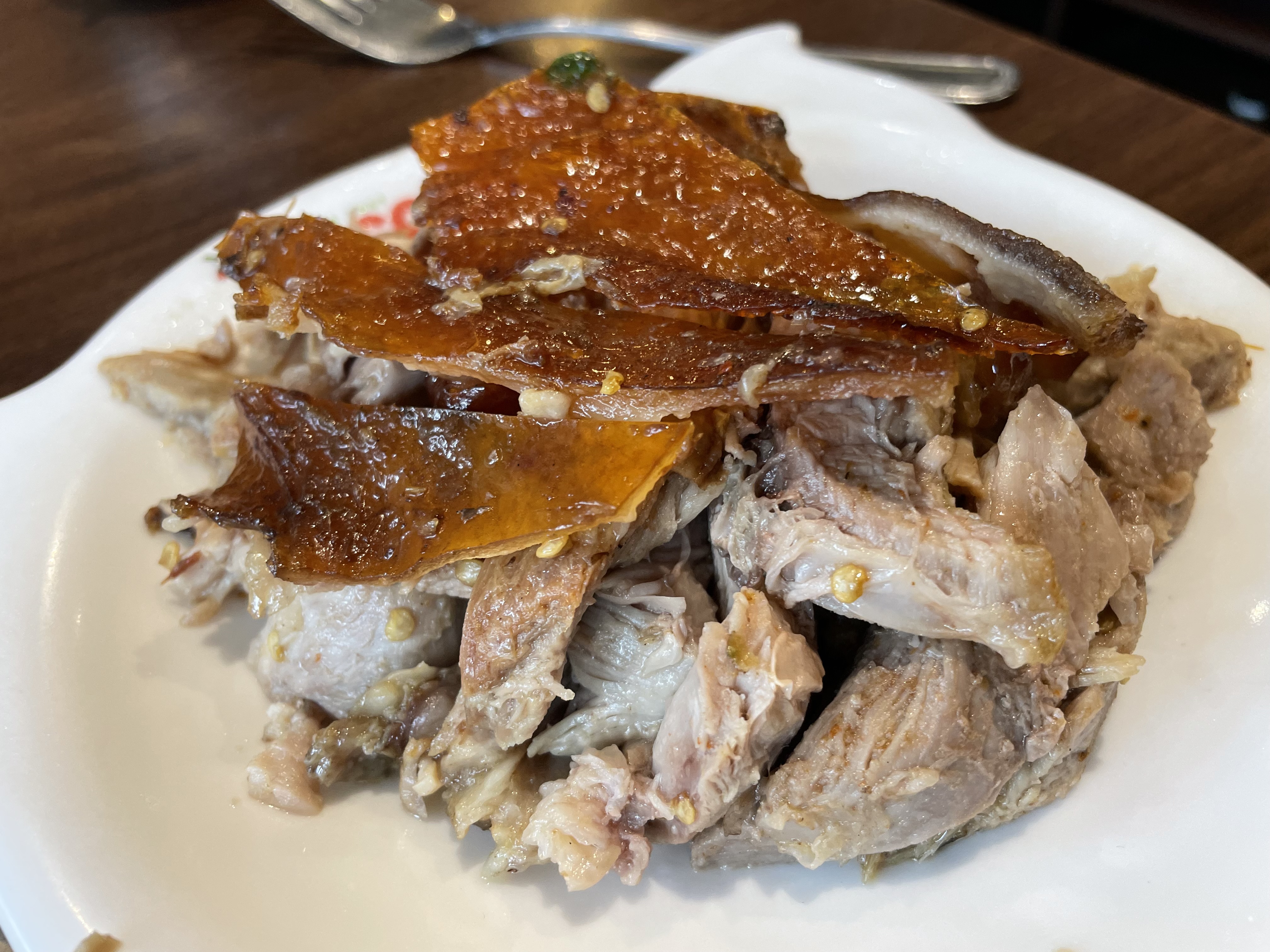
For dinner, Maisie and I decided to get more lechon, since this is the city’s star food. Based on the recommendation of our Grab driver, we went to House of Lechon. The place was packed.
We ordered the “Carcar-style” lechon. It was fun to compare the Carcar-style to the real Carcar lechon we had earlier in the day. The real thing was juicier and cheaper, but the air conditioning and service was much better in House of Lechon. While the real deal Carcar lechon was better, it is not that much better. I would not recommend tourists visit Carcar unless they happen to be passing through en-route between Cebu City and Moalboal.
May 25, 2024: Cebu City
Today was our final full day on the honeymoon and our full day to explore Cebu City. Most all of Cebu’s sights are in the compact old city.
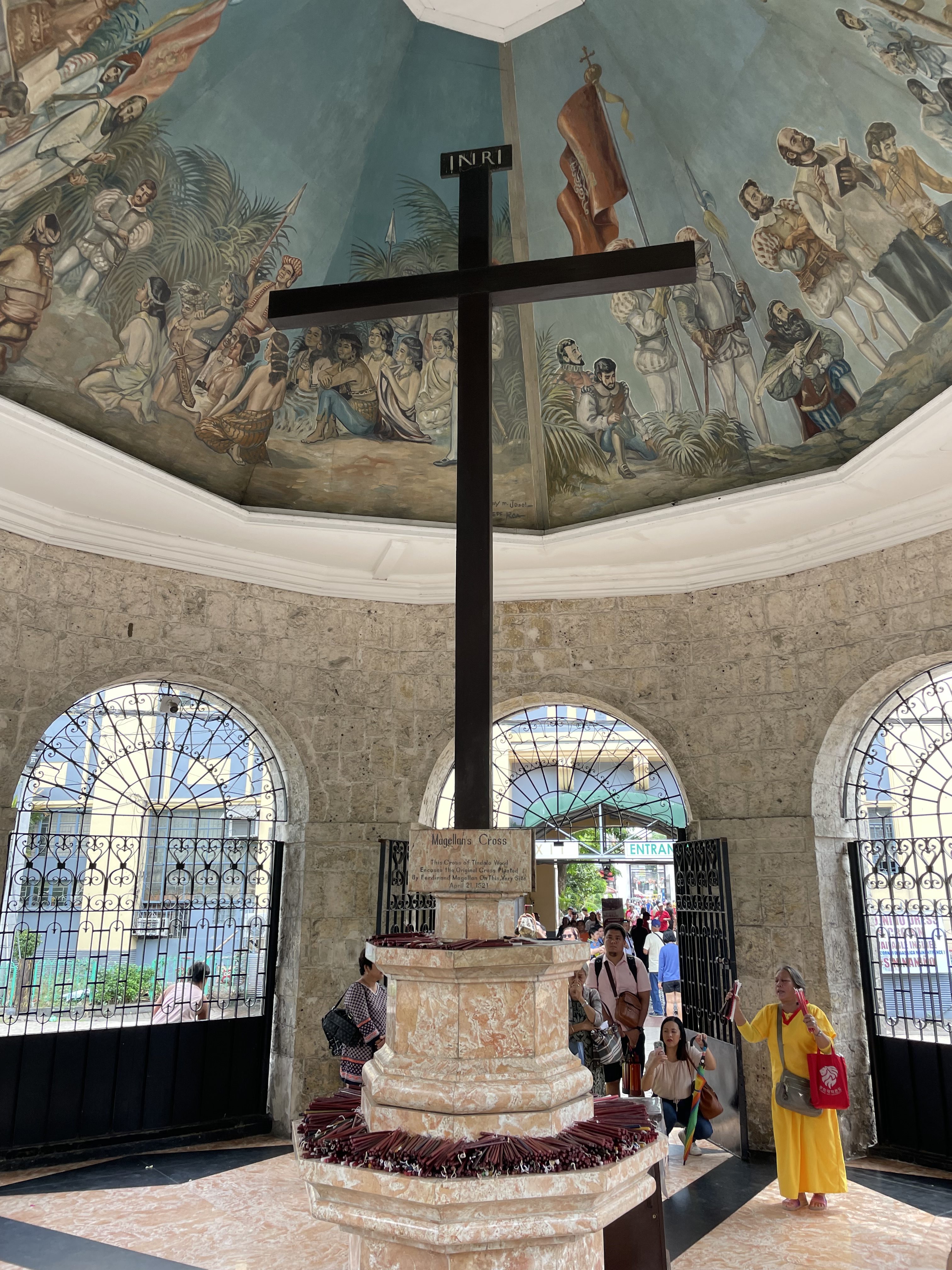
The land now known as Cebu City was first visited by the Spanish explorer Ferdinand Magellan in 1521 where he converted 800 natives to Christianity. In the same ceremony, he raised a wooden cross in the public square of the native village market. That cross is still there and is a pilgrimage destination for Catholics all around the country.
He also gifted the natives a Dutch-made figurine of Jesus.
Three weeks later, Magellan attempted to make peace and eventually convert the islanders on nearby Mactan Island. The interaction did not go well, and a battle ensured. Magellan was killed at the hands of their chief Lapu-Lapu. The spot of the battle, near the Cebu City airport is a popular tourist destination and has a large bronze statue of Lapu-Lapu.
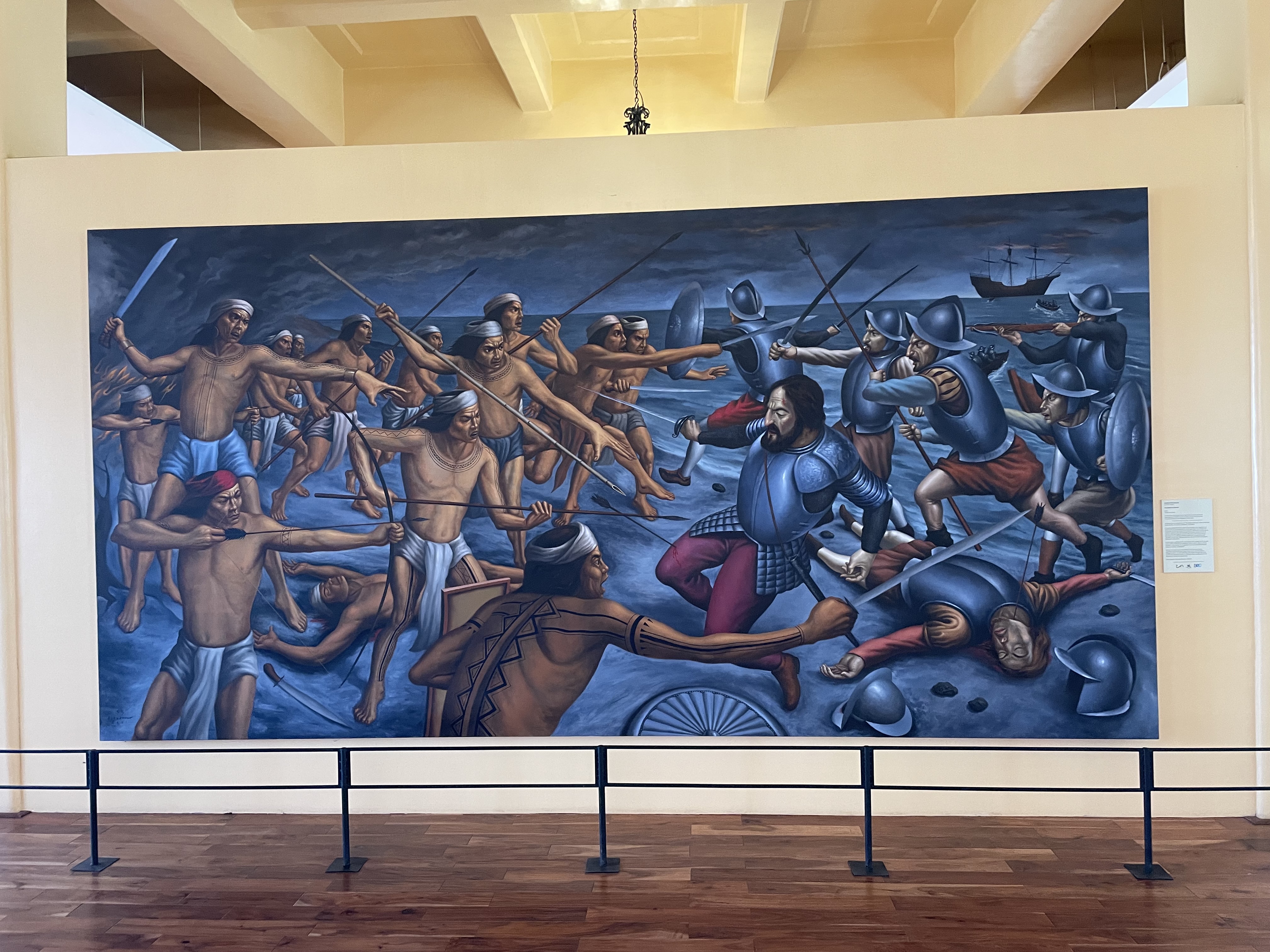
I can only imagine how the Natives felt to have these random white people appear, convert you to their religion, unsuccessfully engage in warfare with your rival and then disappear for 40 years. I wonder if younger people born after 1521 believed the White people were real or just an urban legend.
The Spanish next returned to the Philippines and Cebu 44 years later in 1565. This time, they were led by Miguel Lopez de Legaspi whose goal was to establish a permanent settlement. This time, the natives had a new leader who was hostile.
After the Spanish victory, Legaspi found Magellan’s doll and formally established Cebu as the first Spanish city in the Philippines. Even though it was the first Spanish city, it quickly ceded its status as capital to Manila just six years later.
Most of the main tourist attractions in Cebu date from the Spanish period.
Near Magellan’s Cross is a large basilica housing Magellan’s figurine aka the Icon of Santo Niño. The church is considered the oldest and most important in the country. I find it incrfedibly ironic that the Phlillipines celebrates Lapu-Lapu as a national hero and symbol of indigenous resistance yet is so Catholic. Moreover they worship items from the guy who fought Lapu-Lapu and eventually led to the colonization of the country for 350 years.
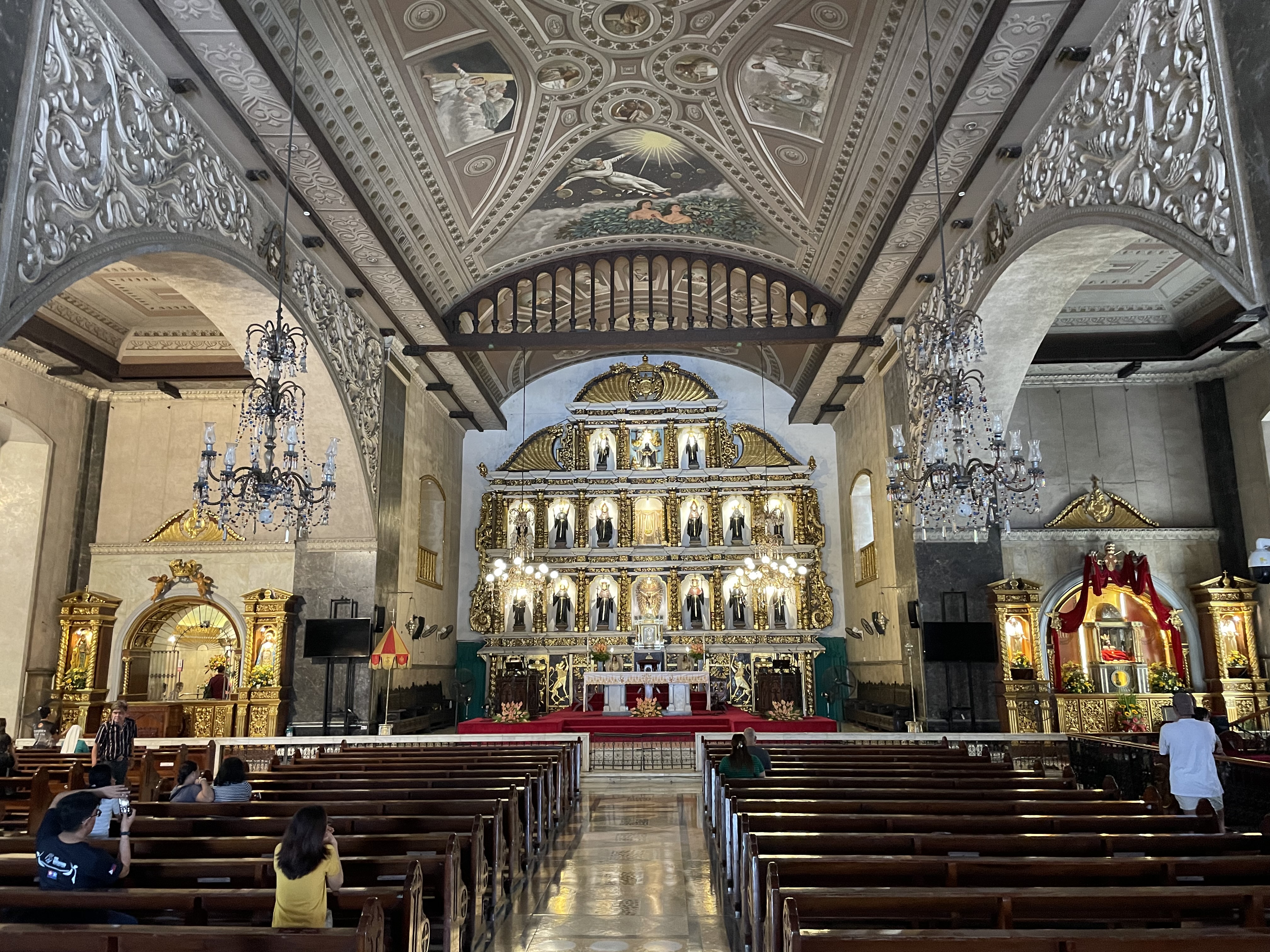
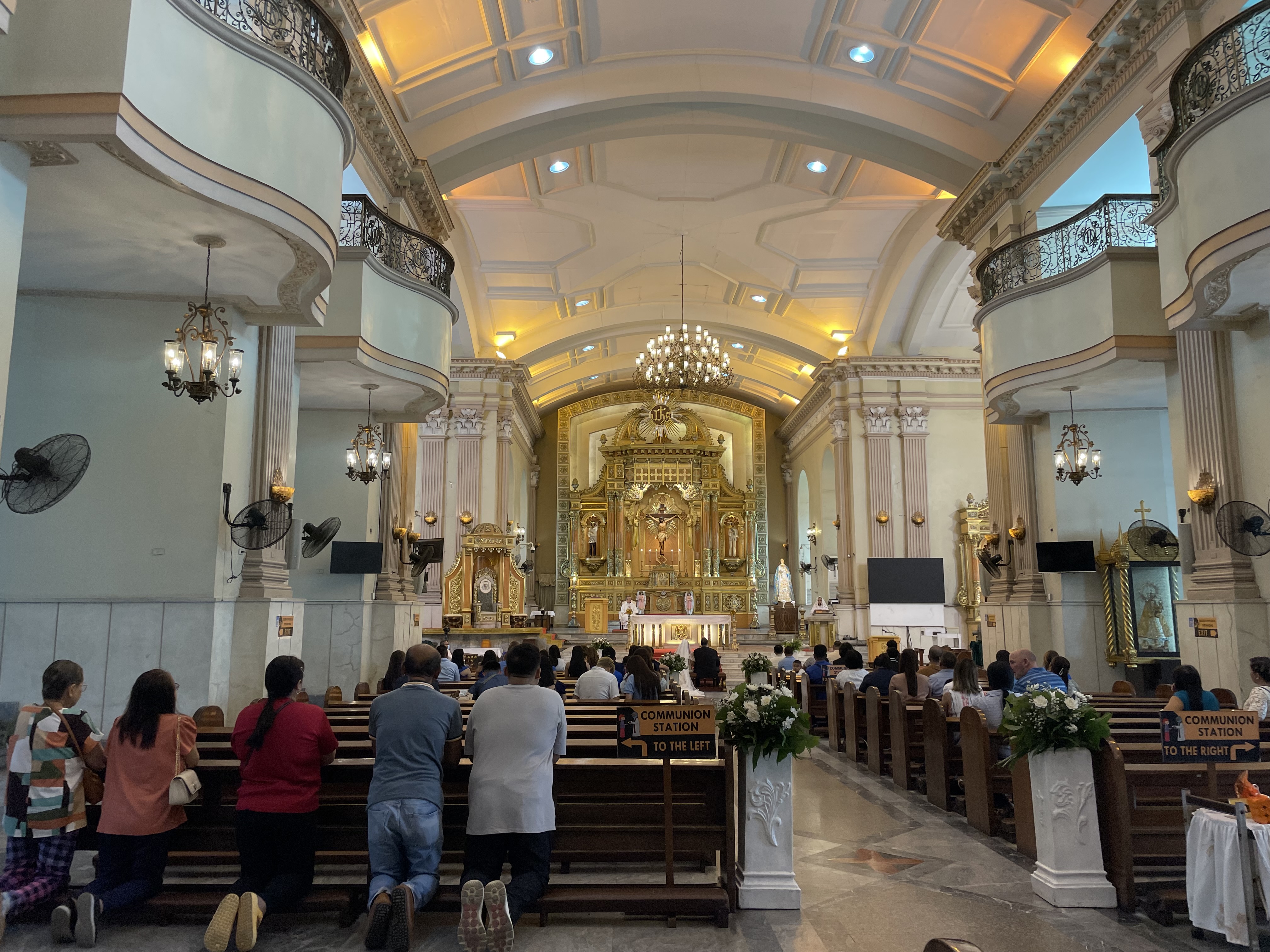
Near the basilica is the beautiful Spanish-built Cathedral. This would be an impressive church in most cities, but because it is so close to the basilica, it is an afterthought.
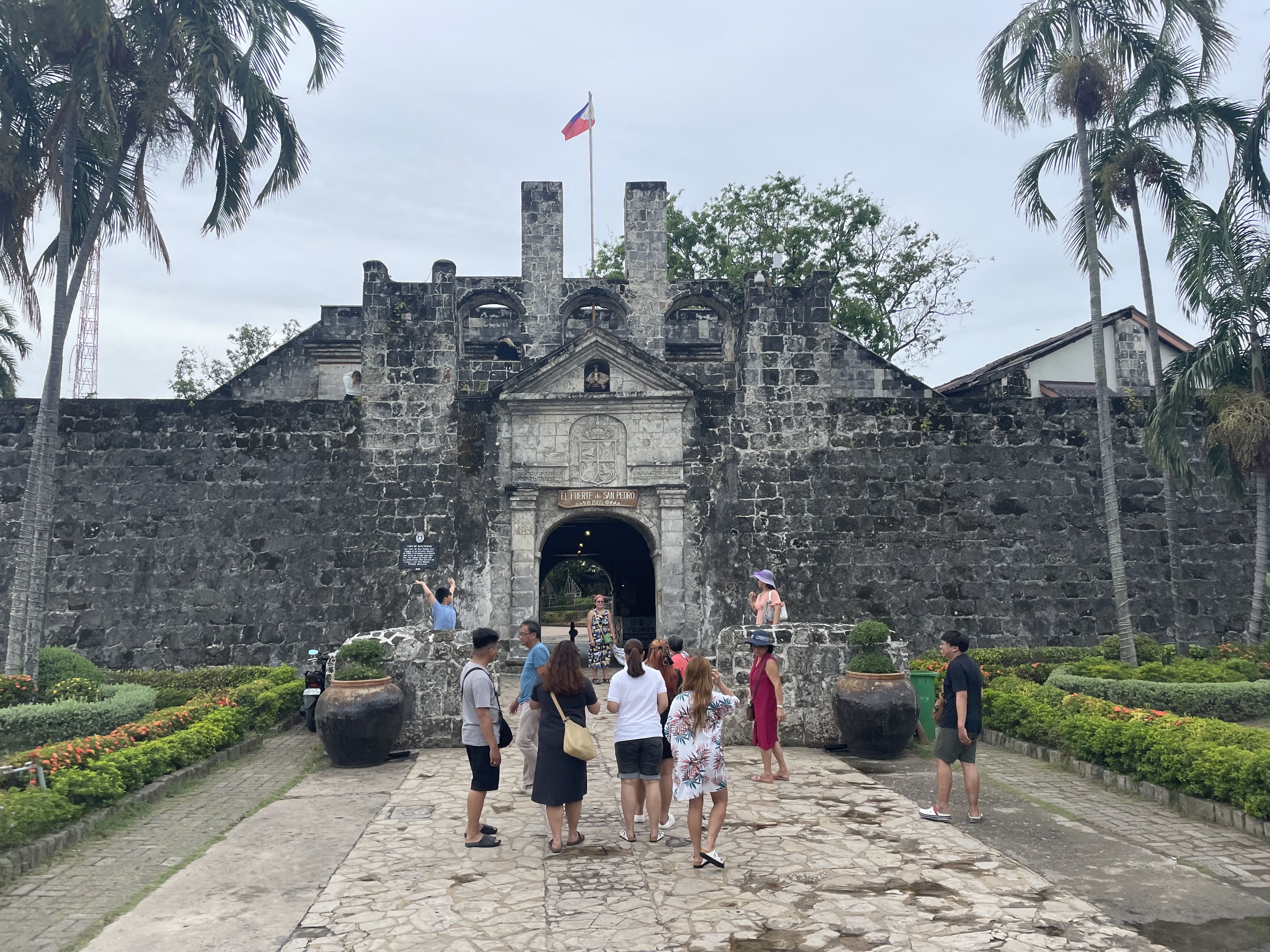
The Spanish-built fort can also be explored.
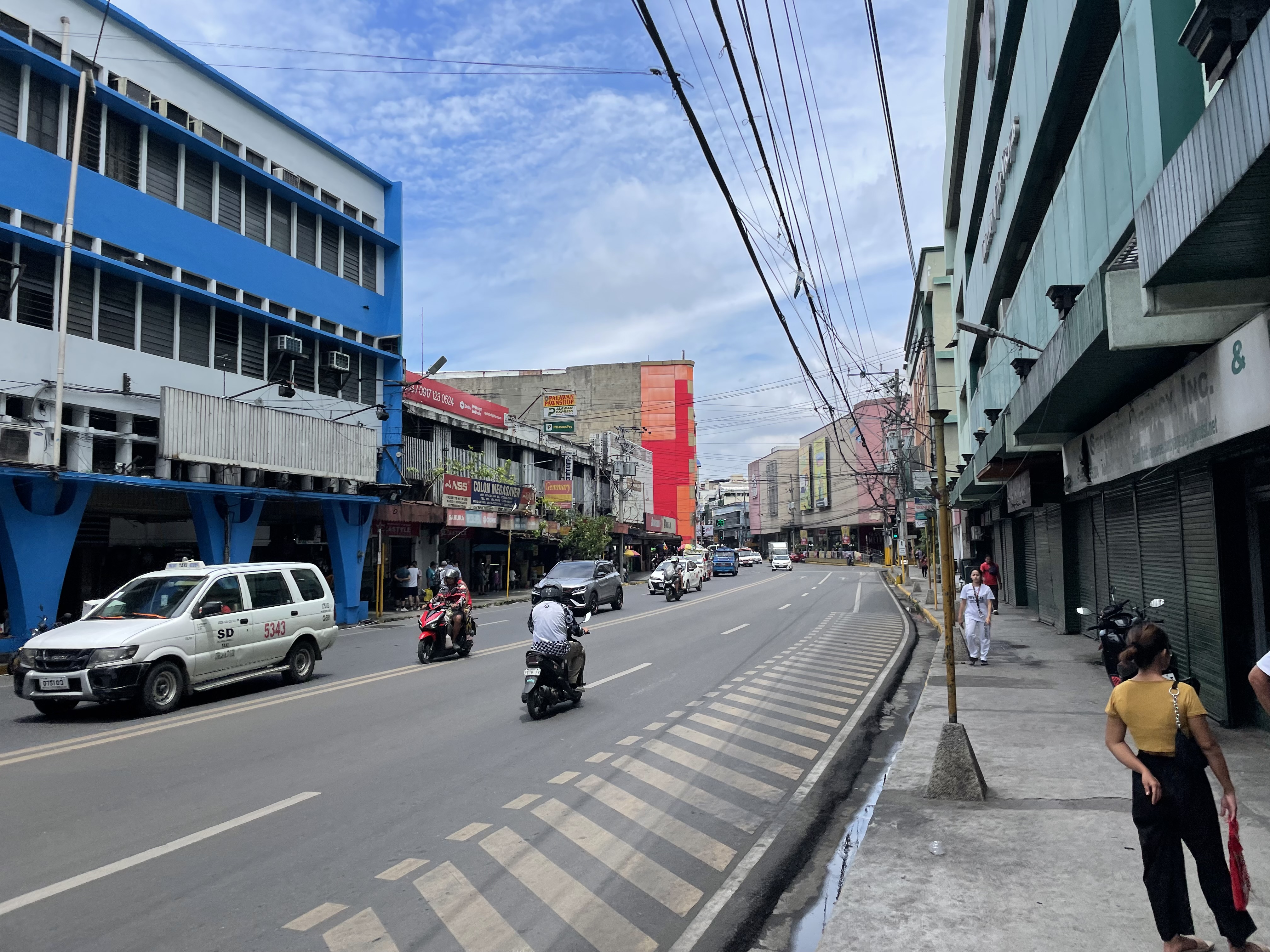
The oldest street in the Philippines is Colon Street (Colon is the Spanish name for Columbus). However, it has no historic buildings and is a modern rundown shopping street.
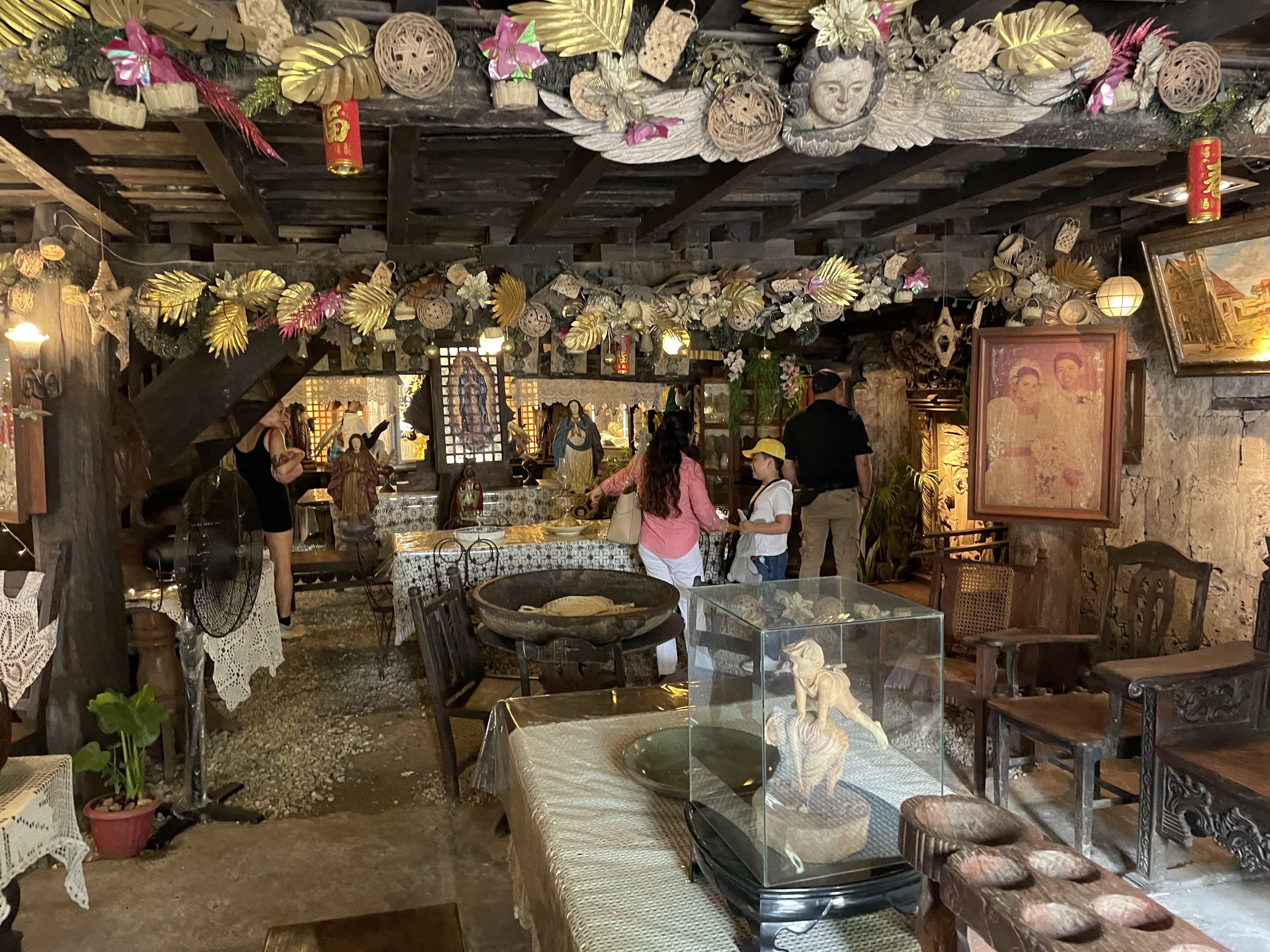
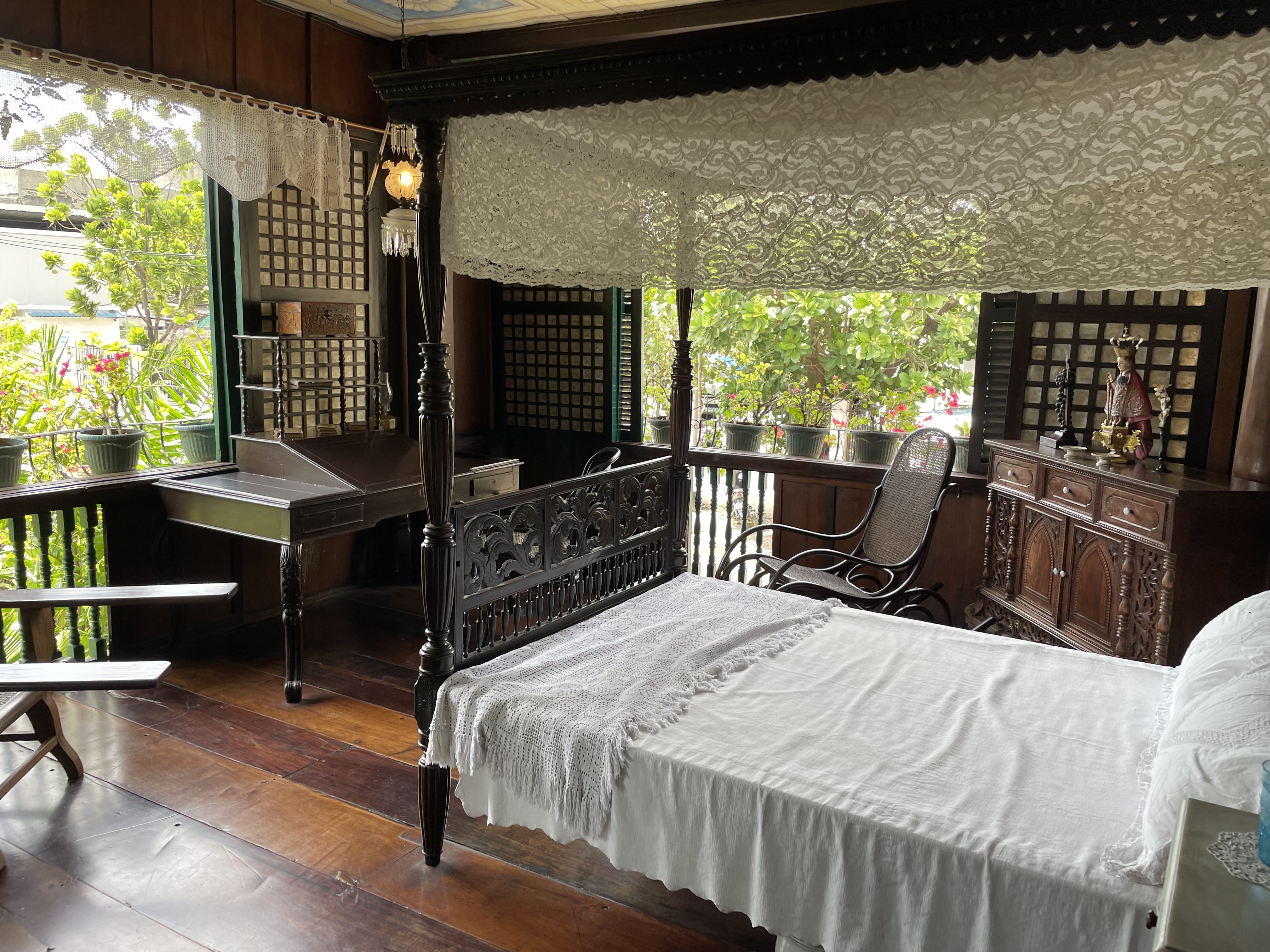
The Yap-Sandiego house is supposedly the oldest in the Philippines (from 1680). Inhabited by a joint Spanish Chinese family, there are some very eclectic decorations inside.
Another impressive house belonging to Gorordo family and has an excellent audio tour.
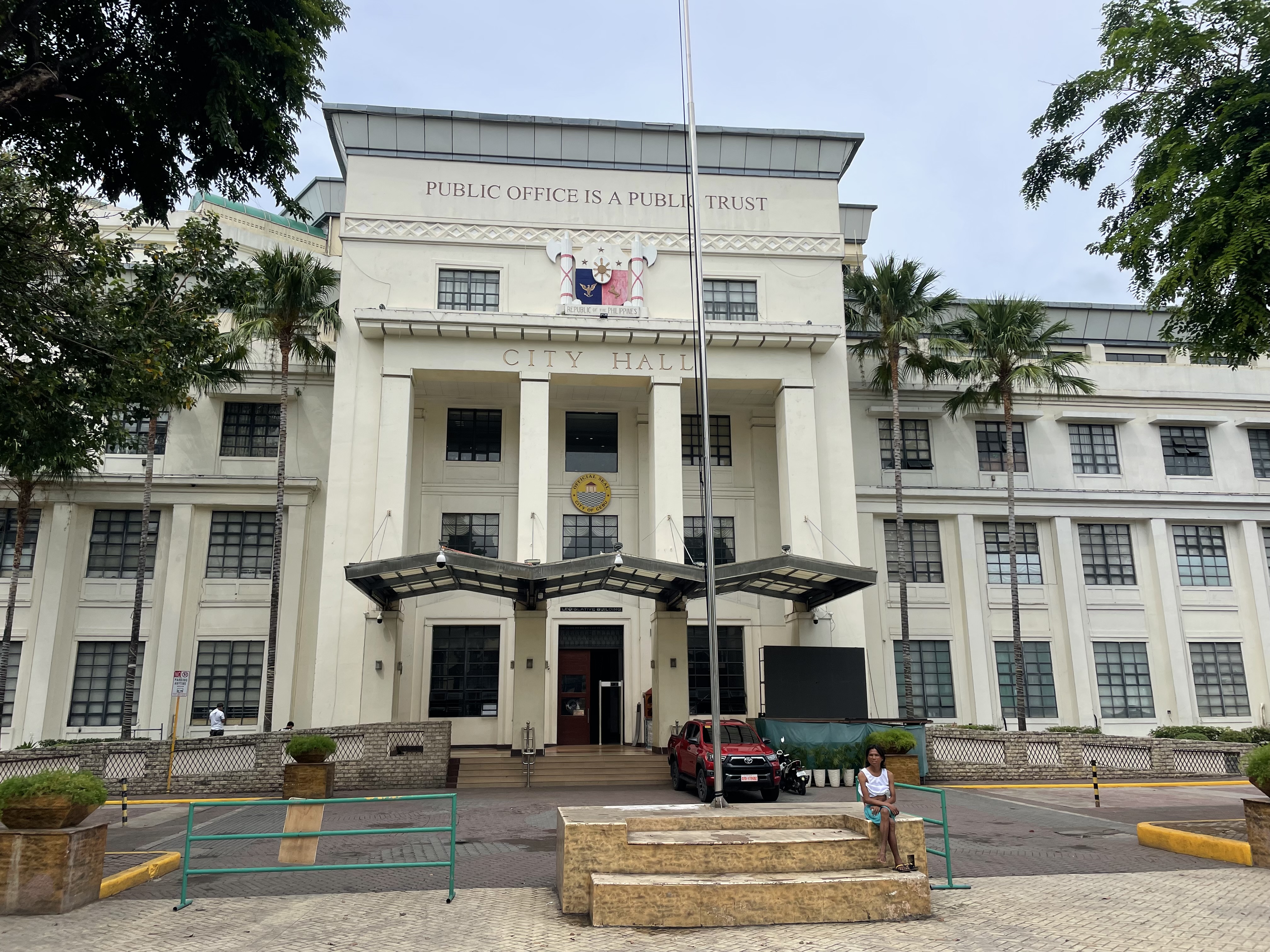
After 350 years of Spanish rule, Cebu came under American rule in 1898 after the Spanish-American War. The Americans built several buildings in town and formally integrated the nearby villages into a unified Cebu City. The city hall was built by the Americans.
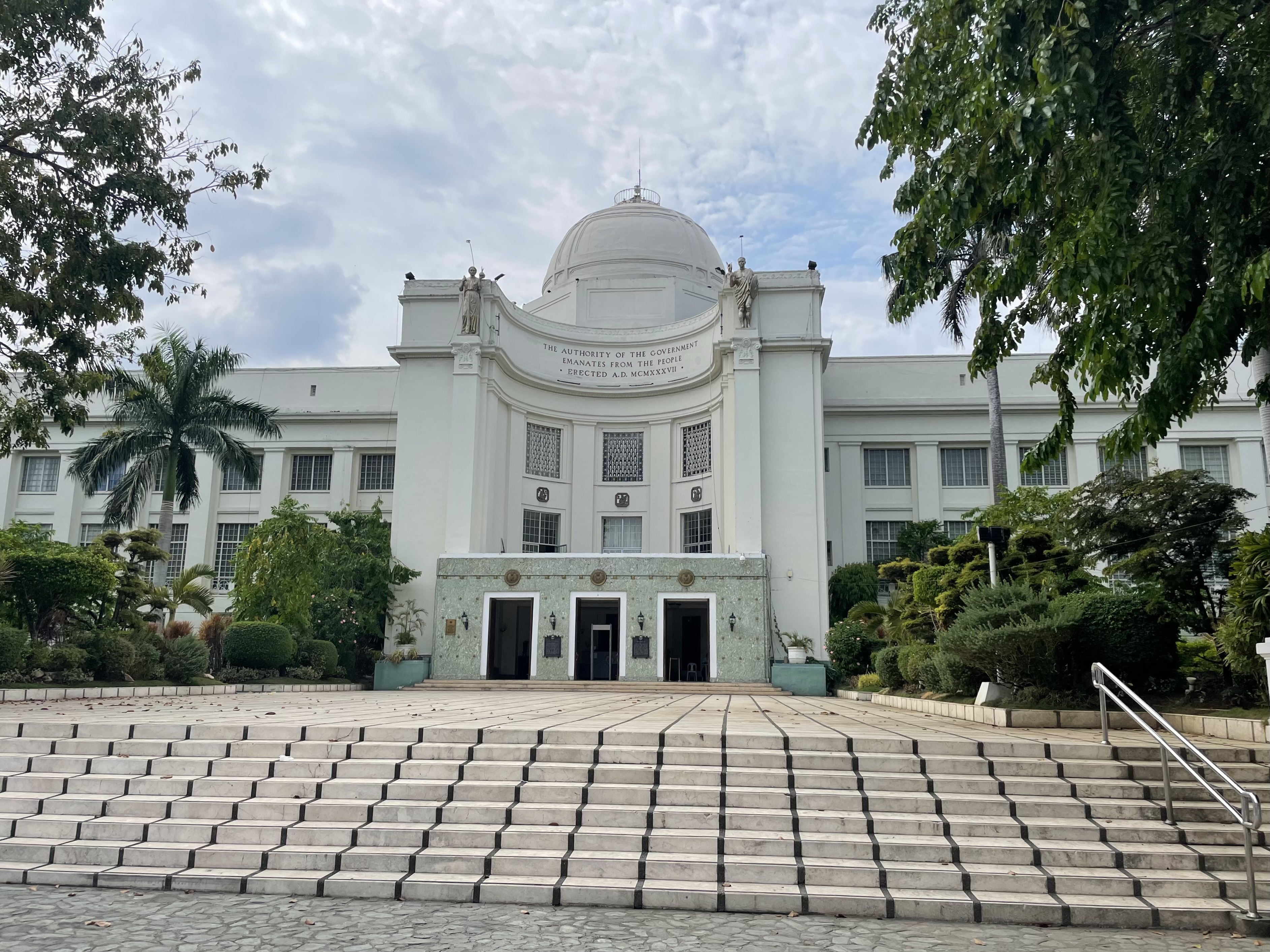
The Americans also built the Cebu provincial capitol, which has a similar layout to the US capitol in DC. In front is the marker from which all distances on Cebu roads are measured.
An old American-built customs house is now a free museum run by the national government on the human and natural history of Cebu.
Cebu City was mostly destroyed during World War II which is why the downtown is so ugly and not historic.
Since the war, the city was rebuilt and has grown as a rapid pace. Cebu is now the second largest city in the Philippines and primary port.
After a morning of exploring, we got lechon again (this time at the famous Rico’s) before resting in the hotel.
Cebu City has some attractions in the hills above the city including the Temple of Leah and a Taoist temple. However, we were short on cash to hire the cab driver and didn’t want to find an ATM. Instead, we wandered the nearby megamall and the now-empty bar district nearby.
For dinner, we wanted a blowout meal and found a restaurant called The Pig and The Palm which is owned by Michelin-starred UK celebrity chef Jason Atherton. He opened the restaurant in Cebu because his wife is from here. The restaurant, which serves European food, appears to be the only fine dining restaurant in town, making it the big fish in the small pond.
Maisie and I walked in with no reservation and had no trouble finding a seat. We ordered a cocktail where we toasted the end of a spectacular honeymoon and the start of a long and happy marriage.
We also had four courses to share. The food was as good as some Michelin starred restaurants.
Our bill including taxes and service charge was $29 USD/person. The same meal in the US would cost at least 4x more.
We then walked back to the hotel and went to bed.
The next morning, we took a Grab to the airport and flew home.
Final Thoughts:
Cebu is not a major tourist attractions, but it does have attractions. The old town can easily take up a half-day of your time and the activities in the hills can take up another half-day. While it is one of the ugliest cities I probably have ever seen, it is clean.
Cebu is a foodie city. Lechon is the star of the show, but every cuisine can be found. There also appears to be some interesting local Cebu dishes that I did not get to try.
I do not think that Cebu City is worth visiting alone, but it is a perfect very easy add-on if visiting the south of Cebu. Moreover, the Cebu airport is far superior to Manila’s in every way so Cebu City can also serve as a great layover destination. If you want to stay somewhere prettier than the city center, there are beach resorts on Mactan Island east of the airport.
Since this was my final stop in the Philippines, I will share my thoughts on the country as a whole.
The people in the country are the friendliest and most polite I have encountered. Everybody addresses you as ma’am or sir. Moreover, everybody can speak English and signs are all in English making it easy to get around and talk to people. In the same ilk, the businesses such as restaurants were all extremely well run.
With so many islands, there is so much to see. The water was so warm! Each island we visited in the country had a different vibe. The country is also very cheap, even by SE Asian standards.
While I enjoyed the food, it is admittedly a polarizing cuisine. Some people consider it among the worst cuisines in the world.
Because of the Spanish influence and the prevalence of Christianity, the Philippines feels more like a blend between SE Asia and Central America. The foreign influence also means that you can get excellent non-Filipino food and has made the people more tolerant. But some people are disappointed to not see Buddha and exotic temples.
The biggest issue with the Philippines is getting around. Part of the difficulty here is geography – the country is a series of islands, so you need to either fly or take ferries. Adding in tropical weather and the disruptions can easily mount. Additionally, the country has among the world’s worst infrastructure. Manila, the hub of the country’s air network has four unconnected terminals that require taxi rides to transfer. There are no freeways or mass transit leading to unimaginable traffic. The bus companies in most cities are housed in private terminals scattered around so you cannot go to a central point to travel around the country.
The country is very poor (half the GDP per capita of Thailand) but many equally poor countries have much better infrastructure such as Vietnam, Morocco, Senegal, and India. The infrastructure, especially in Manila, is singlehandedly holding the country’s tourism and foreign business investment back.
The other biggest issue (which I think is related to investing in infrastructure) is the fees. The government levies cash fees at airports and when visiting certain touristic cities. These fees are normal around the world. The difference is that the Philippines forces tourists to pay out of pocket instead of adding into the cost of airfare or a hotel. Paying the fees is annoying and forces you to always have small wads of cash.
I would recommend someone to visit the Philippines but not as a first country in Southeast Asia and for a minimum of two weeks. Do know that it is a slower destination, and it is difficult to spend your entire day doing activities pretty much anywhere. I could also see someone “living” in the Philippines for an extended period.

Leave a Reply