
Table of Contents:
- Introduction
- Regions:
- North Coast
- South Coast
- Pyrenees Mountains
- Interior
- Top Attractions
- Trip Planning Advice
Section 1: Introduction
From 2019-2021, I lived in Barcelona, Spain, one of the most touristed cities on earth. In 2022, I published my Guide to Barcelona.
I noticed most of my friends who visited Barcelona stayed for a few days before flying to another large city, which is a shame because Catalonia has it all: all types of nature, history, strong culture and great food. To encourage a deeper exploration of the Autonomous Community, I have written this guide.
Section 2: Regions
North Coast:
Near Barcelona

Between the northern end of Barcelona and the Costa Brava is a nearly unbroken string of sand and urban development. The towns here feel like an extension of Barcelona and have few cultural attractions. Therefore, I would not recommend spending too much time in this region save for an afternoon on the beach. The other downside is that the train tracks separate the towns from the beach, which somewhat ruins the vibes.
Towns
- Badalona: So close it is part of the Barcelona subway system. Has a modern walkable center.
- Masnou: Has a harbor and the widest beach in this region.
- Villasar de Mar: Has the cutest old city in the region.
- Mataro: The only town in the region large enough to have a cathedral.
Attractions
- Museu de Badalona: Hidden in the basement of a random building in Badalona is an entire Roman city! Truly unexpected and incredible
- Castell de Burriac: Hike from Villassar de Mar to this ruined 1,000-year-old castle
- Castell de Santa Florentina: Furnished castle with guided tours in Canet de Mar
- Nau Gaudi: One of Antoni Gaudi´s earliest buildings is in Mataro that regularly hosts art shows and temporary expositions.
- La Roca Village: High end outlet mall built by the same developer as London´s Bicester Village. Open on Sundays!
Transportation
- Regional trains regularly go to all the towns. Badalona can also be accessed via the Barcelona subway. La Roca Village has its own private shuttle that leaves hourly from Passeig de Gracia
Time Needed
- An afternoon
Southern Costa Brava:
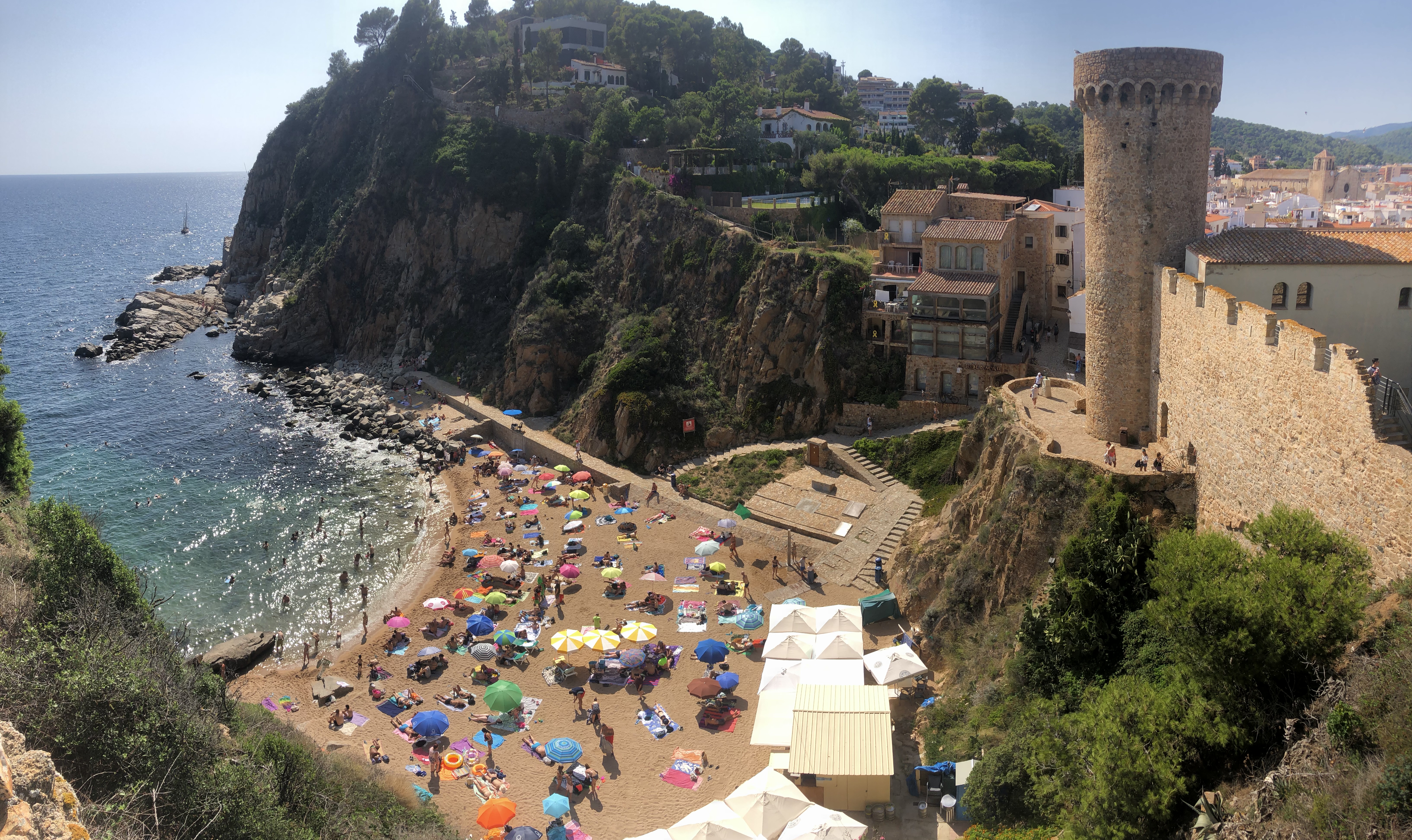
The closest part of the Costa Brava to Barcelona and the best place to visit if short on time.
Towns
- Blanes: Officially the southernmost town on the Costa Brava. Has beaches, harbor, and the start of the wild coastline for which the Costa Brava is named.
- Lloret de Mar: Mass tourism beach town where British people get wasted.
- Tossa de Mar: The best town worth visiting in this region is perhaps my favorite in all the Costa Brava. It boasts both a modern beach town next to a historic old town. The castle walls are right above the water.
Attractions
- Watersports: The entire Costa Brava is a hotbed for snorkeling, parasailing, paragliding, jet skiing and boat tours. In general, the larger/more touristy the town, the more options.
- Castell de Sant Joan I Blanes: Ruined castle right in Blanes
- Jardi Botanic Marimutra: Gorgeous botanical garden in Blanes overlooking the sea
- Marineland Catalunya: Largest water park in Catalonia in Lloret de Mar
- Water World Parc: Another water park
Beaches:
- Cala es Codolar: Iconic tiny beach on south side of Tossa sitting right underneath the castle walls.
- Platja Gran: Large sandy beach on north side of Tossa
- Cala Bona: Crescent-shaped sandy beach in suburban Blanes
Food:
- La Roca de Tossa: Catalán food in Tossa
- La Cuina de Can Simon: Michelin-starred Catalan food in Tossa. Reasonably priced for a Michelin star
Transportation:
- All the towns here have good public transit connections Barcelona, making this the best place to visit on the Costa Brava if you don´t have a car. The bus to Lloret and Tossa de Mar takes 60-90 minutes and runs every 2 hours. Blanes can be reached by regional train.
Time Needed:
- Tossa can each take up an entire day –including ample beach time.
Central Costa Brava
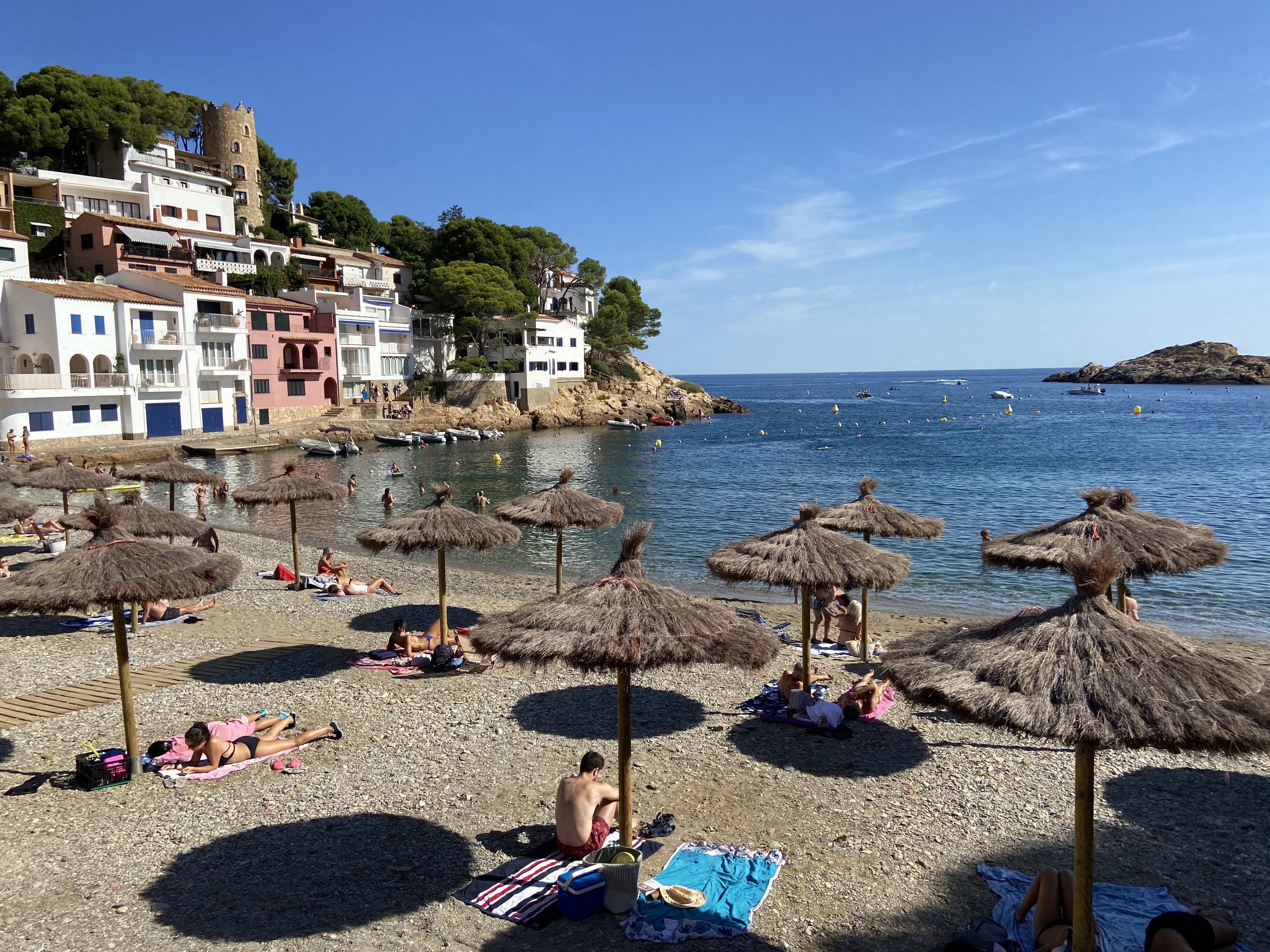
The best overall region in the Costa Brava with beaches, cute towns, and history but too far to day trip from Barcelona.
Towns
- Begur: Main tourist town and center of all activity in this region. Large medieval walkable core with plenty of restaurants and a regional views from castle. Upscale.
- Peratallada: Cute walkable small medieval town. Contains the iconic Gelats Angelo gelato shop.
- Pals: The most famous cute walkable medieval town in the region
- Llafranc/Caella de Palafrugell: Twin medium-sized beach towns that are generally less busy than others in the region.
- Palamos: Large modern town with harbor
Attractions
- Empuries Archaeological Site: Unique ruins that contains both an ancient Greek and ancient Roman town side by side.
- Cami de Ronda: Perfectly maintained walking path along the coastline. Beware, there are a lot of hills so you will be moving slower than normal.
- Montgri Castle: Local landmark castle built in the 1200´s. The interior is empty, but the views from the summit are nice.
- Palafrugell Market: Non-touristy flea/farmer´s market
- Pubol Castle: Medieval castle revamped and renovated by Salvador Dali
- Palamos Fishing Museum: More interesting than it sounds with exhibits in English
Beaches
- Sa Tuna: Cute tiny cove with a small sand/rock beach
- Aiguablava: Larger cala with sandy beach but still very cute
- Palamos town beach: By far the largest beach in the area
Food
- Mau Pou: Catalan food in the tiny village of Palau Sator
- Cap Sa Sal: Catalan food with sea views
- Casa Juanita: Catalan food with cozy location in Begur town
- Gelats Angelo: In Ulla with an additional store in Peratallada. Home of Angelo Corvitto who was once deemed ice cream maker in the year in a global competition.
Transportation
- A car is needed to fully experience the region.
Time Needed
- To fully experience the region, a minimum of 3 days is needed. Due to its central location, Begur can be used as a base to explore the rest of the region.
Girona:
Largest city north of Barcelona. Girona is a cultural center, Game of Thrones filming location and hotbed of the pro-Independence movement. Widely considered one of Barcelona´s top day trips.
Attractions
- Old City: Girona´s old town feels like a smaller version of Barcelona´s Gotico neighborhood with narrow alleyways and ancient buildings.
- Cathedral: Best known for being a key Game of Thrones filming location but is a worthy sight in its own right.
- Jewish Museum: Impressive museum that chronicles the history of Girona´s large and culturally important Jewish community.
- City Walls: Nice area to walk around.
- Arab Baths: Unfortunately, only a museum but it is cool to see this rare remnant from the Moorish period this far north in Spain.
- Pont de les Peixanteries Velles: Step on this Gustav Eiffel-designed pedestrian bridge for Girona´s most Instagrammable view of the river
Food:
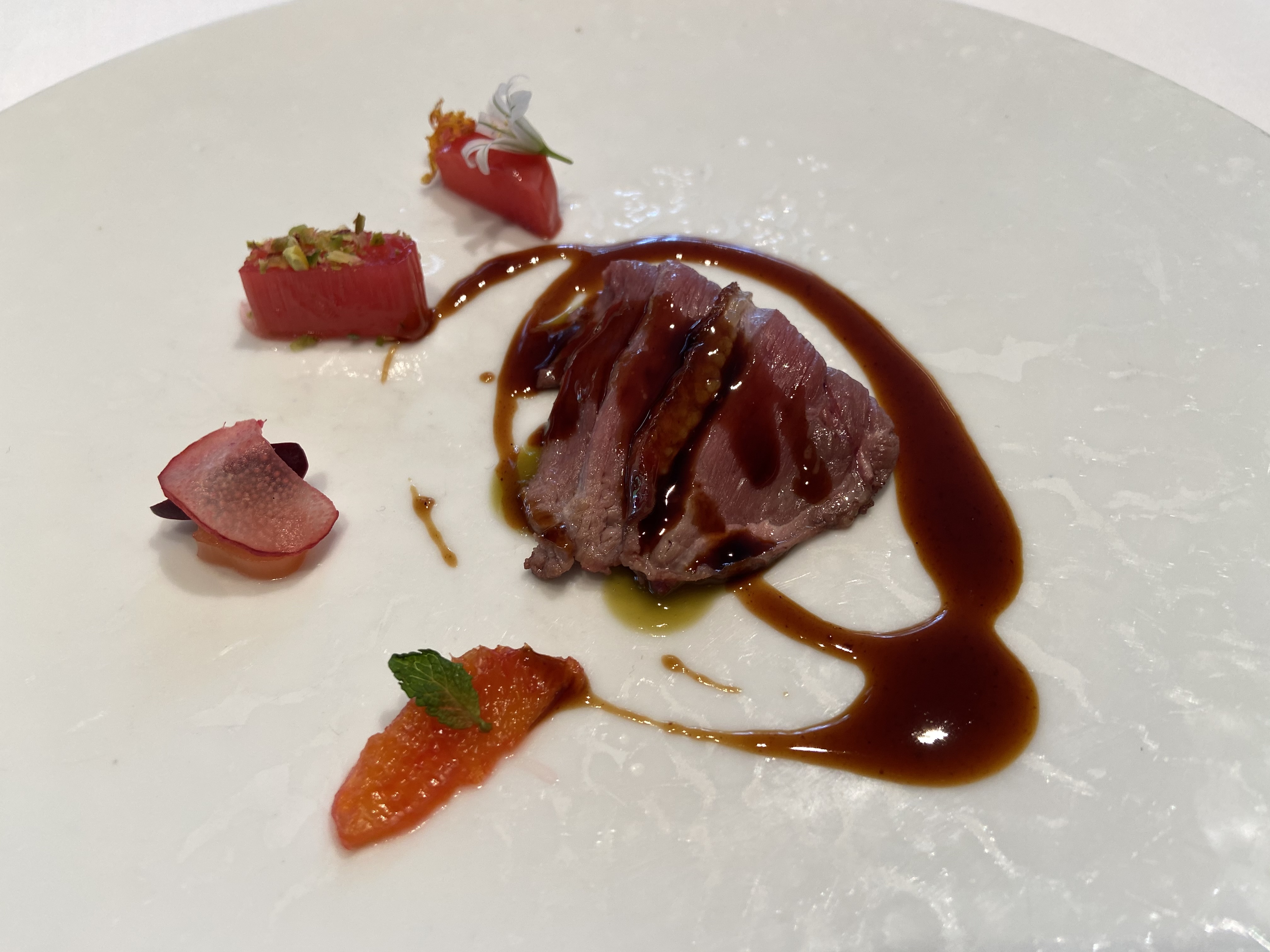
- El Cellar de Can Roca: 3 Michelin starred restaurant once voted best in the world run by the legendary Roca brothers. Make your reservation more than a year in advance or get lucky if someone cancels.
- Can Roca: Casual Catalan restaurant run by the parents of the Roca brothers. The brother learned to cook here. Very easy to get in here.
- Konig: Popular but average Catalan food in the center
- Rocambolesc Gelateria: ice cream shop run by the Roca brothers. Same stuff as in the 3 Michelin starred restaurant.
Transportation:
- Easily accessible by train. Only 35 minutes from Barcelona on the high-speed AVE or 1.5 hours on a regional train. The same line continues to Figueres. Also, home to the Girona-Costa Brava Airport (GIR) with Ryanair flights around Europe and the UK.
Time Needed:
- 1 day
Figueres

Figueres is a medium-sized city near the French border. It is the hometown of famed Catalan surrealist Salvador Dali and is world-famous for his greatest creation: the Dali Theater.
Attractions
- Dali Theater and Museum: Far and away Figueres´s most popular attraction. This museum was built and designed by Salvador Dali in his hometown to showcase his art. He is interned in one of the rooms. During busy times, purchase your ticket in advance.
- Catalonia Toy Museum: A surprisingly interesting museum if you like toys. 2 stories tall.
Food
- Shang Hai: one of the oldest Chinese restaurants in Spain
- Sideria Txot: Basque cider house
Transportation
- Figueres is at the northern end of Spain´s high speed rail network and can be reached from Barcelona in less than an hour. It is the same line that goes to Girona.
Time Needed:
- The Dali Museum takes 60-90 minutes. You can see everything in town in 3 hours. The Dali Museum is a big enough attraction that people will come for the day from Barcelona.
Northern Costa Brava/Cap de Creus
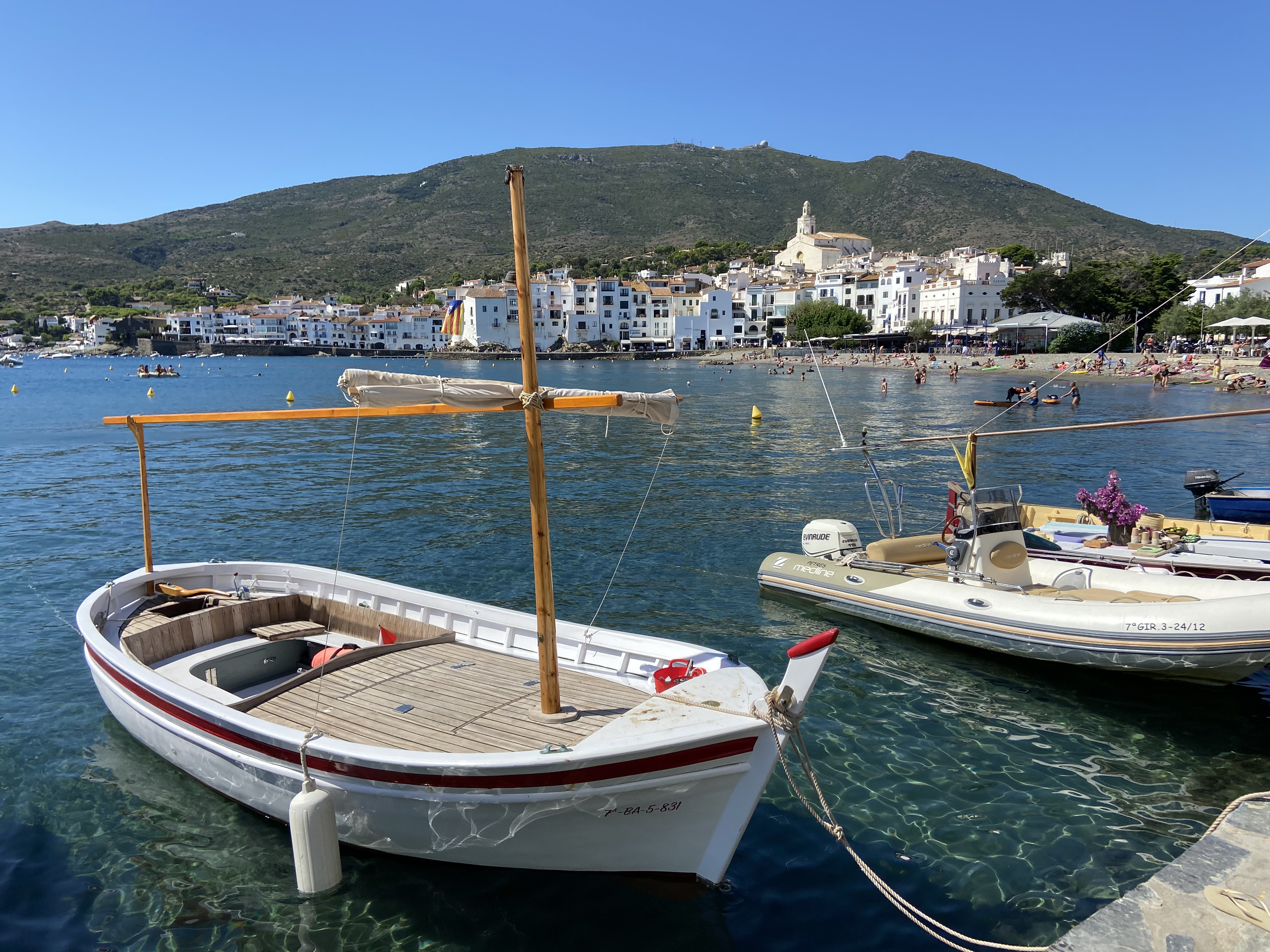
This isolated peninsula marks the northern end of the Costa Brava. While Cadaques is considered a major destination, I would only visit here as part of an extended Costa Brava road trip.
Towns
- Cadaques: One of the most beautiful and popular Costa Brava towns. Every building is white. Be warned, the roads here are windy.
- Roses: Modern beach town that used to be the location of El Bulli (now closed), the former best restaurant in the world. While the center has narrow pedestrian-only alleys, it lacks the history of other towns and is therefore skippable. The ancient fortress is okay but if you could only visit one historic town, make it Empuries.
Attractions
- Salvador Dali House Museum: 1km walk from the center of Cadaques. Look out for the penis-shaped pool.
- Punta de Cap de Creus: Easternmost point in mainland Spain with famous lighthouse and hiking.
- Monasteria San Pere de Rodes: Well-maintained Romanesque stone monastery overlooking the sea.
- Skydiving: Empuriabrava is one of Spain´s most famous skydiving location. You will be treated to epic views of the coast and the Pyrenees mountains.
Food
- Compartir: In Cadaques. Sister restaurant to the 3 Michelin star Disfrutar in Barcelona
- Falconera: Medium-priced Catalan food in Roses
Transportation
- Cadaques does have bus connections to Barcelona and Figueres, but a car is needed to fully experience the region.
Time Needed:
- 1 day for Cadaques and Cap de Creus. 0.5-1 day for the everything else.
South Coast
Near Barcelona:
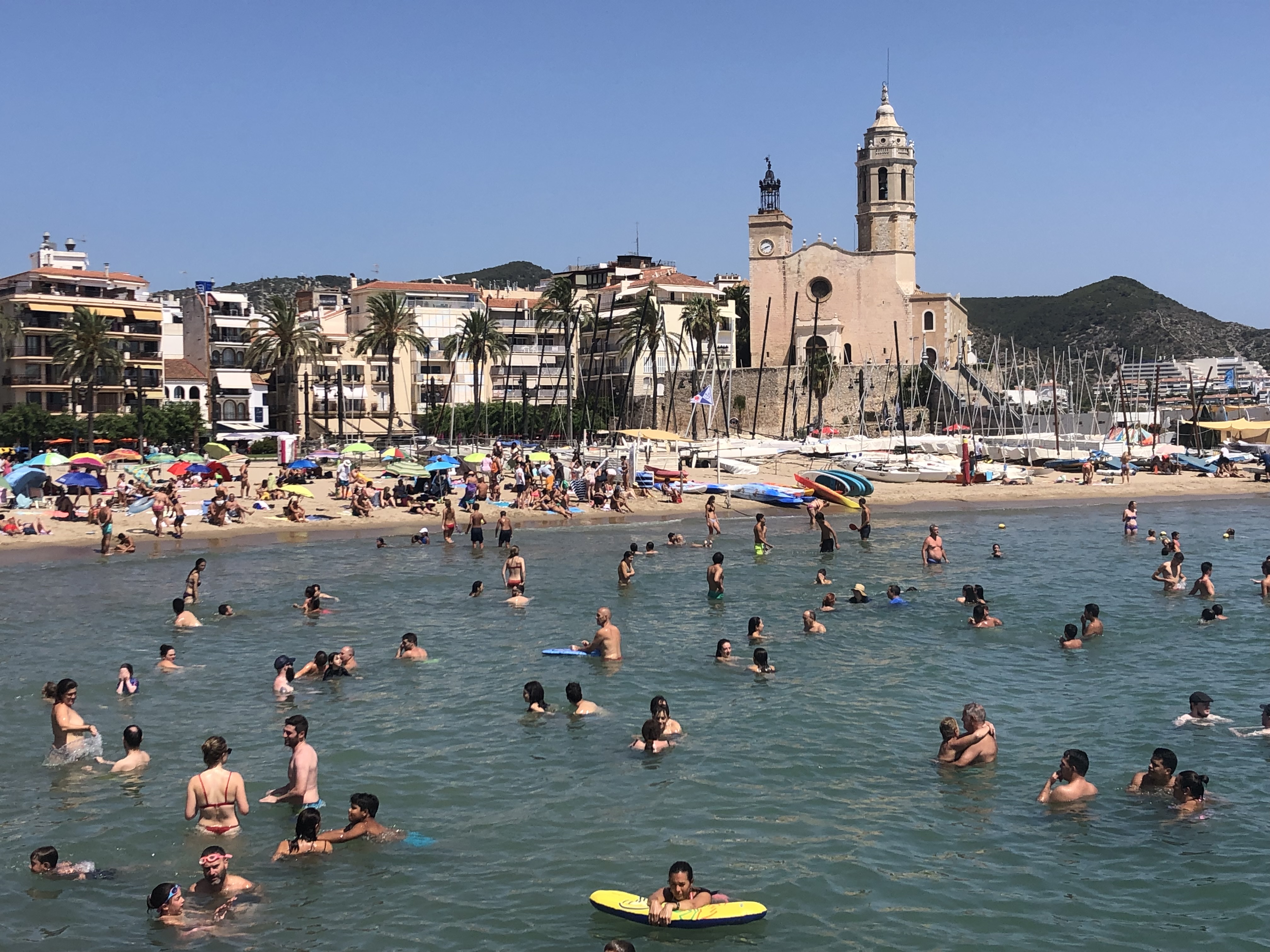
Just south of Barcelona are multiple beach towns easily accessible by the regional train in 30 minutes of less. Most people come here on day trips, but gay travelers might stay in Sitges
Towns
- Castelldefels: Humongous large natural beach near Barcelona. If you are in Barcelona and simply want to go to the beach without distractions, this is the spot.
- Garraf: Tiny beach town tucked below the mountains
- Sitges: Popular upscale beach town with an old town. Best nightlife in Catalonia outside of Barcelona. Also, a globally recognized gay travel destination.
- Vilanova i la Geltru: Non-touristy town with a port and two town beaches
Attractions
- Palau de Marciel: Art museum/palace right on the water in Sitges
- Railway Museum of Catalonia: In Vilanova
Food
- El Giraldillo: Iconic seafood restaurant in Vilanova
- Big Al´s: American hamburgers with a food challenge called the Widowmaker. Now a local chain but original location is in Sitges
Transportation
- All towns are less than 30 minutes from Barcelona by frequent regional trains
Time Needed
- The towns in this region is mostly visited as day trips from Barcelona, but gay travelers may opt to stay in Sitges for the scene.
Tarragona
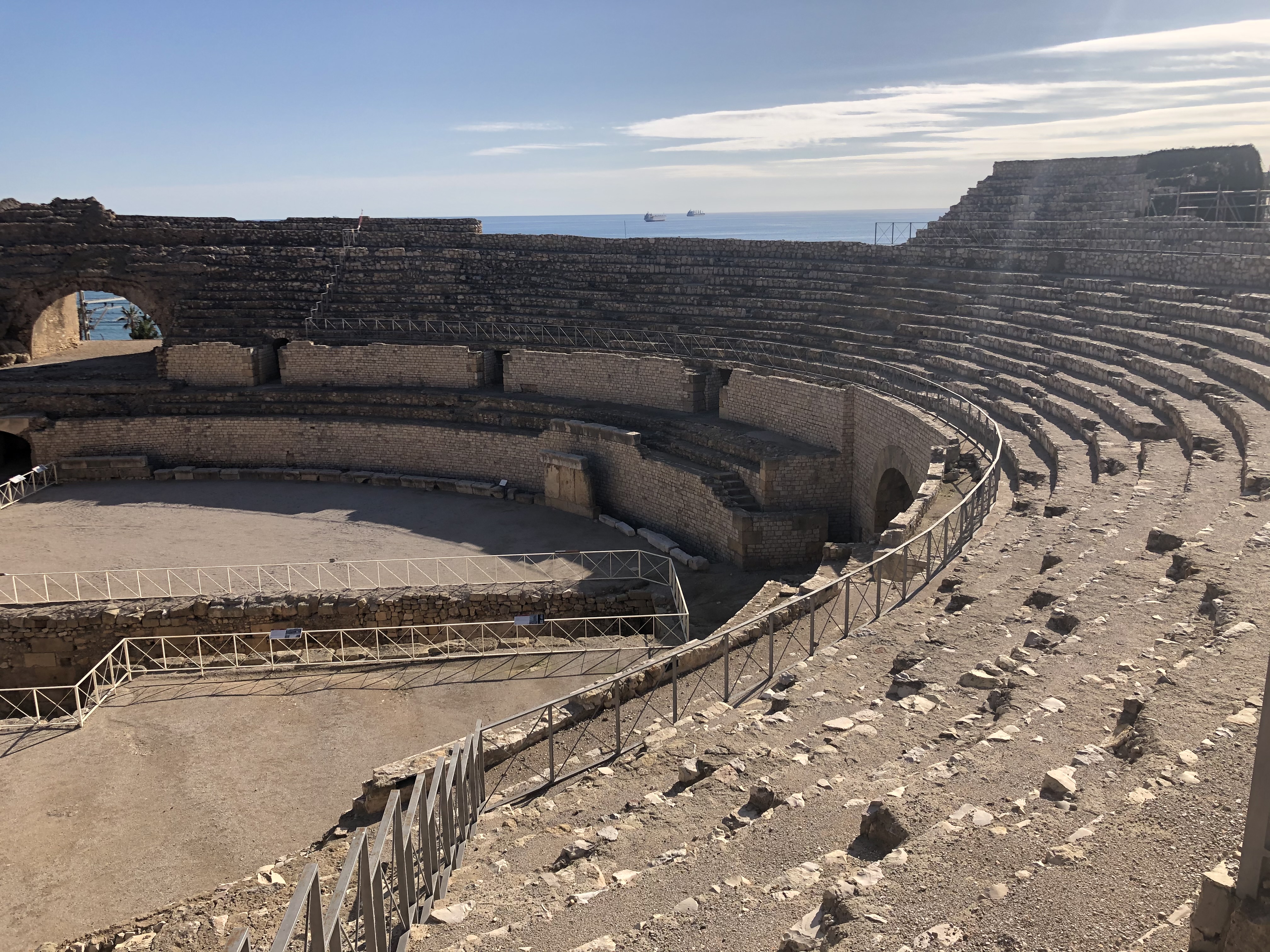
The second-largest metro area in Catalonia has a wide array of world-class attractions but largely falls off the radar of international travelers
Attractions in Town:
- Roman Ruins: Tarragona (Tarraco) was founded by the Romans in 218 BC and their legacy is preserved all over the city. The gladiatorial arena (right on the beach), circus, forum, and city walls (accessed by the Passeig Arqueologic) comprise a UNESCO World Heritage Site
- Cathedral: Like most European cities of its size, the 12th cathedral, build on the site of a Roman temple and mosque, is worth a gander
- Balco del Mediterrani: Beautiful viewpoint
Attractions Nearby:
- PortAventura: Spain´s largest and most famous amusement park is just south of the city. Trains from Barcelona go right to the park.
- Ferrari Land: Part of the PortAventura complex that can be visited standalone or as part of a combined ticket with PortAventura park. Has the fastest roller coaster in Europe.
- Reus: Home of famed Catalan architect Antonin Gaudi. Visit his birth home (now a museum) and the Casa Navas designed by Lluis Domenech i Montaner, another Modernist architect who built two UNESCO-listed buildings in Barcelona
Food:
- El Vergel Veggie Restaurant: Vegetarian in Tarragona´s old city. Spain doesn´t really understand vegetarianism so this restaurant is quite rare.
- Casa Balcels: The first ever good restaurant next to a cathedral
- Ferran Caro: Upscale Catalan in Reus
- Calçots in Valls: Calçots are a special type of green onion eaten seasonally in the spring. In season, traditional restaurants will typically have a prix-fixe menu with calçots, romesco sauce, and bottomless cava. While callouts can be eaten all over Catalonia, Valls, just outside of Tarragona is the center of calçot cultivation and has an annual festival each January. This is a cherished Catalan tradition and reservations are essential on weekends.
- PortAventura in-park dining: A step up from what you would get in US theme parks. My favorite spot is the Cavallino Restaurant in Ferrari Land (Enzo Ferrari was Italian after all…)
Transportation
- Tarragona, Port Aventura and Reus and all easily accessed by frequent 1-hour trains from Barcelona (often on the same route to the closer South Coast towns). Don´t take the high-speed AVE train since the station is in the middle of nowhere. Also home to the Reus Airport (REU) with flights on budget carriers to the UK and a few couple European countries.
Time Needed
- 1 day for Tarragona, 1-1.5 days for PortAventura/Ferrari Land and .5 days for Reus.
Ebro Delta
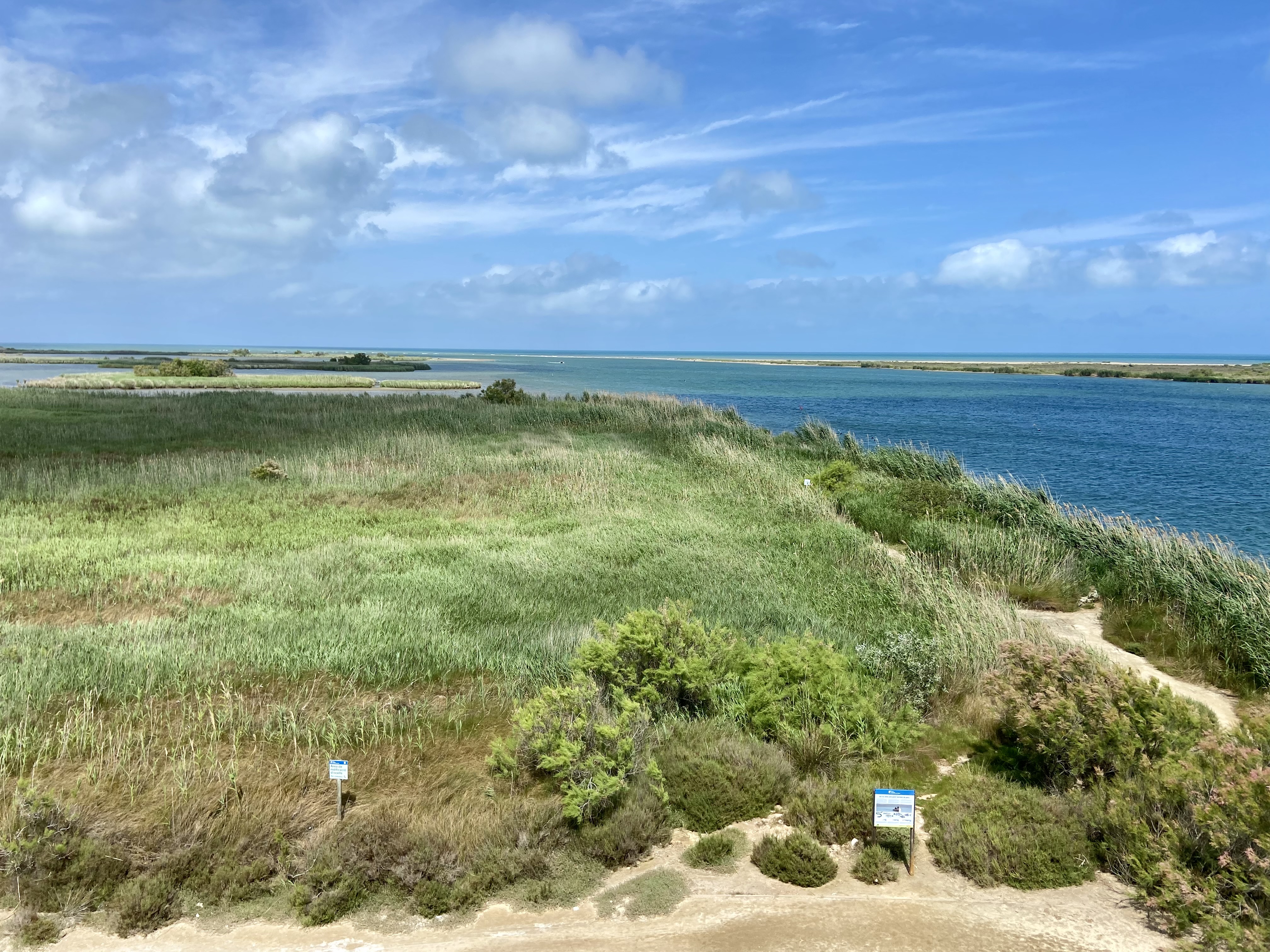
The mouth of Spain´s longest river forms the largest wetlands in the entire Western Mediterranean. Topographically, this is quite different than anywhere else in Catalonia.
Cities and Attractions
- Mirador de Ziggurat: The best place to experience the wetlands. There is hiking and an observation deck overlooking the true end of the Ebro River.
- Aquatic activities: Scenic boat cruises, kayak rentals and sport fishing outfitters can be booked in Deltebre and near the Casa Nuri restaurant.
- Beaches: Not a traditional beach destination, but if you want wide sand with zero people, this is the place
- Tortosa: Historic town slightly inland best known for its gothic cathedral and for being the location of the largest battle in the Spanish Civil War.
- Peñiscola: Technically not in Catalonia, but just over the border in Valencia. Famous beach town with a funny name and an iconic castle/fortress overlooking the sea. The castle was a papal residence during the Western Schism in the early 15th century and more recently one of Spain´s most popular filming location (including Game of Thrones).
Food
- Ebro Delta rice: The Ebro Delta is known for producing a special long-grain rice that is fantastic in paellas. The rice has an EU designation of origin designation.
- Casa Nuri: By far the most famous restaurant in the region. Great spot to try the local rice and fresh seafood
- Raco de Riu: Similar vibes to Casa Nuri but smaller and closer to the Deltebre/the freeway
Transportation
- A car is the best way to explore the region. With the flat terrain, bike touring seems to be possible with advanced planning. The nearest train stop to the Delta (2 hours south from Barcelona on a medium-distance train) is 8km from Deltebre.
Time Needed
- One can easily spend 2 days in this region.
Pyrenees Mountains
West of Andorra

The tallest mountains and some of the strongest cultures in Catalonia are on its north-western corner. While further from Barcelona, the juice is worth the squeeze.
Regions, Cities and Attractions
- Val d´Aran: Wedged into the extreme northwest corner of Catalonia, this valley is culturally distinct and speaks a unique Romance language called Aranese.
- Bacqueira-Beret: Largest ski resort in Spain with 36 lifts
- Aiguestories i Estany de Sant Maurici National Park: Catalonia´s sole national park contains the region´s best natural scenery. The easiest way to visit is via a day hike one-way across the park, using a taxi to reach the far trailhead.
- Churches of the Vall de Boi: 8 Romanesque churches comprise a UNESCO World Heritage Site. They are known for their tall belltowers and muraled interiors. The most iconic is Sant Climent de Taull, but they are all close to each other so might as well visit a few if you´ve driven all the way out here.
Transportation
- A car is needed to explore this region.
Time Needed
- Highly depends on what you want to do, but this is beyond daytrip territory from Barcelona. Most people come here for 2-4 days.
East of Andorra
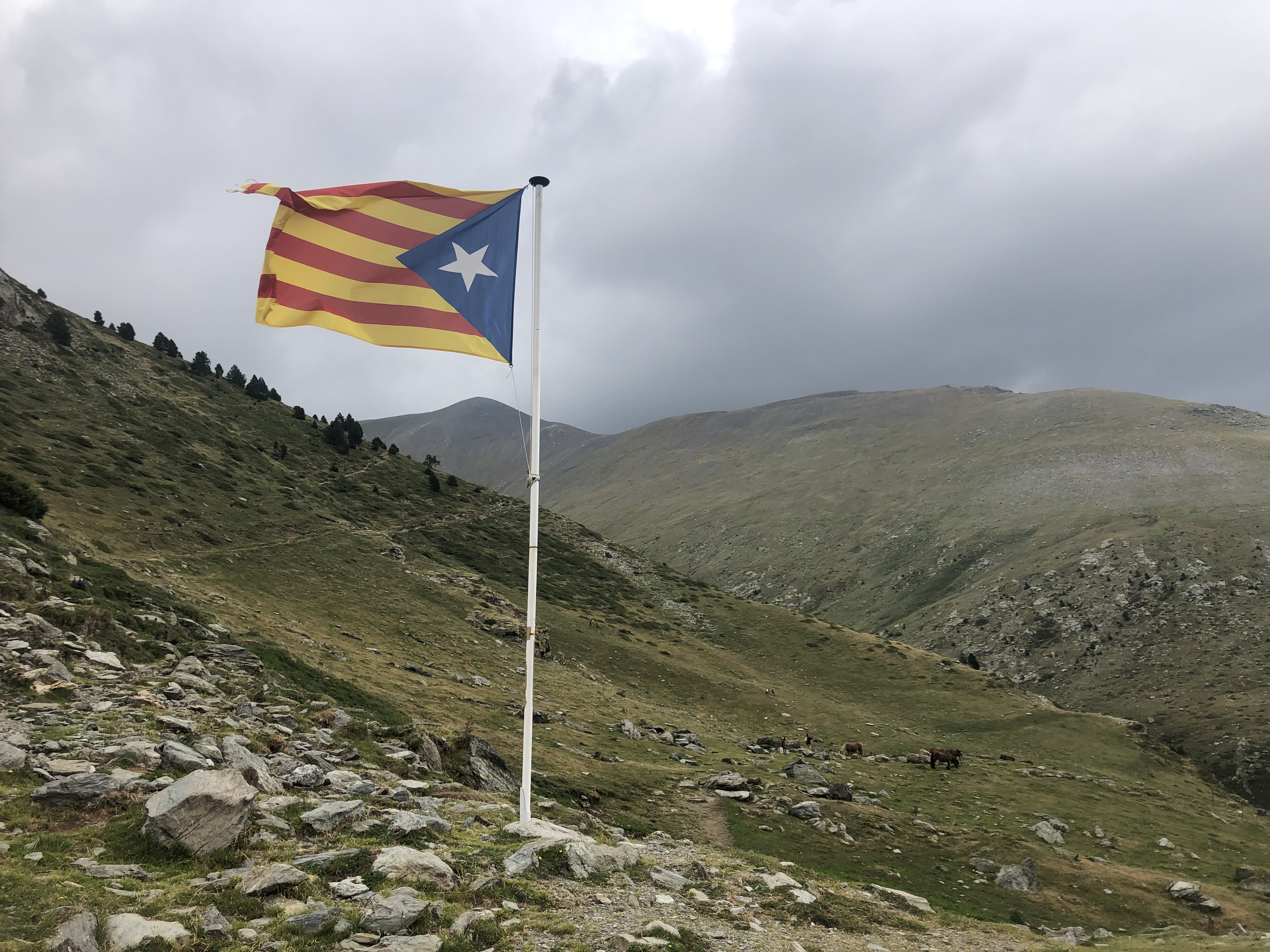
In general, the mountains are smaller here, but with better access. Some places, such as Val de Nuria can be accessed by public transit
Regions, Cities and Attractions
- Seu d´Urgell: Town just south of Andorra with an important cathedral. Its bishop is co-ruler of Andorra (along with the President of France)
- Llivia: Spanish exclave in France. A 1659 treaty ceded all Spanish villages north of the Pyrenees, but Llivia was considered a town, so it remained Spain.
- La Molina: Nearest ski resort to Barcelona by car
- Pedraforca: Iconic mountain with twin peaks. Can be climbed via a long day hike.
- Vall de Nuria: The only way to access the high Pyrenees as a daytrip from Barcelona by a train to Ribes de Fraser and then a rack railway. Many great hikes here but two stand out: 1. the Cami Vell from Queralbs to Vall de Nuria and 2. Puigmal (iconic peak on the border with France). Also has skiing in the winter.
- Ripolli: Famous monastery along the same train line that goes to Vall de Nuria.
- Parc Natural Garrotxa: The only volcanic landscape in Catalonia. Many hikes here including Volcan Croscat and Santa Margarida.
- Ruta dels Set Gorgs de Campdevanol: Ascend a canyon to seven waterfalls (with swimming spots). The trailhead is a 30-minute walk from the same train line that goes to Vall de Nuria and Ripolli.
- Besalu: The prettiest medieval small town in all of Catalonia is just 30 minutes northwest of Girona or 17 minutes from Olot.
Food
- Cal Cofa: Catalan food in Llivia
- Olot´s Volcanic Cuisine: The town nearest Garrotxa is known for its “volcanic cuisine”, as the soil allows for different plants to thrive. 9 restaurants carry the formal designation.
- La Fageda Fundacio: This non-profit farm/factory near Olot makes the most delicious yogurt (and ice cream) in Spain. One of their goals is to give employment opportunities to mentally and physically disabled people to increase their sense of self-worth. La Fageda has been so successful that every disabled person in the county who wants a job has one and they now have to hire from the next county over. Factory tours can be arranged via email.
Transportation
- Vall de Nuria is the only place in the high Pyrenees accessible by train. Ripolli and the Set Gorges hike are on the same train route. Everything else in the region requires a car.
Time Needed
- Varies depending on season and activities. Vall de Nuria (and everything on that train line) can be a day trip from Barcelona but everything else is best visited on a multi-day road trip.
Interior
Near Barcelona
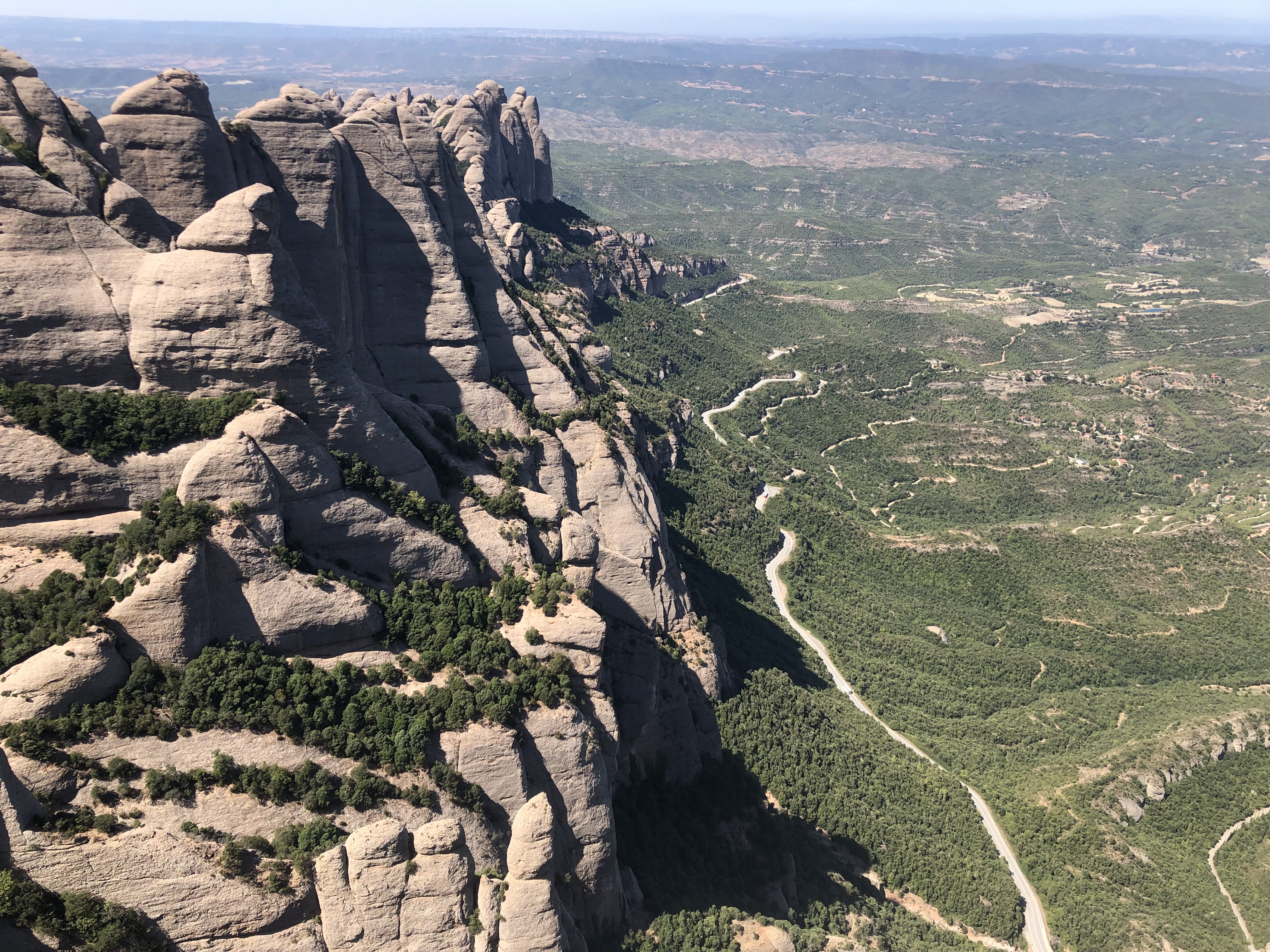
Two mega attractions dominate this region: the iconic Montserrat mountain and the wine region that produces cava. That said, there are many hidden gems if you are willing to explore.
Cities and Attractions:
- Montserrat: Iconic mountain and cherished symbol of Catalonia. It towers over the surrounding plains with its unique shape. While there are many places to visit on the mountain, the center of the action is halfway up at the world-famous monastery. The monastery was built to showcase the revered Black Madonna statue. Visiting the Black Madonna requires waiting in a long line that starts on the right side of the main entrance courtyard. In addition to the statue, you get to see multiple impressive rooms in the back of the church. The monastery complex also has an art museum with rooms of Black Madonna fan art. From the monastery, there are multiple hiking trails to explore more of the mountain. The best hiking trail goes to the summit, San Jeloni, which takes one hour up (but you can cut that in half with a funicular ride). Montserrat is accessible by multiple forms of public transportation but the most straightforward is a combination of a Suburban S train from Barcelona´s Plaça España followed by a rack railway – you can buy a combo ticket for both at the S Train station. If visiting on a Sunday, make sure to hear the 700-year old Boys Choir perform.
- Colonia Guell: UNESCO World Heritage site church built by Antoni Gaudi as part of a planned company town for Eusepi Guell´s family textile business. Considered a precursor to Sagrada Familia.
- Peñedes: 95% of all cava (Spanish sparkling wine) is produced in the Peñedes region just south of Barcelona. The center of the region is the town of Sant Sadurni d´Anoia, wineries but there are also many scattered throughout the countryside. In total there are 80+ wineries. Visits typically require a reservation and include both a tour and tasting. While visits can be arranged on your own, there are also guided day tours from Barcelona.
- Vic: Traditional town located 1 hour north of Barcelona by regional train. Its historic center contains a Roman temple, a surprisingly large medieval art museum with signs only in Catalan and the strongest pro-Independence display I have ever seen.
Food
- Cava tasting in Peñedes (see above)
- El Barmutet: Catalan food in Vic
- Fuets in Vic: Vic is known for making the best fuets (meat sticks) in all of Catalonia. Many shops sell them but one of the most renowned is Casa Sendra.
Transportation
- All the locations in this section can be reached by regional trains from Barcelona in 1 hour or less.
Time Needed
- Varies. Montserrat takes a most of a day if you want to hike and see the monastery. Peñedes can be either a half-day or full day depending on how much you want to drink. Colonia Guell and Vic are half-day excursions.
Further Away
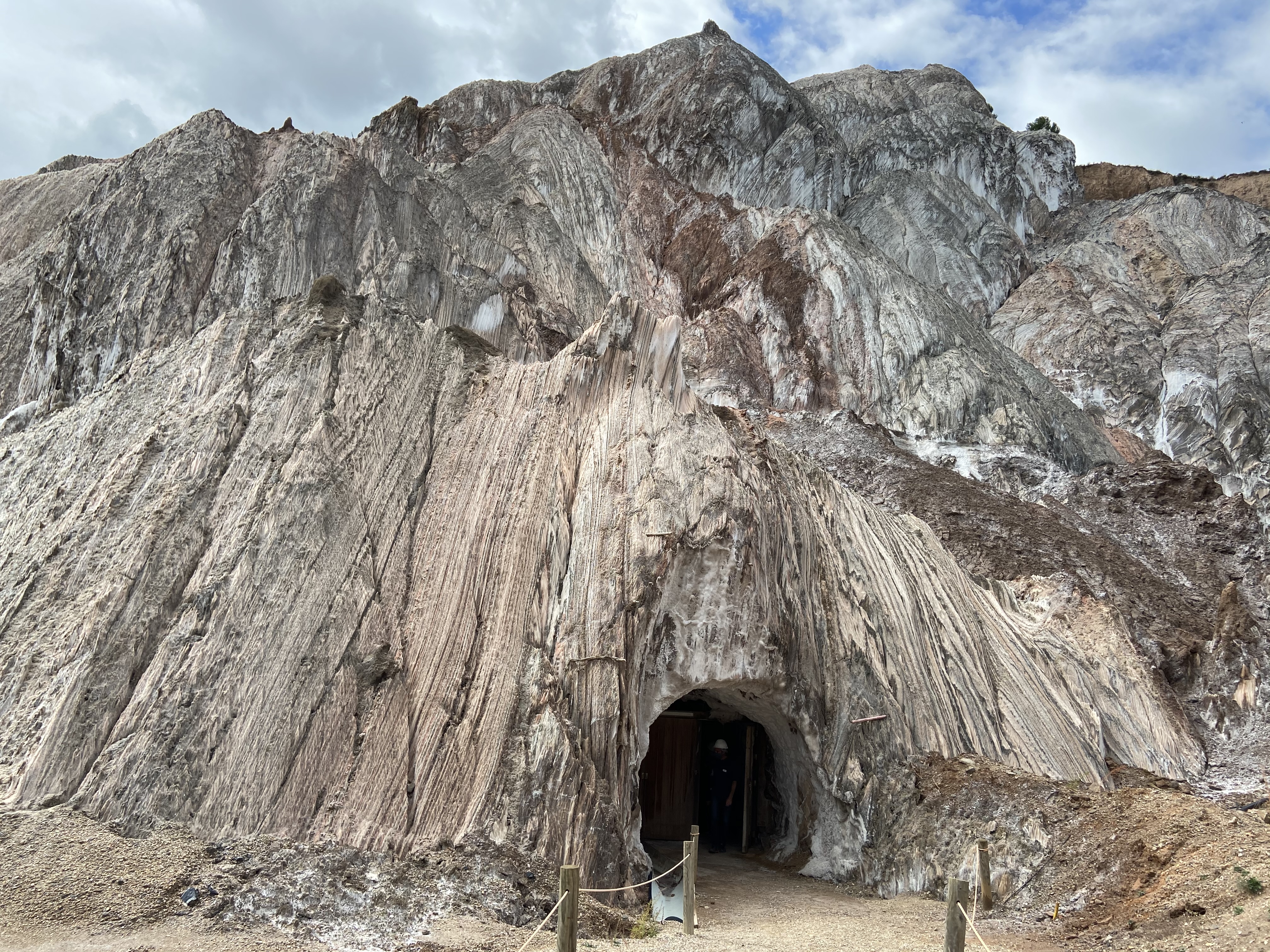
The dry deep interior of Catalonia is far from the tourist track but has some important Catalan cultural monuments.
- Poblet Monastery: 12th century Cistercian monastery containing the tombs of eight kings of Aragon, their queens, and other nobles. Declared a UNESCO World Heritage Site in 1991. Two other nearby Cistercian monasteries (Santes Creus and Vallbona de les Monges) form the “Cistercian Triangle” but if you had to pick one, make it Poblet. Also, Poblet is the only one accessible by public transportation.
- Lleida: One of four provincial capitals of Catalonia. Lleida has a lively old town and is home to hilltop La Seu Vella complex containing both the cathedral and a castle. The complex played an important part in the War of Spanish Succession and is an important landmark for Catalan identity. The riverfront is also gorgeous and reminds me of Paris.
- Cardona: Cute hilltop fortress town built on an enormous salt deposit known as the Salt Mountain. Mining stopped in 1990, but the mountain is still open for guided tours offered multiple times per day with a reservation.
- Mont-Rebei Gorge: Dramatic 500-meter tall sheer canyon on the border with Aragon. The full-hike is 17km roundtrip. You can also rent kayaks and paddle the azure waters of the gorge.
Food
- Churreria Chocolateria J. Moreno: Historic churro shop in Lleida
- Snails in Lleida: Lleida hosts the world´s largest snail-eating festival each May. Most restaurants will serve caragol, the Spanish version of escargot.
Transportation
- Varies. Lleida is 1 hour from Barcelona on the high-speed AVE train and is far from anything else in this guide. Poblet can be visited by public transport from Barcelona but the train ride is 2.5 hours followed by a 1 hour walk through the countryside and there are only 4 trains per day. Better to just rent a car. Cardona and Mont-Rebei requires a car.
Time Needed
- Every place can be visited as a day trip from Barcelona except for Mont-Rebei which takes a full day but is out of day-trip territory because it is 3 hours from Barcelona. Poblet, Lleida and Mont-Rebei are all relatively close to each other and can be combined into a nice 2-3 day road trip.
Section 3: Top Destinations
While I recommend everything in the guide, here are my top 10 attractions in Catalonia outside of Barcelona:
- Begur and surroundings
- Cava tasting in Peñedes
- Mont-Rebei Gorge
- Montserrat monastery and hiking
- PortAventura
- Sitges
- Tarragona
- Tossa de Mar
- Vall de Boi and the Aiguestorres National Park hiking
- Vall de Nuria hiking
Section 4: Trip Planning Advice
There are two ways to see Catalonia: as a series of day trips based from Barcelona or on a road trip.
Taking the day trip route allows you to visit multiple regions faster and not have to take public transport. Additionally, you don´t have to move hotels and can benefit from Barcelona´s superior dining scene.
However, the best parts of the Pyrenees and Costa Brava need a car. This is due to both the distance and the fact that the regions contain numerous small attractions that by themselves are not worth a day trip, but when combined create the sense of place.
It is also important to consider the season. Beaches season in Catalonia lasts from late May- early October. This is also the time when the high Pyrenees are snow-free and can be hiked. Ski season in the Pyrenees is late December-March. Cities and most destinations in the interior can be visited year-round.
August is a tricky month because that is when Spaniards take their vacations – typically to small towns. While cities such as Barcelona, Tarragona and Girona might empty out, beach and mountain destinations will be at their busiest.
While it would take weeks to see it all, I think 1 week is the optimal amount of time to spend in Catalonia for the typical traveler. This allows for a 3-4 day stay in Barcelona plus the ability to visit one more region in full.
Leave a Reply