
Why Blackstone River Valley:
I was in Rhode Island visiting my sister’s in-laws Paul and Betsey as the final leg in a weeklong East Coast trip. Having already visited Mystic, Connecticut, I set my sights on my final Rhode Island National Park Service Passport stamp: the Blackstone River Valley National Historic Site. The stamp was in Pawtucket to the north of Providence. Since we were already on that side of the state, I planned a day of exploring with Paul and Betsey.
Blackstone River Valley National Historic Site is a relatively new National Park Service site established in 2014. This means that while the park is open to visitors, it is not yet in its final form.
July 28, 2024: Forgotten Rhode Island
Paul, Betsey and I arrived at the Slater Mill in Pawtucket at 9:30. Most of the mill is only accessible by a free guided tour and we serendipitously showed up just in time for the first tour of the day. The next tour was not for two more hours.
The Slater Mill was founded in 1793 by Samuel Slater, who immigrated from England and had recently completed his milling apprenticeship. His goal was to create a cotton mill of his own using technology developed by Richard Arkwright. The mill
Slater found funding from Moses Brown (of the Brown University family). The Brown family had made their money on the slave trade, but Moses, a self-proclaimed abolitionist, sought to distance himself from the family business by moving into milling. Even though Brown was not actively in the slave trade, the raw cotton used by the mill was imported from the slave plantations of the South.
Despite subjecting child laborers aged 7-13 to extremely harsh working conditions and pitiful wages (the first ever factory strike in America was here), the mill was considered a success. For this reason, the Slater Mill is known as the Birthplace of the American Industrial Revolution.
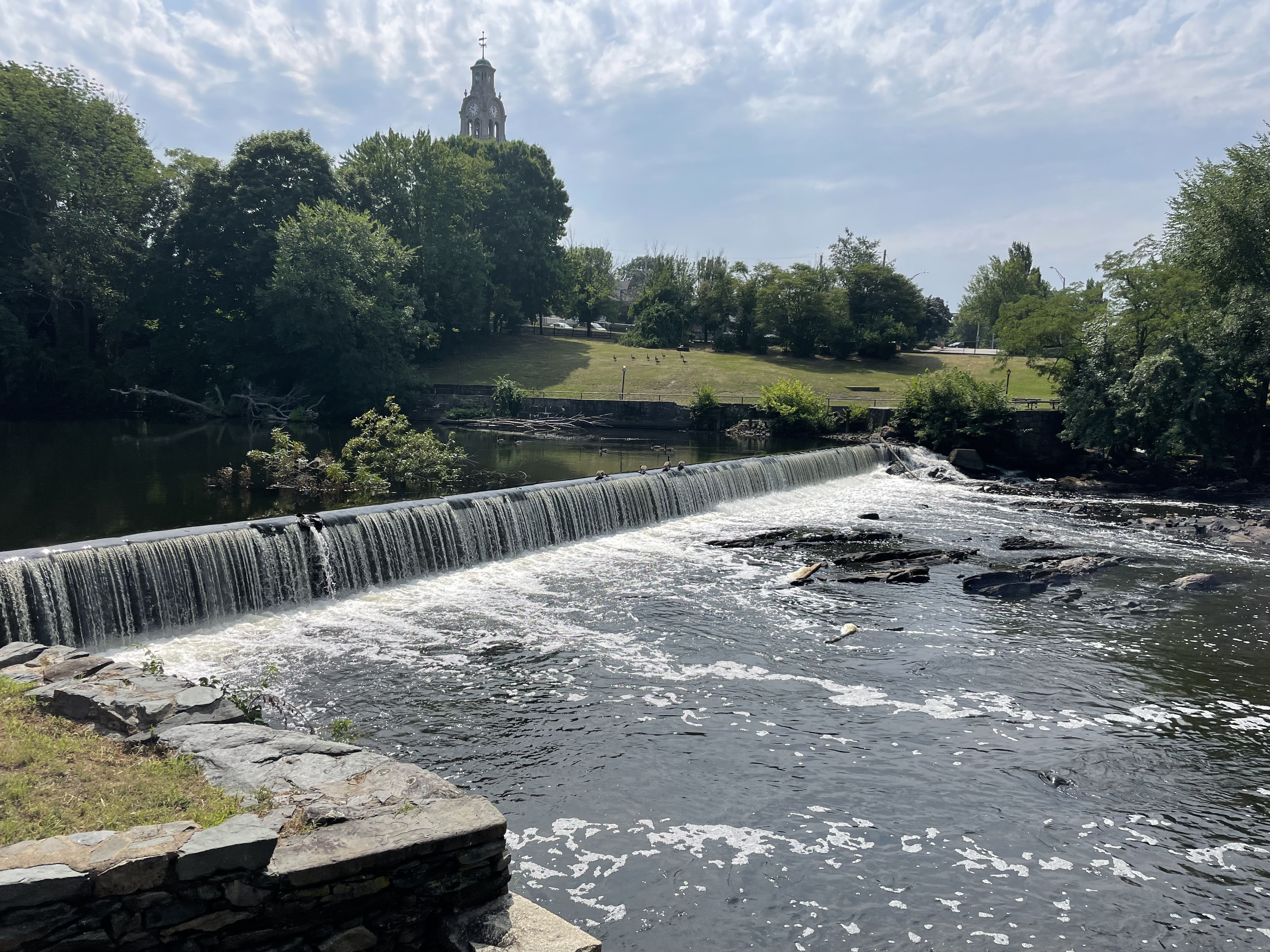
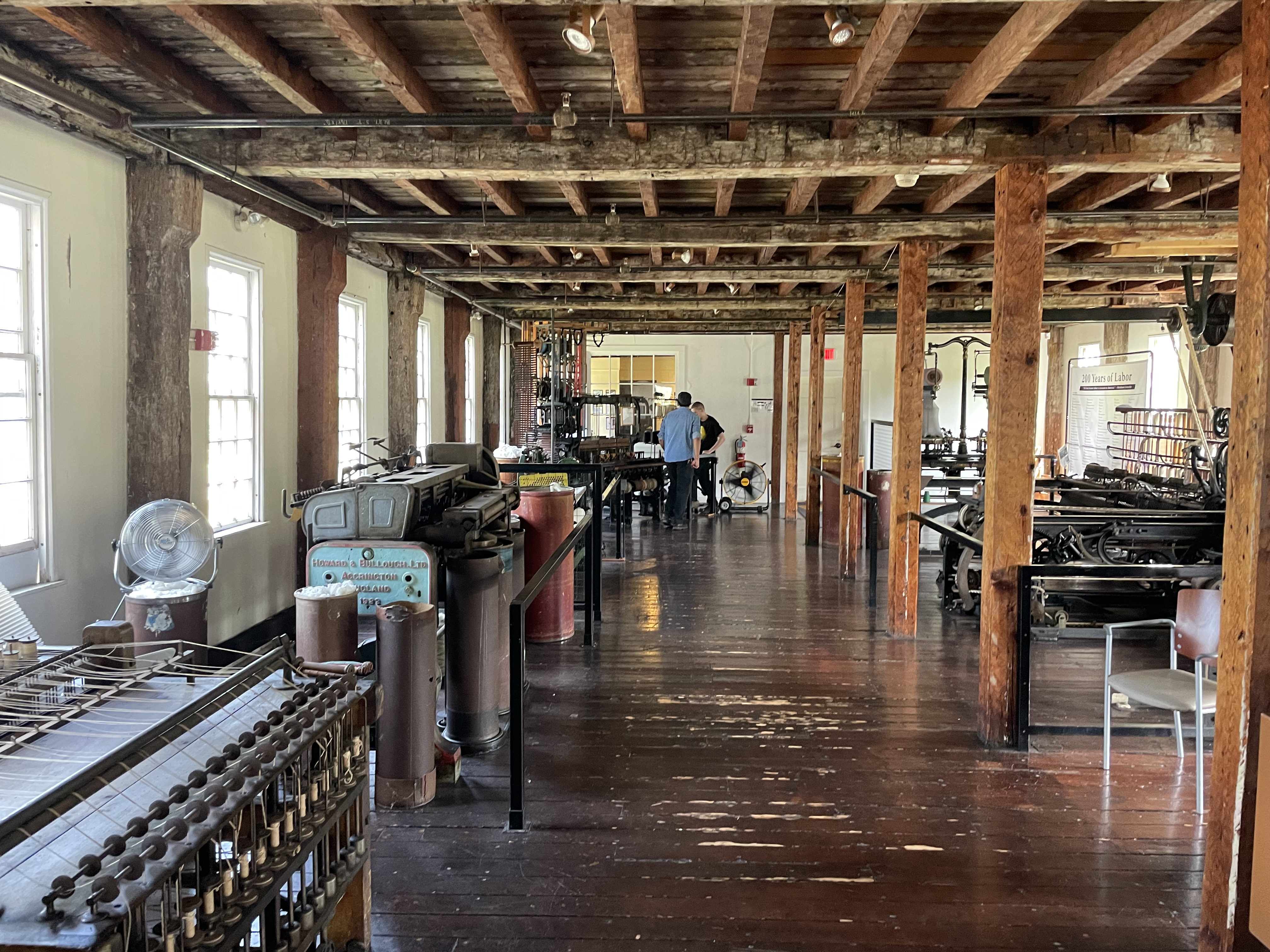
The mill is in pristine condition and the tour was very informative. However, there is still a lot of work to be done by the National Park Service to bring the story to life. Only one floor of the mill is open and the other two buildings in the complex are not open to the public. The park has grand plans so check back in a couple years and you might have a very different experience.
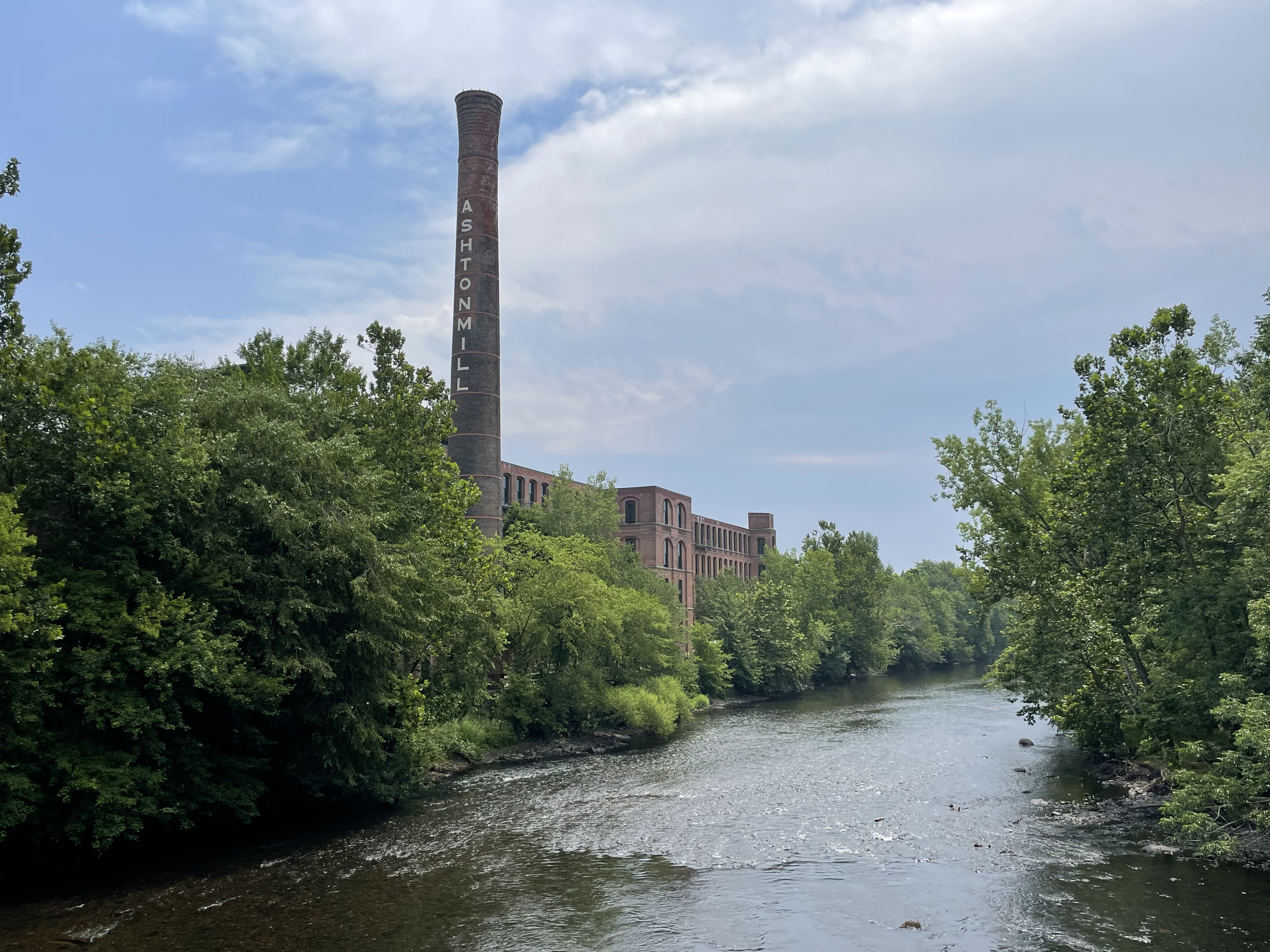
Slater’s success led to the creation of many other mills along the Blackstone River. One of those was the Ashton Mill built in 1867. The Ashton Mill is technically part of the National Historic Site but is really a private apartment building complex. Nearby there is a beautiful bike path and a small museum run by the State.
Having seen the major landmarks of the park, we decided to get lunch. Based on a recommendation from my guidebook, we visited the Beef Barn in North Smithfield. Opened in 1968, the restaurant serves roast beef sandwiches. The current building (essentially a giant version of their previous restaurant) opened in 2021. The sandwiches were cheap and delicious, but not destination worthy.

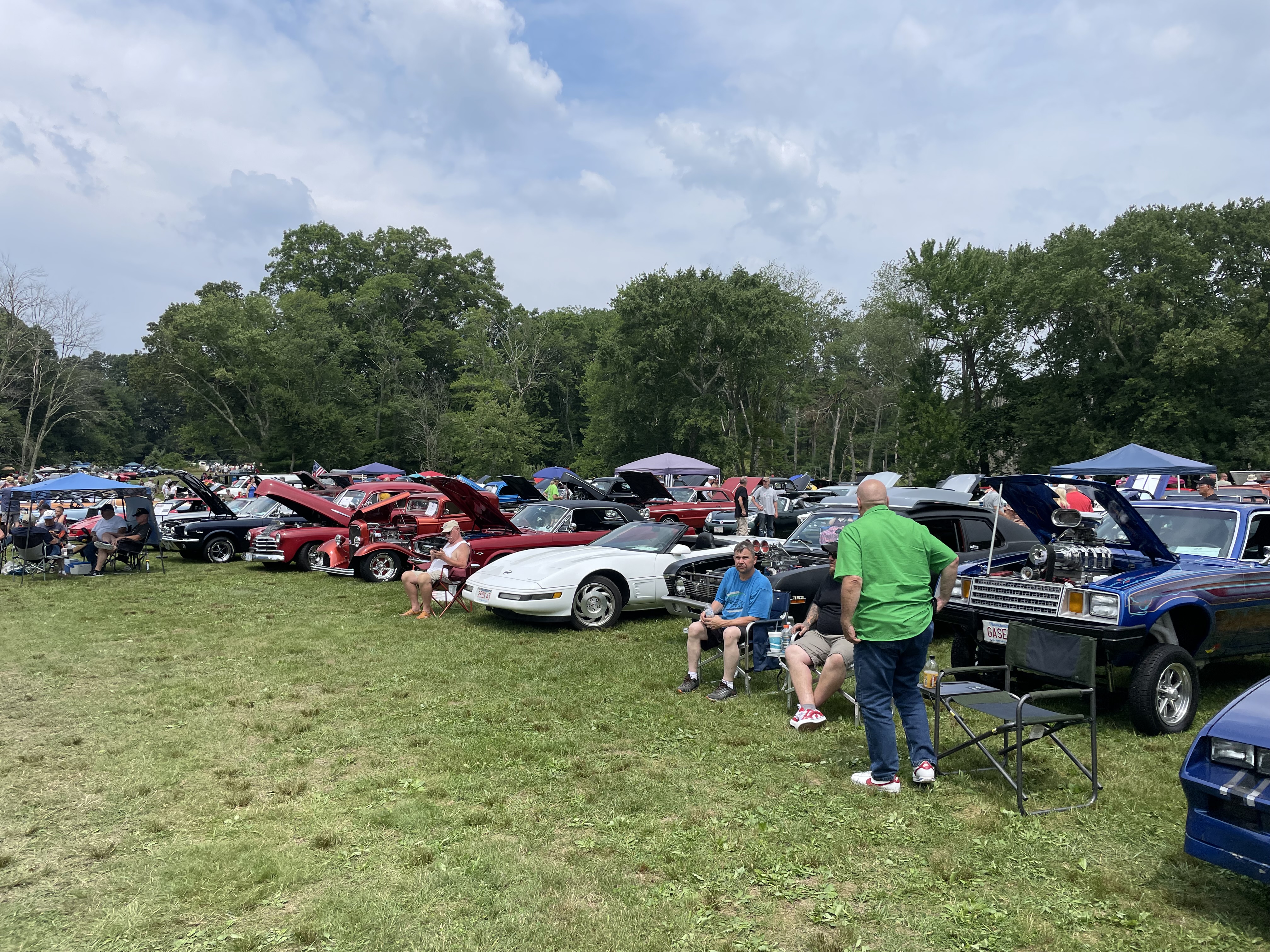
The Beef Barn happened to be hosting a Knights of Columbus classic car show featuring about 400 cars. Paul, Betsey and I enjoyed wandering amongst what must be 1/4 of the classic cars in Rhode Island.
For our final stop, we visited the century-old Wright’s Dairy Barn, not to be confused with Wright’s Farm – a chicken restaurant. This working dairy farm has a retail shop for milk & dairy products, pastries and ice cream. The milk is transported to the retail shop/processing plant from the milking stations by a tube! The place totally smells like cows and manure but luckily the ice creamery is far enough from the cows that it does not smell. The cow-to-cone ice cream was delicious and worth the hype.

We then headed back to Providence where I caught a flight home.
Final Thoughts:
Northern Rhode Island is a niche destination for true history buffs, locals, National Park Service completionists and lovers of the offbeat. This is not a mainstream place to visit and I would not recommend it to the average tourist until the Park Service opens more to the public
Leave a Reply