
Why Bighorn Country:
I found a cheap flight from LA to Billings, Montana for just $80 roundtrip. Given the seasonal nature of the flight and the rarity in which this route has historically operated, this seemed to be a good opportunity to visit a new city and visit my final two unvisited National Park Service sites in Montana/Wyoming.
June 9, 2024: Welcome to Billings
My flight landed in Billings around 19:00, 2 hours past schedule. After picking up my rental car, I drove the 5 minutes into downtown.
Billings is Montana’s largest city with 120,000 residents. It is also the only one of Montana’s cities in the eastern half of the state. Western Montana is mountainous while Eastern Montana is a mixture of plains and shorter hills.
Since it was a Friday night, Downtown Billings was hopping. Every parking spot in town was taken so I had to park in a lot. Billings doesn’t have the density of, say New York, so the streets are never quite overwhelmed with people, but you could see real pedestrian life.
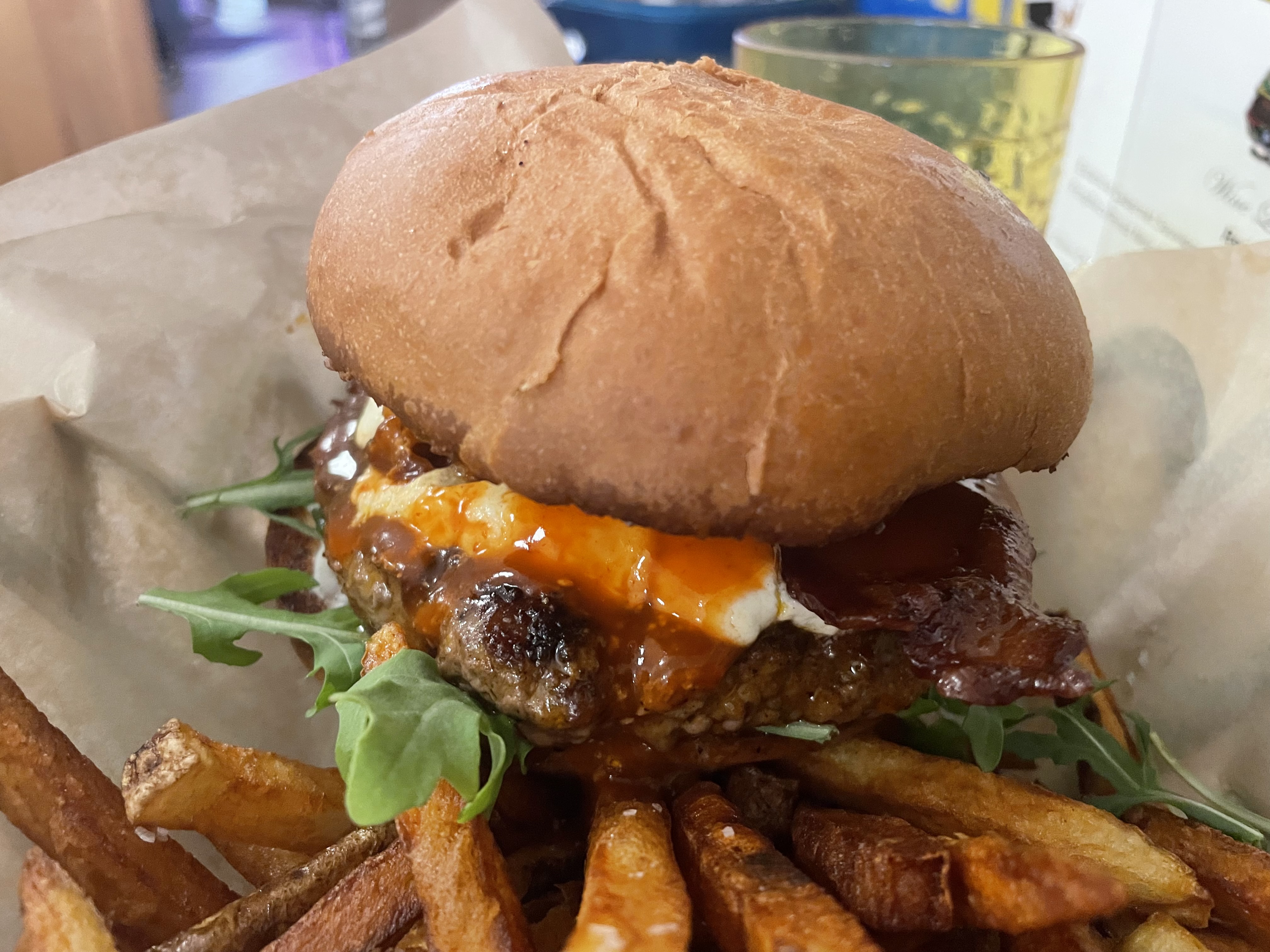
For dinner, I stopped at The Burger Dive. Many of their burgers have won national competitions. My burger had goat cheese, sriracha and garlic basil mayo but their most unusual one had huckleberry hatch chili barbeque sauce. Needless to say, it was delicious.
I then headed to my campground, a Kampground of America (KOA). KOA is a chain of private campgrounds and Billings just so happens to be the location of their very first one!
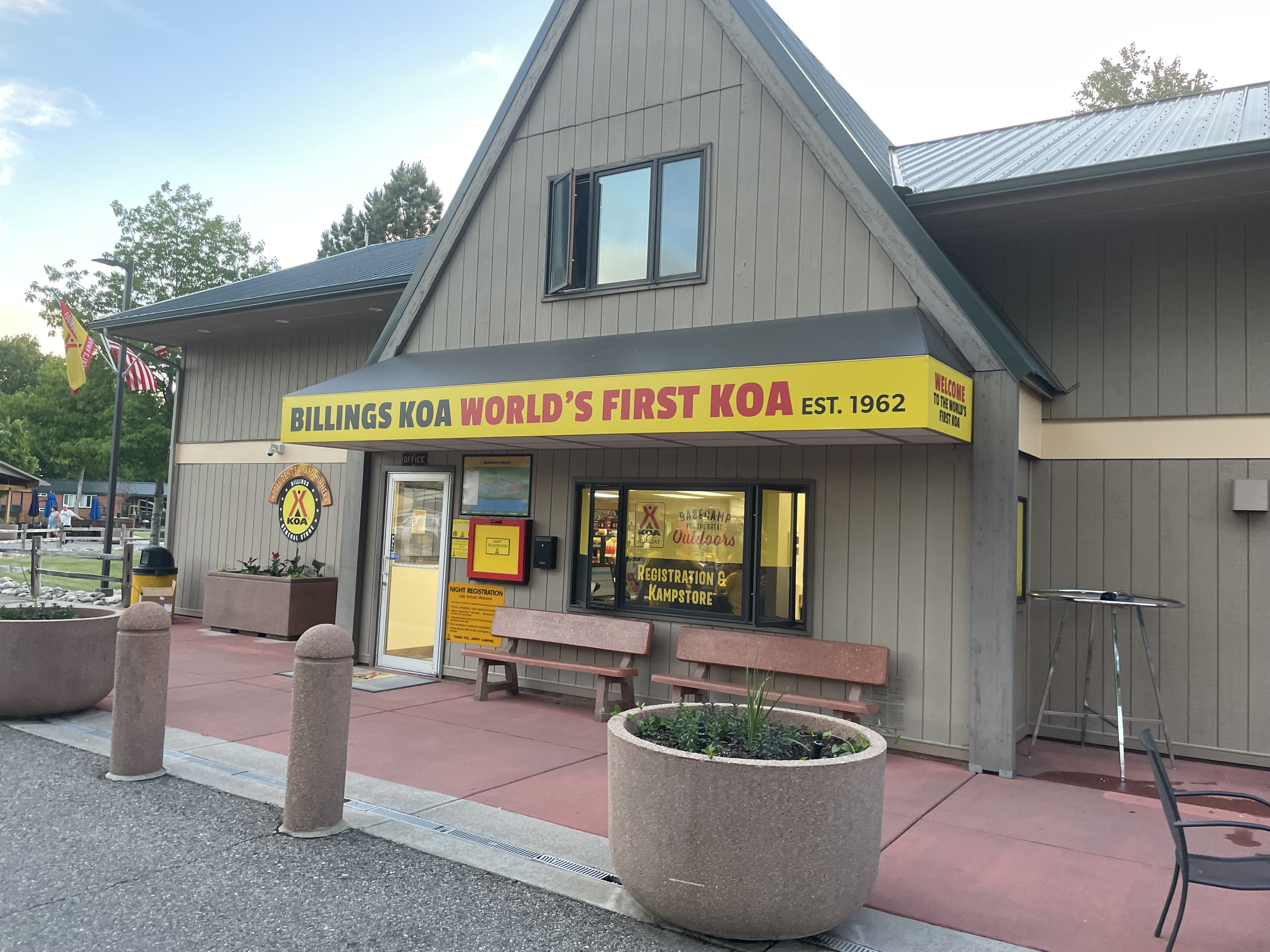
I always avoided KOAs because they are relatively expensive (one night here cost me $48 but I stayed there due to the prime location minutes from town and for the novelty of visiting the mothership.
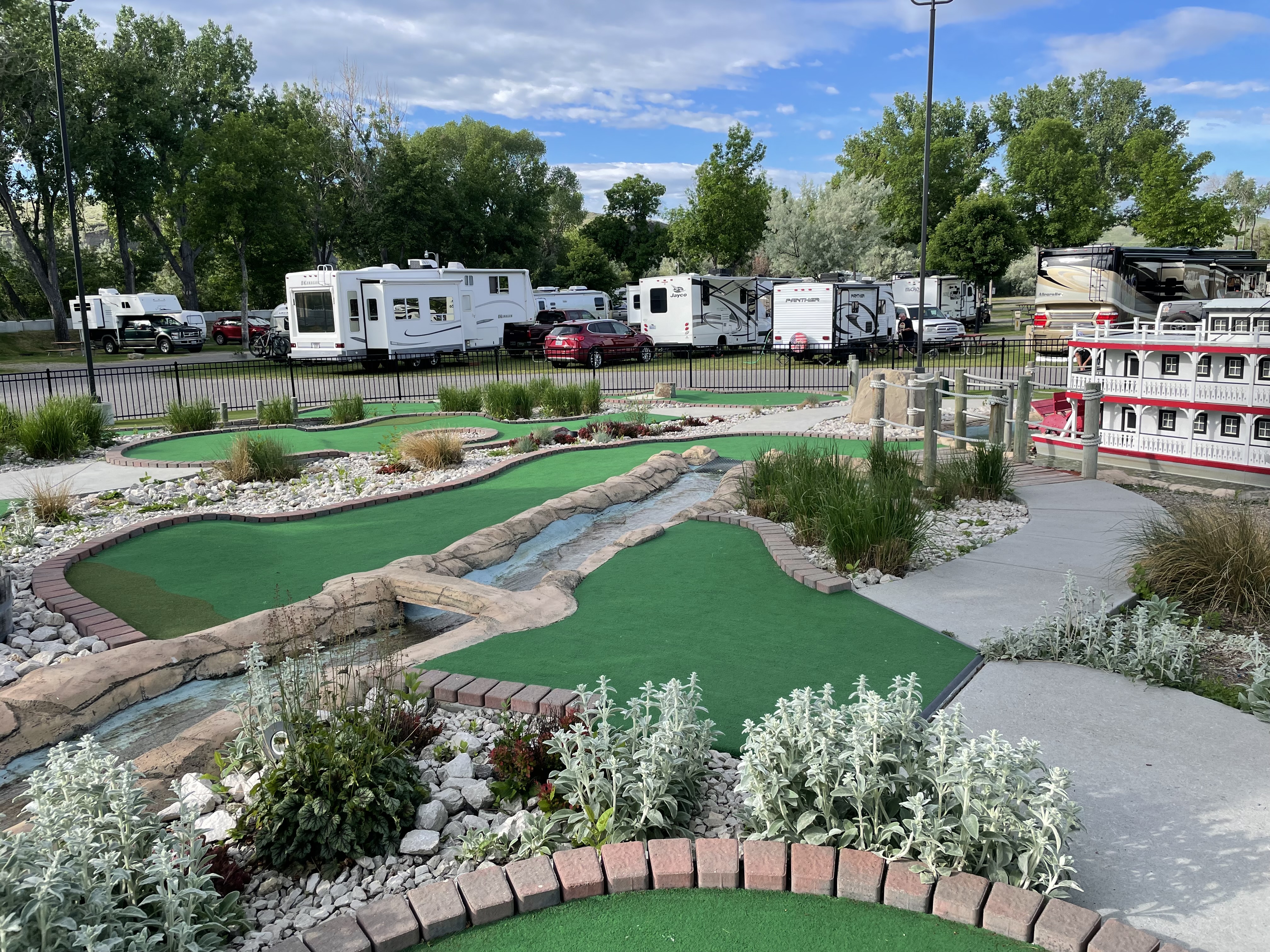
Compared to a normal campground, the actual tent pad was totally standard. However, the KOA has several amenities including clean bathrooms with showers, a general store, WIFI, a pool, and a minigolf course.
The sun set at 22:00 and I went to bed.
June 10, 2024: Double Bighorn
After waking up, I started my 900-mile road trip.
My first stop was Pompey’s Pillar. This rocky outcropping is home to the only physical remnant of the Lewis and Clark expedition. During the return journey in 1806, Lewis and Clark split up to maximize their exploration through what is now Montana. Clark, along with Sacajawea, journeyed down the Yellowstone River. When he saw the outcropping, he named it Pompey’s Pillar in honor of Sacajawea’s infant son. Then he carved his name into the cliff.
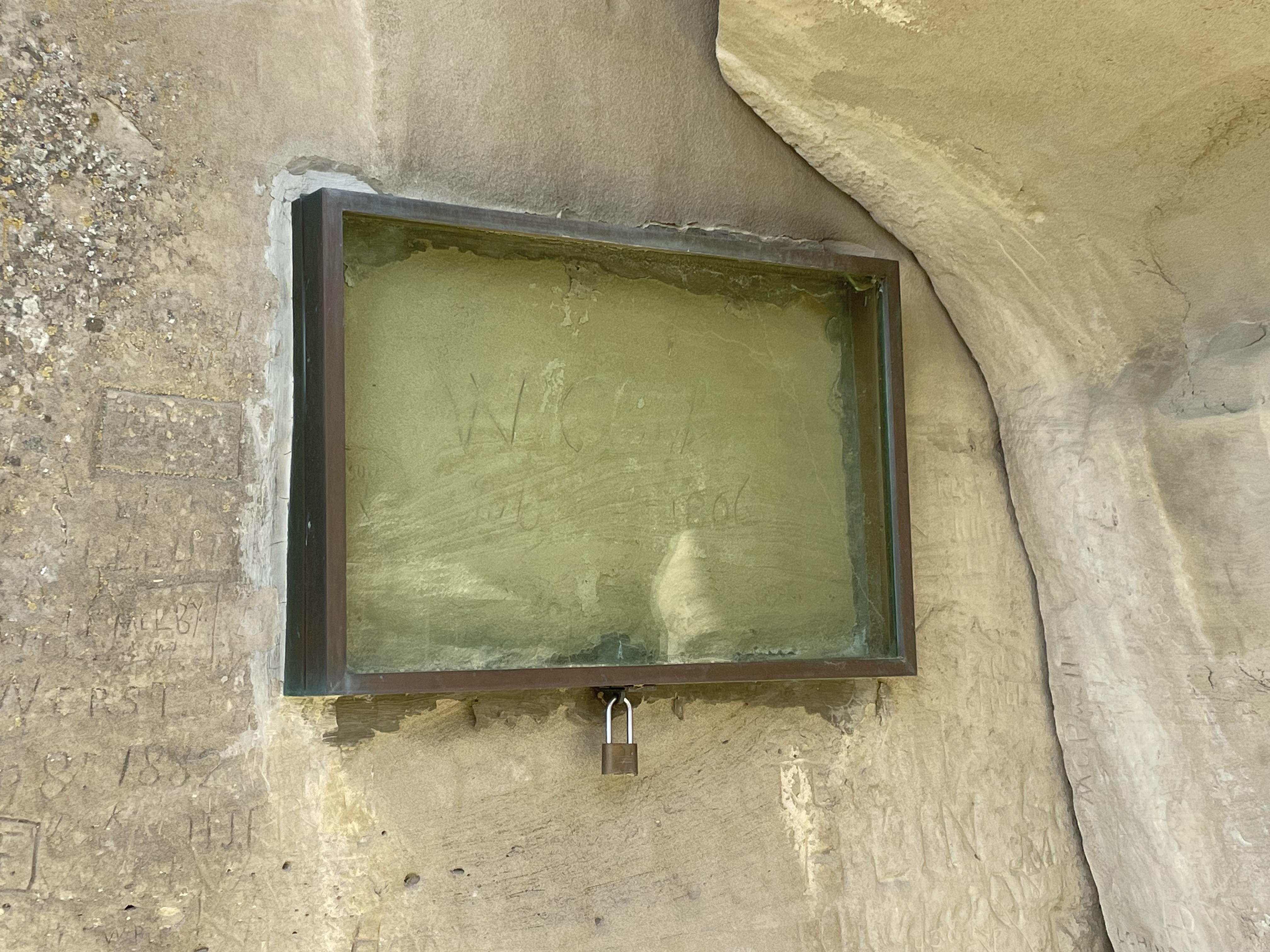
Over the years, especially in the late 1800’s, numerous others have carved their names into the cliffs as well. Today the park and the rock is very protected under constant human and video surveillance from the Bureau of Land Management. Clark’s graffiti is covered by protective glass. The visitor center, open seasonally, gives a great overview of the Lewis and Clark expedition and its significance.
Next, I drove an hour mostly along dirt roads to reach the site of the Battle of Little Bighorn. This group of hills was the site of the most famous battle in the Indian Wars, the successive 19th century conflicts between the newly formed United States and the Native tribes where the US attempted to subjugate and pacify the tribes.
By 1876, the tribes of the northern Great Plains had mostly been forced onto reservations. However, as historically nomadic people, they were unable to live their traditional way of life on a reservation.
A large group of Lakota, Northern Cheyenne and Arapaho had gathered on non-reservation land for the Sun Dance, one of the year’s most important religious ceremonies. The group included some of the most famous Native Americans of all time including Sitting Bull and Crazy Horse. Sitting Bull had a vision of “soldiers falling into his camp like grasshoppers from the sky”.
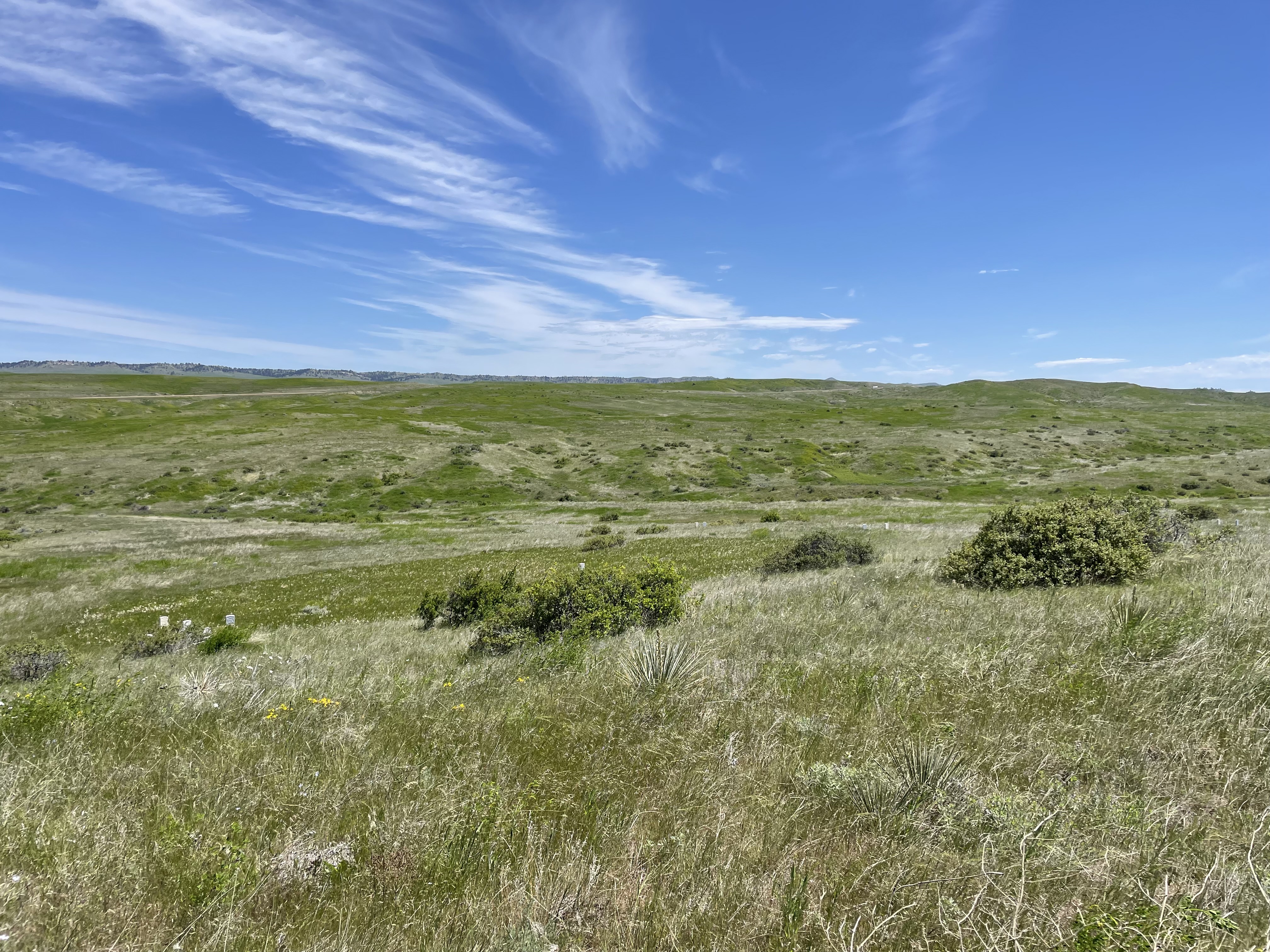
To push them back, the US government dispatched George Armstrong Custer, a decorated Civil War general. Custer and his 600 men (including members of the Crow tribe, archenemies of the Lakota-Cheyenne-Arapahoe alliance) approached the Indians from the south and the battle quickly ensued. Custer had better weapons, but he vastly underestimated the size of the Indian forces (he thought they were even, but he was outnumbered four to one). To make matters worse, Custer split his forces into three, making them even more vulnerable.
Over the next few hours, the Native warriors drove the US soldiers north along the hills picking them off. 268 US soldiers were killed. This was the only major US defeat during the Indian Wars.
Custer himself and every men in his five companies were killed on what is now known as Last Stand Hill. The moment, known as Custer’s Last Stand, became part of American folklore and Custer was seen as nobly standing up to the savage Indian (although many in the military saw him as a poor commander). Numerous things and places around America are named after him including six counties and eight towns.
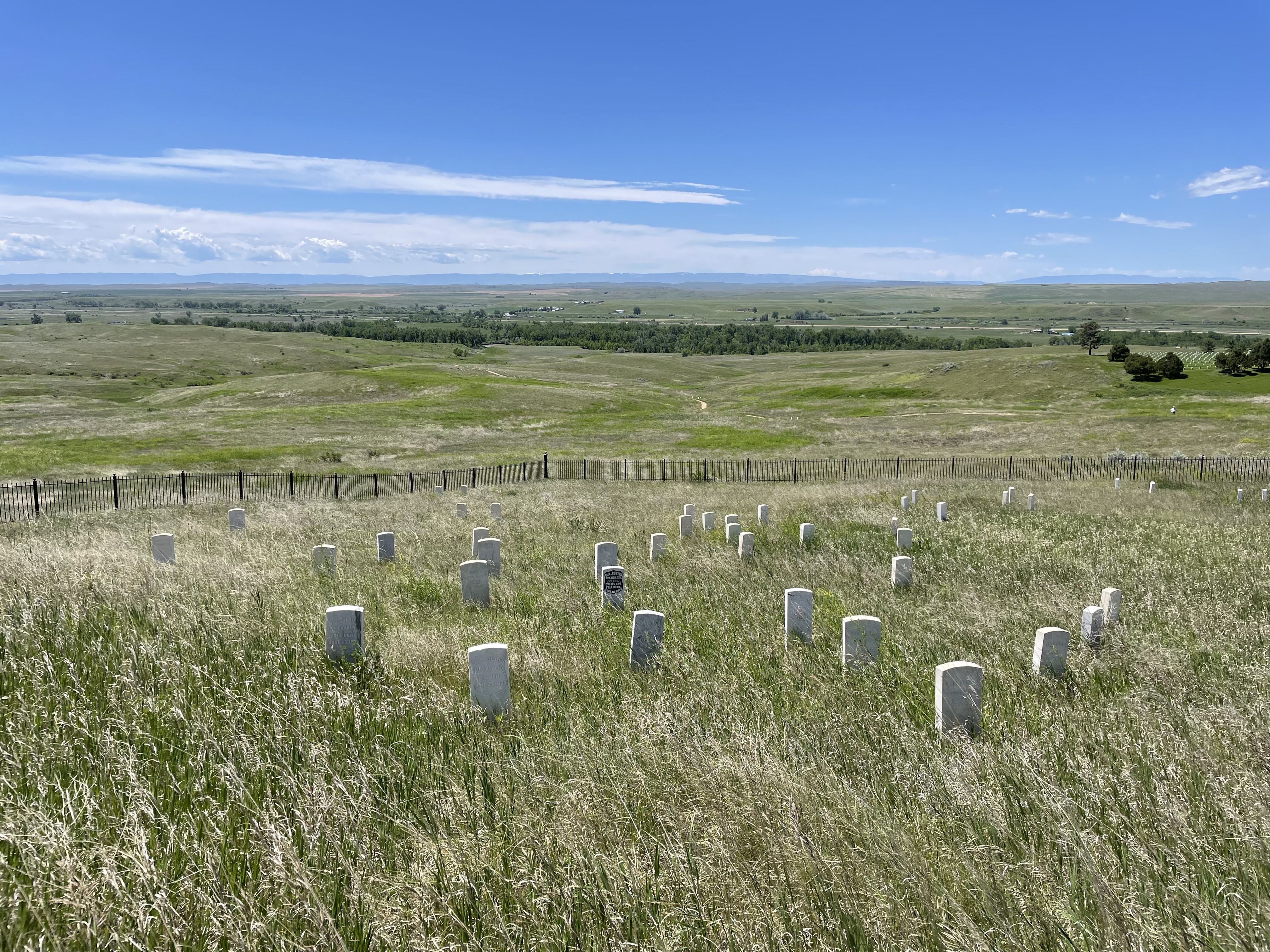
For decades, this was the narrative. However, over the past 40 years, the public and the US government has become more sympathetic to the Natives. They are now seen as nobly defending their homeland and way of life. In the 1990’s, more than a century after the battle, a Native Memorial was finally constructed.
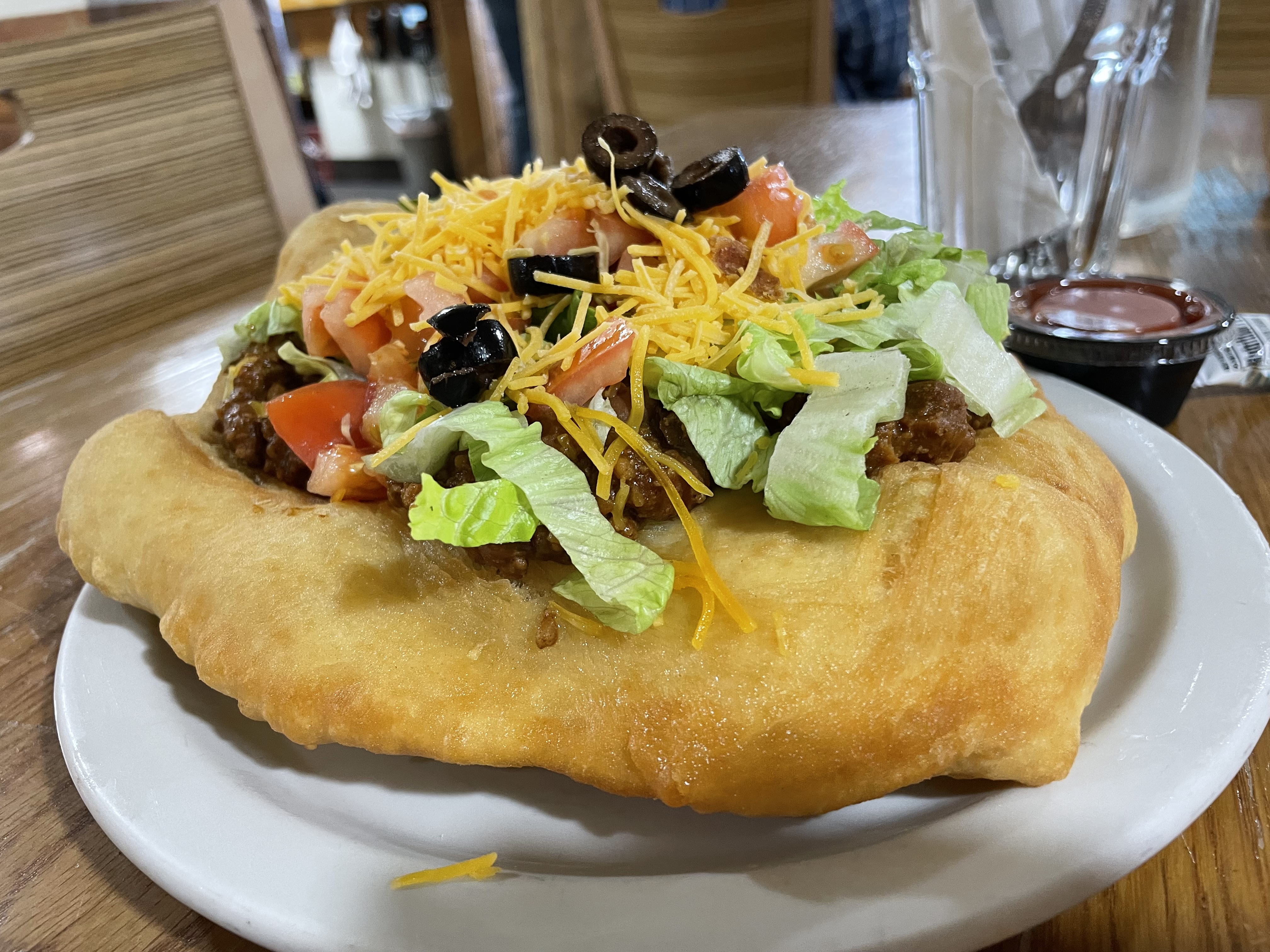
The battlefield is owned by the National Park Service, but it is surrounded by the reservation of the Crow tribe. They operate a café across the street from the battlefield entrance. I got a frybread Indian taco lunch.
My next stop was the Bighorn Canyon National Recreation Area. The site has two visitor centers, one 45 minutes away from Little Bighorn and another 2.5 hours away in Wyoming. Unfortunately for me, the Montana visitor center was closed for the entirety of 2024 due to staffing shortages. Therefore, I had to drive to Wyoming to get the coveted stamp.
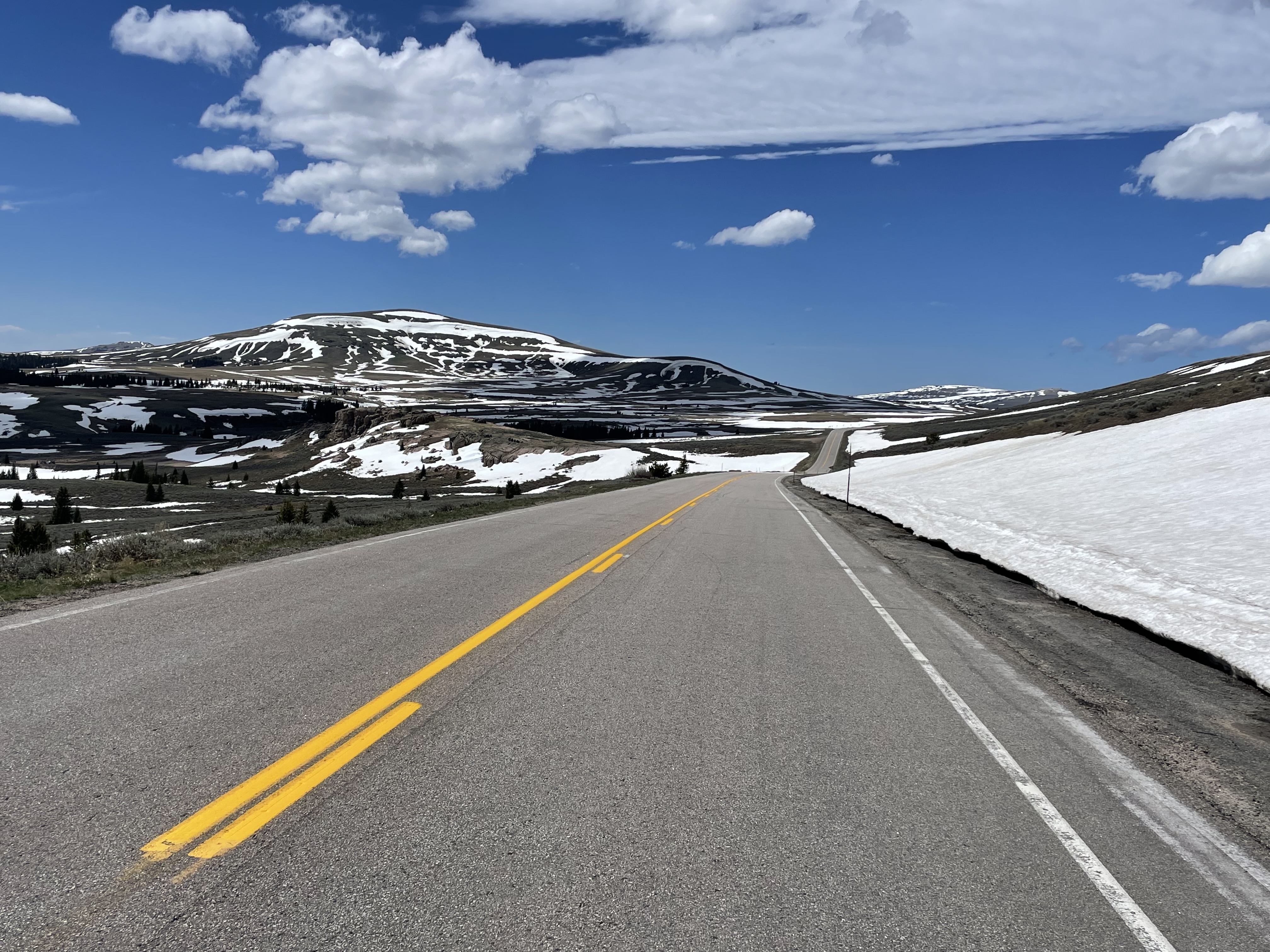
The drive took me south over the Wyoming border near Sheridan. I then cut west along US-14 over the Bighorn Mountains. These mountains, which I visited on my 2013 cross-country road trip, once again shocked me with their height and beauty.
On the western side of the mountains, I finally made my way to the town of Lovell where I reached the visitor center with 45 minutes to spare.
When inquiring about places to camp, I was told about a public town campground. I scoped it out and set up my tent for free.
I then drove north into the park crossing once again into Montana. Just over the border, I stopped at the Devil’s Canyon Overlook, the park’s top site. The view looked just like Arizona’s Horseshoe Bend.
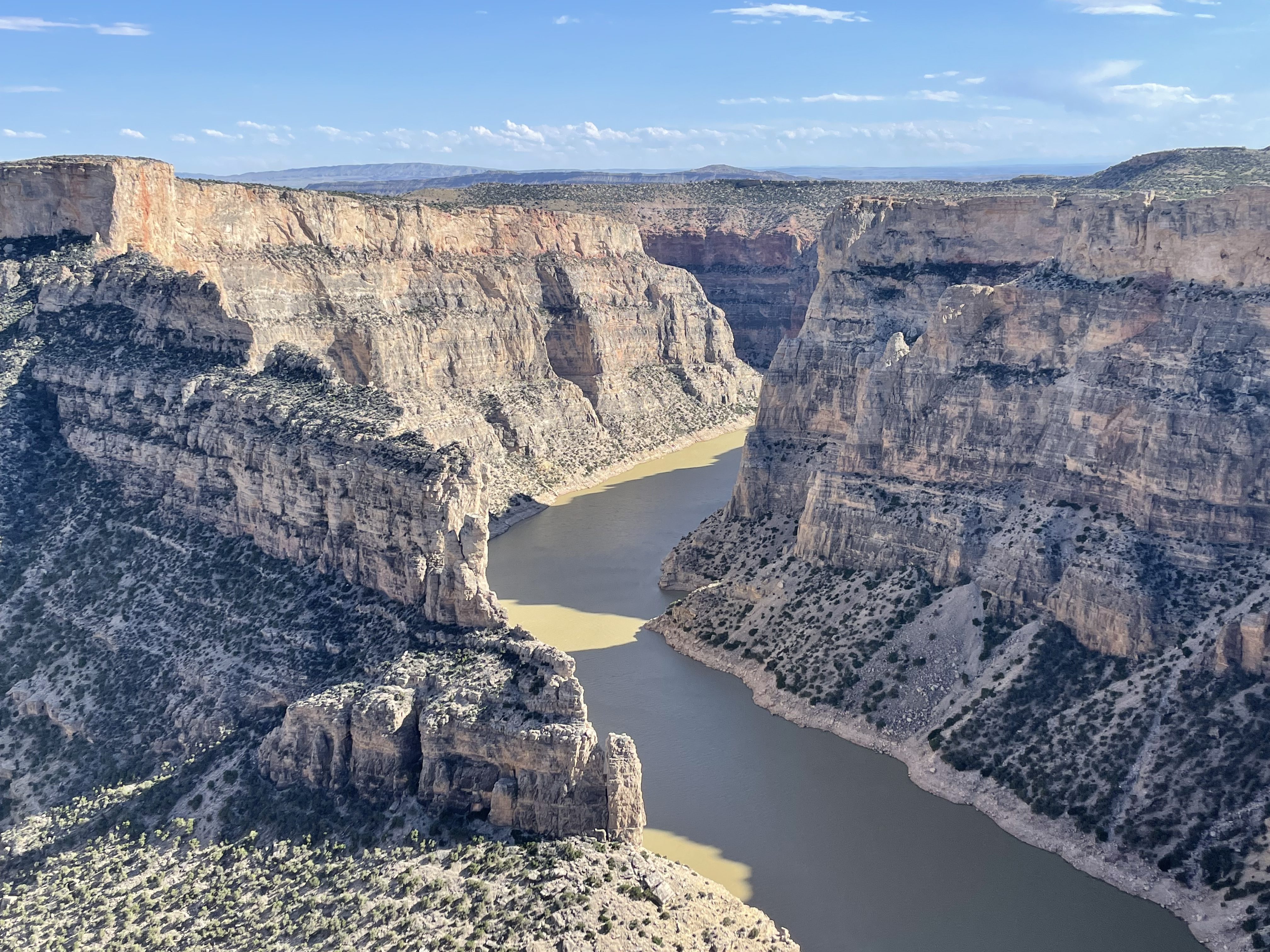
Next, I did a short hike to another nearby viewpoint. Because the canyon is in the rain shadow of the Rockies and Yellowstone, the landscape is dry and feels very Southwestern. There are even cacti – who would have known?!?!
The park also has a few historic ranches, but they were not in great shape and were not worth visiting. I then visited the northern terminus of the park road at a boat launch into the Bighorn River.
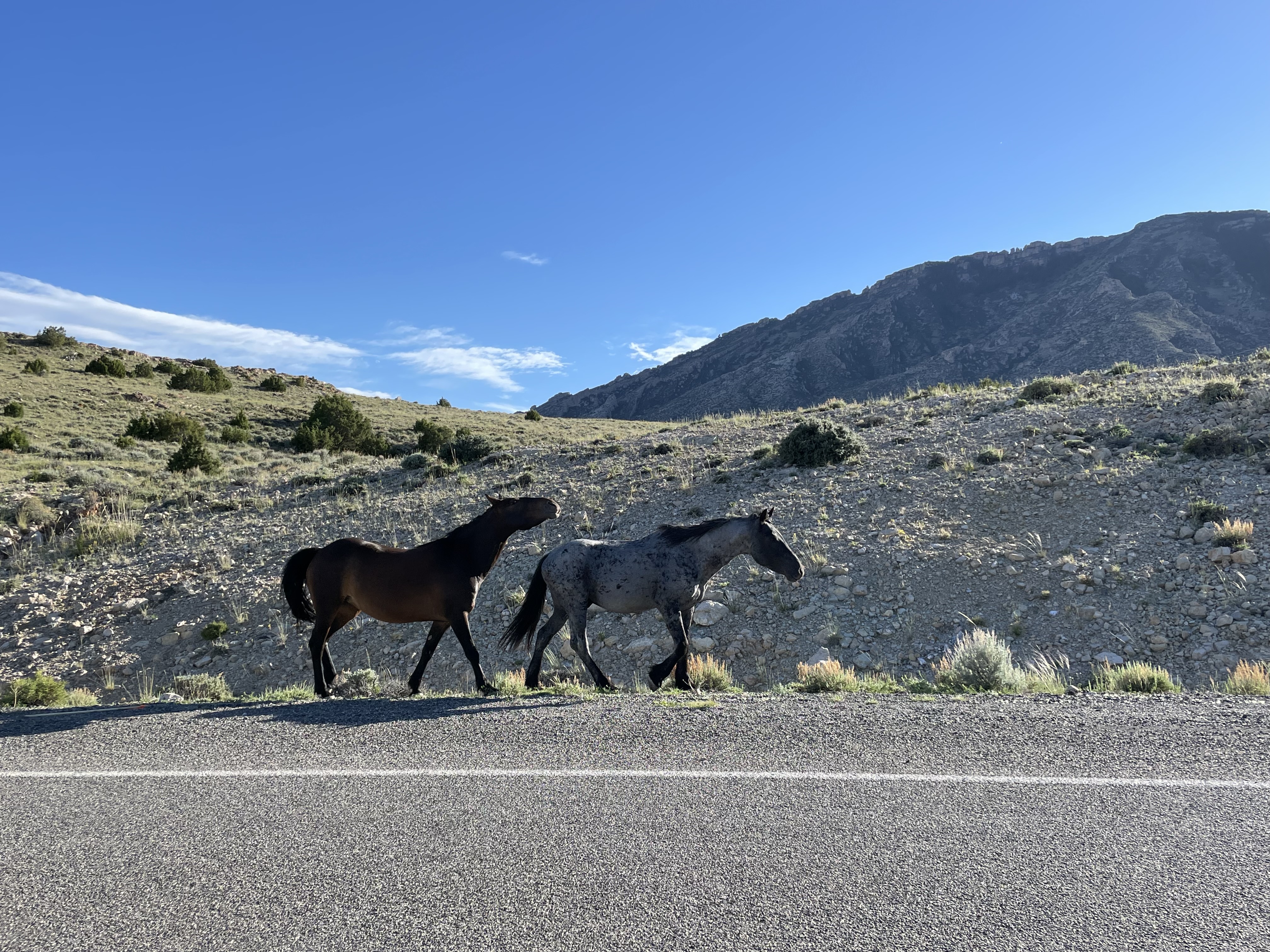
Back in Lovell, I noticed that my tent had blown away but luckily was caught on the campsite’s grill. Whew!
For dinner, I headed to the Shoshone Bar, a local institution dive bar. The owner/bartender made me a burger with Bloody Mary seasoning. It was delicious!
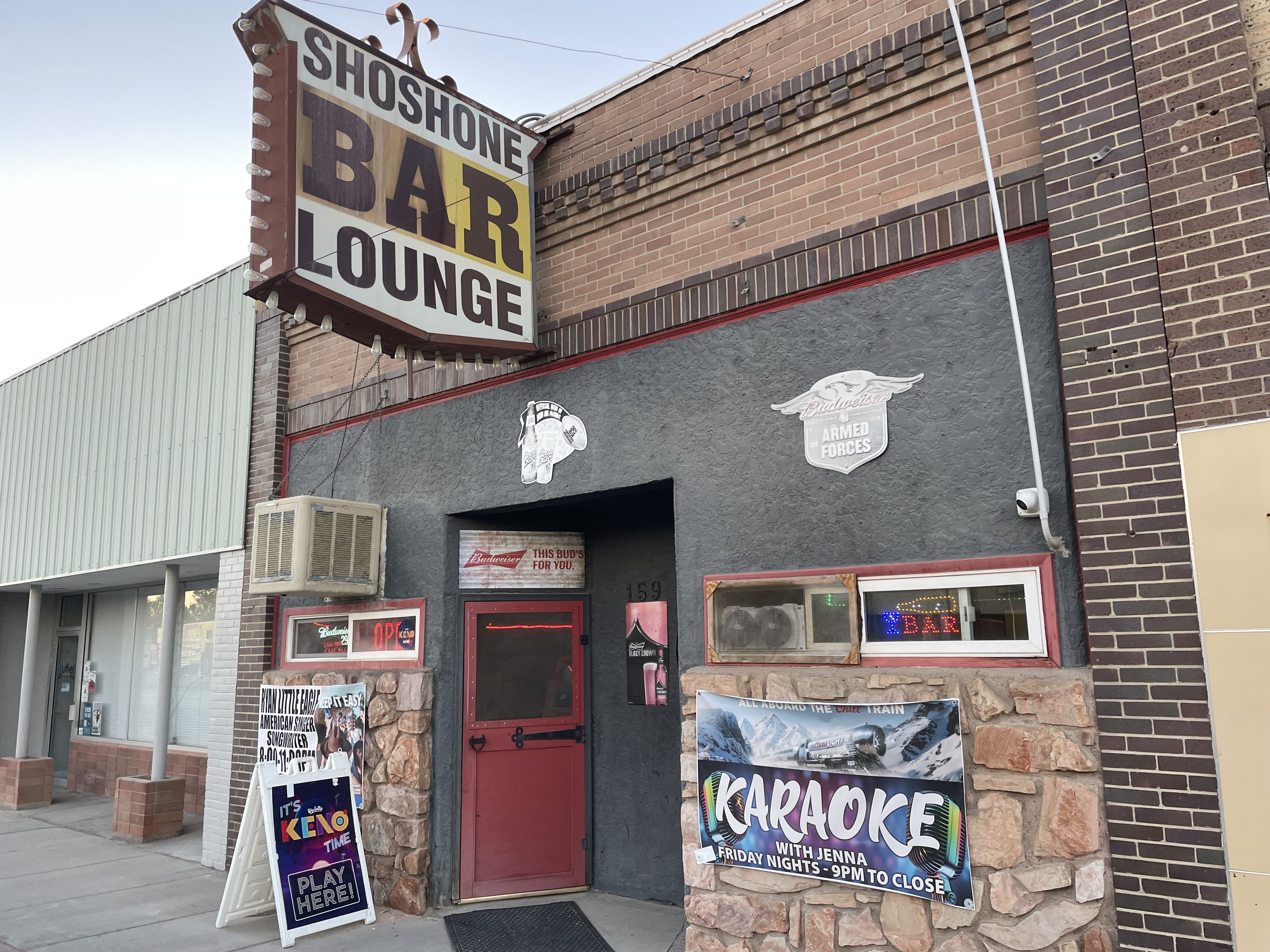
I also got to chat with a local beekeeper who had a long beard. He told me the long history of the bar. After a while, a digital nomad from Charlotte walked in and we ended up playing two games of pool. Overall, a stellar experience.
I then went to bed and rested up for my journey into Yellowstone along the Beartooth Highway.
June 12, 2024: Back to Billings
After traversing the Beartooth Highway and visiting Yellowstone, I returned to Billings for a few hours before my flight home.
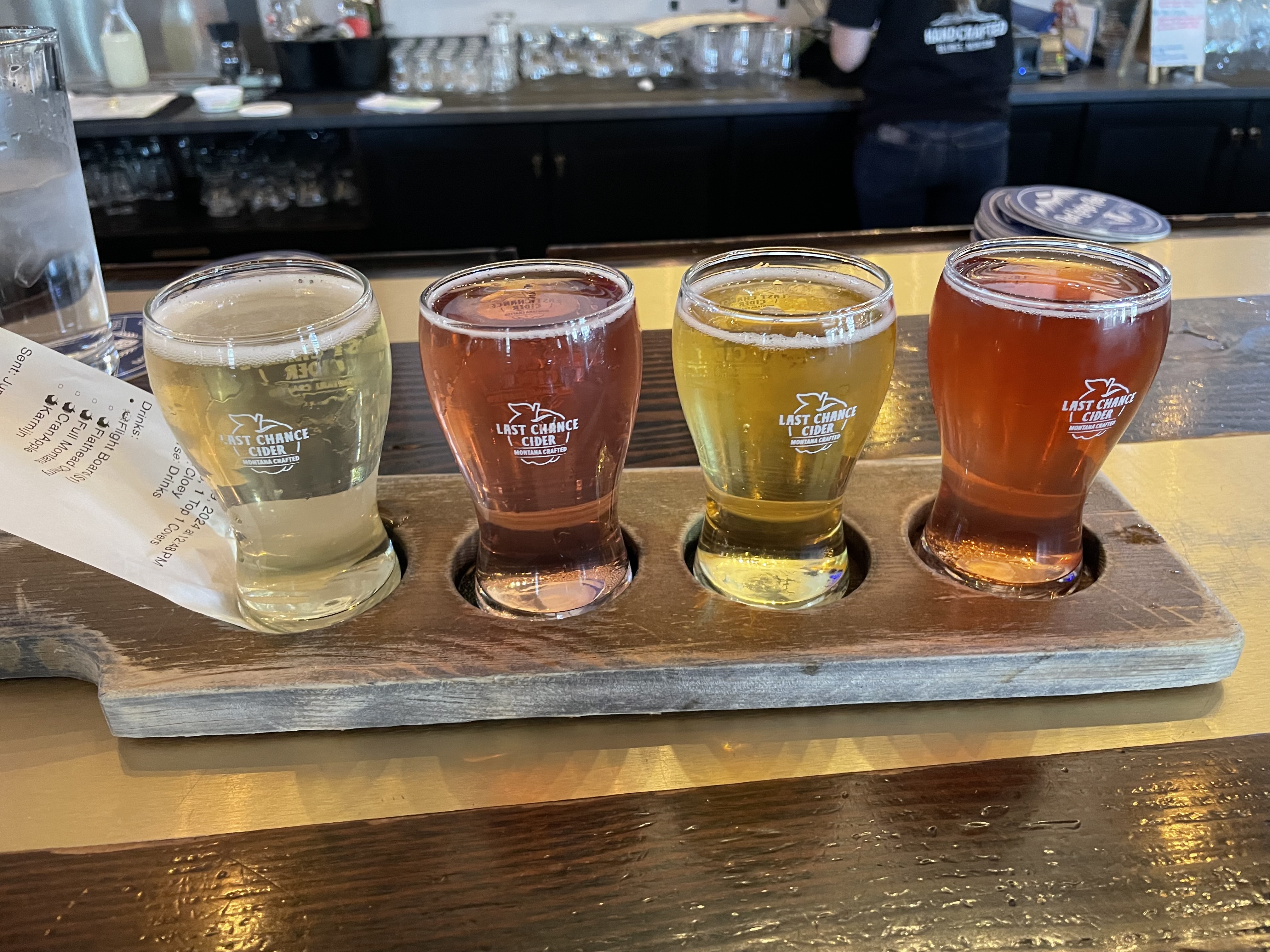
My first stop was lunch at the Last Chance Cider Mill. Billings has six breweries and a cidery downtown and advertises it as the “Billings Brew Trail”. I had a flight of four ciders and a spectacular salad. This place is way better than the average brewpub.
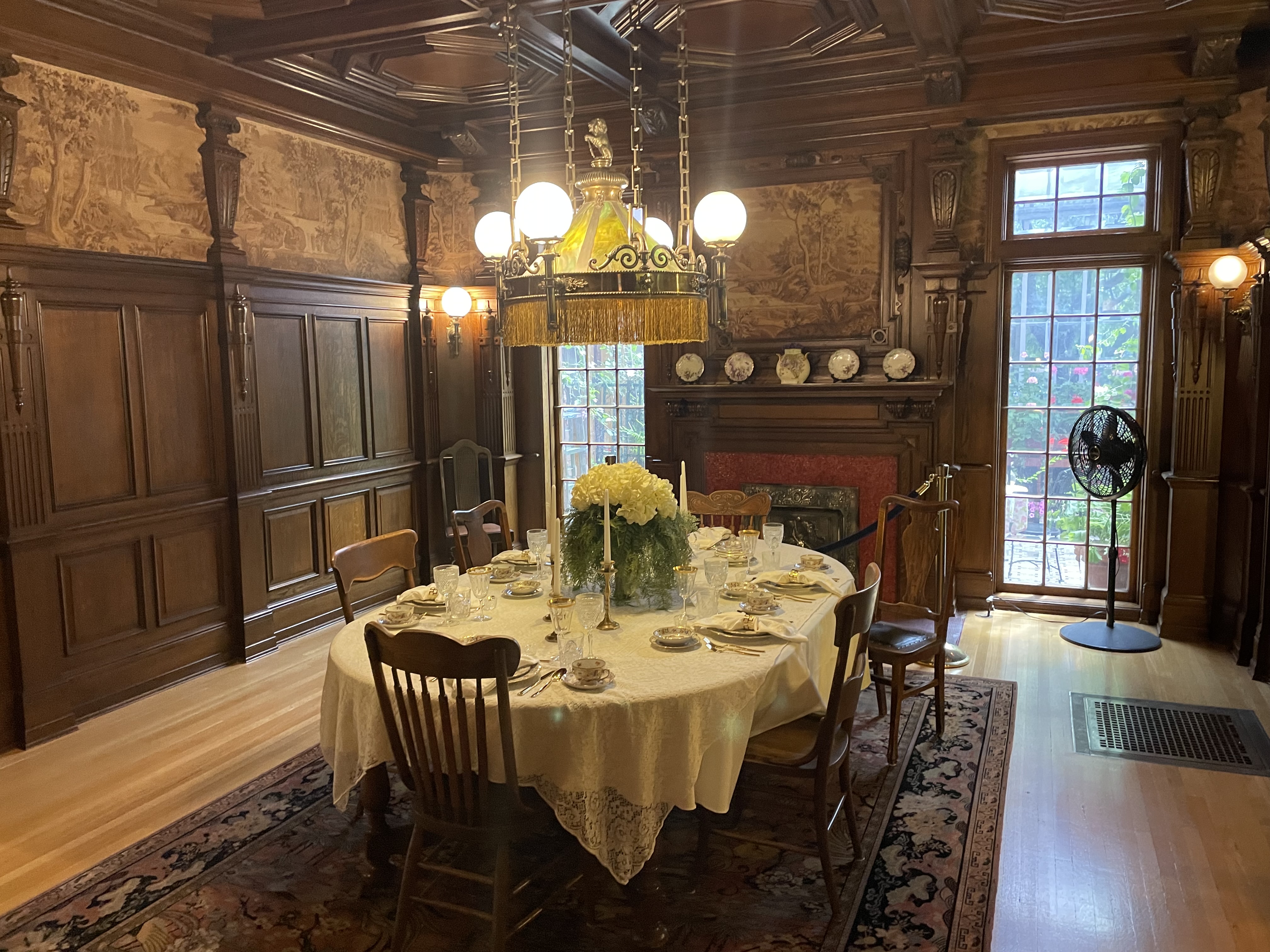
Next, I visited the Moss Mansion. This historic home was built by Preston Boyd Moss in 1903. Moss owned a bank, a few lumberyards in town, the newspaper and the main utility company. So basically, he owned Billings. The house was built at the cost of $105,000, more than 20 times the cost of a normal (furnished) home at the time and was designed by Henry Janeway Hardenbergh who also designed many iconic NYC buildings such as the Plaza, Waldorf-Astoria and Dakota.
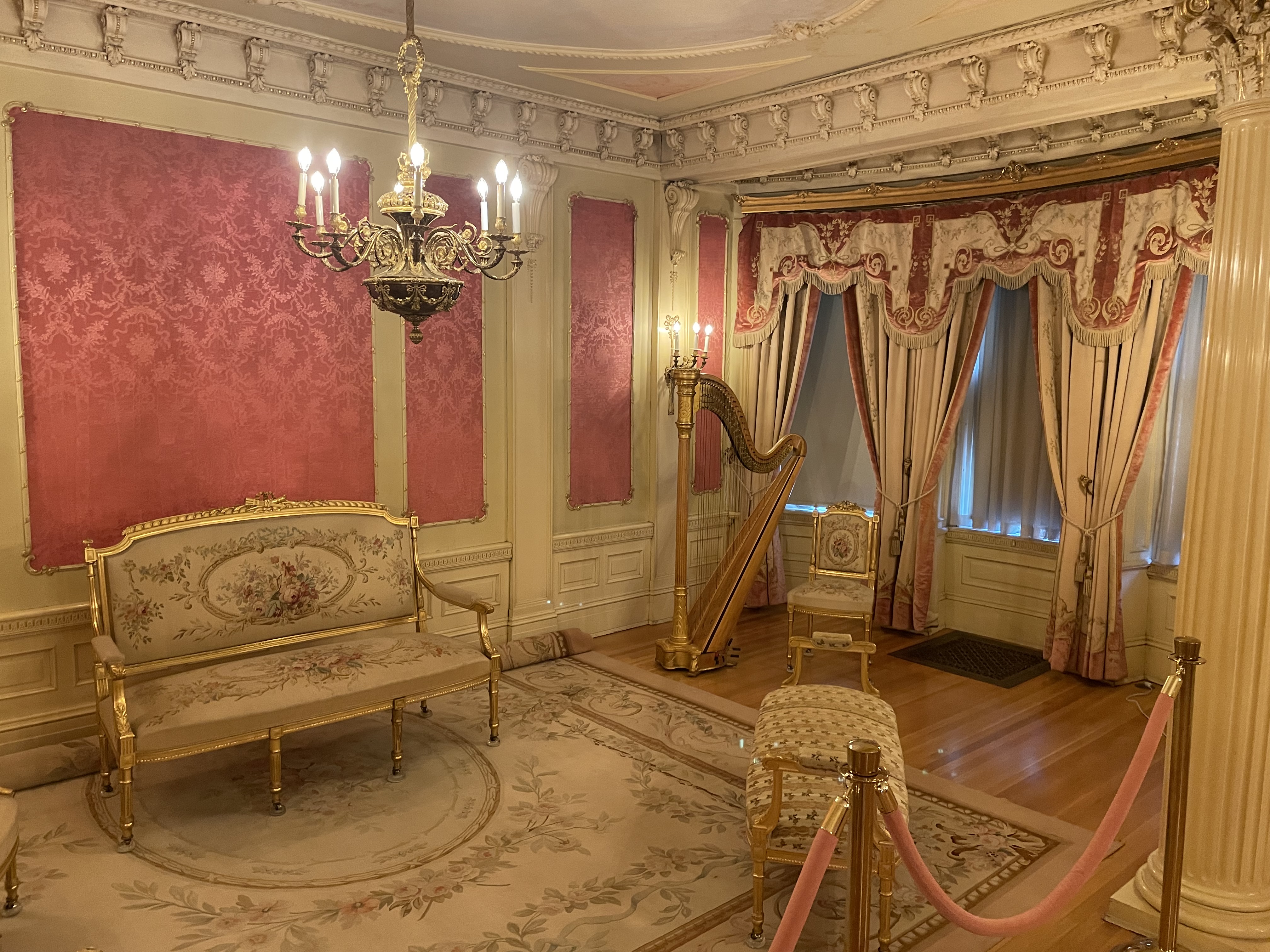
Inside, each room in the house was designed to be a different style. The entry room was Moorish. The parlor was Baroque. They even had an Arts and Crafts style room (the style was popular in its day, but once it became uncool, most people redecorated). The most impressive feature was a secret button underneath the dining table that could summon servants.
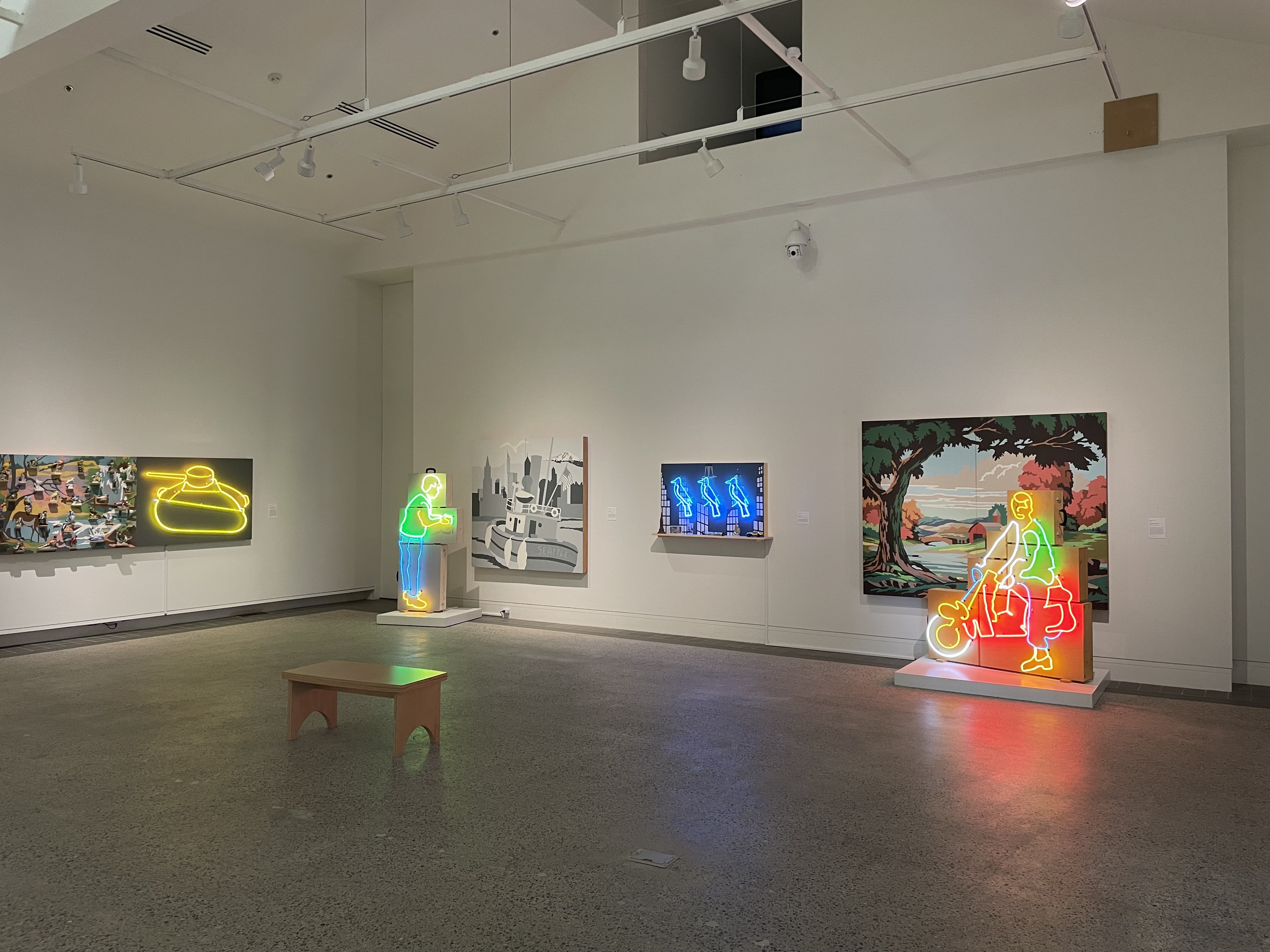
My next stop was the Yellowstone Art Museum. Billings is located in Yellowstone County and is located on the Yellowstone River. The museum was free and a nice amenity for the town, but isn’t worth spending more than 20-30 minutes in.
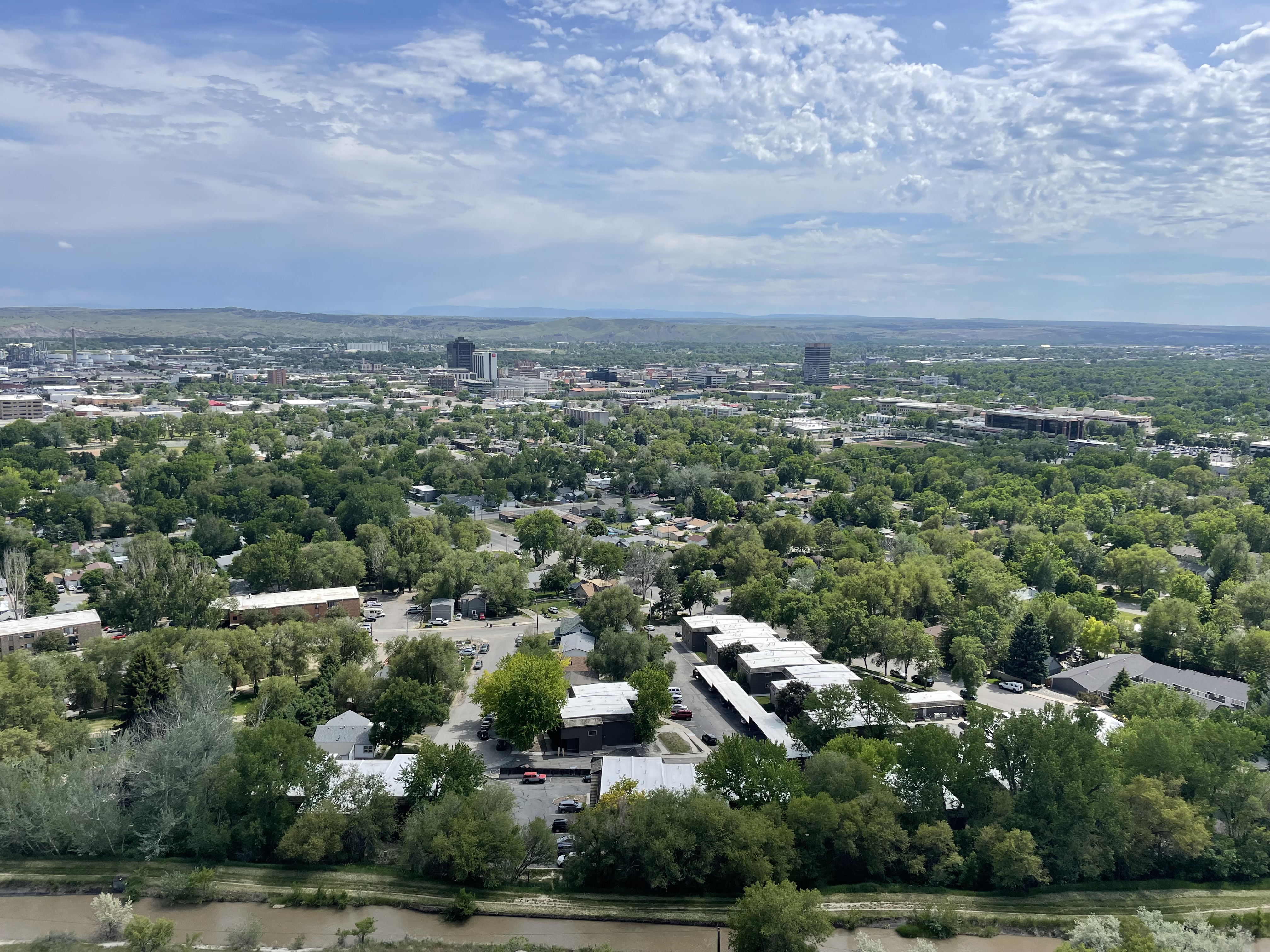
For my final stop, I drove up the hill to visit the Rimrock, the sandstone bluffs overlooking the town. There are numerous lookouts over Billings and trails along the cliff, but not much to “do” per se.
It was then time to head to the airport to fly home.
Final Thoughts:
Billings is an excellent gateway to Yellowstone via the Beartooth Highway and can entertain for a half-day but does have much to excite the average tourist besides good food. Little Bighorn is the most popular site in the region and is a good 90-minute stop along the interstate but is not alone worth the trip.
That said, if you appreciate offbeat attractions and real Western culture, then there is a lot to see here with few people. Wyoming’s Bighorn Mountains in particular are as beautiful as anywhere but without any crowds.
Leave a Reply