
Why Asuncion:
I was invited to a wedding in Buenos Aires, Argentina. Having spent a considerable amount of time there, I wanted to visit somewhere else in the region instead. I soon realized that I could fly into Asuncion, Paraguay and out from Buenos Aires for the same price as the roundtrip flight. This would allow me to do a one-way journey from Asuncion to Ciudad del Este and the Iguazu Falls region before catching a domestic flight to Buenos Aires for the wedding.
I have dreamed of this itinerary for a long time because I always felt like it would be a letdown to visit Iguazu Falls and not visit Paraguay which is right there. Additionally, it would feel wrong to only visit Ciudad del Este and not see the rest of the country.
Asuncion is the capital of Paraguay and home to the country’s sole international airport. Paraguay honestly isn’t known for much and most travel guidebooks say Asuncion isn’t the most interesting place in the country. But due to the logistics, Asuncion it would be.
Sunday November 9, 2025: Guarani
My Copa Airlines flight from Panama City arrived just after midnight at Silvio Pettirossi International Airport. Immigration was quick and I was soon stamped in to my 98th country!
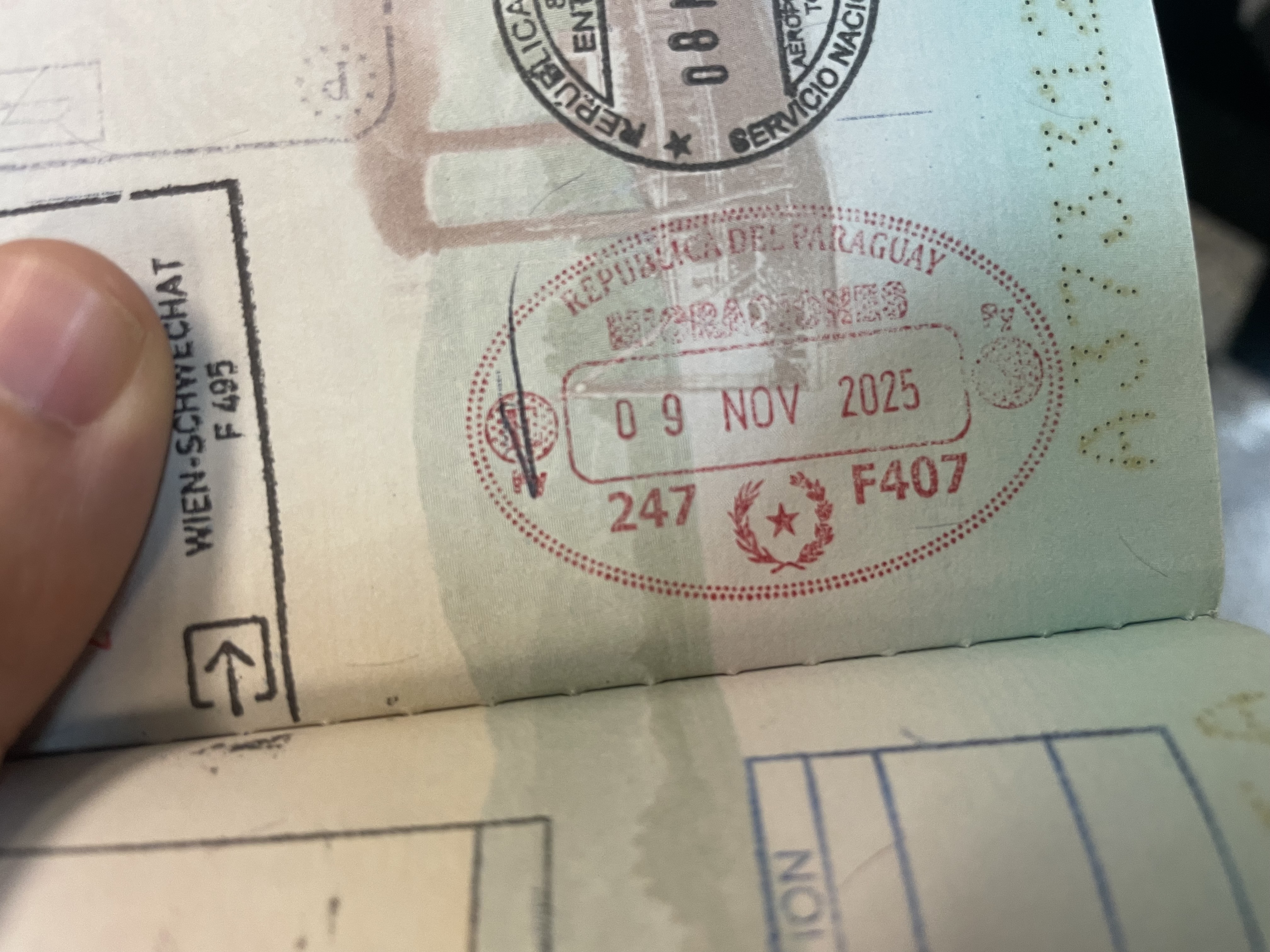
I exchanged money and caught an Uber to my hostel. The 30 minutes ride cost just $8 USD. I checked in a 1:30 and went to sleep.
That morning, I woke up and decided to explore the city center.
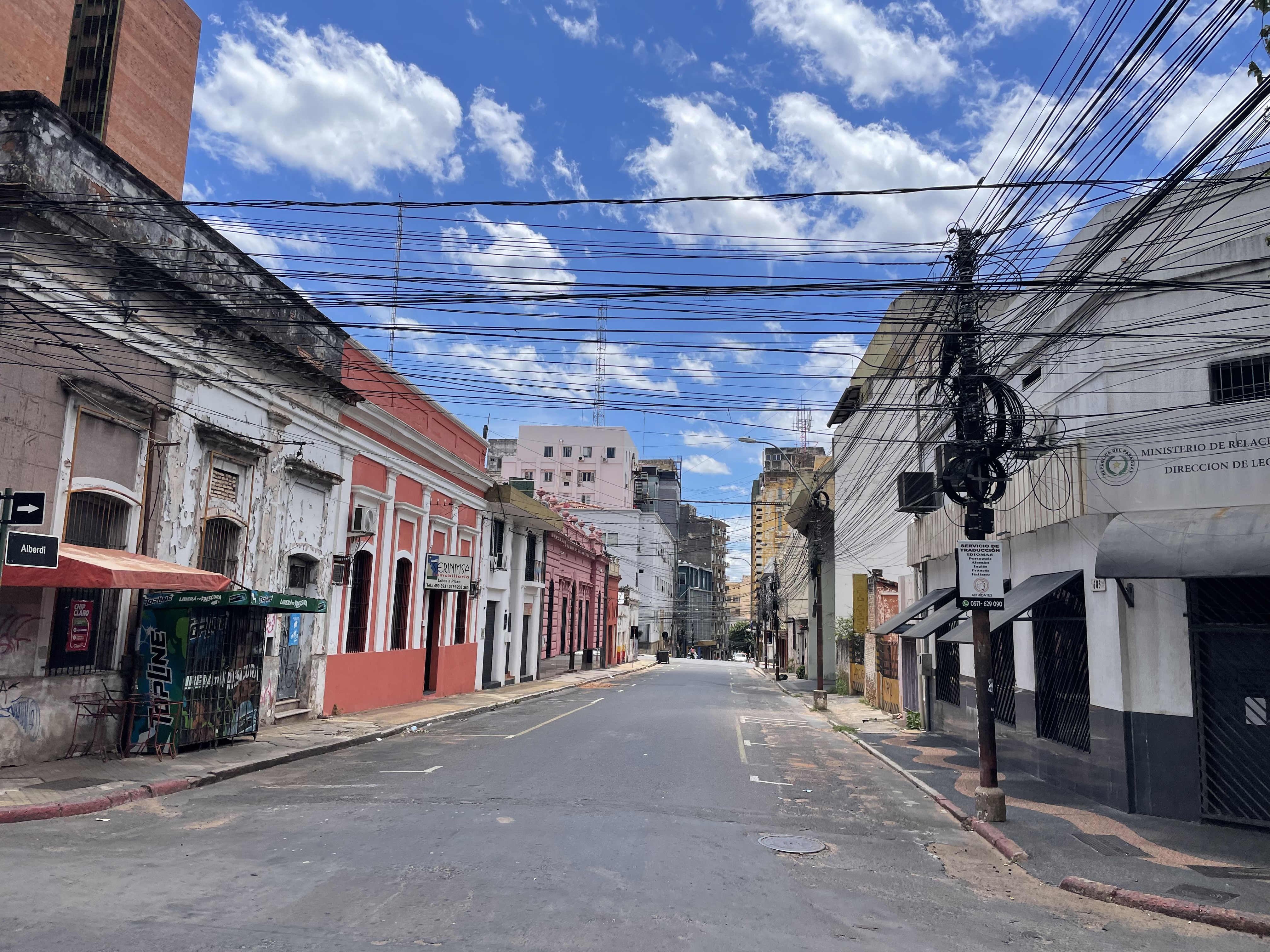
Not sure if it was because it was Sunday or because the money/business moved to the outskirts, but the city center was run down, dirty and empty. Despite all this, I strangely felt safe.
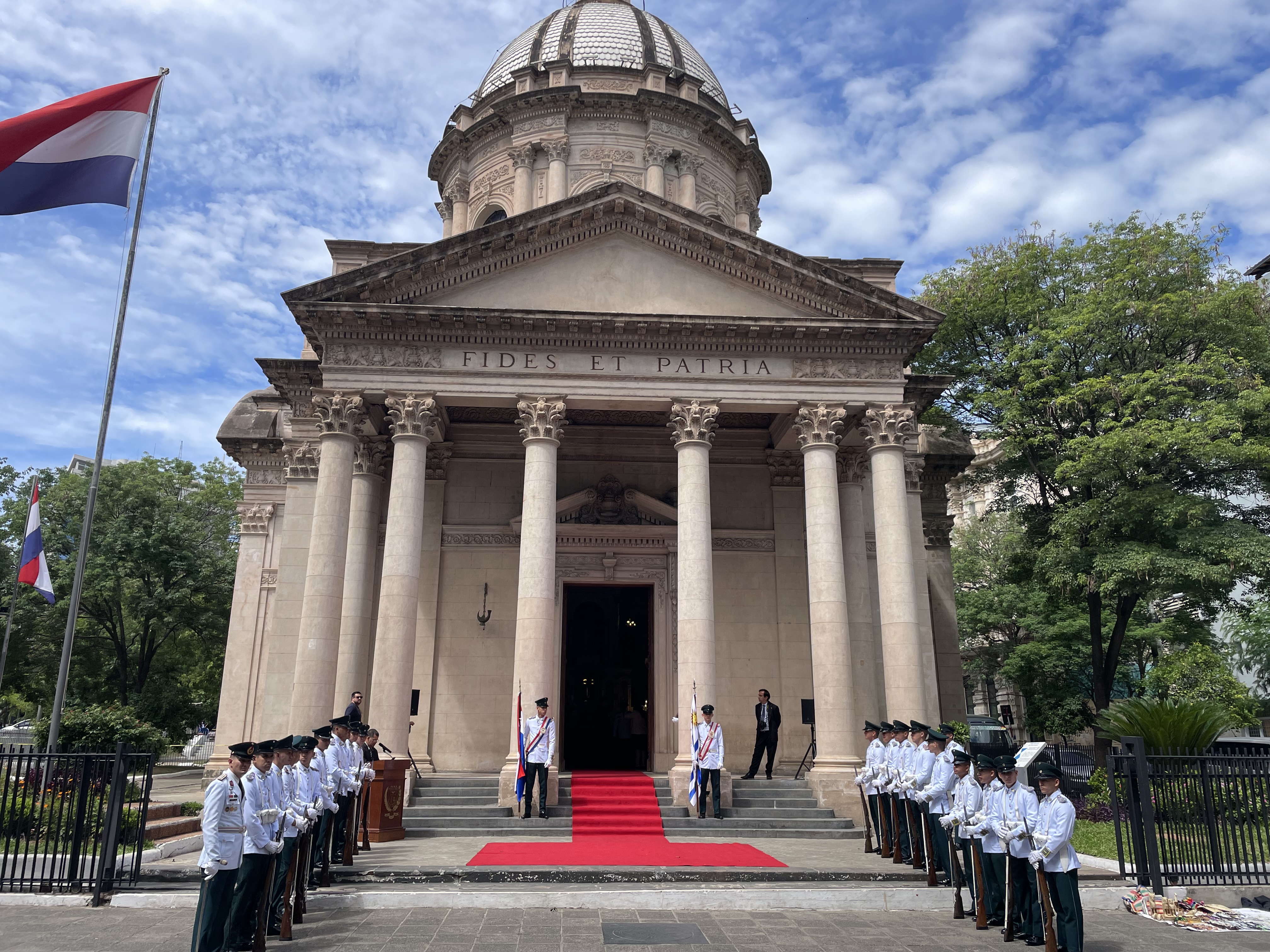
My first stop was the Pantheon of National Heroes. This marble mausoleum contains the remains of all the national heroes of the country. Every founder and iconic general is here in a pit in the center. The Pantheon is the most notable attraction in the center and thus is a place for Paraguayans to gather during major events to showcase their national pride. Additionally, newly appointed ambassadors to Paraguay will lay a wreath here immediately after presenting their credentials to the President.
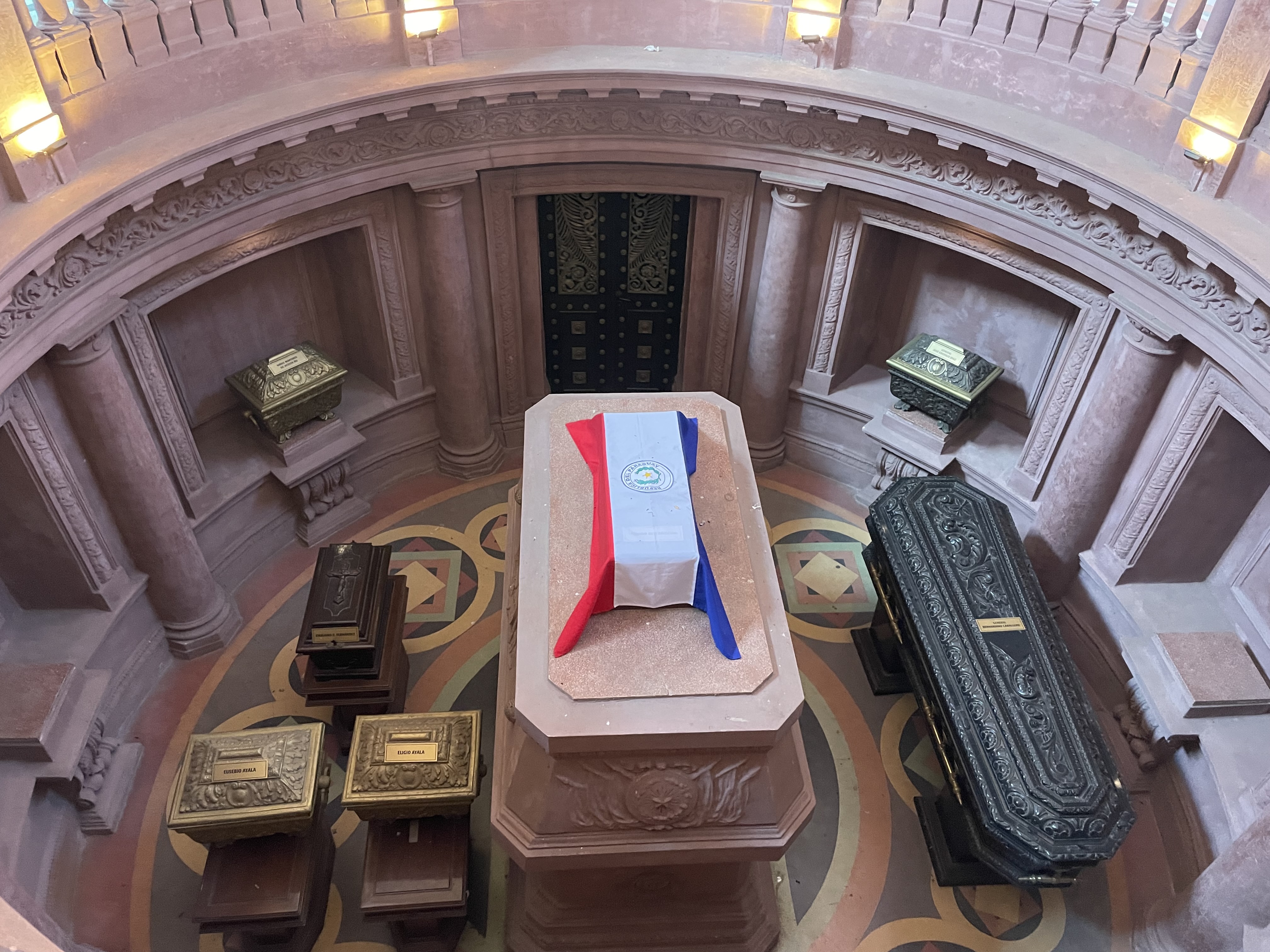
Paraguay’s history is largely defined by two wars. The first war is the War of the Triple Alliance which took place in the 1860’s. Paraguay fought Argentina, Brazil and Uruguay at the same time. As you can probably guess, this did not go well for Paraguay: 90% of the men in Paraguay died and it was forced to cede all of its disputed territory. More on this later.
The other war was the Chaco War which took place in the 1930’s. Paraguay fought Bolivia over the Chaco, a largely uninhabited lowland region that makes up the entire western half of the country that is thought to contain a lot of oil. Paraguay won this war although ironically, the oil has not been extracted, and the land is largely uninhabited. Of Paraguay’s 7 million citizens, only 100,000 live in the western 60% of the country’s land.
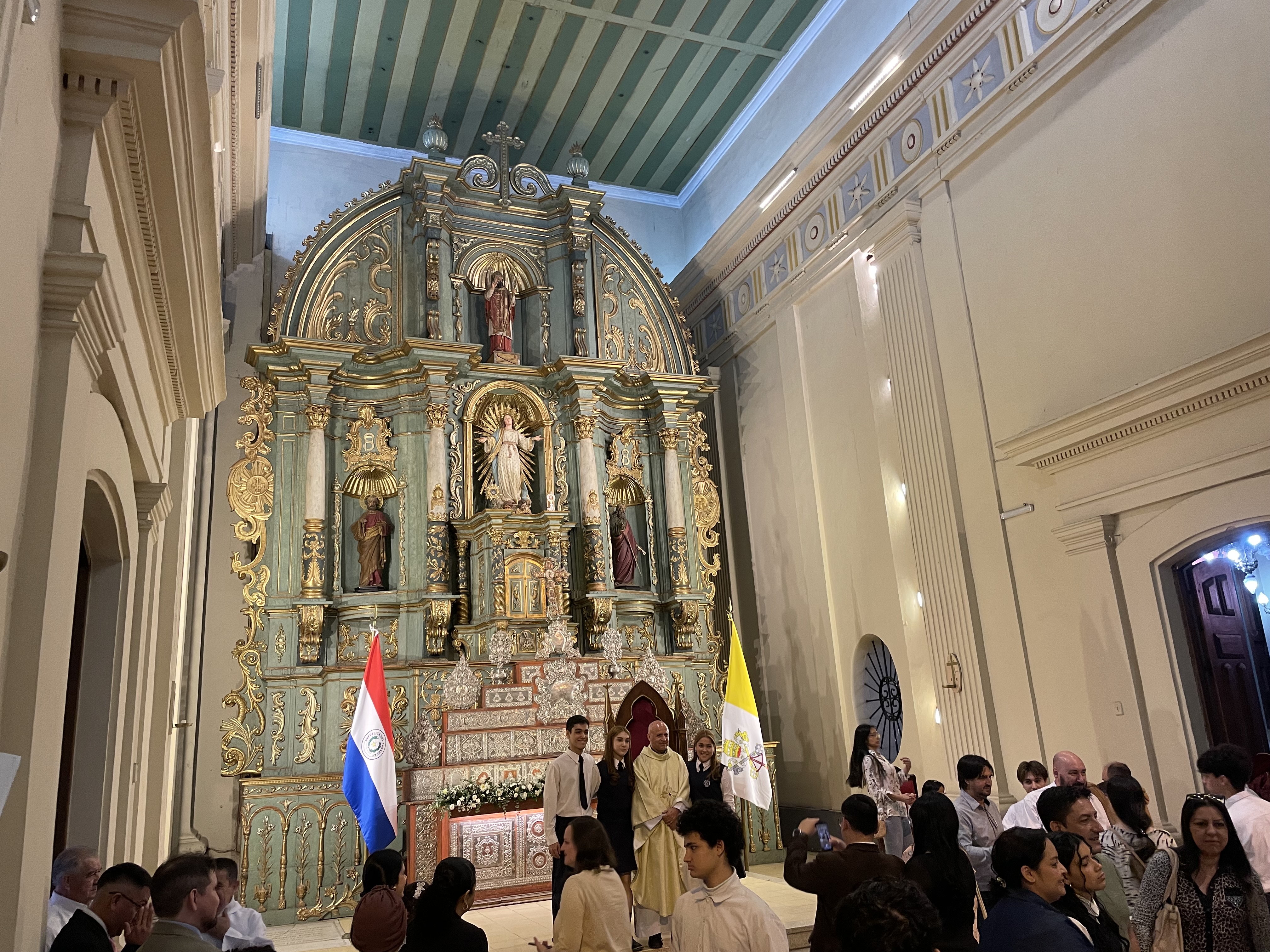
My second stop was the Cathedral. It wasn’t a very nice cathedral. There happened to be a lot of people here celebrating the graduation from the cathedral’s school. About 80 middle-school aged children were lining up to take a photo with the priest who appears to be the head of the school.
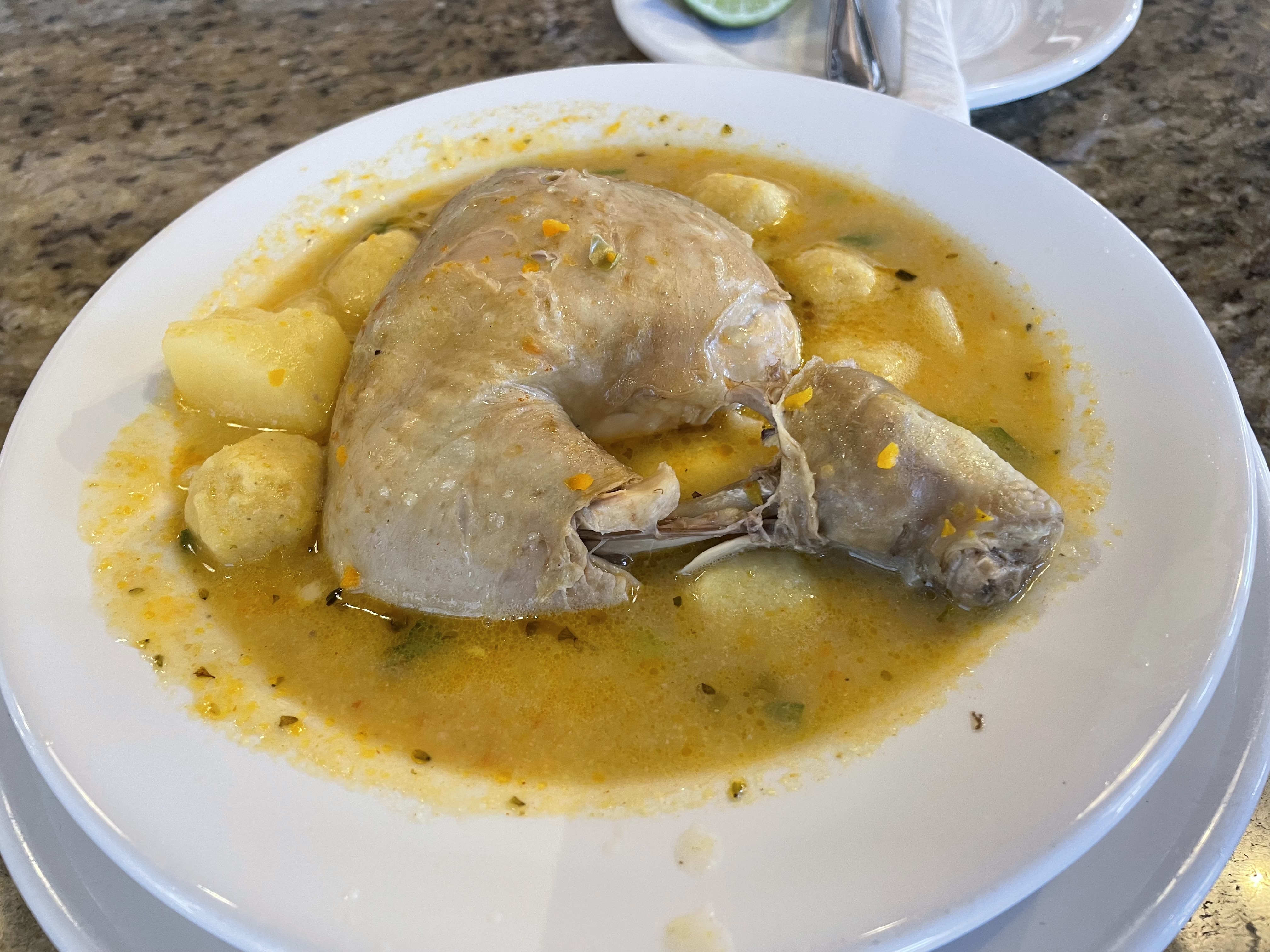
For an early lunch, I ate a bowl of vori vori, a local soup made with balls of corn flour. Unexpectedly, Paraguay has a unique culture compared to its neighbors. It is heavily influenced by the indigenous Guarani culture. The Guarani language is main spoken by most of the people. Most people speak both languages, but 10% of the population does not know Spanish.
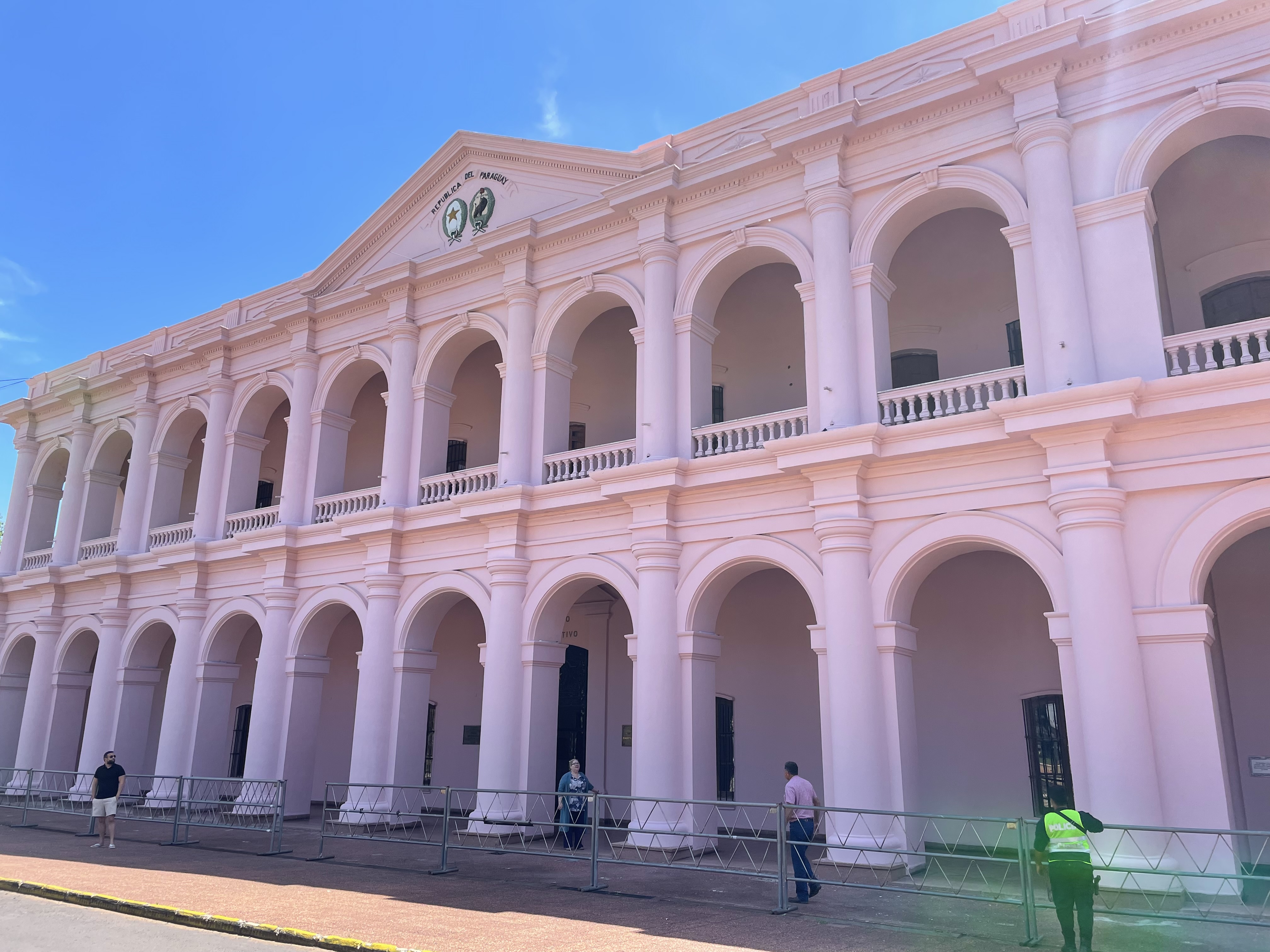
Next, I visited the old national parliament, the Cabildo.
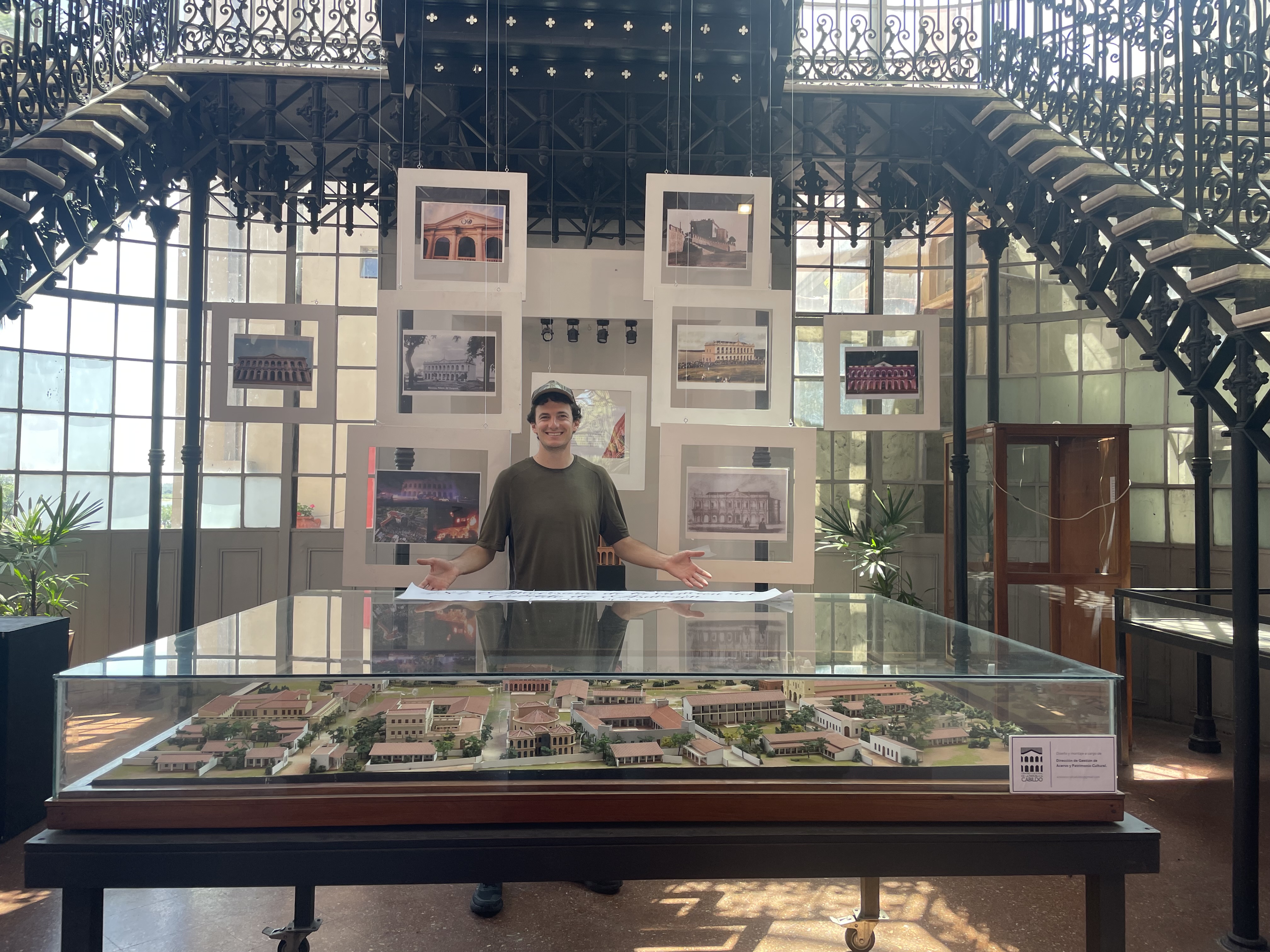
In 2004, the Parliament moved to a nicer building across the street and the Cabildo became a museum. The staff was so shocked to see an American here that they insisted on taking my photo on both their camera and mine.
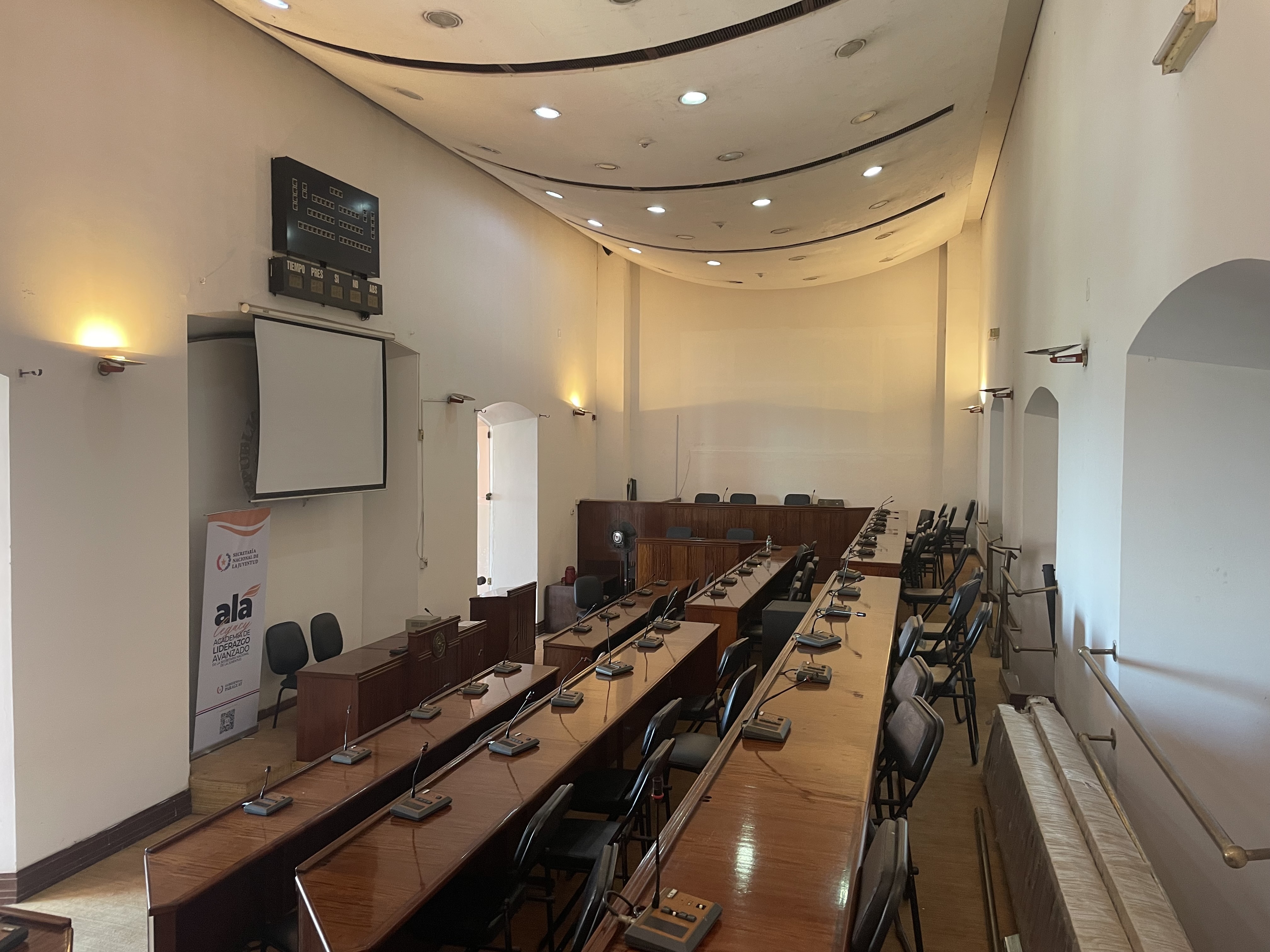
The old parliament chamber is shockingly simple and small.
The highlight of the Cabildo was an overview of immigration to Paraguay. Besides the Spanish, the largest ethnic group that immigrated to Paraguay are Germans. 7% of the country has a German surname. Many of them were Nazis fleeing war crime trials at the end of WWII, but Germans have been in Paraguay in large numbers since the 1880’s.
Another important group of immigrants in Paraguay are Mennonites – a Christian group like the Amish. Mennonites came to Paraguay from three separate places all at the same time: Germany due to the world wars, Russia fleeing persecution from the newly founded Communist USSR government, and western Canada due to a government plan to potentially force their children into secular schools that taught the English language. 60-80,000 Mennonites live in Paraguay, almost all of them in the otherwise uninhabited Chaco.
Other important ethnic groups include Arabic people (who mostly live in Ciudad del Este) and East Asians.
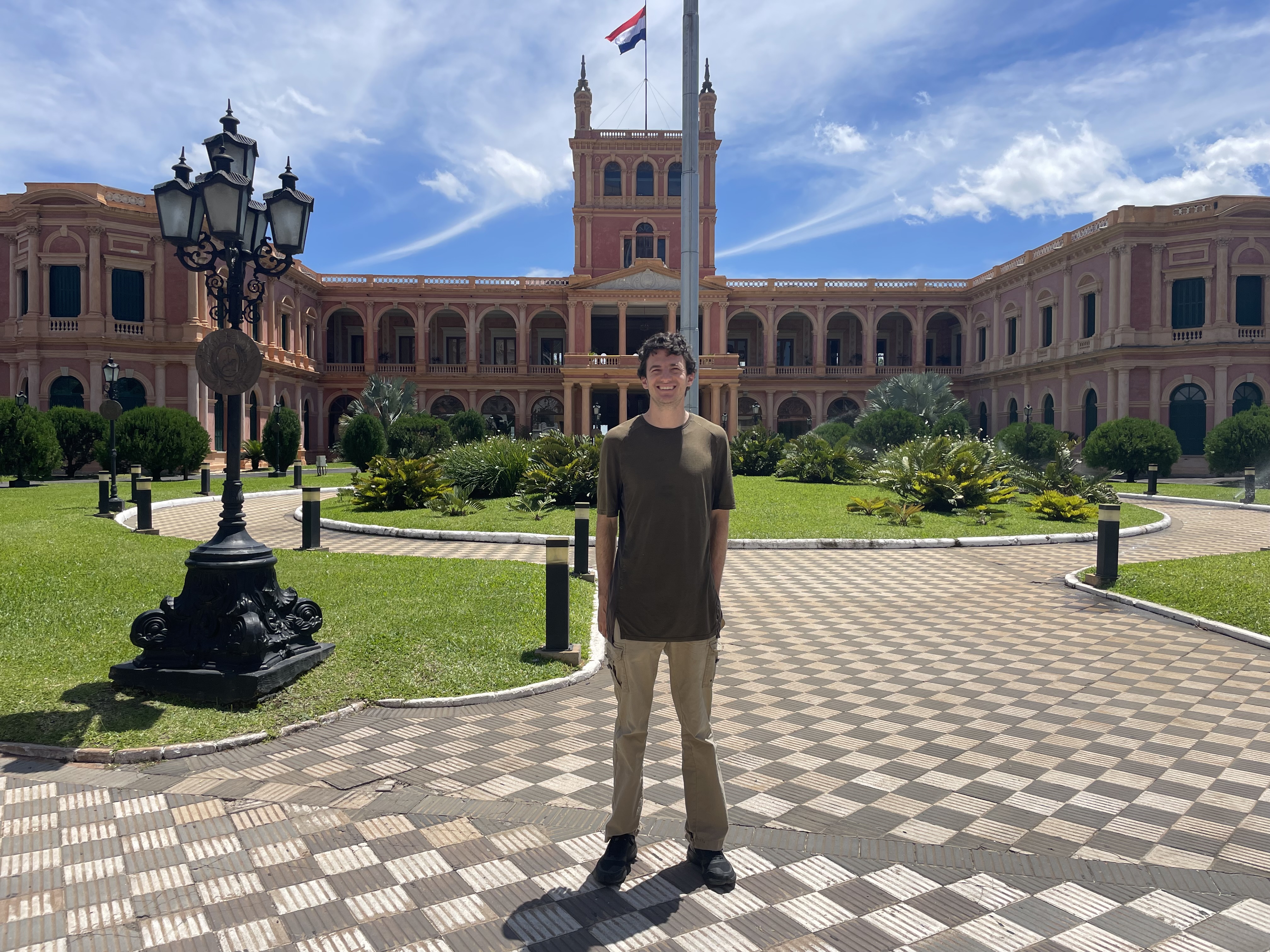
A few blocks away is the new, much nicer Parliament and just beyond that is the presidential palace, the Palacio de Lopez. The pink neoclassical office is by far the nicest building in the center of Paraguay. It is also the least-guarded presidential palace I have ever seen- there are no barricades separating it from the street. There are guards that will prevent you from actually approaching the building but this lack of security is unheard of.
Across the street is a cultural center called Manzana de la Riviera. It had an old city library but overall wasn’t too interesting.
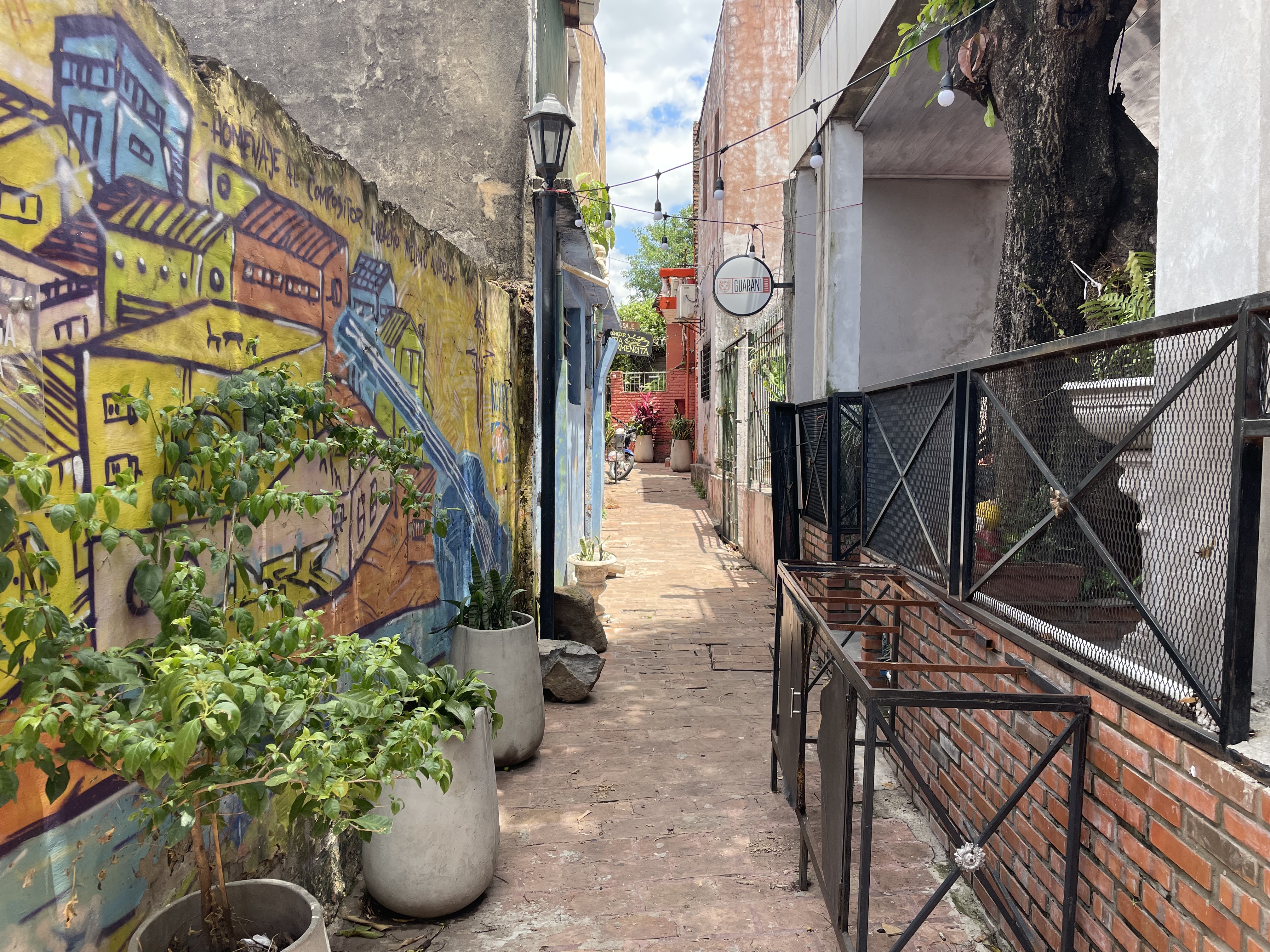
Past the Palacio is the Loma San Jeronimo neighborhood. It contains a sad mosaic staircase sort of like in Rio de Janeiro and some cute alleyways. It was empty today but I can imagine it might have some life in the evenings.
Having seen basically everything to see in the center today, I headed back to the hostel for lunch and to figure out the logistics for the rest of the trip. I ascertained that there are two distinct types of people that visit Paraguay. There are some backpackers that tack on Paraguay as part of a multi-month trip across South America. Paraguay is done either as a detour from Iguazu Falls or as the stopover in between Brazil/Argentina and Bolivia. In Latin America, the backpackers are generally in their mid-20 through mid-30’s (the big exception to this are Israelis who go in their early 20’s after the army) and many of them have backpacked before in Southeast Asia, Europe or Australia. Since Paraguay is an off-beat location, the people I met in Paraguay are more adventurous and “down to clown” than the typical backpacker.
The other class of visitors are remote workers. Paraguay just so happens to have one of the world’s laxest tax residencies. The tax rate is between 8-10% and the cost of living is very low, but the biggest benefit is that, once set up, there is no minimum stay requirement aka you don’t actually have to live in Paraguay to be a tax resident of Paraguay. So, the loophole is to stay a few weeks while you get the temporary residency permit (which lasts 2 years) then work remotely as a digital nomad. Since Paraguay only taxes income earned in Paraguay, you can avoid almost all taxes. The only catch is you have to come back to Paraguay every two years to renew your residency. If you know Spanish and are comfortable navigating the bureaucracy, I was told this process costs just over $100 USD, but there are also concierge services that can do this for a couple thousand dollars. Citizenship is tougher to obtain, but very few of these people actually wants the passport.
90% of the people in the hostel were here for this reason. Unlike the backpackers, the remote workers were aged in their mid-30’s-mid 60’s. Many were American. While most had left the US before, most had not traveled extensively- Paraguay might be their 7th country visited.
While they were not at the hostel, there is also a third category of visitor to Paraguay: long term expats. These people are drawn by a number of factors: the low taxation rate, the low cost of living (I saw apartments advertised for $30,000 USD), the “traditional values” of the women, and cheap electricity (due to the massive Itaipu Dam). Many of these long-term expats are extreme right wing/Libertarian, deep into crypto and/or Passport Bros.
A group at the hostel was planning to attend a football match between Libertad (the second-best team) and Guarani (the fourth best team) in the country. Tickets in the Guarani supporter’s section were just $4. With nothing better going on, I decided to attend.

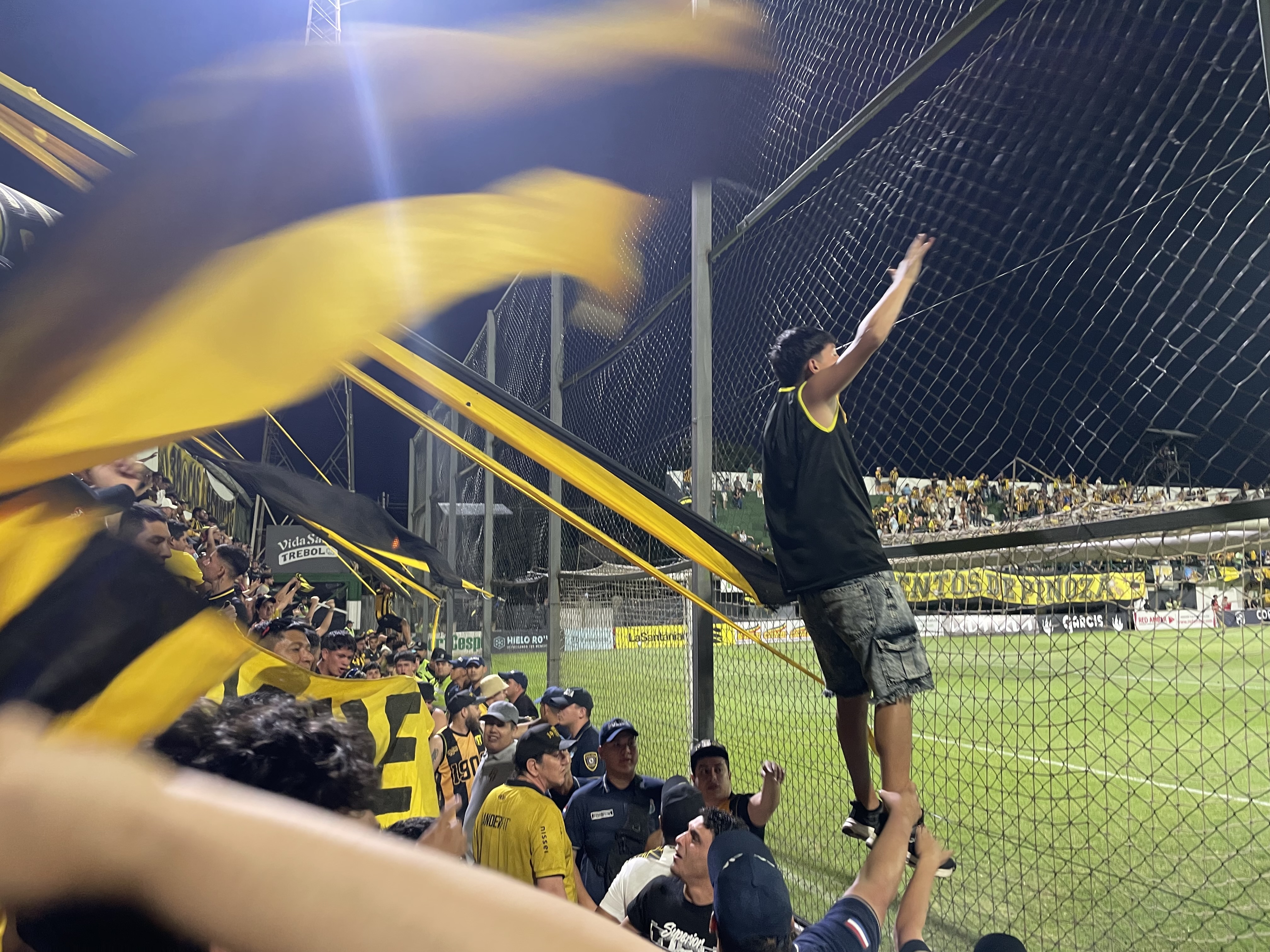
The small stadium could host just a few thousand but the fans were wild. The supporter’s section featured a band with drums and trumpets and lots of dancing.
Some people from our group were excited to see a famous Paraguayan player named Roque Santa Cruz who played for Bayern Munich in 1999 and a bunch of other European clubs. At the ripe age of 44, he is still playing. The Paraguayan league isn’t quite the Bundesliga, but hey he still gets to get paid to play the game he loves.
After the game started, riot police had to be called to the other team’s supporter’s section who were harassing our goalkeeper.
We were up 1-0 but it really should have been 3-0 due to two goals called back due to offsides. The vibes were excellent.
Then the unspeakable happened: the Libertad scored two goals in the last 15 minutes of the game to win it.
The crowd got silent in shock and then fans starting to get mad. Like really mad. Men, women and children were yelling expletives at the team – I heard the word “puta” more times today than in the entire rest of my life combined. Some fans stalked the players as they ran on the pitch. Some fans started throwing trash onto the field. I felt fine because I was wearing a Guarani hat and was in the big group, but otherwise I would have been nervous being here.
For dinner, we went to the fancy part of town. We ate at a fancy restaurant for local food and then to bar on the same block as a Rolex store. There is money here it’s just not in the center.
Paraguay’s most famous beers are called Pilsen (I feel like every Latin American country has a Pilsen or Pilsner) and Munich (pronounced moo-neesh in Spanish). Cheers to 98 countries!
Monday November 10, 2025: Circuito Oro
Today, I took a guided tour to the Circuito Oro (golden circuit) which is the name for some of the small towns surrounding Asuncion. As tourism is not very developed, finding a way to visit these towns was surprisingly difficult. I first tried to see if I could go by public transport, but the buses only go to/from Asuncion to each individual town – there is no transport between each the towns. I also looked at Ubers, but not every town has Uber. I also looked at renting a car, but was very glad I didn’t do that because the drivers here are crazy.
Finally, I looked at guided tours. The ones online were asking for $200/day which is insane given the pricing of things here. Instead, I found a travel blog which linked to a WhatsApp account who I texted and was offered the tour for $95 USD. It was part of a group but that honestly was probably a plus so I could talk to people.
The van picked me up and then we went to pick up two tour participants: Kelly and Missy. They were in their late 60’s from San Antonio, Texas. Kelly lived in Paraguay on an exchange as a teenager and was here for both her 50th high school reunion and a wedding. Kelly’s husband passed away so Missy became her travel companion. The two had been on a couple mission trips to Honduras and Guatemala before but this was Missy’s first time in Paraguay and Kelly’s first time back in 47 years. They were both exceedingly friendly. Kelly had a strong grasp of the culture and since her English was notably better than the guide’s, she sometimes acted as a translator.
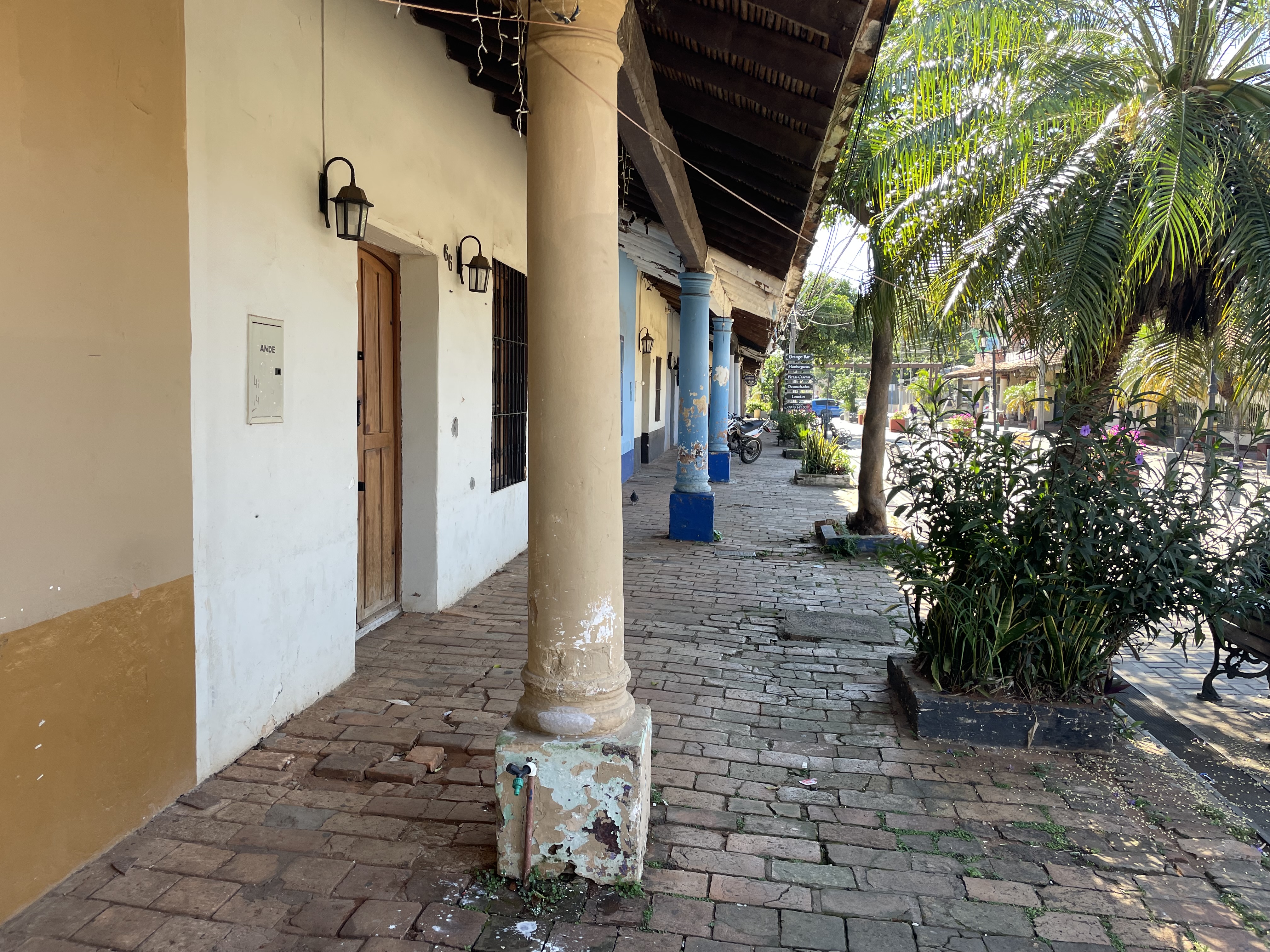
Our first stop was Luque, home of a single historic block of buildings and a mediocre church. It was here we learned about the Paraguayan tall tale of Pepe Canasto. He was the sole male survivor of his town during the War of the Triple Alliance, but lost both his legs and one of his arms. The government could not believe that he lived and decided that he would be the one to repopulate the town. Apparently, the military rolled in women every night for him to procreate with. Legend says he fathered 200 sons.
Kelly then posted the question to the group: would you sacrifice three of your limbs to be in Pepe Canasto’s situation? If not, how many/which limbs would you sacrifice?
The reality is that after the war, it was very common for men to have multiple mistresses on the side. But a generation later after the population rebalanced, Paraguay had a cultural shift towards chauvinism.
We stopped quickly in the town of Aregua, the pottery town.
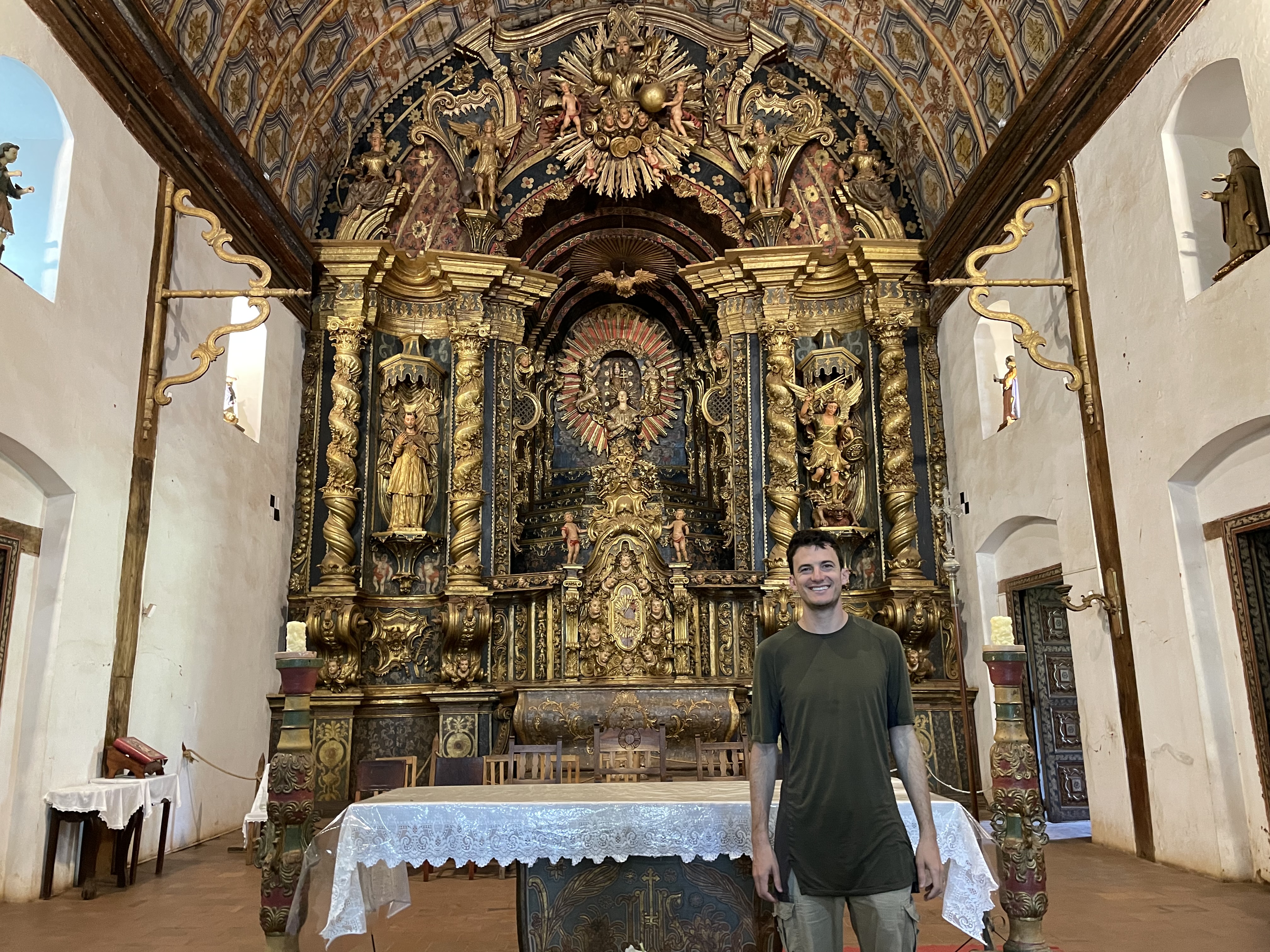
Then we drove an hour to Yaguaron to see the magnificent Franciscan mission completed in 1772.
Paraguay’s most famous historical sites are Jesuit missions in the southeast of the country. However, in 1767, King Charles III expelled the Jesuits from Spanish territory. As a result, the Jesuit missions were destroyed and the Franciscans were sent in as the replacements. They built the church in Yaguaron in 1772.
The expulsion of the Jesuits and their replacement by Franciscans also drastically impacted my homeland of California. The Jesuits built missions in Baja California in the 1500’s and 1600’s but never moved into Alto California (the area that is now the US state of California). 150 years later, the Franciscans, led by Padre Junipero Serra established Mission San Diego de Alcala in 1769 and then proceeded to build 20 more up the California coast. I digress.
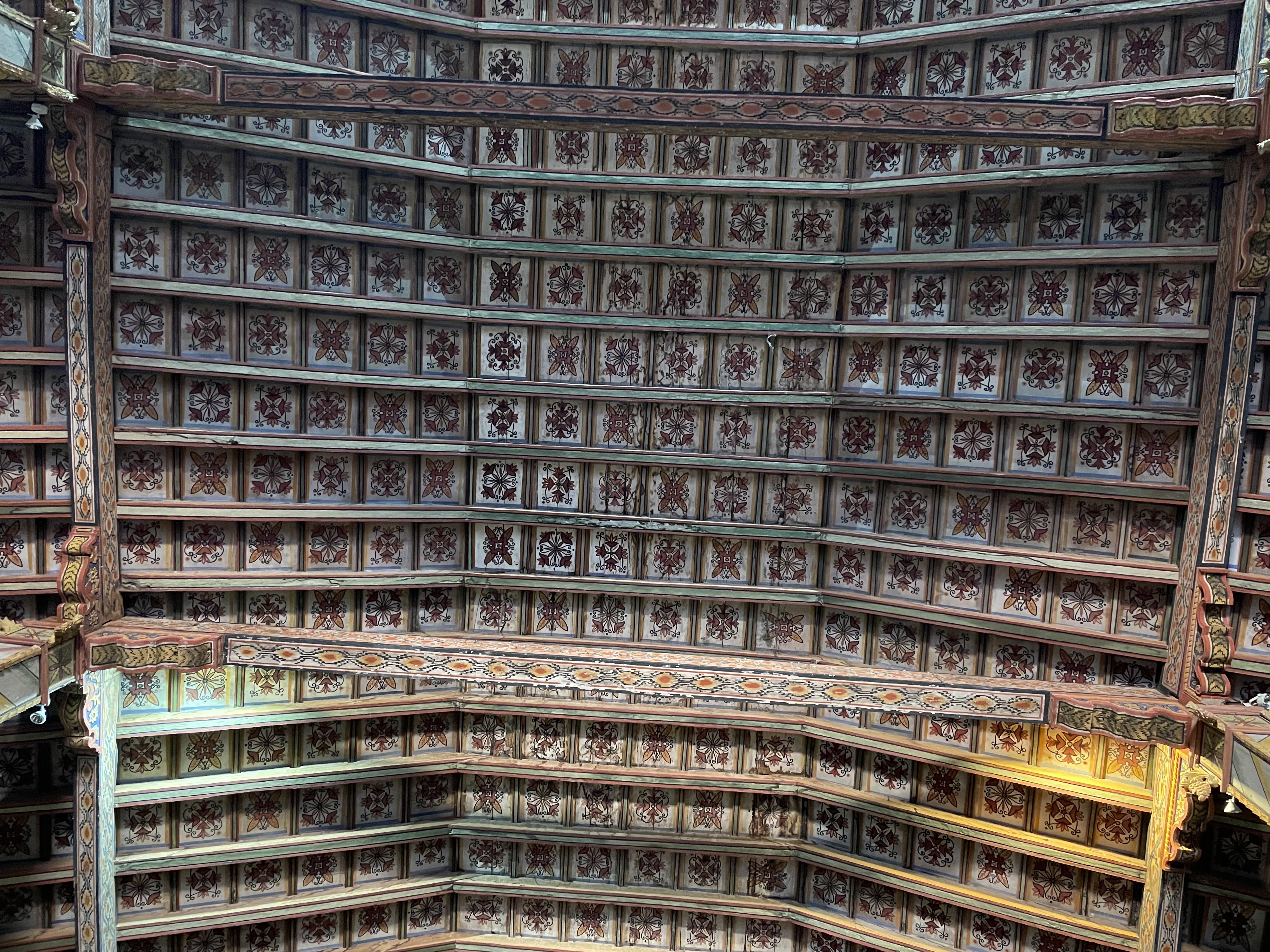
The Yaguaron church is probably the most beautiful I have ever seen in South America. It is a true Baroque. The altar was originally gold but now gold paper after war of triple alliance. The ceiling hand-painted by natives using local plants as dyes. It is currently on the UNESCO tentative list but will surely become a full-blown UNESCO World Heritage Site one day.
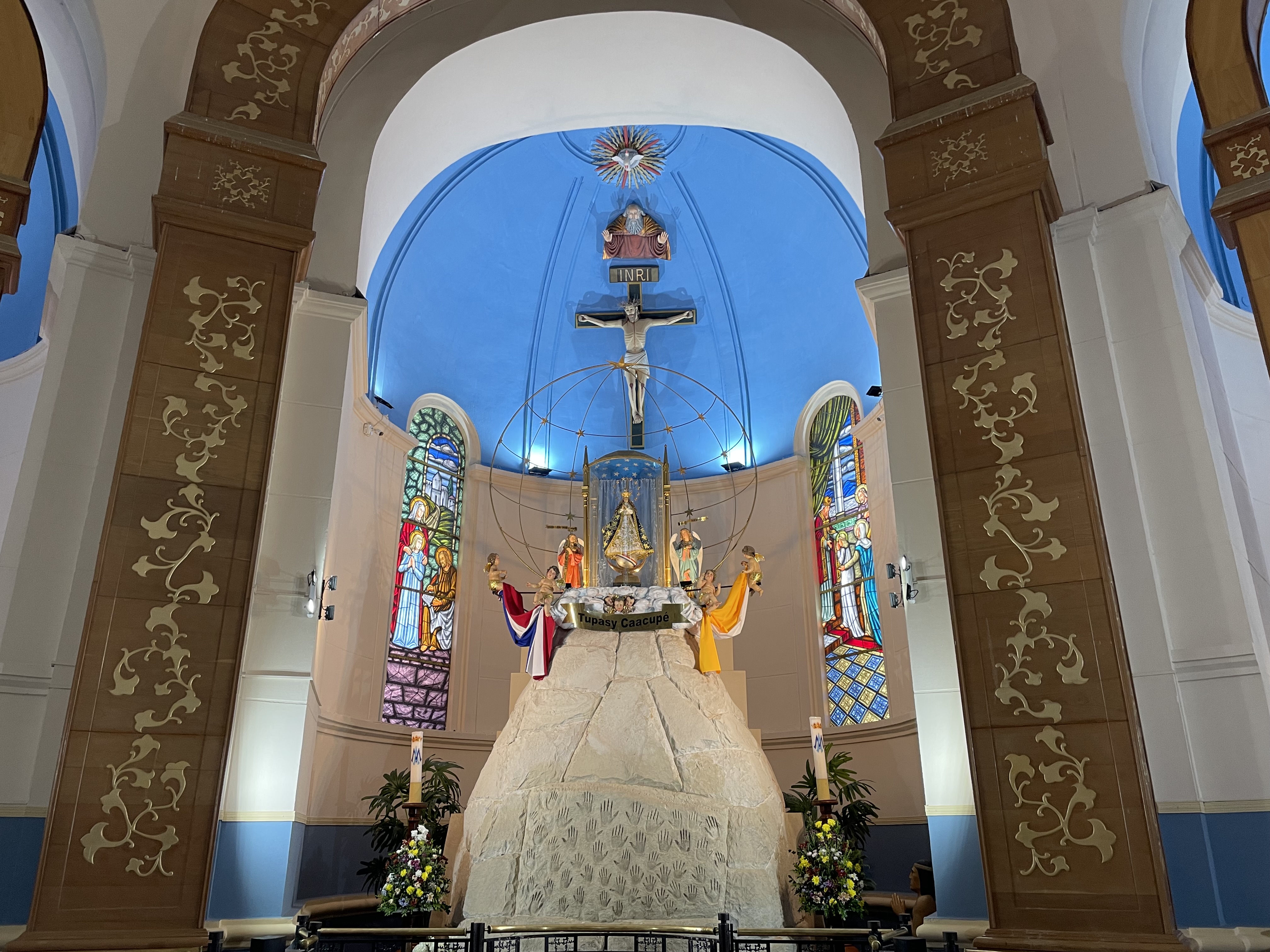
Our next stop was the massive basilica in Caacupe. The church is built to protect the Virgin of Caacupe, a 400-year-old statue that is the center of a local legend. According to said legend, a recently converted Guarani man in the year 1600 was fleeing enemy tribesmen. He hid in the trunk of a large tree, prayed to the Virgin Mary for protection and made a promise to carve a statue of her from the wood from the tree if he survived the ordeal. He did survive and held up his end of the bargain.
Today, the church of Caacupe is the most important church in all of Paraguay and is a major pilgrimage destination. Two popes have visited the church.
After lunch, we drove to the town of San Bernardino. This town is known for being the location of second homes of the wealthy of Paraguay. There are 80,000 homes in San Bernardino but only 5,000 full-time residents. As this was a Monday, San Bernardino was a ghost town.
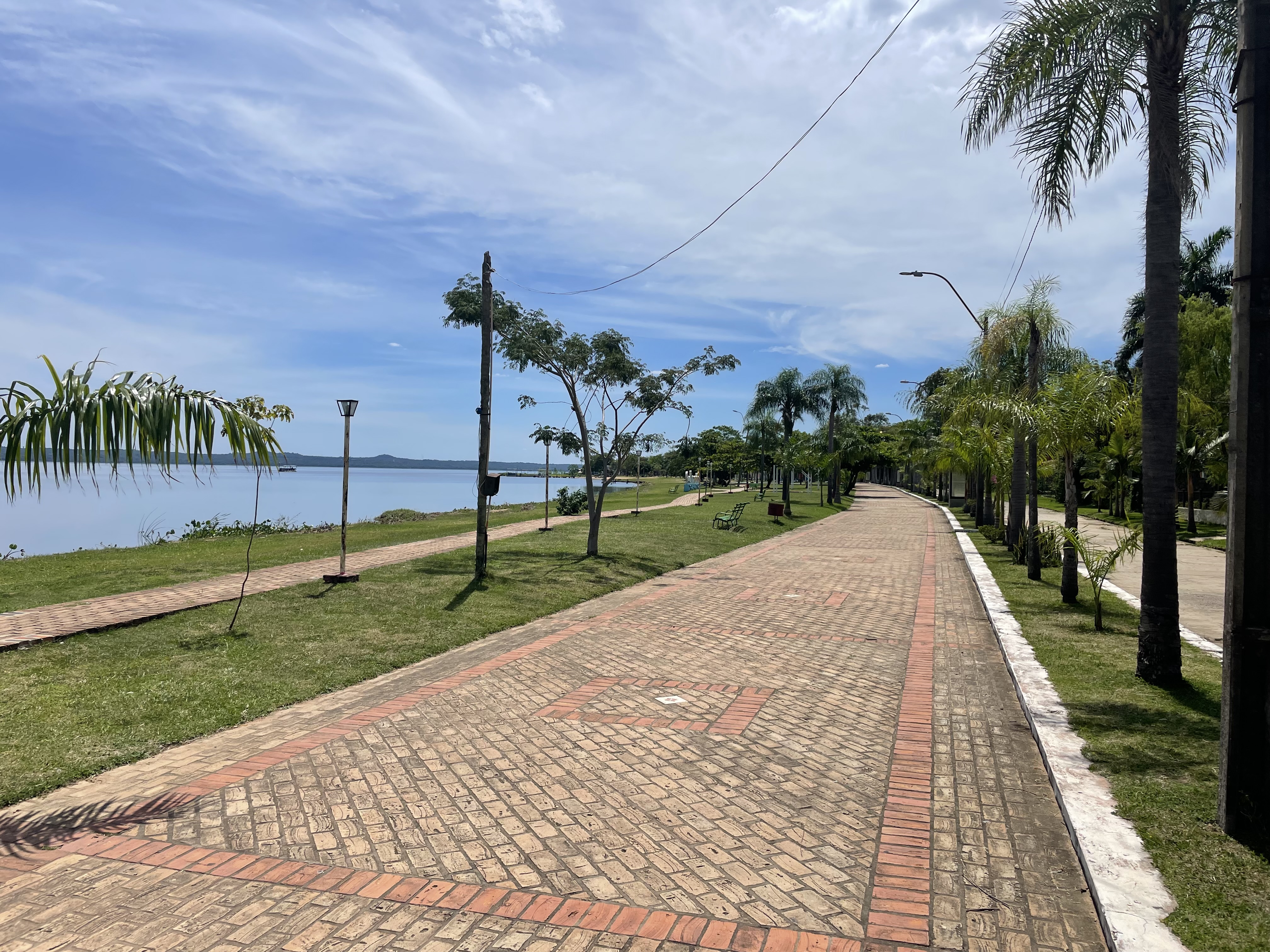
The town is set on the banks of Paraguay’s largest lake but people don’t swim in it. Instead, people swim in their private swimming pools. This is partly due to status but also because the lake is polluted with toxic algae.
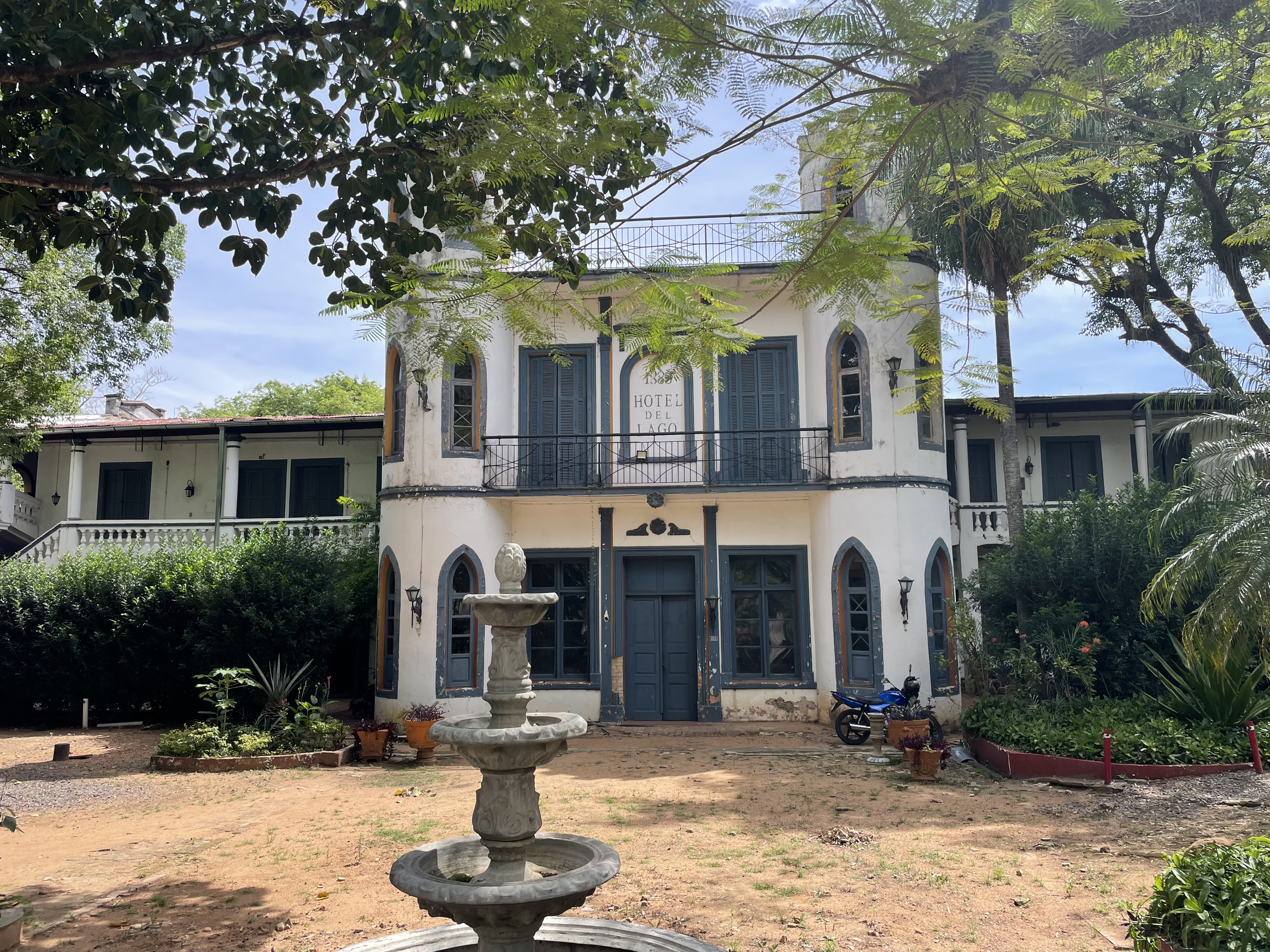
At the center of town is an abandoned hotel. Our guide said that the owner of the hotel left it to his children. But the kids couldn’t be bothered to sell it or do anything. So it sits abandoned.
We also hiked to a viewpoint. However, due to a 2004 law, it is illegal to cut down trees in the eastern half of Paraguay so the viewpoint became ruined once a tree grew in the way of the view. What a strange country!
Back in Asuncion, I was joined by my MBA friend Chris who just arrived from Brazil. The airline lost his luggage so he was stressed but still happy to be here.
For dinner, we got steaks.
Sunday November 11, 2025: Loose Ends
Since Chris had not yet seen much in Asuncion, I took him on a tour of the landmarks I visited on the first day. The highlight was seeing a military ceremonial guard setting up to welcome the Uruguayan ambassador at the Pantheon of National Heroes.
For lunch, I headed back to the nice part of town and visited a fancy bakery.
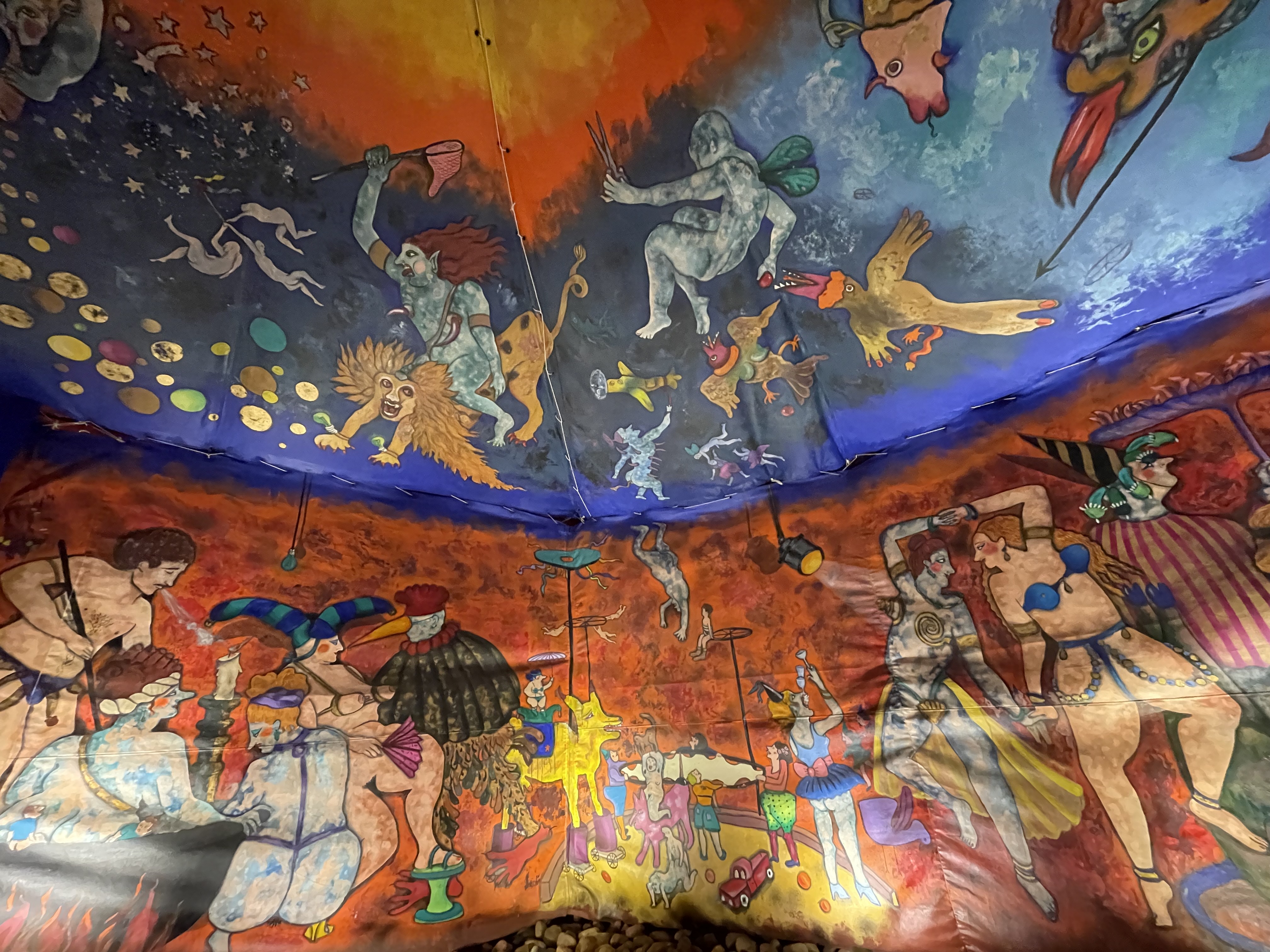
Nearby is the Museo del Barrio, which was described as “everyone’s favorite museum”. And it was. The museum had a solid collection of indigenous art and more modern painting/photography.
The highlight for me was what could only be described as a modern cave painting.
The museum had weird hours- it was open from 14:00-20:00.
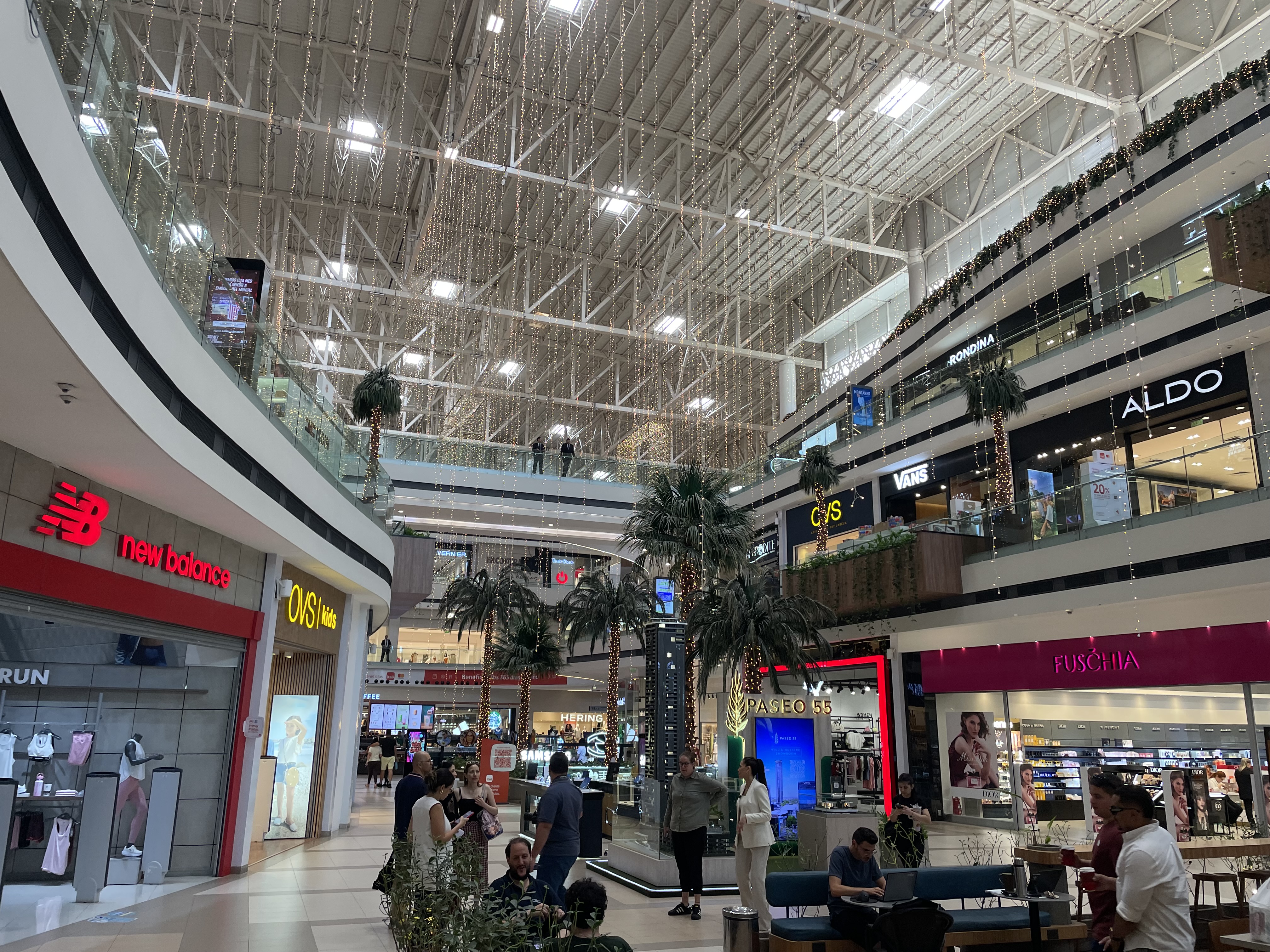
Afterwards, I walked to the Paseo La Galeria shopping mall. This was the nicest mall I have seen not just in Paraguay but perhaps all of Latin America. It had all the western shops including my personal favorite Decathlon. I even saw a branch of the Spanish tapas restaurant 100 Montaditos. The mall is attached to fancy office buildings. It is clearly the current place to see and be seen in Asuncion.
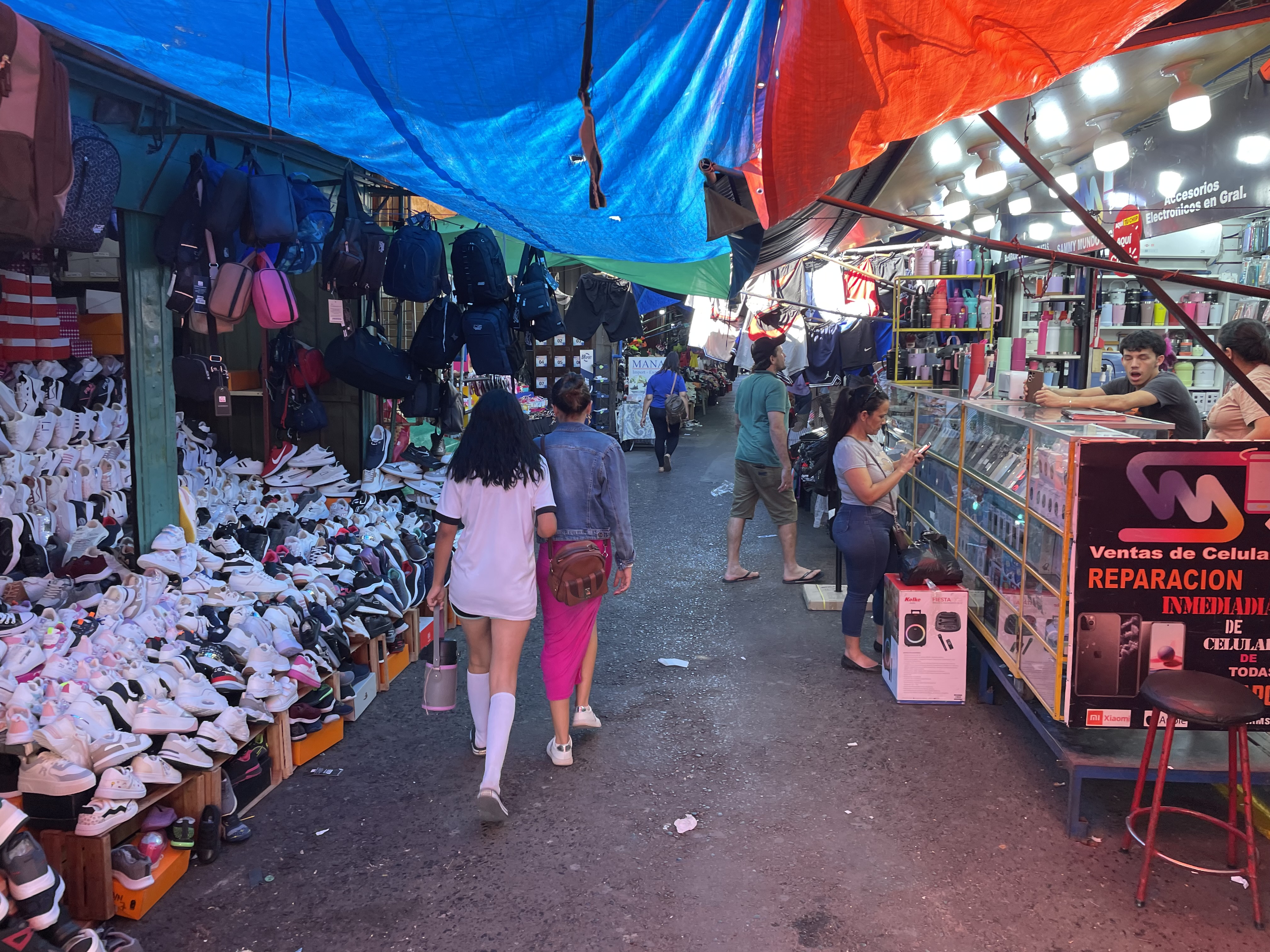
On the way back to the hostel, I stopped at the city’s main market, Mercado 4. By 17:00, the market was winding down for the day so it wasn’t at full force. The outskirts of the market had street vendors grilling asado. Eventually, I reached a maze of cheap clothing shops. The meat and produce vendors were hidden in a series of halls off a pedestrian street. It was crazy to see the difference of how the rich and normal people shop.
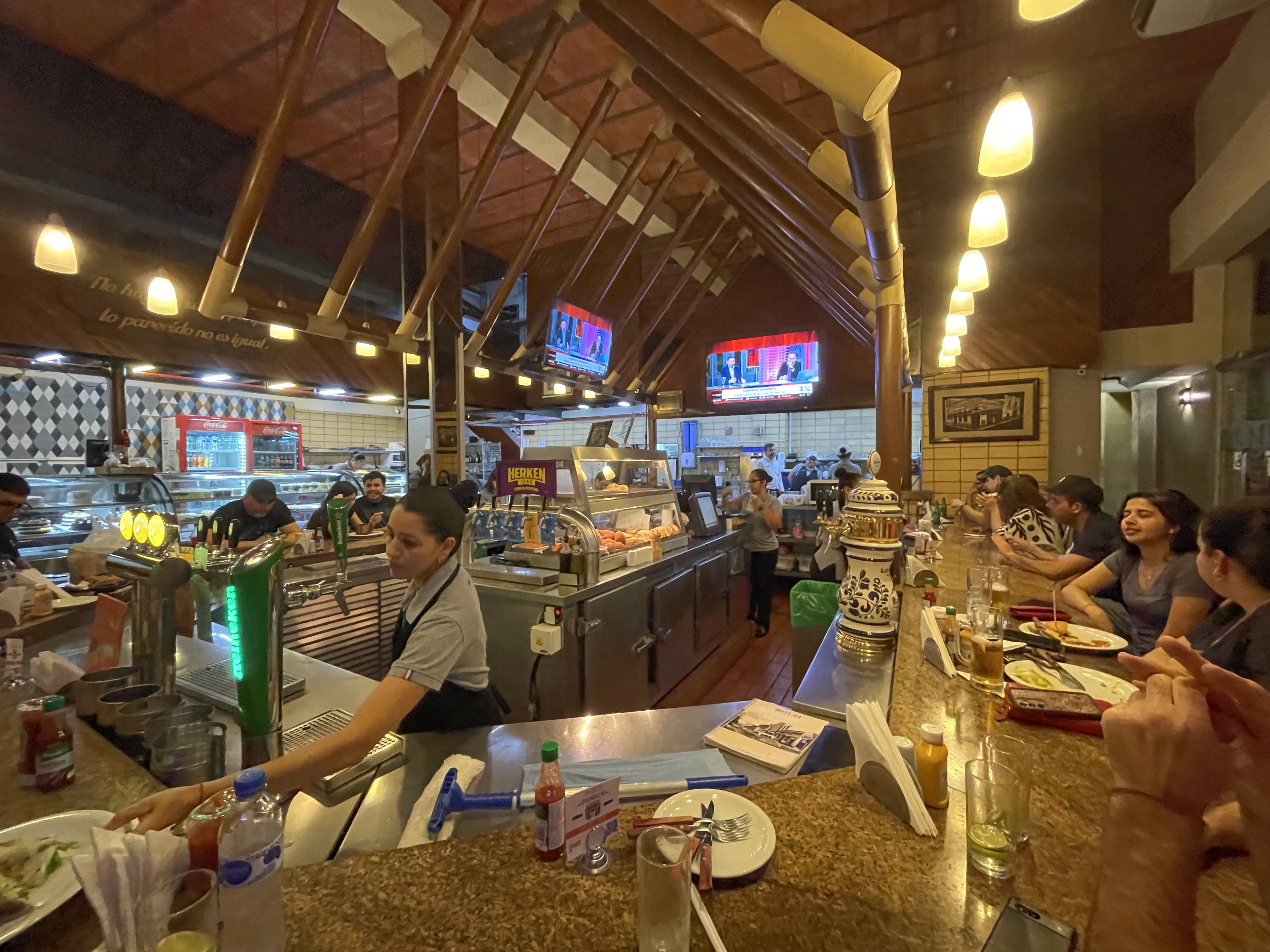
For the final dinner, Chris and I went to Bolsi, a landmark restaurant where everyone sits in a circle around the bar. It reminded me of the Apple Pan in Los Angeles. They had unfortunately sold out of their iconic surubi fish dish, but I got another steak. Not as good as last night’s spot but still solid.
Nearby in the national theater, the Paraguay Police Jazz Band was celebrating its 50th anniversary with a concert. The show was sold out but they had a watch party outside with concert-grade speakers. As the band played Sinatra’s “New York, New York”, young Paraguayan couples kicked their legs back and forth like less-flexible Rockettes. What a funny scene!
We then headed back to go to bed for our early bus ride to Ciudad del Este.
Final Thoughts:
As expected, Asuncion is not the most interesting city. There are sights and attractions, but there is nothing that you can’t find in any other large Latin American city. The reason people visit is because it is the capital of the country. So, while Asuncion might not be the greatest travel destination, a trip to Paraguay would incomplete without coming here.
Asuncion has two distinct area worth visiting. The center has the vast majority of the sights, but is run down. The Villa Morra/San Cristobal area has the Museo del Barrio and the nice shops/restaurants. The two areas are about 25-45 minutes from each other by Uber depending on traffic. Because the two areas are annoyingly far from each other, you end up having to bounce between them more often than you would like.
The highlight for me was meeting all of the other interesting travelers – both the backpackers and the digital nomads. Paraguay is not on the main gringo trail so the travelers who come here come here for a reason. You don’t just end up here. In general, the other travelers here were more friendly and interested in experiencing the mundane.
Another huge benefit of Asuncion is that I felt completely safe walking around everywhere during both day and night – a rarity in Latin America.
Regarding the Circuito Oro, I really enjoyed being able to experience all the different small towns. The van tour was 100% the way to go because each single town has at most an hour’s worth of sightseeing.
One other thing to note about Asuncion and Paraguay in general is that there is virtually zero English spoken here. I think travelers would struggle without knowing basic Spanish.
Leave a Reply