
Why Anacostia:
I was in Washington DC for a few days in between a bar mitzvah in suburban Maryland and a wedding in Plymouth, Massachusetts. In my quest to visit every National Park Service sites, I set my sights on the Frederick Douglass National Historic Site in the Anacostia neighborhood. The park is only open Tuesdays, Wednesdays and Saturdays for a tour which requires a reservation. Since I was here on a Tuesday, I made the reservation.
Anacostia is physically separated from the rest of the District of Columbia by the Anacostia River which flows into the Potomac. Anacostia also has a reputation for being DC’s poorest and most crime-ridden area, so I definitely had to tread carefully.
July 23, 2024: Over the River
I took the metro Green line to the Anacostia station. I was the only White person on the train, which is not surprising given the neighborhood is nearly 95% African American. Interestingly, Anacostia used to be overwhelmingly White, but during the Post-War years, the combination of race riots, the construction of public housing complexes and the construction of a neighborhood-bisecting freeway all contributed to White Flight, resulting in the flipping of the demographics and the downward slide of the neighborhood.
My first stop was Anacostia Park, which is run by the National Park Service as part of their National Capital Parks – East unit. Their headquarters are in the park. I entered the headquarters and was disappointed to learn that they do not offer the NPS Passport stamp here. Instead, I would have to travel an hour to a different neighborhood called Kenilworth. That was not going to happen today.
So instead, I wandered the park, which stretches for miles along the riverfront. While run as a National Park, it functions like a municipal park with big fields for sports and recreation, picnic areas and a bike path. Eventually I reached a public swimming pool. In 1949 the pool was officially desegregated – before then only White Americans could access it. Black residents attempted to access the pool and were met with harassment from Whites. On June 29, the harassment turned into violence. An estimated 450 people were involved. Nobody was killed but five people were seriously injured. The next summer the pool was opened to all, but Whites stopped visiting the pool resulting in a huge decrease in attendance.
Today the pool is functional and still open to the public but not in great shape.
Next, I left the park and walked through the heat to reach the Frederick Douglass house. Tours are offered Tuesdays, Wednesdays and Saturdays. Reservations are recommended.
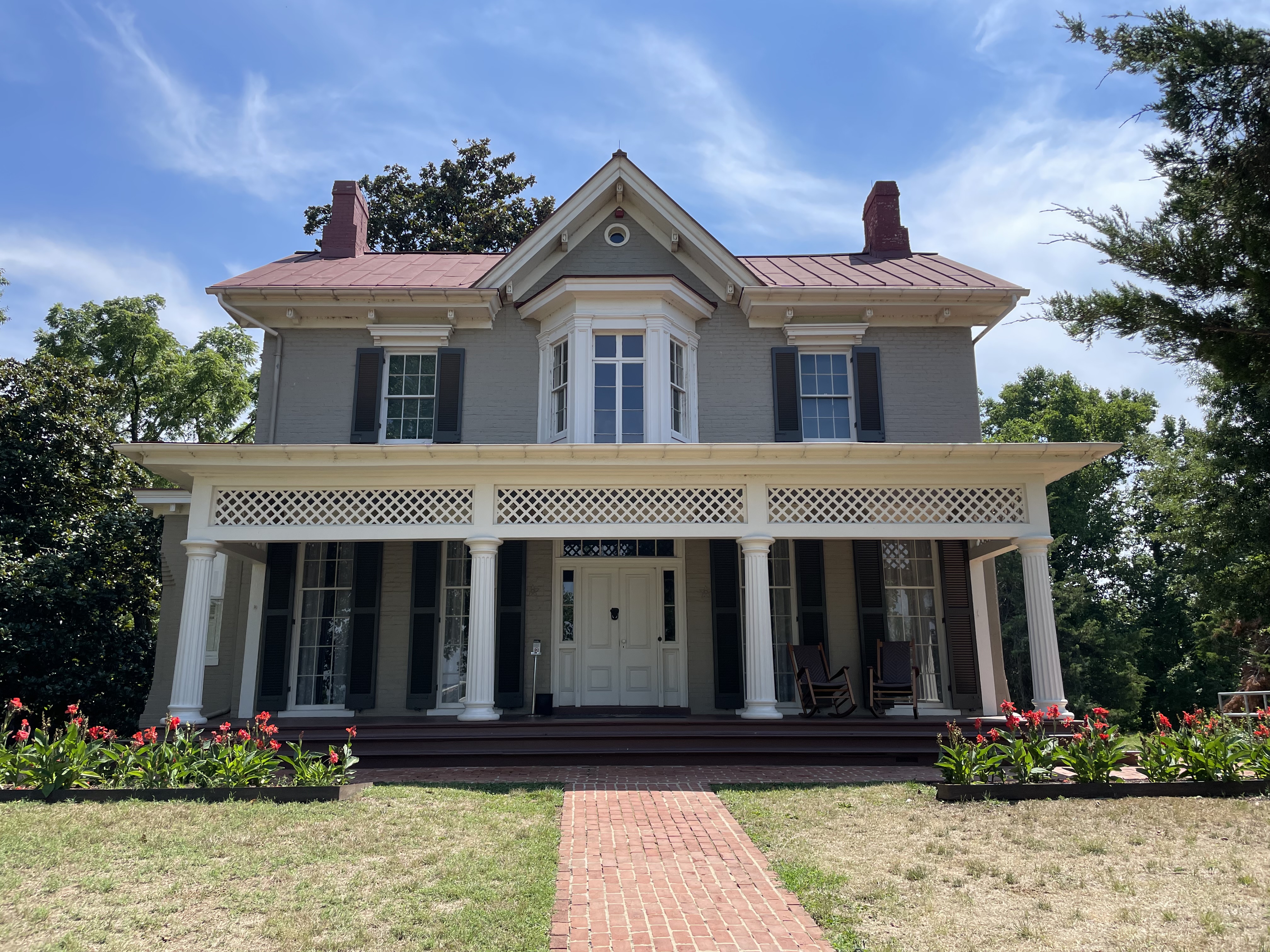
Frederick Douglass was one of the most important political and civil rights figures in the 19th century. Born into slavery in Maryland, he escaped to New Bedford, Massachusetts with the encouragement, help, and financial backing of his future wife Anna Murray, a free Black woman.
Once in New Bedford, he quickly became affiliated with the Abolitionist movement led by William Lloyd Garrison. Impressed by Douglass’s self-taught public speaking skills, Garrison sent Douglass on a national speaking tour to help the Abolitionist cause. In 1845, Douglass went to the UK and Ireland fighting for the end of slavery. There, he found financial backers to officially purchase his freedom and start an abolitionist newspaper called The North Star. He then settled in Rochester, New York where he raised his family and continued to be a very active public speaker. He gave so many speeches around the world that he was the world’s most photographed man and most likely the best-traveled and the most seen human on earth at the time.
In 1874, while in his late 50’s (his exact age is not known), he moved to Washington to become the United States Marshall for the District of Columbia, a prestigious position appointed by the President. At this point, Douglass was a huge celebrity. He lived in the house on a hill in Anacostia for the final 21 years of his life. His wife Anna passed away just four years after moving in and he got remarried to a white woman (very controversial at the time). During his time in the house, he remained a passionate advocate and active public speaker. In fact, on the day he died, he had previously attended an 8-hour meeting for the women’s rights movement and was about to leave home to continue the conversation.
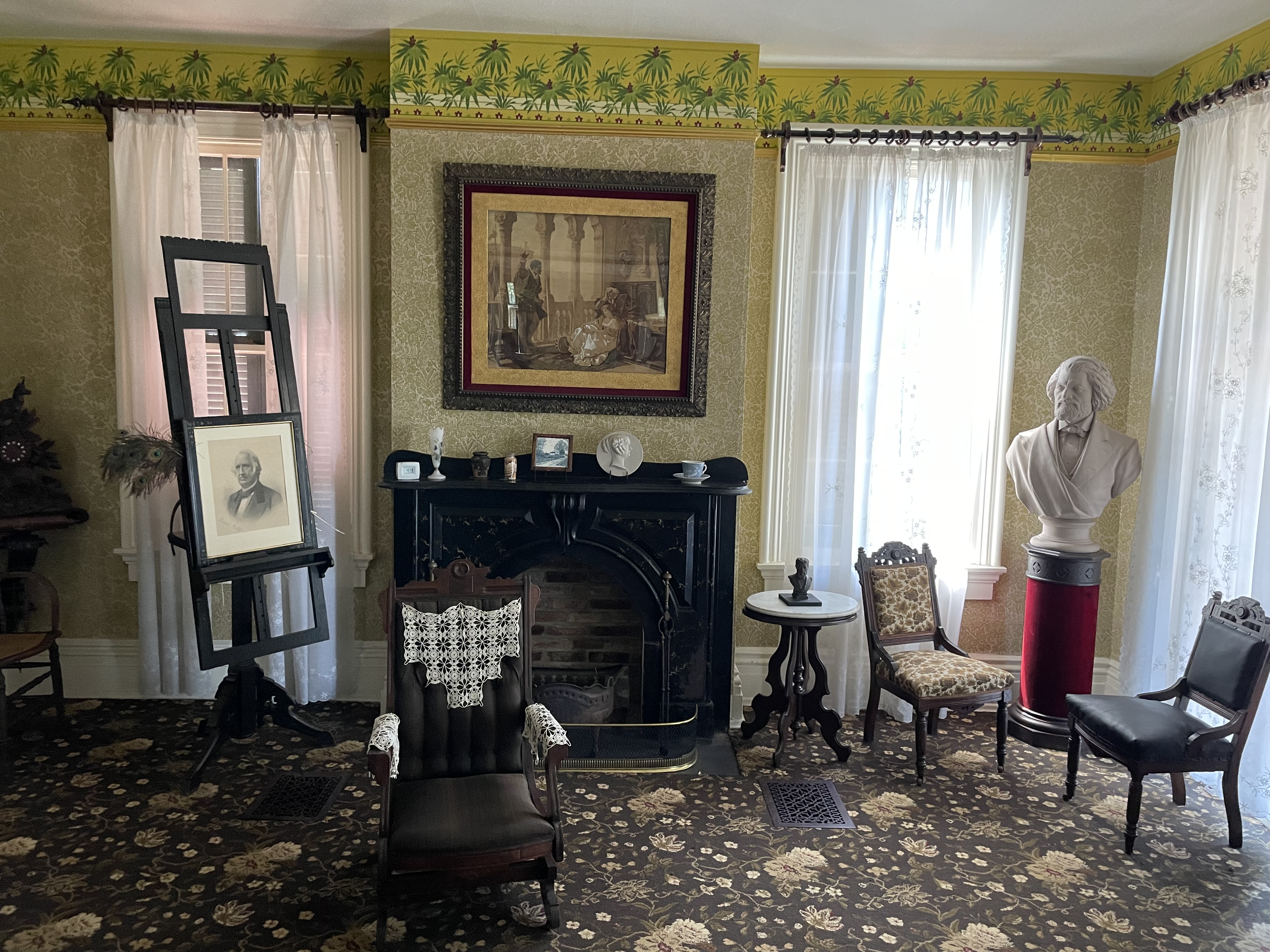
The National Park Service ranger passionately explained both the history of Douglass as a person and the house. Amazingly, nearly all the artifacts in the house are original – his second wife turned the house into a museum the year after he died. My fun fact I was that Douglass lifted weights every single day since childhood for personal safety and was therefore a VERY buff man. Out of all the monuments and memorials in DC, this was probably my favorite.
After the tour, I was stopped by a women on the street who told me I needed to be careful because the neighborhood was incredibly dangerous. She suggested I take an Uber across the river.
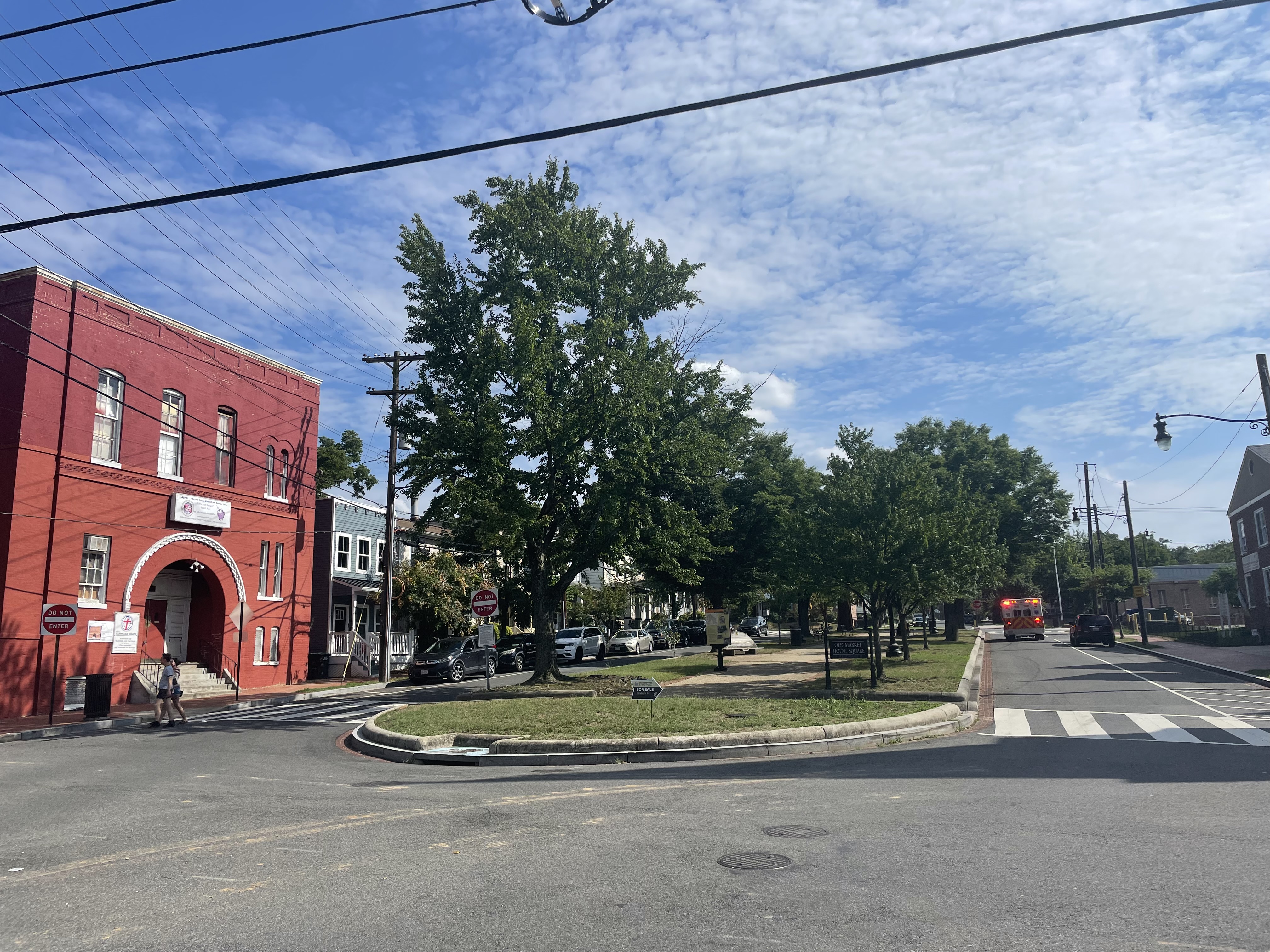
I nicely brushed her off and walked towards the main commercial street which was lively and had many interesting businesses. There, I stopped in a Starbucks to cool off from the summer heat. I ordered a new Boba drink. Afterwards, a heavyset grandma with long fake pink braids and her six grandkids approached me. She told me that the boba drink inspired her to want to “put some slippery balls in [her] mouth” and asked me if I liked the drink. Her grandkids roared with laughter. I said yes and she ordered one.
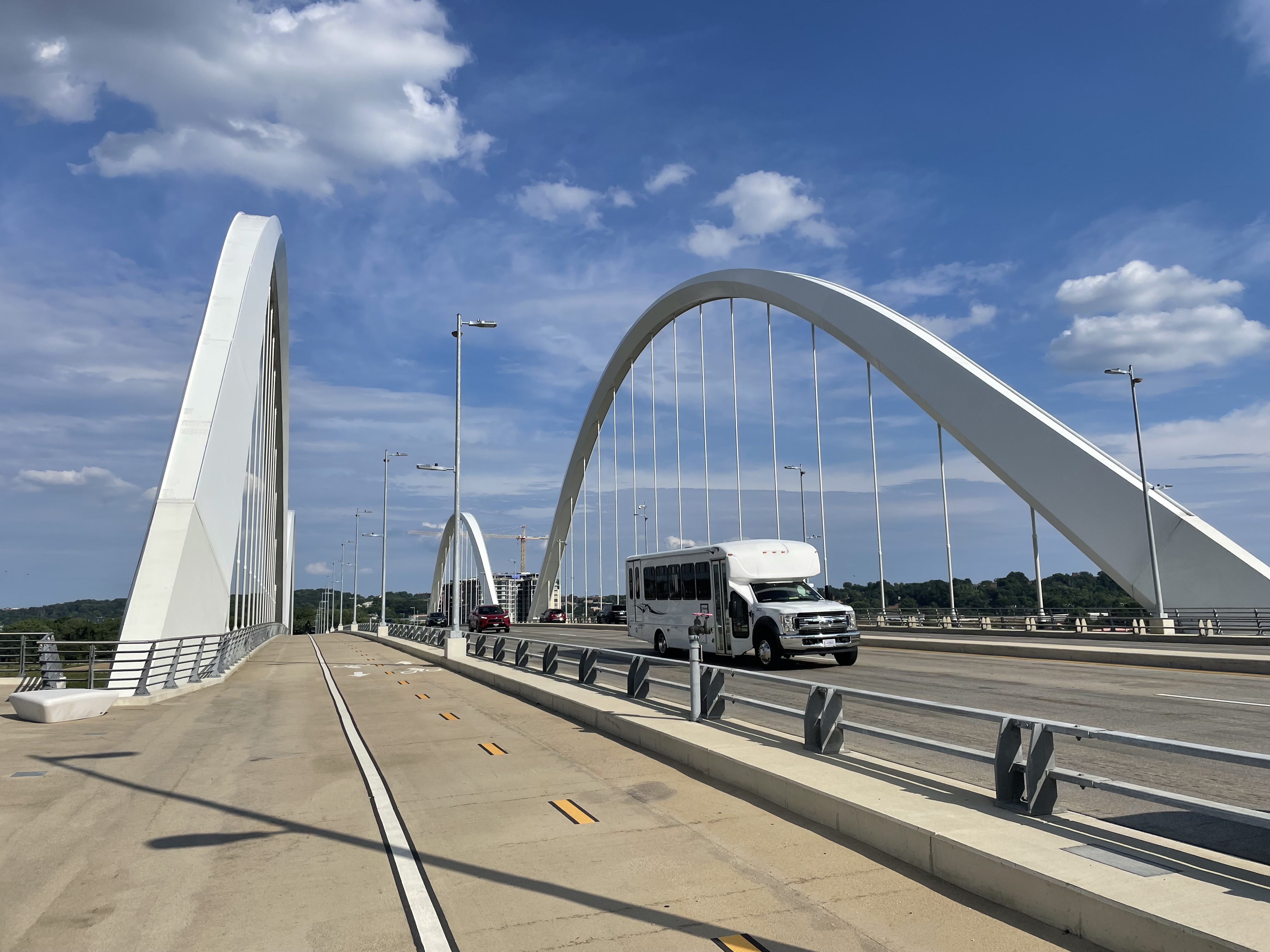
I then walked over the beautiful Frederick Douglass Bridge (S. Capitol) to Nationals Park to meet up with friends and watch the baseball game.
Final Thoughts:
Anacostia is not the most interesting or lively district DC. However, the Frederick Douglass house is so amazing that it alone warrants the visit.
In terms of safety, I think it is fine to walk around in the busier areas near Marion Berry and MLK avenues during the daytime but would avoid the area at night. Not once did I encounter somebody who felt sketchy or dangerous. So, do not be afraid to come to Anacostia and explore!
Leave a Reply