
Why Amritsar:
Amritsar is the home of the Sikh Golden Temple, one of India’s most famous attractions. Since I was already in Punjab for my friend Riya’s wedding in Patiala, I could reach Amritsar easily overland via a 3.5-hour train ride. Moreover, I was able to fly internationally out of India from Amritsar’s airport. Therefore, visiting Amritsar seemed like a no-brainer
November 15, 2024: A Pilgrimage
After waking up at 6:00, I discovered that my train from Rajpura (30 minutes north of Patiala) to Amritsar had been partially cancelled due to fog. This meant that the train would only take me 1/3 of the way there to Punjab’s largest city Ludhiana. From there, I would have to catch a bus, but the bus terminal was not near the train station. Rather than deal with that, went to the Patiala train station. There was one direct train to Amritsar, but it would take 7.5 hours and wouldn’t leave for another 2 hours.
So instead, I decided to take a bus. After jumping into a shared rickshaw, I was taken to the bus terminal located on the outskirts of the city. There, I used my previous experience in Indian bus stations to find the bus going to Amritsar. 10 minutes later, I was on the bus, and we were off!
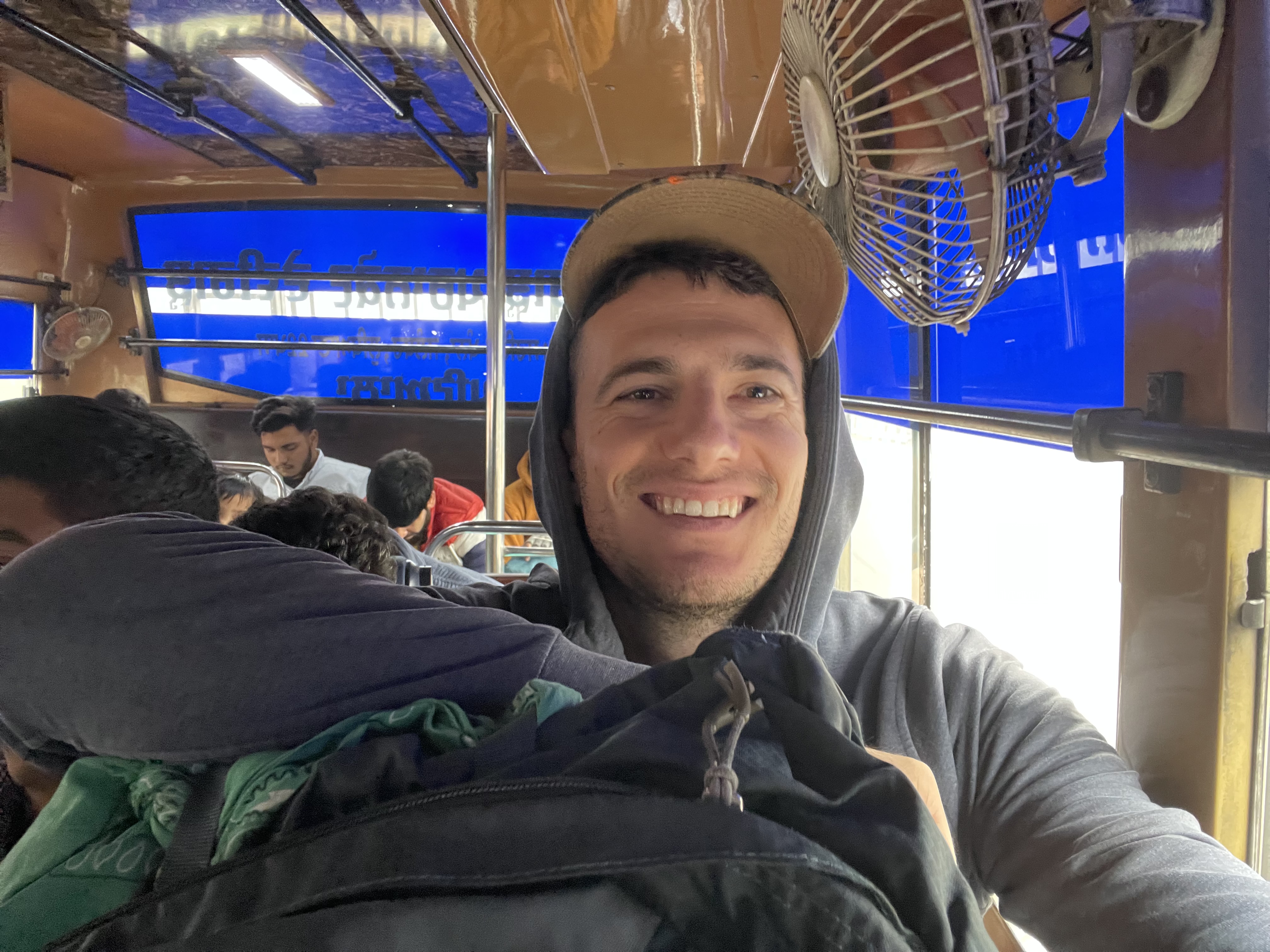
The ride went about as smooth as any could in India. We reached Ludhiana 2 hours before the train would have arrived. Past Ludhiana, we hit horrible traffic for some reason.
Near Jalandhar – about 2/3 of the way there, the bus driver announced that he was going to stop driving and we needed to change buses to reach Amritsar. He dropped us off on a sidewalk in the middle of nowhere. Luckily, I had made friends with another guy on the bus who sort of spoke English. He was also going to Amritsar, so he was able to find the correct bus for us. Annoyingly, I had to pay for another bus trip.
As it turned out today was a major Sikh festival, the birthday of the first Sikh guru and many people were heading to Amritsar to celebrate. This bus was PACKED, and I was lucky to have found a seat.
2 hours later (and 6.5 after I left Patiala), we finally rolled into the holy city of Amritsar. Amritsar is probably the dirtiest Indian city I have ever seen. Trash spewed on the sides of the streets. Wild dogs were abundant. Rickshaws blasted their horns endlessly. This was India at its most intense.
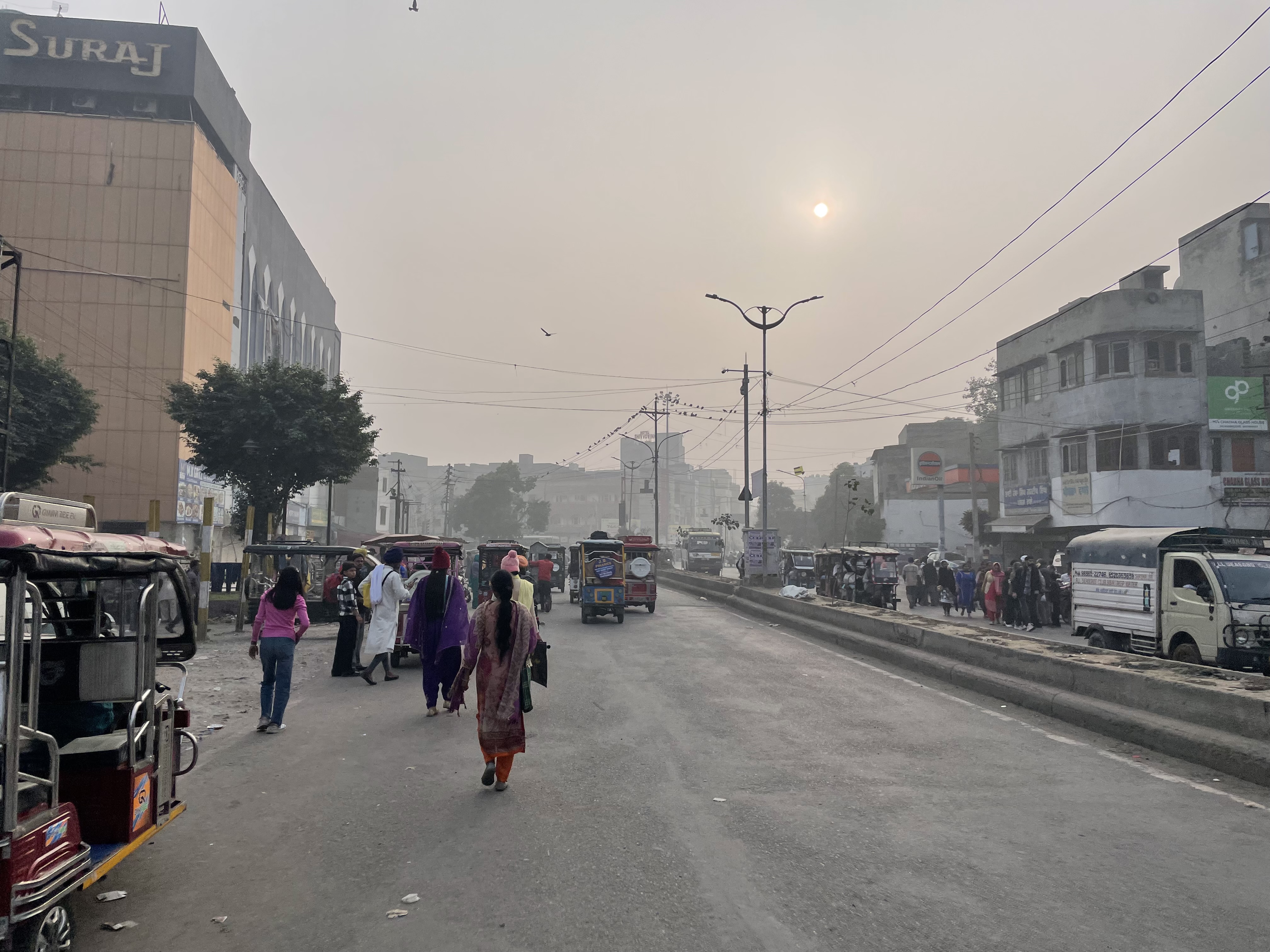
After 30 minutes of walking, I reached my hostel which was shockingly nice and foreigner friendly. Not only was it close to the Golden Temple, but it also ran tours to the border and had a car shuttle to the airport for fair prices. If you visit Amritsar, Madpackers is the place to stay!
Having figured out all my logistics for the rest of the trip, it was time to visit the Golden Temple. Amritsar has a massive old city with an endless maze of winding alleys and narrow streets. The temple is at the center of the maze. Without Google Maps, I would have surely been lost there forever.
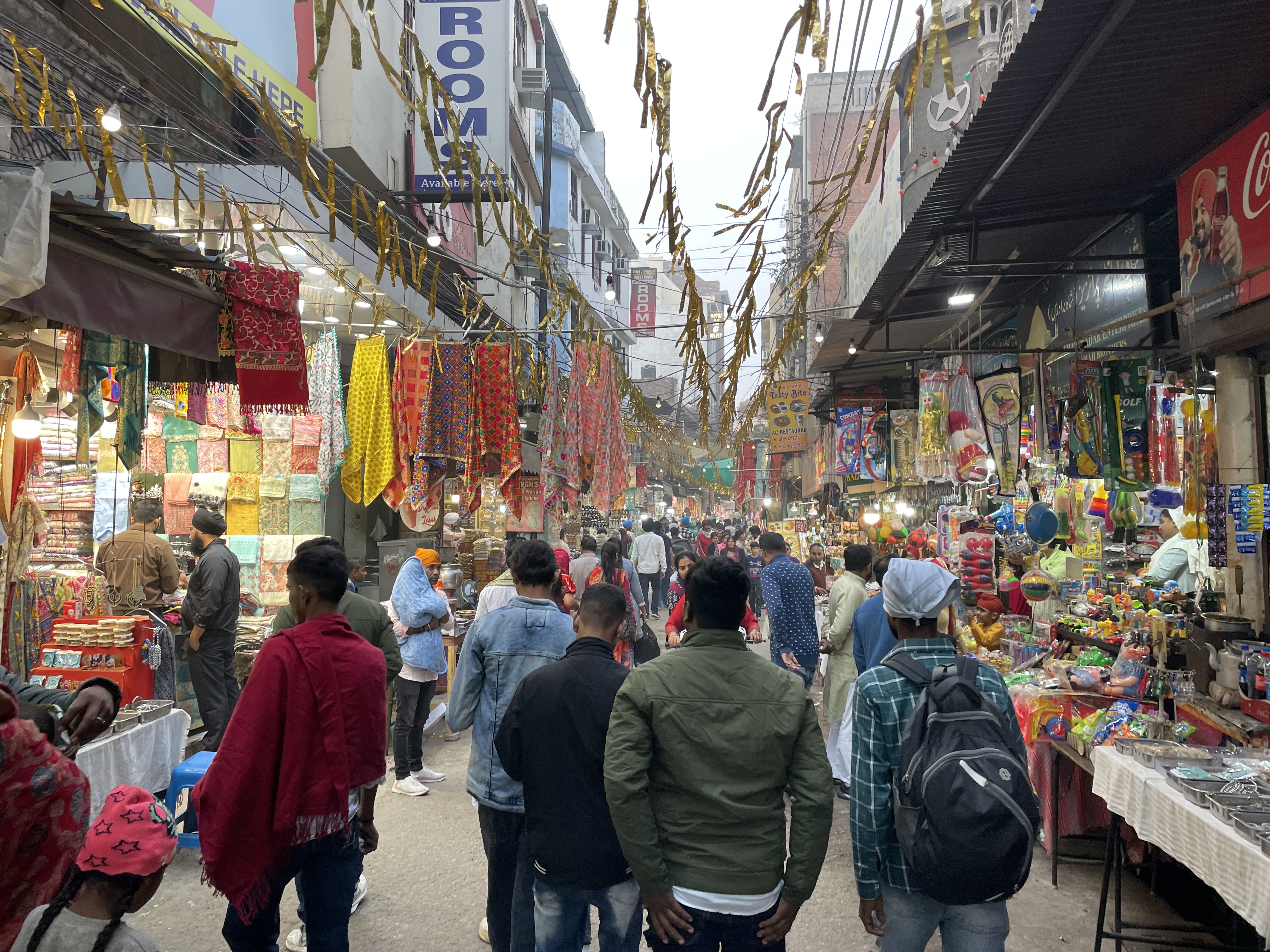
The main entrance to the temple is at the northeast. The plaza and surrounding bazaars were packed with pilgrims. To enter the temple complex, I checked my shoes in at a counter and picked up a mandatory head scarf. I then walked through a small water threshold and down a set of stairs. Then, I saw it!
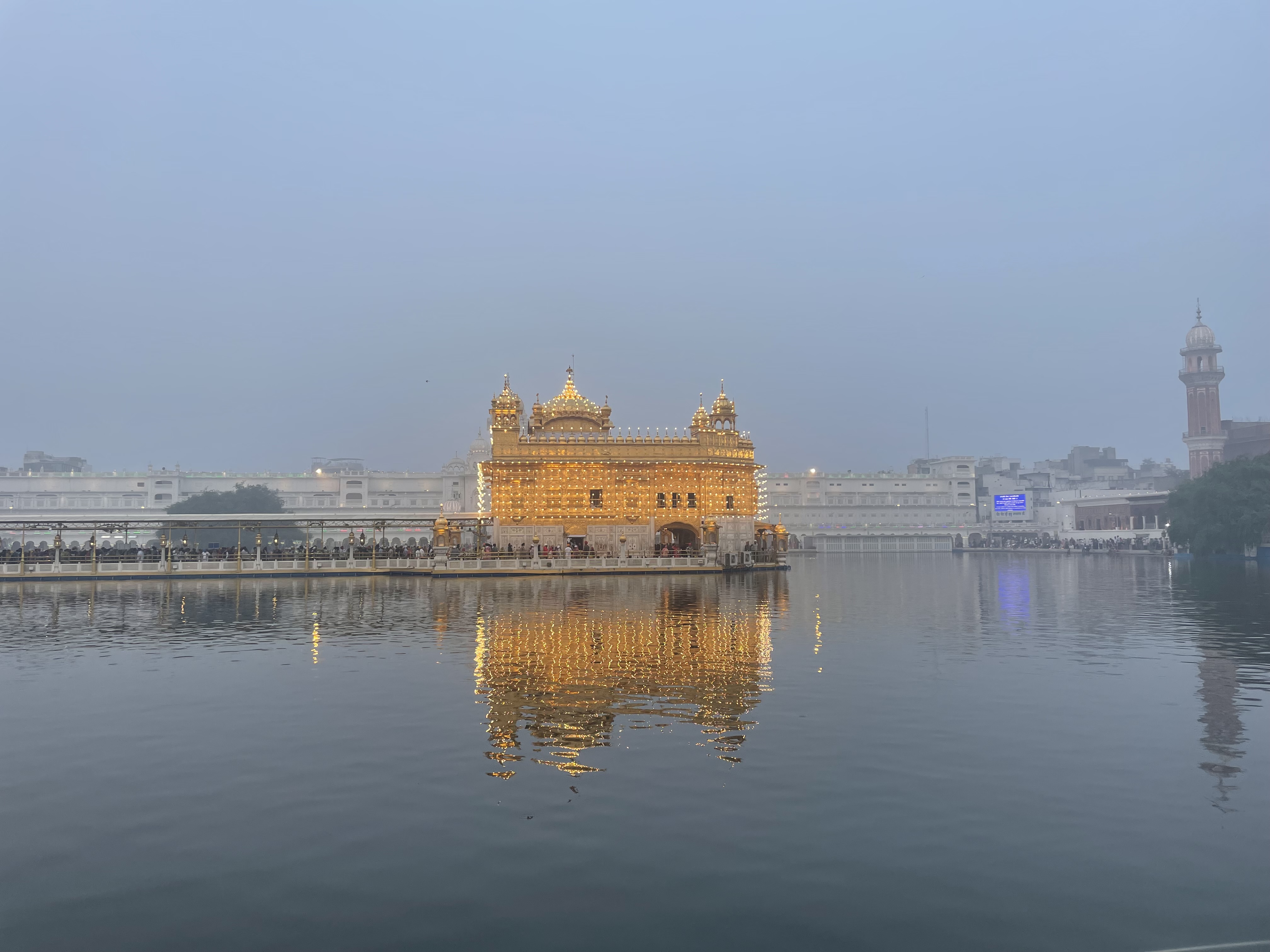
The Golden Temple, officially known as Sri Harmandir Sahib, is the holiest place in the world for Sikhs. Like Mecca for Muslims, Sikhs are supposed to visit the temple once in their life. The temple was built by the fourth Sikh guru, Guru Ram Das in the late 1500’s. However, the temple was destroyed twice: once in the 1700’s by the Mughals in their attempt to convert the Sikhs to Islam and again in 1984 by the Indian government in their attempt to eliminate militants seeking an independent Punjab. Both times, the Sikh community rebuilt using their own funds.
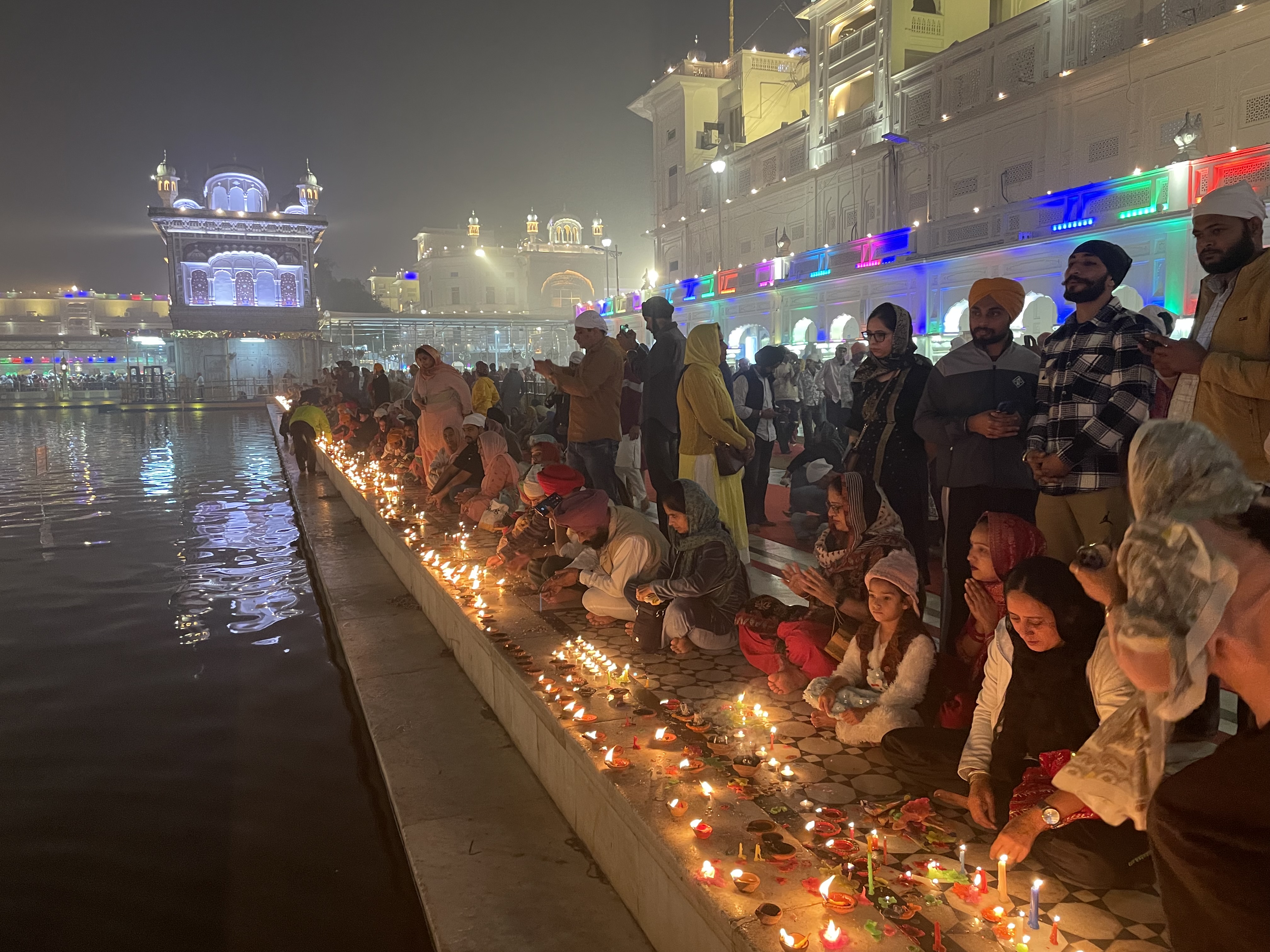
The temple sits at the center of a pool of sacred water. That pool is surrounded by a square walkway lined with thousands of pilgrims.
Why is the temple so sacred? Well, the temple is the home of the Guru Granth Sahib, the 11th Sikh guru. Except this guru isn’t human, but rather a book. Yes, that is right. The 10th guru had four sons but they all died young due to battle and illness. With no possible descendants to become the next guru, he made the holy text the 11th and eternal guru. Sikhs treat the book guru like a living person, even taking it to a bedroom to sleep every night.
As Sikhism was founded as a rejection of the caste system, the Golden Temple (and all Sikh temples for that matter) are open no matter your gender, race, religion, caste, disability, or anything. All are welcome; however you do have to follow the rules. Sikhs are also warriors- a Sikh man is required to carry a sword at all times – meaning the rules are enforced.
After wandering around the sacred lake and seeing the thousands of pilgrims, the sun began to set, and strings of lights appeared on the Golden Temple. I was told this was for the holiday. I also entered a line to get food and ended up with a sweet cornmeal mash. I took a few bites before going to a line to throw it out. The volunteers were horrified and shooed me away. I later learned that I had broken two rules. First, having leftovers is not allowed in the Sikh religion and second, the line I had entered was actually to donate food to God. So, my actions connotated that I was going to donate leftovers to God which is a huge insult. Luckily, an English-speaking Sikh man explained this to me and I quickly and profusely apologized.
Having now wandered all around the complex, it was time to enter the temple itself. The line to enter stretched along the causeway connecting it to the mainland. Like in Tirumala, the “line” was a mass of people somehow slowly moving towards the temple.
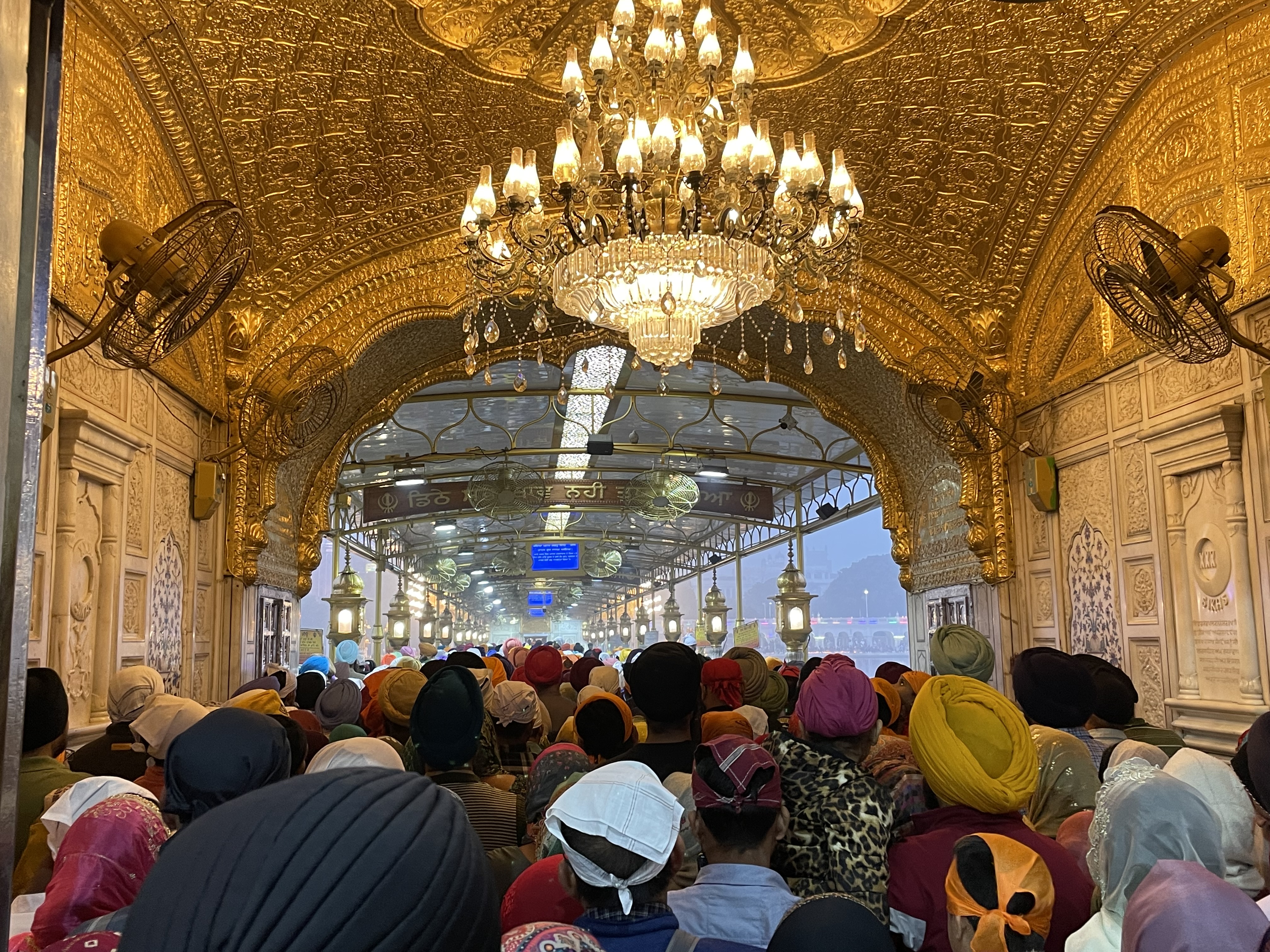
The line took forever. After 70 minutes of standing in the crowd, the line stopped moving at its normal cadence. Then, prayers started playing over a loudspeaker. During certain section, the crowd would call back. 10 minutes later, the prayers stopped, and fireworks broke out. Even though phones were technically not allowed here, everybody took theirs out and started filming the show.
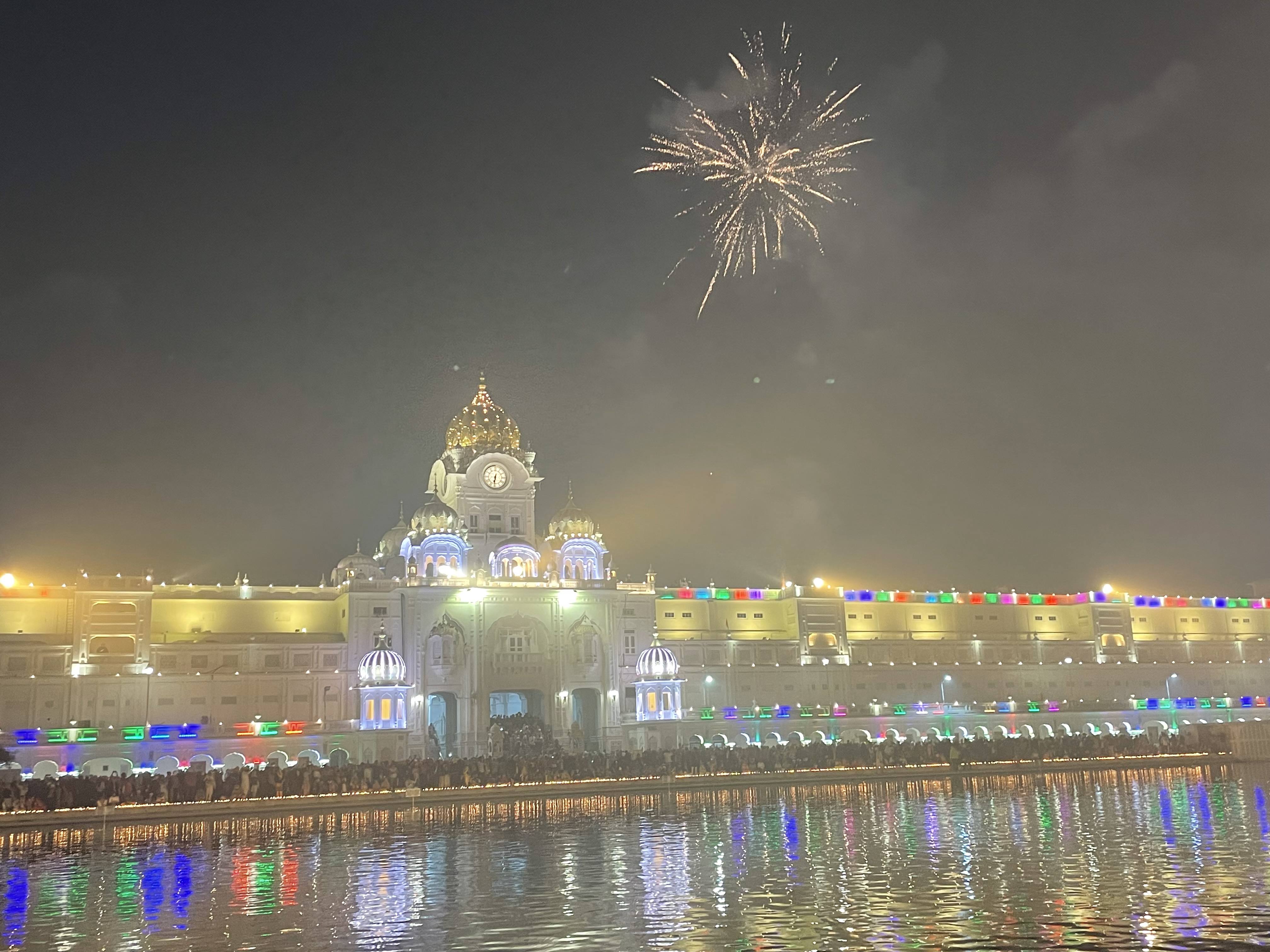
From this point on, the line moved quickly and soon enough I was in the temple.
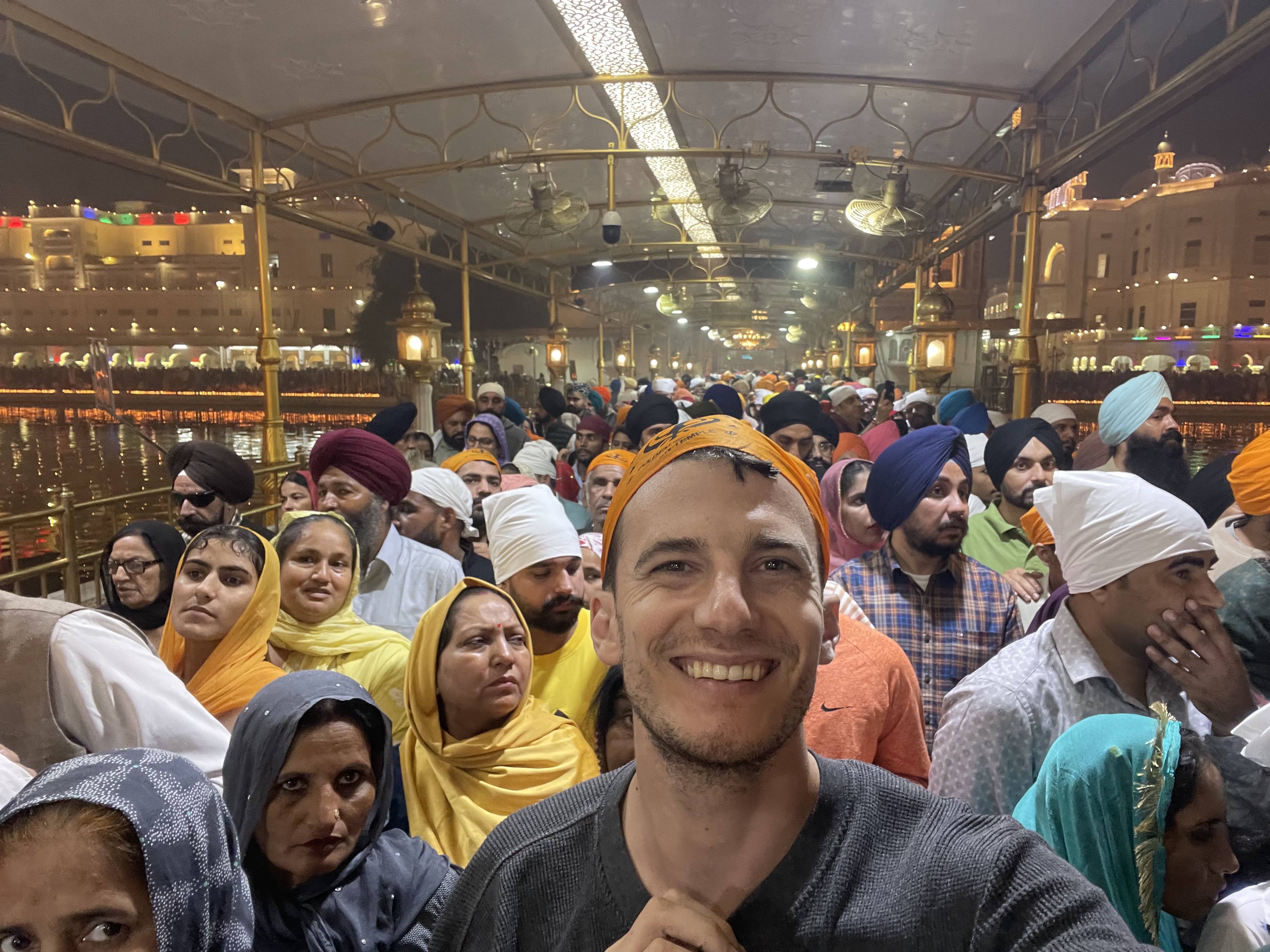
The inside of the Golden Temple is covered in… gold. The main room at the center contains THE book which was being read by a turbaned Sikh leader. Accompanying him was a band of five musicians. Pilgrims were crowding to the front to donate money.
I then took the stairs up to the second floor which was much calmer and provided views down to the main floor.
I then continued further up the stairs to the roof which had views of the entire complex.
When walking out from the temple, I received an unbelievable number of stares from people who most likely had never seen a white person in their life before.
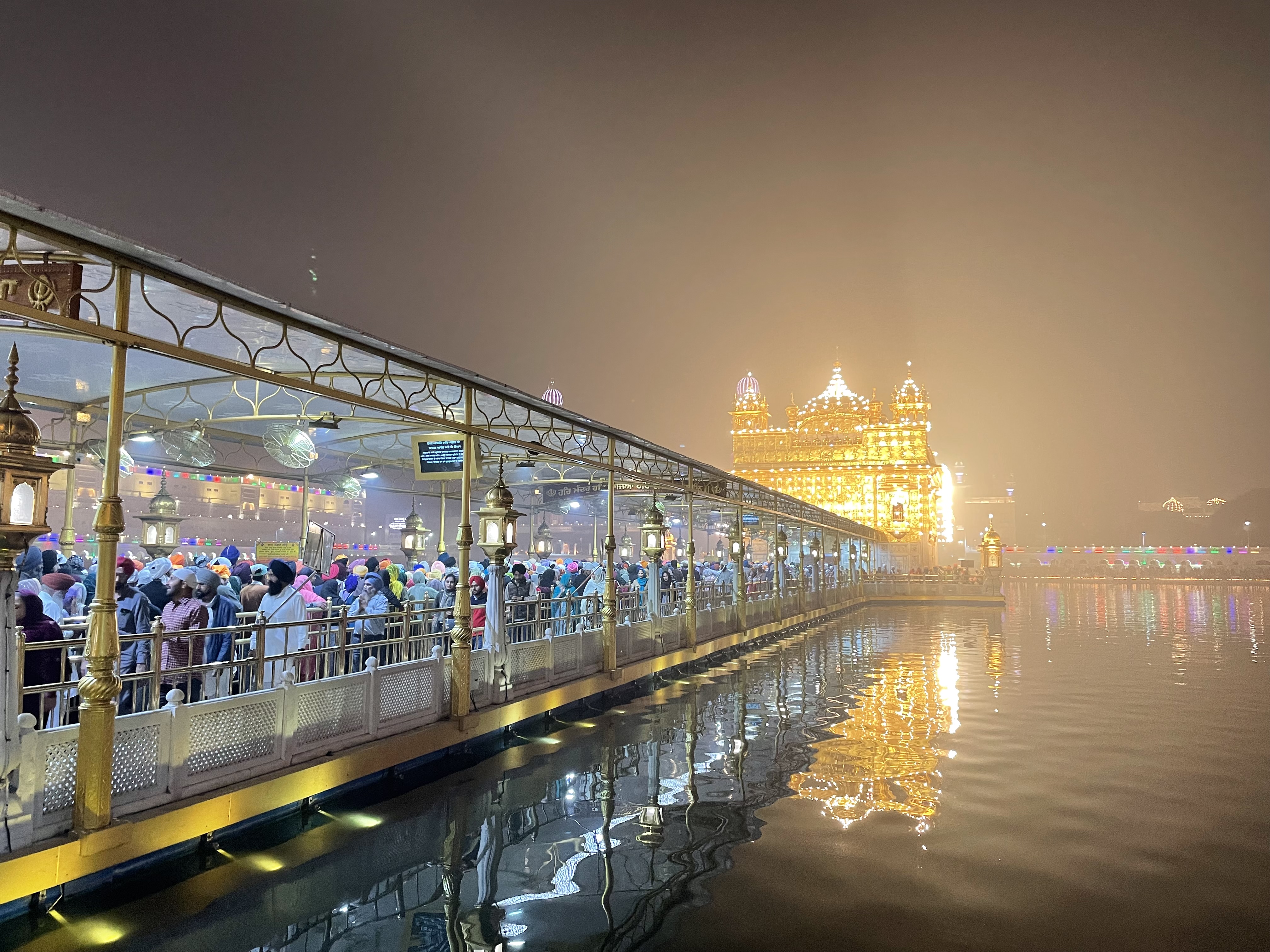
I then explored a few other buildings in the complex which also had turbaned men reading copies of THE book.
It was 19:30 and I was hungry. So, I headed to the langar, the temple’s free kitchen. It is the world’s busiest kitchen serving 50,000-200,000 people per day (closer to 200,000 today on the holiday). I’m not sure if it can be considered a restaurant but if so, it would also be the world’s busiest restaurant.
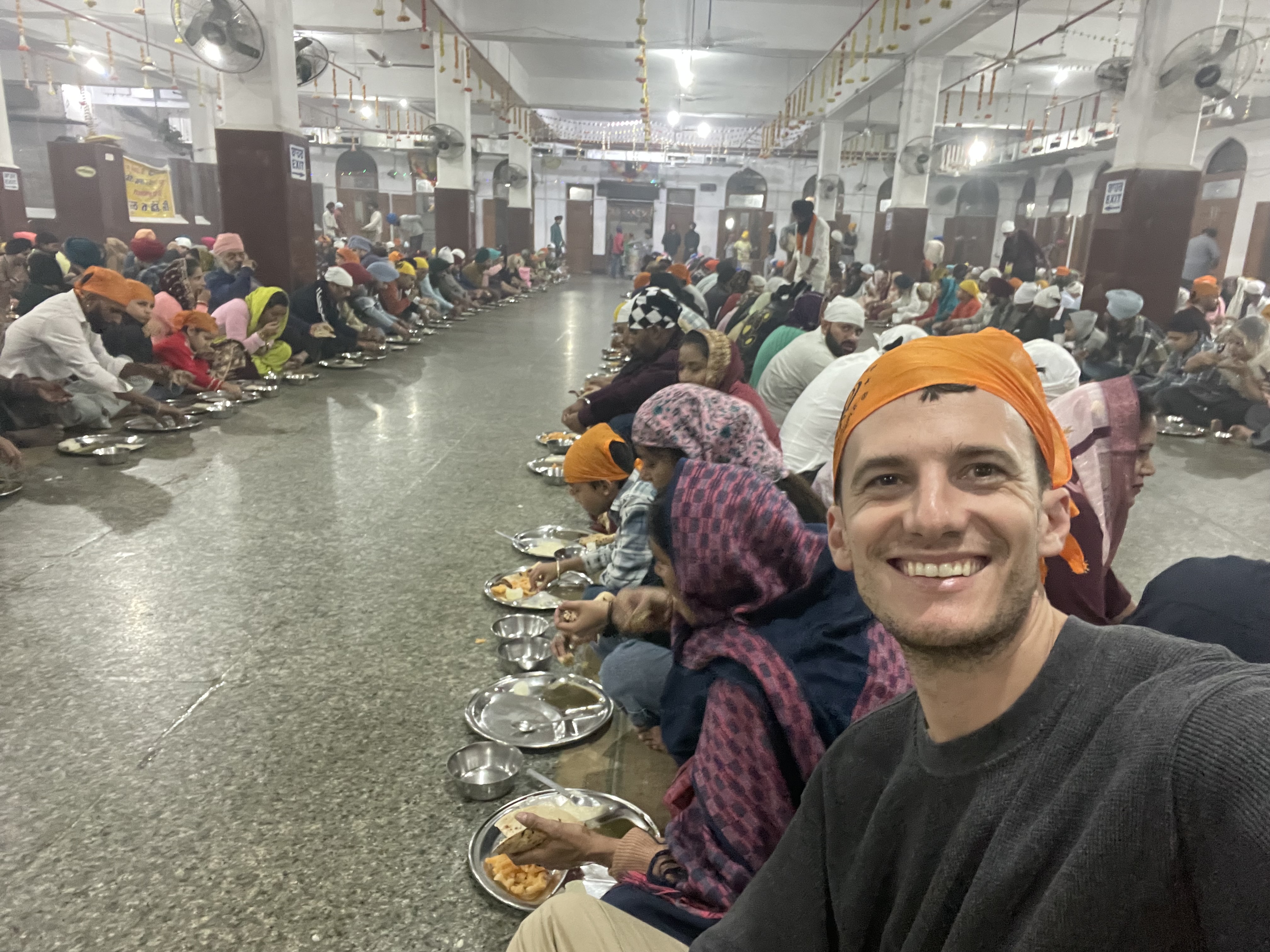
After entering, I was given a metal plate and cup. I then headed up a series of stairs into another crowd. Eventually we were let into the dining room. To eat, everybody sat on the floor. Volunteers scooped food onto our plates. The vegetarian meal included a piece of chapati, a green curry, a white sweet dish called kheer, a piece of gummy-sugar and a jalebi sweet. So, it was mostly sweet items. They also give you water to drink. You can get unlimited refills, but due to the Sikh wariness of leftovers, I played it safe.
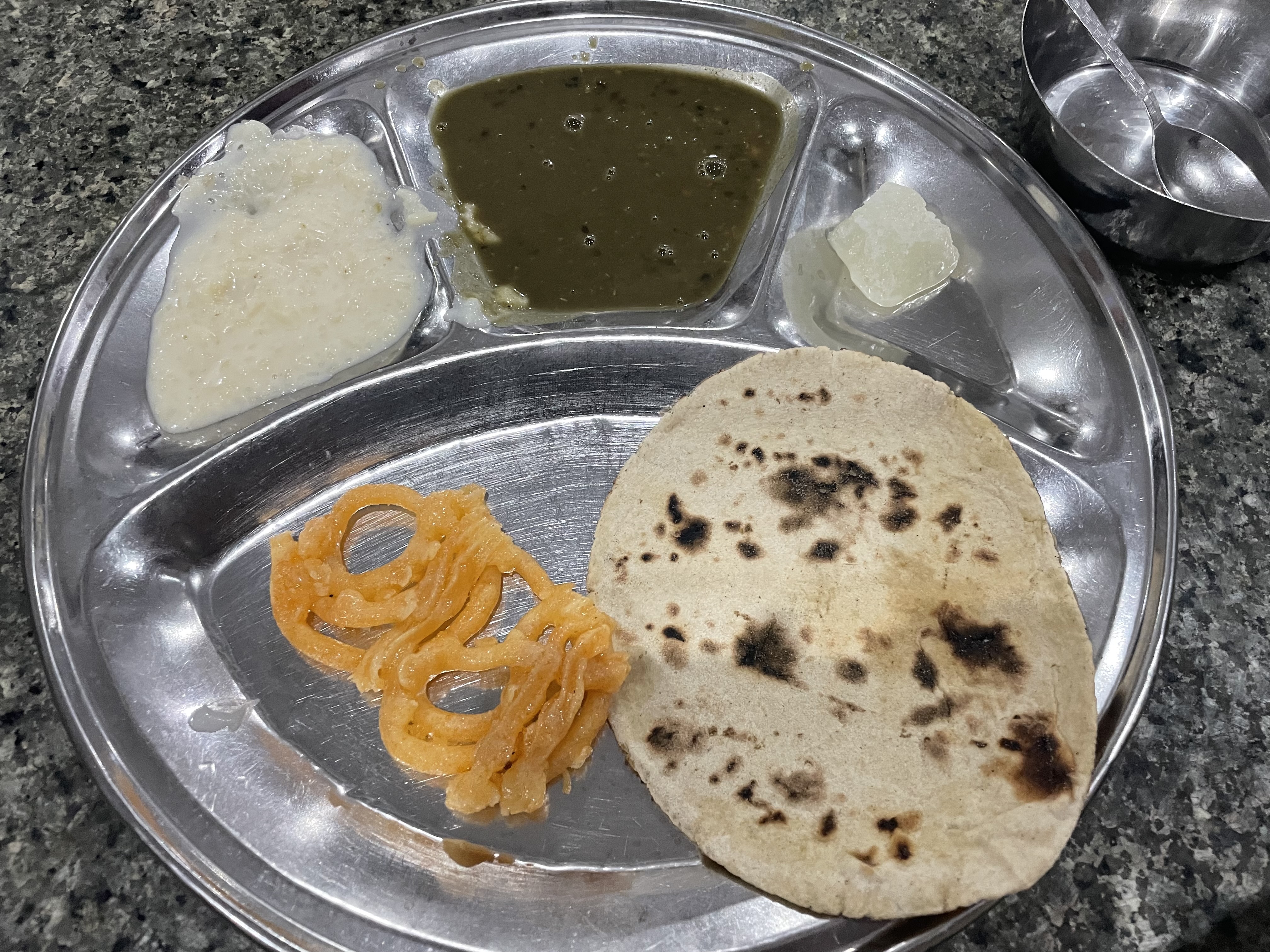
I then headed back to the hostel where I caught up with the other travelers and went to bed.
The whole experience today on the buses and then at the temple was a great representation of the intensity of traveling in India. This country is not for the faint of heart!
November 16, 2024: Beyond the Golden Temple
Today’s main activity was to visit the Wagah Border with Pakistan. However, before that, I still had time to see a few other sites around Amritsar, as there is much more here than just the Golden Temple.
My first stop was the Jallianwala Bagh, a memorial to a massacre that occurred in 1919. The British, fearful of a Punjabi uprising killed Punjabis who had gathered for a peaceful protest. The exact number of casualties is unknown but the total ranges from 379 to 1,500 plus 1,200 injuries. The massacre shocked Indians, turning many loyalists against British rule. It is thought that the massacre was a major step in the eventual end to British rule.
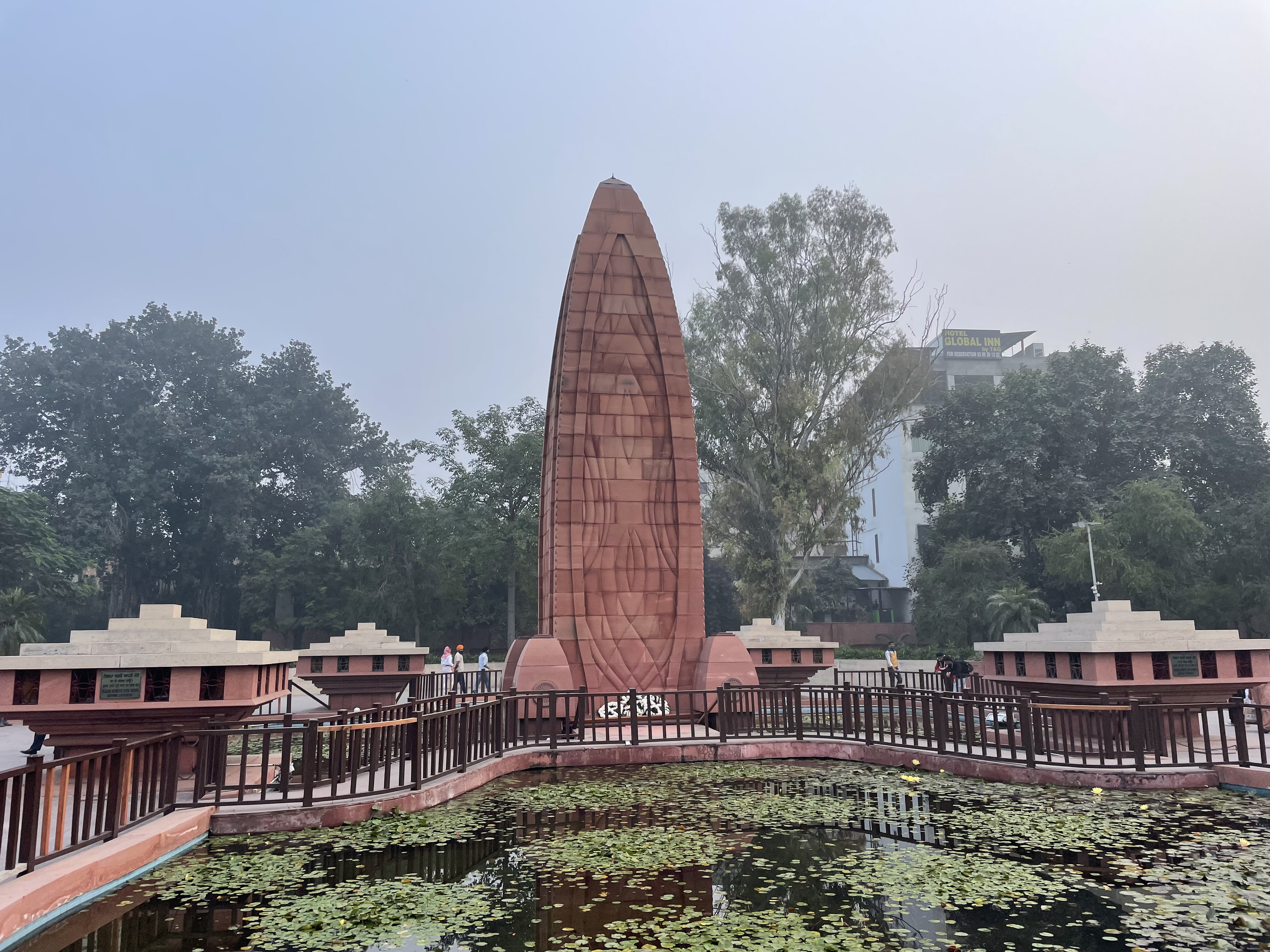
While some in the British government were appalled, Parliament overwhelmingly voted to not discipline General Dyer, who ordered the attack. In later years, the British Royal Family and Prime Minister David Cameron have visited the site but have never issued formal apologies. The massacre is a major historical event taught in every Indian school, yet very few people outside of India know about it. None of the 8 British people staying at my hostel had heard of Jallianwala Bagh before coming to Amritsar.
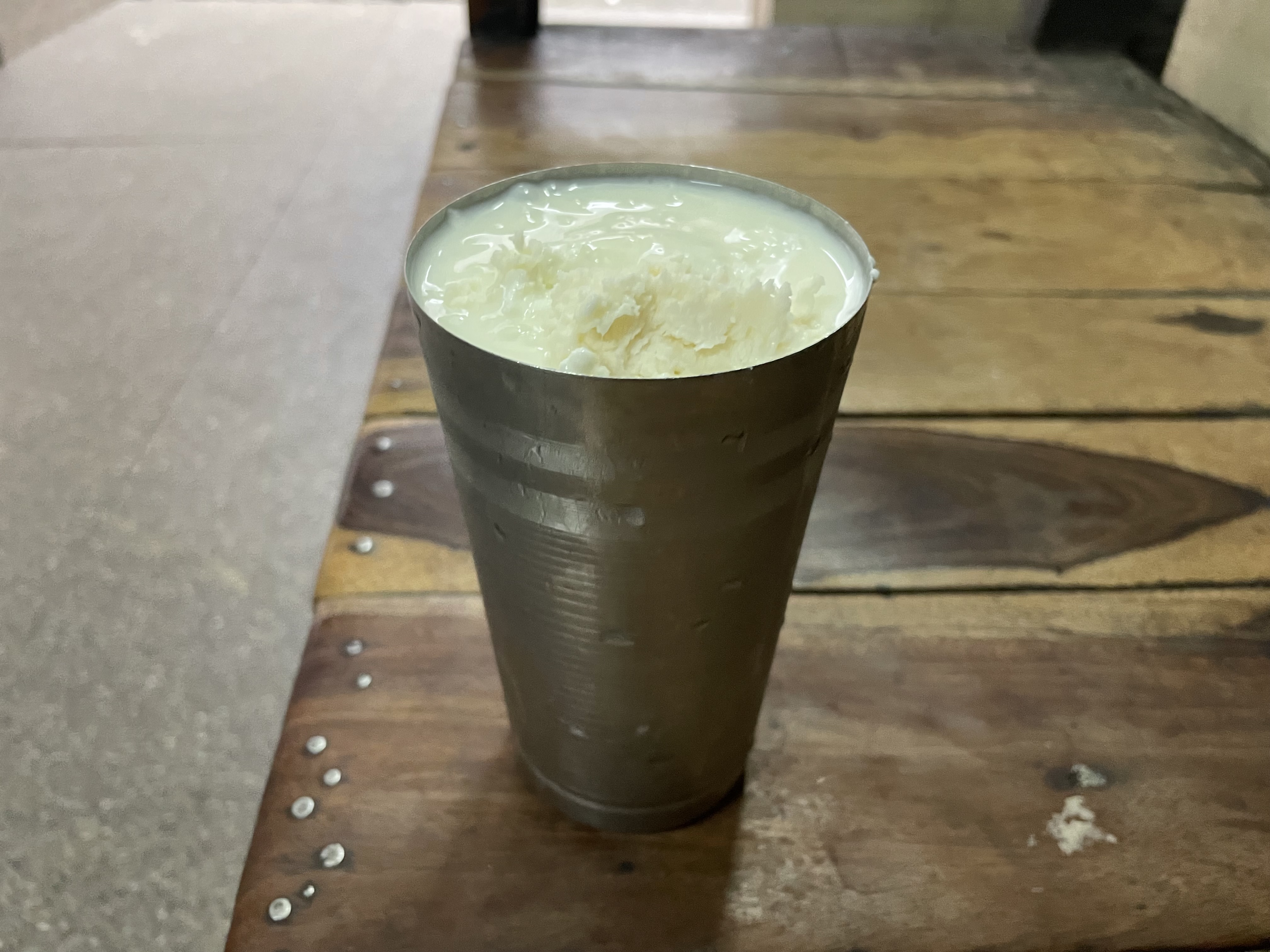
My next stop was Gian di Lassi, a 100-year-old lassi shop. Lassi is a yoghurt-based drink like a milkshake. Lassis originated in Punjab and Amritsar is known to have the best lassis in India. In the US, the vast majority of lassis are mango flavored but in India the most common flavor is “sweet” which is made with cardamom, rosewater, and saffron. “Salty” is another popular flavor.
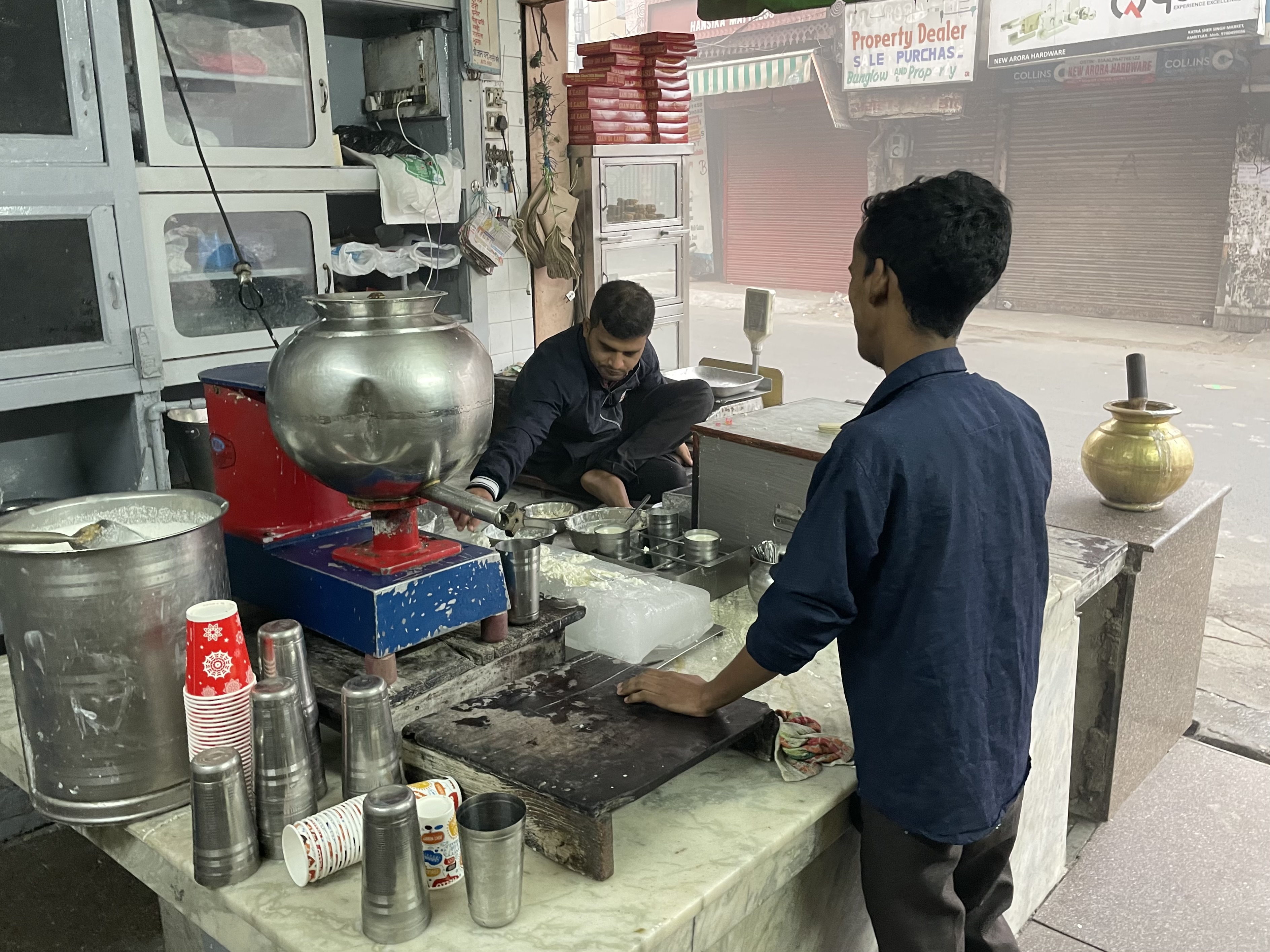
My lassi was a sweet lassi and was made by a barefoot man sitting cross legged at the counter. Not so sure about the sanitary conditions but the lassi was the best I’ve ever had.
Next, I took a rickshaw to a Hindu temple known as Mata Lal Devi Mandir. It was built in 1989 and is bizarre to say the least. One of the main deities is an old human woman named Lal Devi. People worship her for fertility. Once I entered the temple, I saw shown to a staircase leading me on a 30-minute maze. I crawled through tunnels and saw insane art on walls.
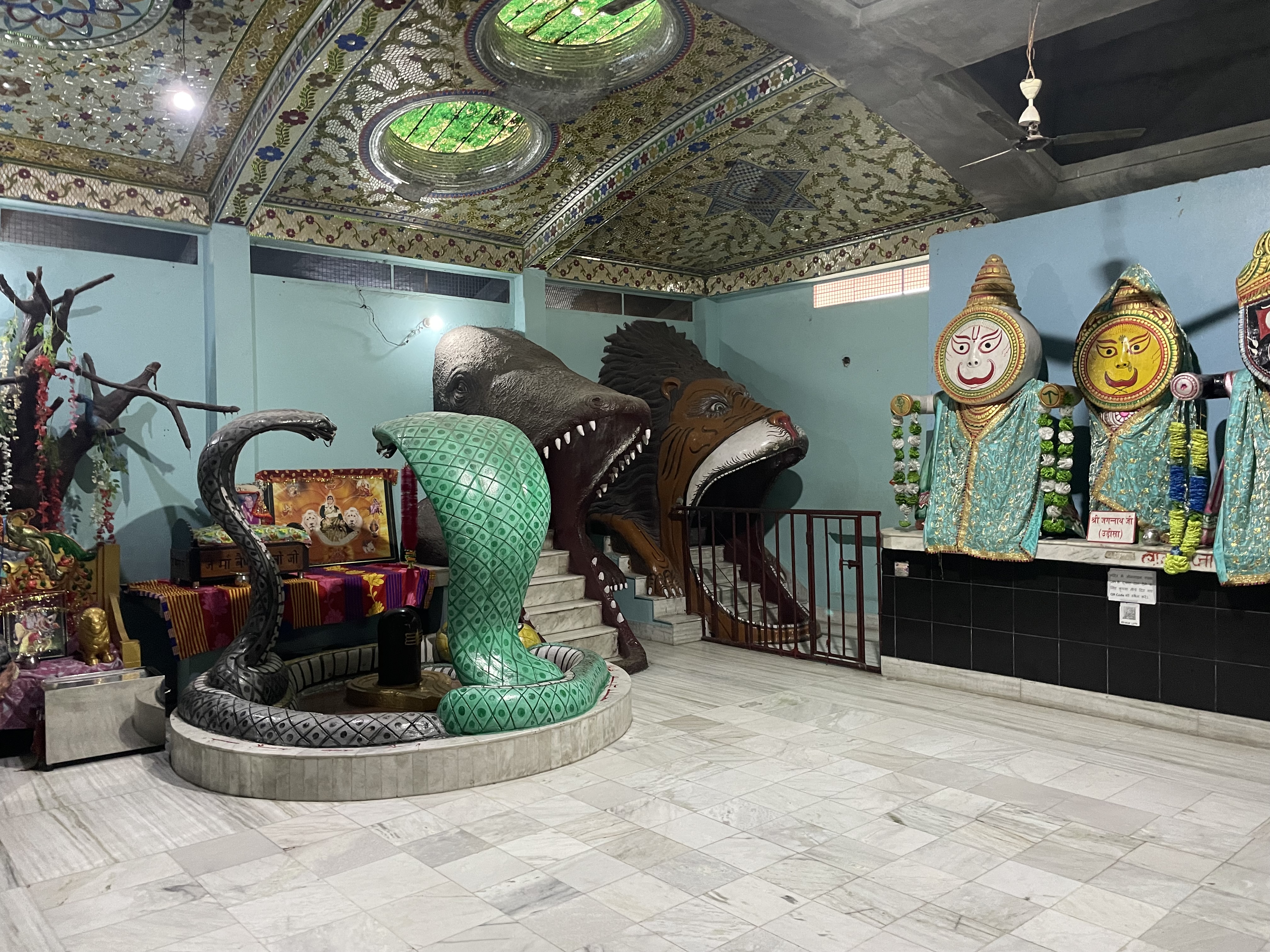
At the end of the maze, I reached an altar with a photo of Lal Devi. I took the pooja and headed out.

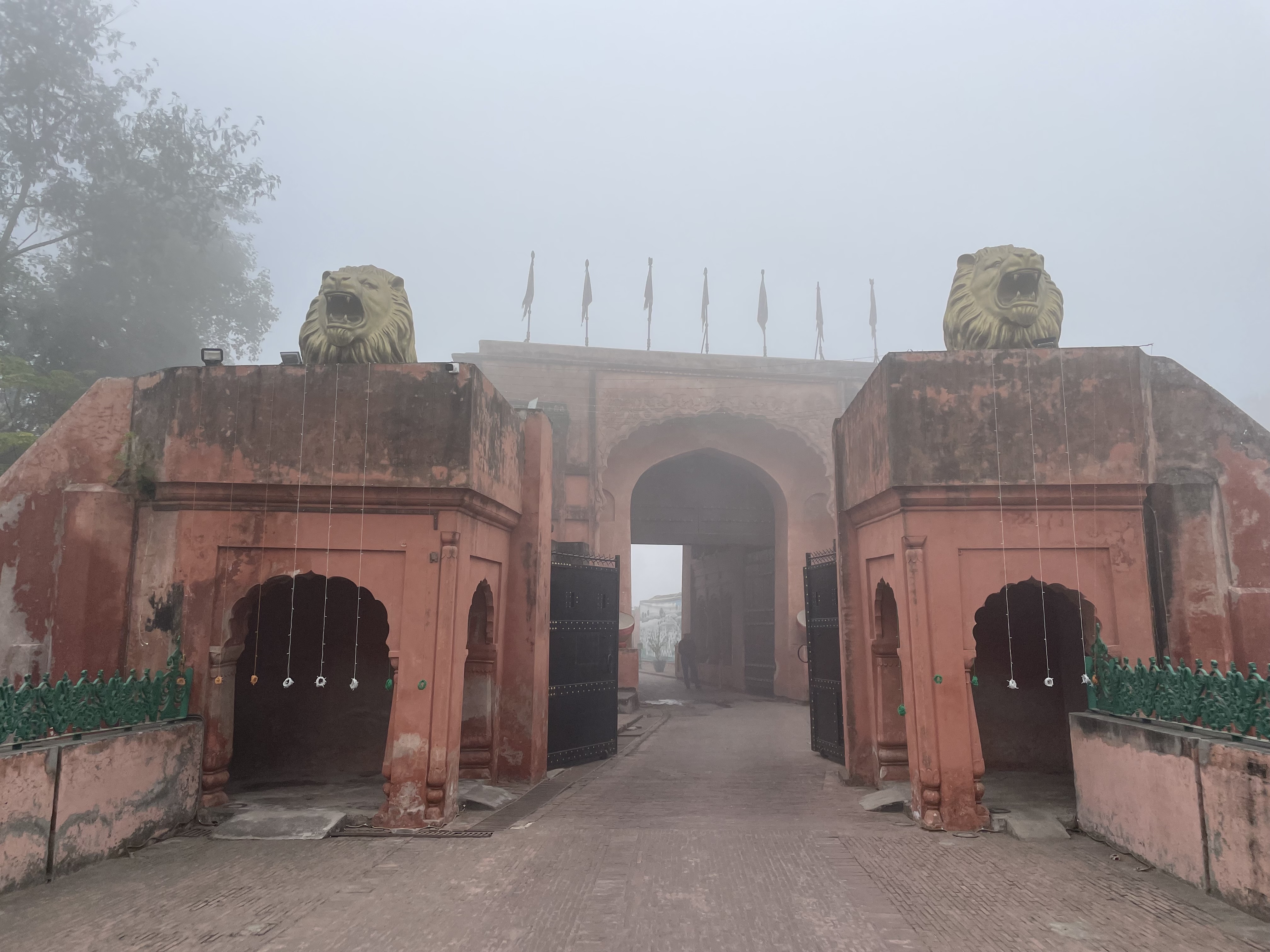
The same rickshaw driver then took me to the Gobindgarh Fort. This massive fort was controlled by the military and was off-limits until 2017. Now it is a tourist attraction but most of the attractions require an extra ticket. Due to my limited time, I only visited the turban museum.
Back in town, I stopped by the Partition Museum which tells the story of the creation of India and Pakistan. Punjab was heavily affected because it was split between the two countries, leading to the separation of families and over a million deaths. The stories told in the museum are heart wrenching.
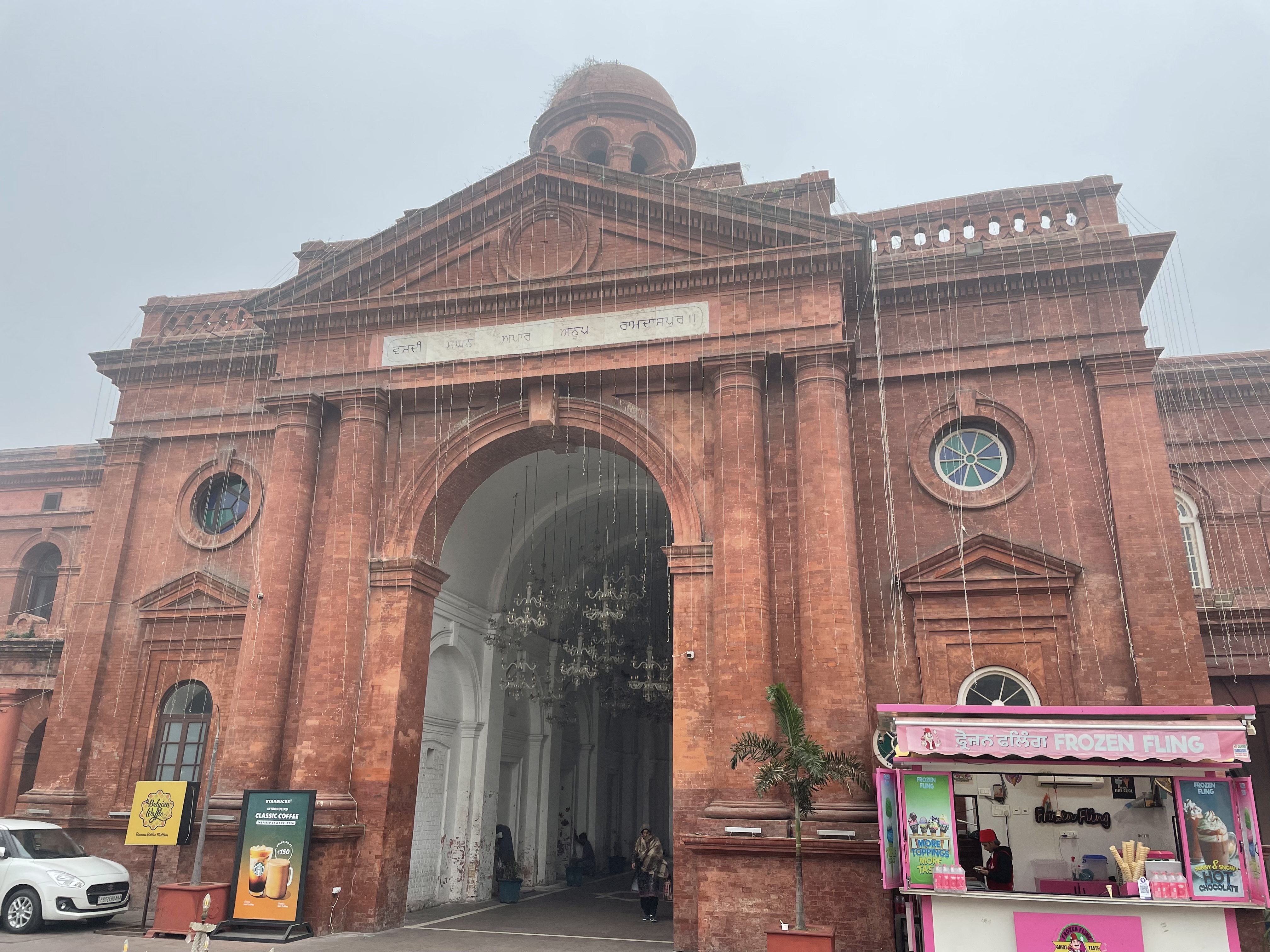
Many Punjabis have been bitter about the Partition since it happened and have actively fought to make the united Punjab (or at a minimum, the Indian half of Punjab) an independent country. This struggle is still ongoing today. In 1983, the Indian government invaded Amritsar and the Golden Temple, which had been taken over by 200 Sikh militants. India eliminated the militants, but the next year Indian Prime Minister Indira Gandhi was assassinated by her Sikh bodyguards in retaliation. Just last year in Canada (home to a significant Punjabi diaspora), the Indian government appears to have assassinated one of the main pro-Sikh leaders, resulting in the temporary suspension of issuing visas and the expulsion of diplomats.
Having seen as much as I could in town, it was now time for the Wagah Border tour run by the hostel. 12 of us got into two rickshaws and drove towards the border. The drive took an hour.
The Wagah Border is the only operational border crossing between India and Pakistan. It is located near the midpoint between Amritsar and Lahore (historic capital of Punjab, cultural hub and Pakistan’s second largest city). The crossing is world famous for its elaborate flag lowering ceremony which has taken place every evening since 1959.
To see the flag ceremony, we waited in a long line which included a thorough security search. We then entered the 25,000-seat stadium erected on the Indian side of the border. Pakistan was clearly visible beyond the border gate but their stadium. The crowd, decked out in India merch, was aroar! Bollywood music was blasting, and women were encouraged to dance (an apparent dig on the restrictions on women in Muslim Pakistan). The stadium quickly filled up to capacity.
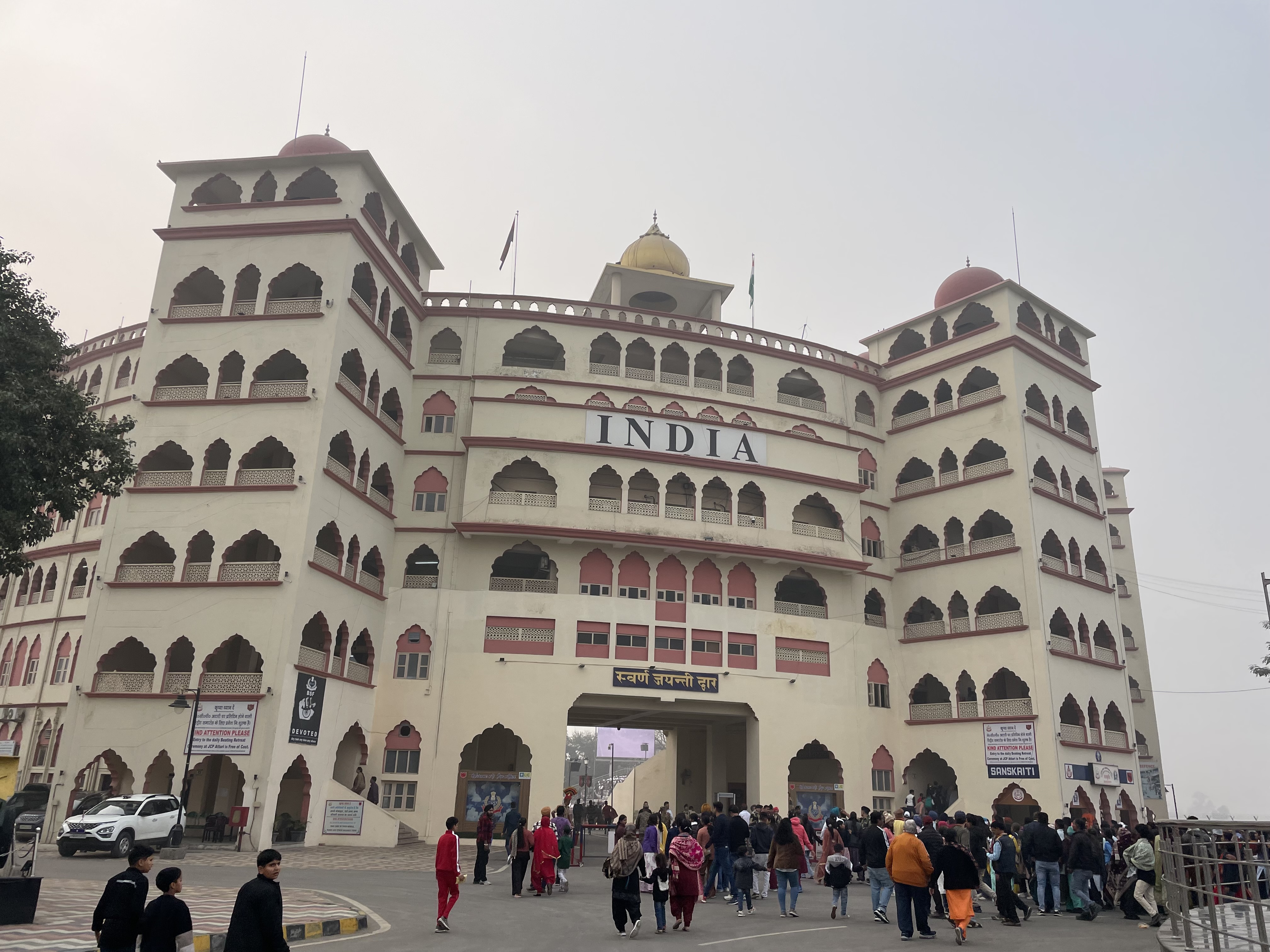
To pump up the crowd, an Indian soldier would start pro-India chants. “Hindustan Zindabad” we yelled. A video showcasing the spectacular work of the Indian border patrol (the BSF, India’s First Line of Defense) also played.
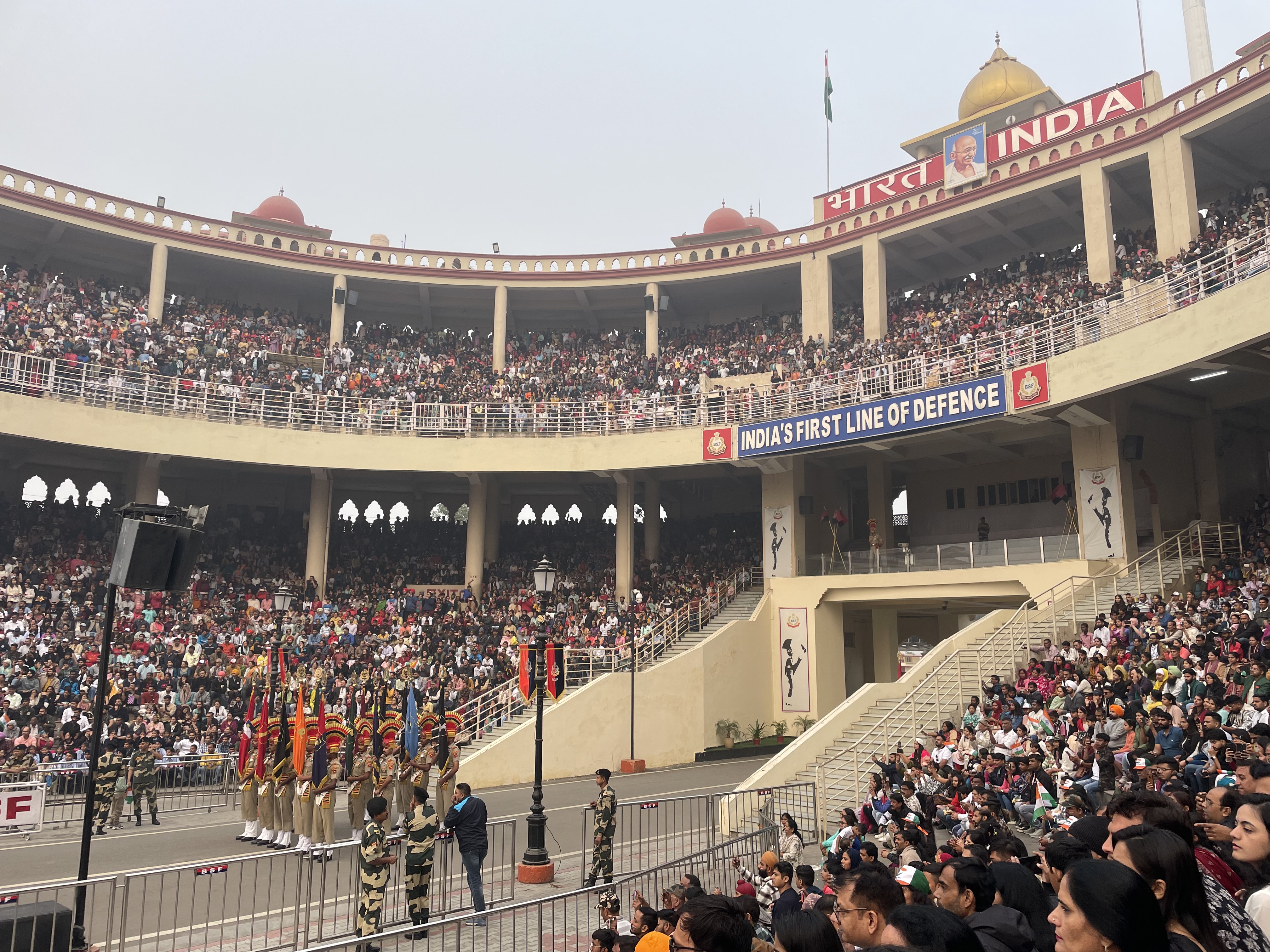
Just before the ceremony began, former WWE wrestler the Great Khali who is Punjabi, walked in with a huge entourage, sending the crowd into a frenzy.
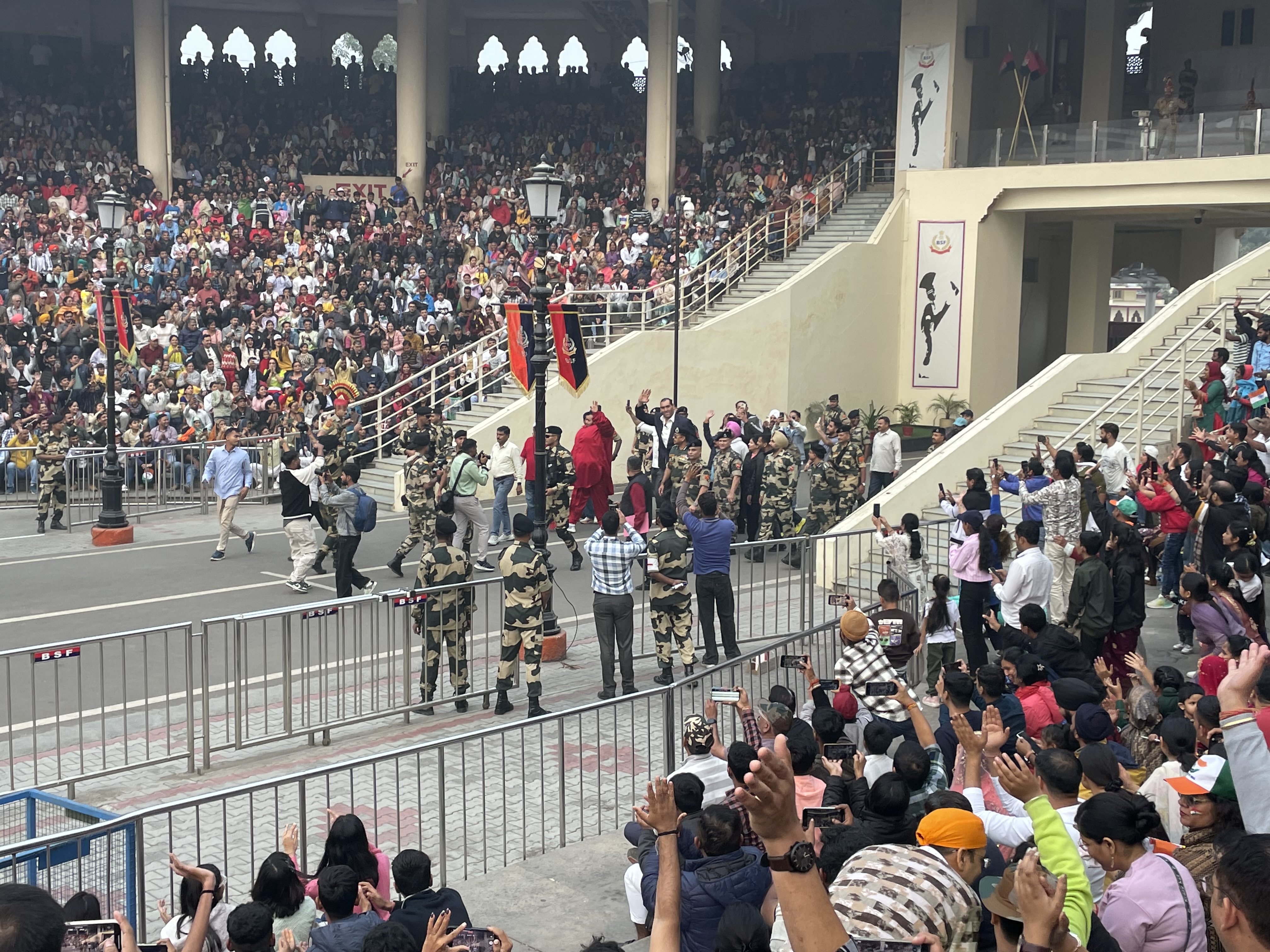
At 16:00, the ceremony started for real. The Indian soldiers, wearing bright red headdresses that reminded me of a peacock walked and high kicked in coordinated lockstep to the border line. Their actions were mimicked by the Pakistani rangers meters away across the gate. It reminded me of the walk-off in Zoolander.

Eventually the border gate was open, and the soldiers postured at each other.
After 20 minutes of this, the solders then lowered the flags of their respective nations. The flags were carefully lowered so they would always be at the same height. Then, the soldiers shook hands before retreating to their respective sides.
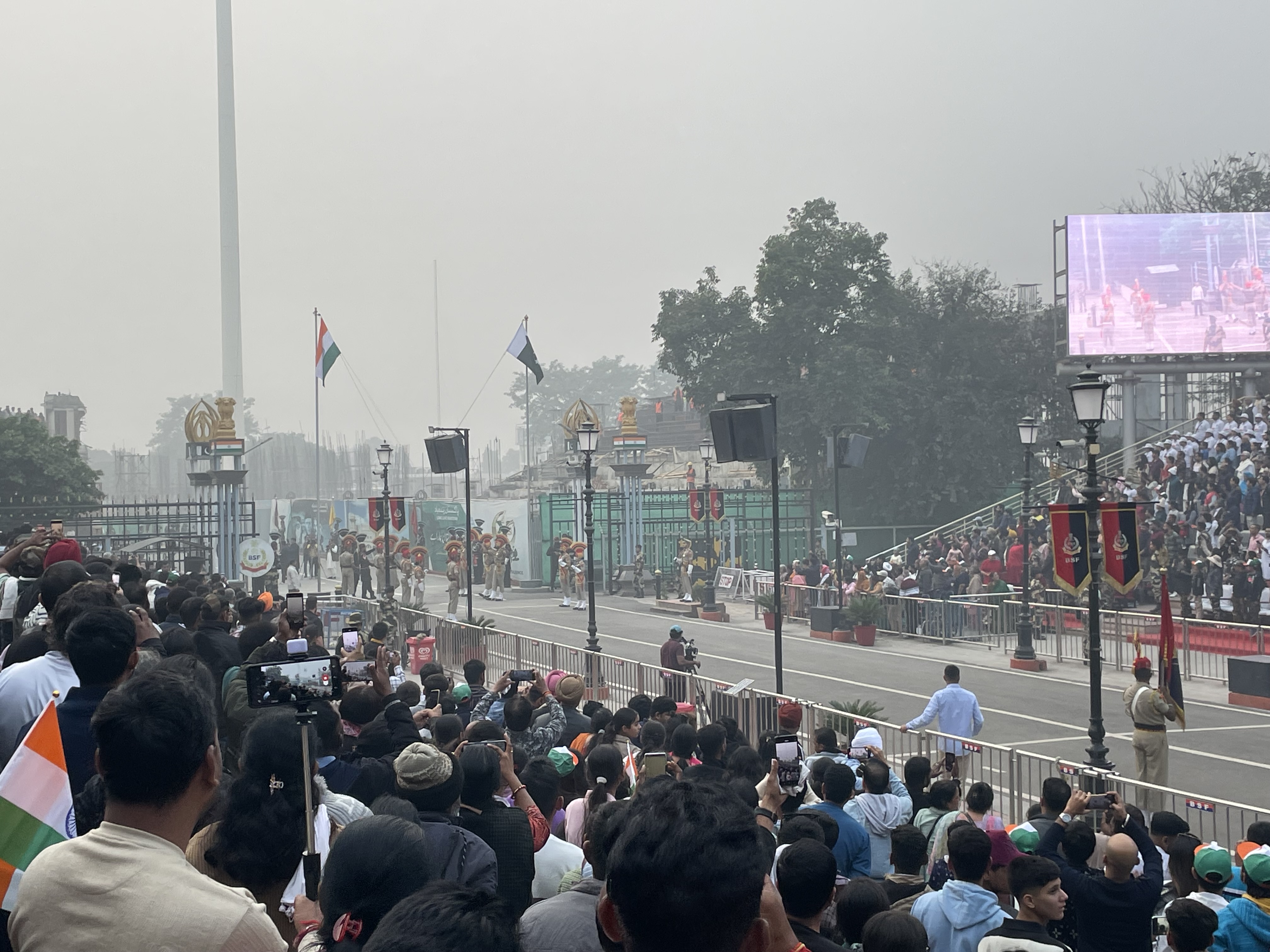
After 30 minutes, the show was over, and the mad dash out began. Somehow our group got to the rickshaws by 16:40 so we were able to beat all the traffic.
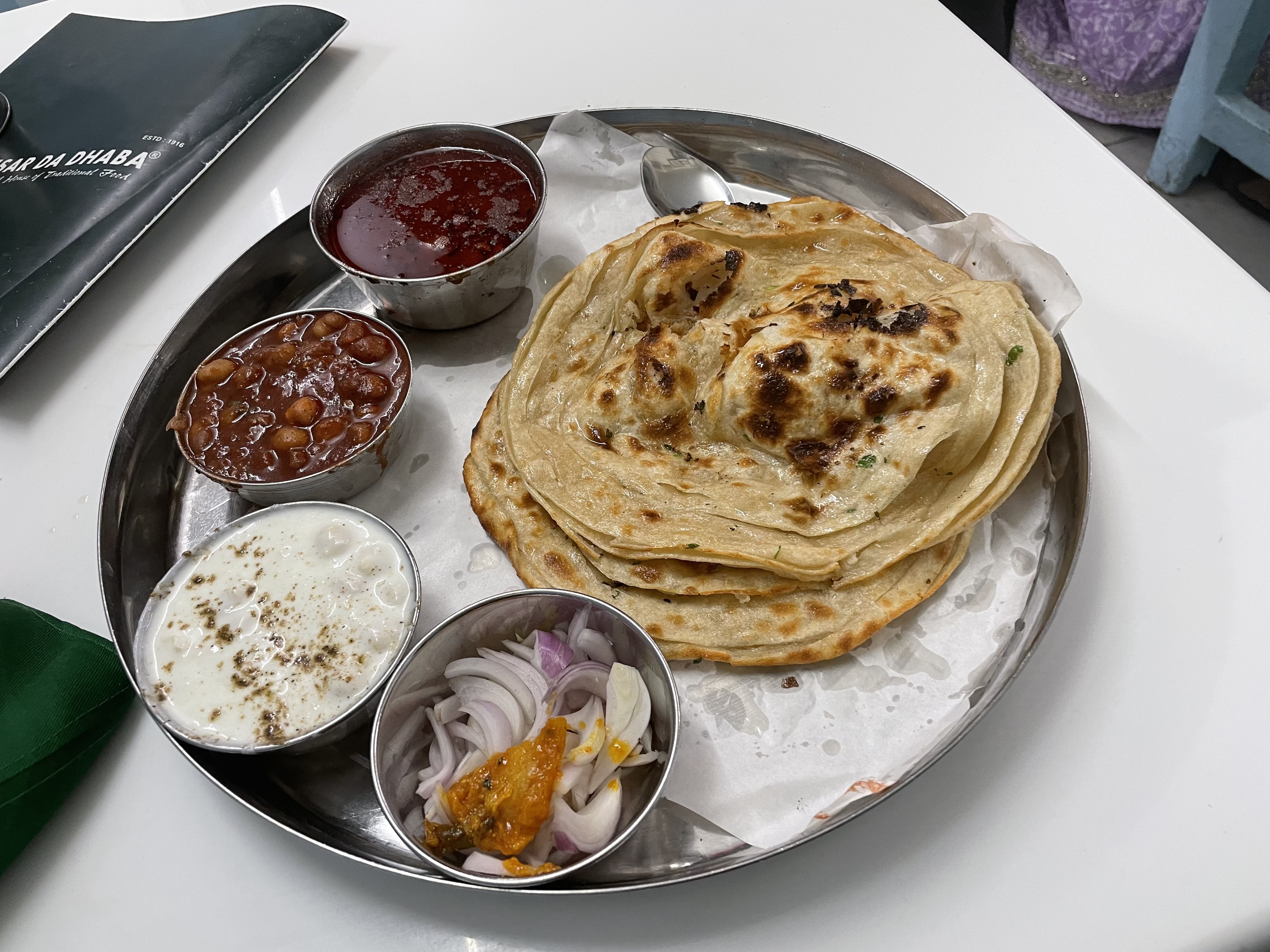
Back in Amritsar, I got back in time for dinner. Based on many recommendations, I went to Kesar Da Dhaba, a century-old vegetarian Punjabi restaurant in the middle of the maze. It was originally founded in pre-Partition Pakistan but moved to India during the Partition – apparently because many of the Indian revolutionary figures loved eating there so much. The signature dish was the dal makhani, but the hand-cracked paratha was also a star. Everything was doused in ghee!
I then headed back to the hostel to attempt to get some sleep for my 4:00 flight to Qatar and then home.
November 17, 2024: A Rough Travel Day
At 00:30, I woke up to head to the airport. Just like in Patiala, every night an unbelievably thick fog would roll in every night, cancelling nearly every flight between the hours of 20:00 and 10:00.
I looked outside and could not see another building, so I knew that the conditions were bad. In nearby Lahore, Pakistan, all highways going into the city were closed due to this fog.
Even though I figured my flight was going to be severely delayed, I was nervous about potentially missing a check-in window, so I was prepared to head to the airport and sleep on the floor there. In the US, I could check at the new departure time, but India is a different ballgame and I did not want to miss this flight.
Luckily, the airline called me just in time to tell me the flight was delayed by 9 hours. Instead of driving to the airport in the dangerous fog, I got to sleep in.
The next morning, I took my previously scheduled taxi to the airport. The flight boarded “on-time” but when taking off, I heard a bang, and we screeched to a stop! Bird strike.
Bird strikes are a relatively common occurrence but can also be extremely dangerous. The famous Miracle on the Hudson occurred because of a bird strike. Bird strikes are dangerous the bird gets into an engine, damaging the turbines and sometimes causing an explosion. Luckily, this is a rare occurrence.
After aborting the takeoff, we returned to an area near the terminal. The airport staff then inspected the plane. After 90 minutes of inspecting, it was determined that there was no damage to the plane, and we were cleared to takeoff. I was very thankful that we were able to takeoff, as typical protocol in many places is to take the plane out of service, which, given the remote location of the airport and the impending fog, would have likely set us back for at least another day. Four hours later, I landed safely in Doha, Qatar.
Final Thoughts:
Amritsar is the real deal and should be atop any Northern Indian traveler’s itinerary. The Golden Temple is worthy of all the hype it receives. The spiritual atmosphere is palpable and very strong. But the city has a lot more going on too with the maze of bazaars and back-alleys, the other museums and of course the Wagah Border. The food is also top notch. Amritsar is, however, not for the faint of heart: it is filthy, very crowded and full of wild dogs. So do always be aware of your surroundings.
Two full days is probably the optimal time to spend in Amritsar: one half-day at the Golden Temple, a half-day at the Wagah Border and two more half-days to see the rest. With my day and a half, I was able to see it all but felt rushed in the Partition Museum and missed out on a few iconic restaurants.
Amritsar is a good stopping point between Delhi and the Himalayas. It is within a day’s bus ride from Dharamshala and then from there Kashmir.


Leave a Reply